Beyond the Booth and the Beats: How Dr. Sebi Became an Unlikely Cornerstone of Hip-Hop Culture and Wellness Discourse

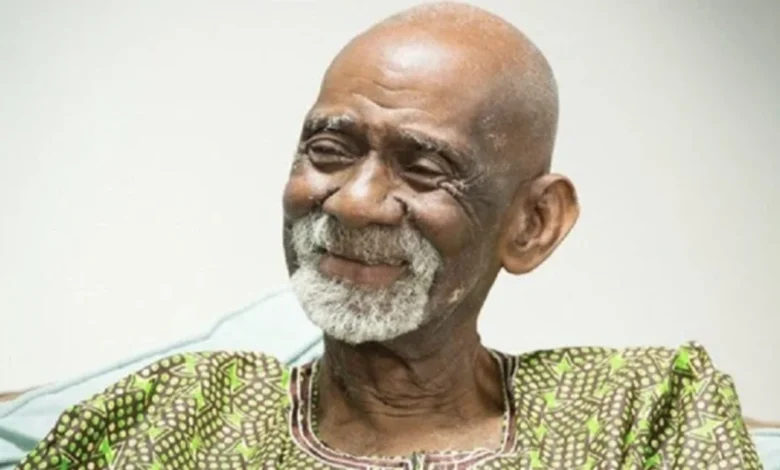
Alfredo Darrington Bowman never stepped foot inside a recording booth, dropped a multi-platinum studio album, or commanded a headlining slot at a massive music festival. Yet, for decades, the name "Dr. Sebi" has reverberated deeply throughout the landscapes of American hip-hop, urban entrepreneurship, and community self-determination. From the sun-bleached avenues of Los Angeles to the gritty recording studios of New York and Buffalo, the self-taught Honduran herbalist evolved from a controversial alternative practitioner into a enduring cultural symbol. His philosophy—centered around plant-based nutrition, anti-establishment skepticism, and holistic self-governance—struck a profound chord within a musical genre historically built on challenging authority and reclaiming institutional power for marginalized communities.
This complex legacy has recently experienced a significant resurgence with the publication of The Cure: The Official Autobiography of Dr. Sebi. Released in February 2026 through 40A3 Studios and authored in collaboration with former professional basketball player Jeff Coby, the 162-page volume draws directly from a handwritten manuscript. According to the publisher and family members, this foundational text was recovered by Sebi’s daughter, Saama Bowman, from his vandalized bedroom following his death in 2016. The release quickly climbed to the top of new-release charts, demonstrating that nearly a decade after his passing, the public fascination surrounding his life, teachings, and controversies remains potent.
The Genesis of a Wellness Philosophy: From Honduras to International Notoriety
To understand Dr. Sebi’s footprint in modern culture, one must first examine the roots of Alfredo Darrington Bowman. Born in Honduras in 1933, Bowman eventually migrated to the United States, where he developed a distinctive philosophy that he termed the African Bio-Mineral Balance. At the core of his teachings was the belief that disease is fundamentally the result of mucus buildup and acid accumulation within the body, driven by the consumption of processed foods, hybrid crops, and animal products.
To combat this, Sebi advocated for a strict, alkaline, plant-based diet combined with proprietary herbal compounds intended to cleanse the body at a cellular level and restore its natural electrical balance. Throughout the late 20th century, he built a dedicated international following, operating wellness centers and drawing clients from various walks of life, including notable celebrities and athletes.
However, Sebi’s career was continuously dogged by controversy. His public assertions that his herbal formulations could cure complex, life-threatening pathologies—including cancer, diabetes, and AIDS—drew sharp rebukes from the scientific and medical communities. Mainstream medical professionals repeatedly pointed out that his claims lacked empirical backing, clinical trials, and peer-reviewed validation. Despite these criticisms, or perhaps sometimes fueled by them, a counter-cultural audience embraced his teachings, viewing his rejection of conventional Western medicine as part of a broader, systemic critique of institutional authority.
Chronology of Influence: How Hip-Hop Adopted Dr. Sebi
Hip-hop culture has long served as a megaphone for underground philosophies, socio-economic grievances, and alternative narratives. As a genre born out of systemic neglect and urban disenfranchisement, its practitioners have historically scrutinized institutional systems—from law enforcement to the pharmaceutical and healthcare industries. It was within this cultural ethos that Dr. Sebi’s narrative found fertile ground.
The intersection of Sebi’s philosophy and hip-hop reached a high-water mark through the life and work of the late Los Angeles visionary and rapper Nipsey Hussle. The Victory Lap artist did not merely view Sebi as a purveyor of dietary supplements; he saw him as a historical figure whose struggles against institutional pushback mirrored the broader battles for Black economic independence and ownership. Nipsey famously referenced Sebi on his track "Blue Laces 2," weaving health consciousness into a larger discourse on community empowerment and self-reliance.
Nipsey’s commitment to preserving Sebi’s story extended far beyond lyrical nods. Prior to his tragic and untimely murder in March 2019, the rapper was actively spearheading a feature-length documentary examining Sebi’s life, his famous courtroom battles, and the contentious circumstances surrounding his 2016 death in police custody in Honduras. Although that documentary project remained unfinished, Nipsey’s involvement introduced the herbalist’s story to an entirely new demographic of young listeners, sparking intense digital research, widespread debate, and a renewed examination of his legacy.
Other prominent lyricists soon followed suit. Pulitzer Prize-winning rapper Kendrick Lamar referenced Sebi on his introspective track "Worldwide Steppers," utilizing the herbalist’s name to explore themes of holistic healing, generational trauma, and societal conditioning. Simultaneously, Buffalo-bred wordsmith Che Noir invoked Sebi’s dietary philosophies on her song "Freedom," employing nourishment as a powerful metaphor for the substantive, socially conscious knowledge she delivers through her art. These artistic references transformed Dr. Sebi from a polarizing health figure into a ubiquitous shorthand within hip-hop for authenticity, self-governance, and critical thought.
A Daughter’s Perspective and the Fight for Legacy
The newly published autobiography, The Cure, offers a vital pivot in the public discourse surrounding Bowman, shifting the focal point from internet lore and celebrity endorsements back to his own written words. For Saama Bowman, the book represents a deeply emotional endeavor to reclaim her father’s narrative from the commercialized machine that has sprung up around his image in the years following his death.

In the book’s introductory pages, Saama recounts the harrowing experience of walking into her father’s vandalized bedroom and discovering his handwritten manuscript amid the wreckage. Facing public scrutiny and profound personal grief, she found solace and familiarity in the handwritten pages, which detailed his early struggles in Honduras, his journey to America, and the philosophical underpinnings of his work.
"My father was a remarkable and, at times, controversial figure whose life and work challenged people to think differently," Saama Bowman noted in an official statement accompanying the book’s release. Beyond the polarizing public persona of "Dr. Sebi," she remembers a devoted father whose core tenets emphasized unconditional love, communal service, and wisdom.
A primary motivation behind publishing the manuscript was to combat the proliferation of unauthorized products, misattributed quotes, and commercial entities attempting to profit off the Dr. Sebi brand name. By anchoring his legacy in his original writings, the family hopes to separate his personal history from the sprawling, unregulated wellness industry that has capitalized on his likeness.
Reconciling Cultural Impact with Scientific Reality
The enduring fascination with Dr. Sebi presents a dual reality that requires careful critical distinction: the immense cultural weight of his narrative versus the lack of empirical credibility behind his medical assertions.
Public health advocates and medical historians note that the widespread appeal of alternative figures like Sebi often stems from valid systemic failures. Underserved communities have historically faced severe healthcare disparities, institutional mistrust, and economic barriers to quality medical care. When conventional systems fail to address these communities with empathy or equity, alternative practitioners frequently step into the vacuum, offering a sense of agency and personalized attention that traditional medicine often fails to deliver.
Organizations working at the intersection of public health and urban culture are actively navigating this complex terrain. Rev. Nicole Duncan-Smith, Chief Strategy and Communications Officer for the Health, Hope & Hip-Hop Foundation—an initiative that leverages hip-hop culture to foster health education and community resilience—emphasized the importance of holding these two truths simultaneously.
"Dr. Sebi understood something hip-hop has always known: our communities deserve to be active participants in conversations about their health," Duncan-Smith stated. "We can honor his cultural influence while recognizing the importance of science, access to quality care, and informed choices. The Cure creates an opportunity to examine that legacy through his own words."
This perspective underscores a critical analytical boundary. While Sebi’s integration into hip-hop highlights the culture’s demand for holistic self-determination and critical institutional analysis, his assertions regarding the treatment and cure of severe pathologies remain entirely unsupported by rigorous scientific research. Modern healthcare experts continually stress that effective disease management, clinical therapeutics, and preventative care must remain firmly anchored in evidence-based medicine and peer-reviewed science.
Broader Implications and Future Outlook
Nearly a decade after his passing, Dr. Sebi’s presence in contemporary discourse demonstrates that figures of resistance and alternative thought often transcend the specific domains in which they operated. His legacy is no longer confined to the niche health food stores or alternative medicine circles of the late 20th century; it has been permanently woven into the intellectual tapestry of modern hip-hop culture.
The release of The Cure: The Official Autobiography of Dr. Sebi provides historians, fans, and critics alike with a primary source document to evaluate the man behind the sprawling mythology. Whether readers approach the text through the lens of holistic nutrition, cultural sociology, or biographical curiosity, the book ensures that the conversation regarding institutional trust, community health education, and personal autonomy will persist.
Ultimately, Dr. Sebi’s enduring footprint in hip-hop serves as a testament to the culture’s ongoing quest for self-definition. As artists continue to use their massive platforms to interrogate societal systems, question established authorities, and seek paths toward holistic liberation, the questions raised by Sebi’s life and work will continue to resonate—challenging new generations to examine who controls information, how communities pursue wellness, and what it truly means to take ownership of one’s future.
Related posts: