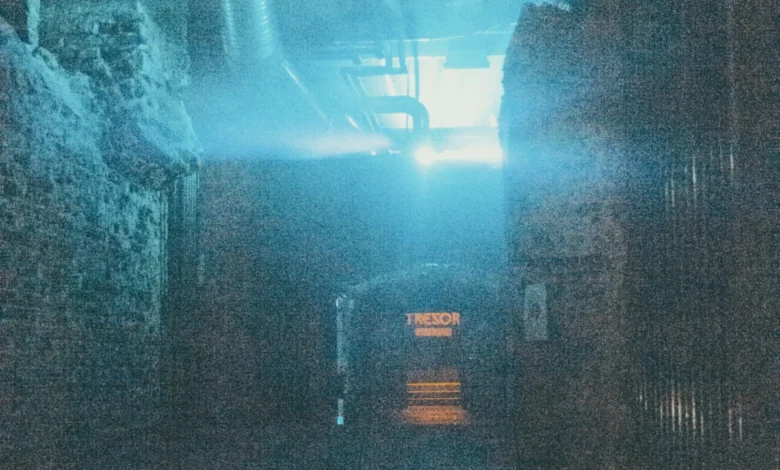
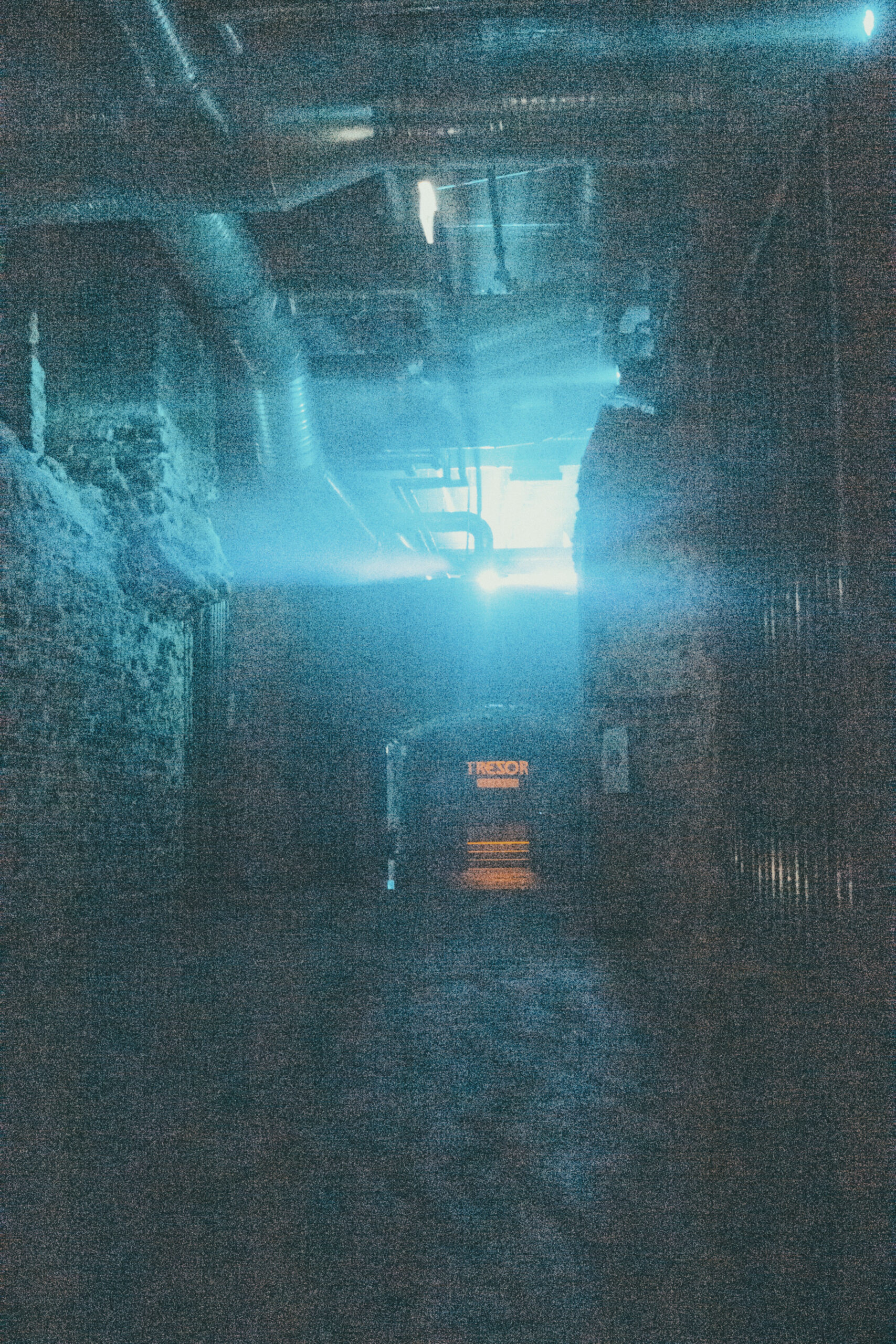
The impending closure of Dortmund’s influential techno institution, Tresor.West, has sent shockwaves through the regional electronic music community. As the calendar counts down to the final events scheduled for the end of 2026, the future of the subterranean space located beneath the iconic Phoenixhalle has remained a subject of intense speculation. However, recent statements from the building’s owner, Alexander Richter, have provided the first concrete indications that the venue’s history as a hub for nightlife may continue beyond the departure of its current operators.
A New Chapter for the Phoenixhalle Basement
In a recent dialogue with the Ruhr Nachrichten, Alexander Richter addressed the uncertainty surrounding the space, expressing a clear desire to see the venue remain a home for music and culture. Richter, who is deeply embedded in the German cultural landscape as a co-founder of the Warsteiner Music Hall and the booking agency Four Artists, emphasized his optimism regarding the transition.
"I believe we will be able to secure a sensible and sustainable future for the location," Richter noted. His vision involves finding a young, ambitious operator capable of inheriting the existing infrastructure—a significant advantage for any prospective club owner, given the high costs and logistical complexities associated with building high-end acoustic and sound-dampening systems from scratch. Richter confirmed that while nothing is finalized, active discussions are underway with at least two potential parties interested in taking over the space.
The Evolution of the Phoenix-Gelände
The site housing Tresor.West is no stranger to transformation. The area, once a center of heavy industry, has undergone a radical metamorphosis over the last decade. The Phoenixhalle itself, which opened in 2018 with a high-profile performance by the German hip-hop legends Die Fantastischen Vier, was initially envisioned as a major concert venue. Richter, who played a pivotal role in the development of the venue alongside the band, saw the space become a temporary focal point for the regional music industry.
However, the global disruptions caused by the COVID-19 pandemic necessitated a shift in strategy. The concert business, which relied on large-scale indoor gatherings, struggled to regain momentum in the post-pandemic landscape. This led to the pivot in late 2023, when the hall transitioned into its current iteration as Phoenix des Lumières, a digital art exhibition space that has since attracted a broader, tourist-oriented demographic. Amidst these changes, the basement—home to Tresor.West—remained a bastion for the underground techno scene, acting as a crucial cultural anchor in a part of the city defined by its industrial heritage.
A Timeline of Tresor.West
The history of Tresor.West is relatively short but highly impactful in the context of German club culture:
- November 2019: The club officially opens its doors under the leadership of Dimitri Hegemann, the visionary founder of the legendary Berlin Tresor club. The opening marked a significant bridge between the techno traditions of Berlin and the industrial heart of the Ruhr area.
- 2020–2022: Like all venues, the club faces the existential threat of the pandemic, surviving through creative adaptations and government support programs aimed at preserving cultural infrastructure.
- 2023: The parent site, the Phoenixhalle, pivots to become a digital art venue, changing the immediate surrounding environment of the basement club.
- October 2026: The official announcement is made that Tresor.West will cease operations at the end of the year, sparking a search for new management.
- End of 2026: The current lease agreement is scheduled to conclude, with the space entering a transition phase.
The Significance of Infrastructure in Club Culture
For the electronic music scene, the potential preservation of the club’s interior is a crucial detail. Modern techno clubs require sophisticated sound insulation, specialized electrical wiring for DJ booths and lighting rigs, and specific interior layouts designed to manage crowd flow and safety. If the next operator were forced to strip the space, the cost of re-equipping the venue could reach hundreds of thousands of euros.
Richter’s desire to keep the existing infrastructure intact suggests an appreciation for the club’s role as an established venue. This approach aligns with broader trends in European urban development, where city planners and landlords are increasingly recognizing that cultural spaces cannot be treated as generic commercial real estate. When a club closes, the community—and the cultural capital it creates—is often lost forever; retaining the space as a venue preserves that continuity.
The Broader Impact on the Dortmund Scene
Dortmund, long considered a secondary market compared to Berlin or Cologne, has fought hard to establish its own identity in the techno circuit. Tresor.West provided the city with a venue that adhered to the high standards of the global techno elite. Its closure represents a loss of professional infrastructure that is hard to replace.
Industry analysts point out that the success of the next iteration of the club will depend heavily on the balance between professional management and the preservation of the "underground" spirit. A new operator will need to demonstrate that they can respect the legacy of the space while simultaneously appealing to a younger, evolving generation of club-goers. The "two potential uses" mentioned by Richter remain a mystery, but industry insiders speculate that the proposals likely involve either a continuation of the club model or a hybrid concept that might integrate daytime cultural programming with nighttime events.
The Role of Dimitri Hegemann
Dimitri Hegemann, a titan of the German electronic music scene, has remained a steady hand throughout this transition. Reports indicate that he will remain the tenant of the space until a final agreement with a successor is reached, ensuring that the venue does not sit vacant. This period of "controlled transition" is vital to preventing the degradation of the facilities. Hegemann’s involvement has also served as a signal to the community that the process is being handled with professional care, rather than a sudden eviction.
Economic and Cultural Implications
The closure of such venues often highlights the precarious nature of nightlife economies. Clubs are frequently caught between rising commercial rents and the need to keep door prices accessible for their core audience. In Dortmund, the Phoenix area is becoming increasingly premium, with surrounding developments potentially increasing the value of the land. This often creates pressure on nightlife operators who operate on thin margins.
However, Richter’s stance is a rare example of a property owner acknowledging the value of the "nightlife anchor." By actively seeking a partner who fits the space, the owner is effectively subsidizing the future of the local music scene. If a new, successful operator is found, the venue could serve as a model for how to integrate nightlife into modern, multi-use urban districts—a challenge that cities across Europe are currently grappling with.
Looking Ahead: What to Expect in 2027
As the industry looks toward 2027, the primary question remains: will the new venue be a spiritual successor to Tresor.West, or will it strike a completely new path? The "fit" that Richter describes implies a need for an operator who understands the unique acoustic signature of the Phoenixhalle basement and the expectations of the local scene.
Furthermore, the broader clubbing landscape in Germany is currently facing a myriad of challenges, from rising operational costs to the need for stricter "awareness" policies and inclusive programming. Any new operator will be expected to address these modern standards. Whether the venue continues to operate under the "Tresor" brand or transitions into a new independent entity remains to be seen.
For the time being, the news from the owner is cautiously optimistic. The community is watching closely, hoping that when the dust settles, the basement beneath the Phoenixhalle will once again be a place where the beat continues to resonate, proving that even in the face of transition, the heart of the city’s underground culture remains resilient. The upcoming months will undoubtedly be defined by the selection process, and for the club-goers of Dortmund, the hope remains that the final chapter of 2026 is merely a preface to a new, vibrant future.