The Future of Artistic Expression in Saxony-Anhalt Hangs in the Balance as Election Approaches

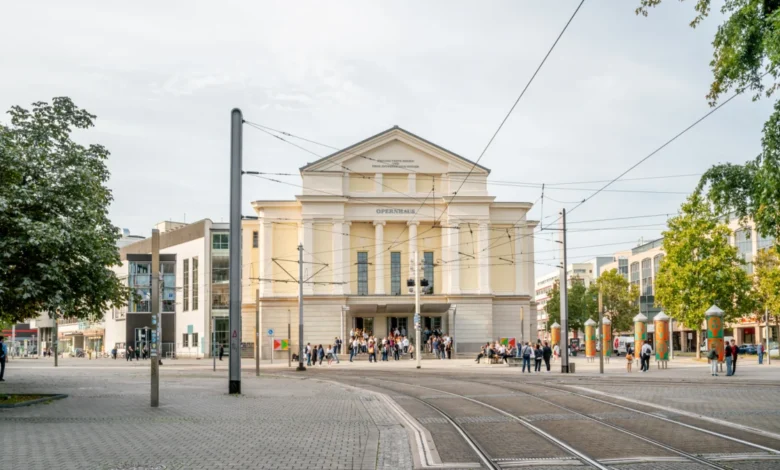
The political landscape of Saxony-Anhalt is currently defined by an unprecedented shift in voter sentiment, with the far-right Alternative for Germany (AfD) party polling at nearly 43 percent ahead of the September 6 state election. This surge in support has sent shockwaves through the cultural sector of the former East German state, where institutions like Theater Magdeburg have become focal points for debates over public funding, the role of avant-garde expression, and the limits of state-sponsored art. As the AfD moves closer to potentially leading the state government, the artistic direction championed by Swiss director Julien Chavaz faces an existential test, with the party’s platform explicitly targeting "woke" and "international" programming for potential budget cuts or administrative restructuring.
The Political Climate in Saxony-Anhalt
The upcoming election in Saxony-Anhalt is viewed by political analysts as a critical barometer for the health of democratic institutions in Germany’s eastern states. For years, the region has been a stronghold for populist movements, fueled by a complex mix of historical economic transition, demographic challenges, and perceived alienation from the political establishment in Berlin. The AfD, which has long campaigned on a platform of traditionalist values and cultural preservation, has successfully channeled this sentiment into significant electoral momentum.
According to recent polling data, the party has effectively consolidated its base, appealing to voters who feel that contemporary cultural institutions have drifted too far toward globalist or progressive agendas. This specific tension is not new to German politics, but the scale of the AfD’s potential influence in Saxony-Anhalt marks a departure from previous cycles where the party functioned primarily as an opposition force rather than a prospective governing authority.
Theater Magdeburg: A Beacon of Avant-Garde
Under the leadership of Julien Chavaz, Theater Magdeburg has earned a reputation for programming that is strikingly ambitious for a city of its size. Chavaz, who assumed his role with a mandate to modernize and internationalize the house, has consistently pushed the boundaries of the traditional opera and theater repertoire. The world premiere of Gerald Barry’s "Salome" in March 2025 served as a definitive example of this approach, characterized by a bold, experimental aesthetic that challenged local audiences and drew national critical attention.

For proponents of the arts, the theater’s work is a vital component of the city’s identity, acting as a laboratory for intellectual discourse and creative risk-taking. However, these same attributes are precisely what the AfD has targeted in its manifestos. The party’s platform argues that state-funded institutions have a duty to reflect the "traditional cultural values" of the local population. Consequently, the theater’s reliance on public subsidies—which account for the vast majority of its operational budget—makes it inherently vulnerable to shifts in political power.
A Chronology of Growing Tensions
The friction between political actors and cultural institutions in Saxony-Anhalt has been building for several years:
- 2023–2024: Increased parliamentary questioning by AfD representatives regarding the specific content and thematic focus of state-funded theater productions.
- March 2025: The premiere of "Salome" sparks heated local debate; while critics praise the production’s innovation, political critics label it an example of "disconnected elitism."
- Summer 2026: Public polling shows the AfD surging toward the 43 percent mark, prompting widespread concern among theater staff and administrators regarding the stability of their contracts and creative freedom.
- September 6, 2026: The scheduled date for the state election, which will determine the composition of the Landtag and the future of regional cultural funding.
The Financial and Structural Implications
The threat to Theater Magdeburg is primarily fiscal. Should the AfD secure a dominant position in the state legislature, the party could move to audit the theater’s programming under the guise of "efficiency" or "value-based" budgeting. Such a move would likely involve a transition toward more conservative repertoire, a reduction in international collaborations, and a potential purge of leadership positions currently held by those viewed as sympathetic to progressive ideologies.
Economists and cultural administrators note that such a shift would have immediate repercussions. Theater Magdeburg is a major employer in the region, and a drastic change in its artistic mission could lead to a "brain drain," with talented performers and technicians relocating to cities with more stable or supportive cultural environments. Furthermore, the loss of experimental programming could diminish the city’s profile as a cultural destination, impacting tourism and the broader local economy.
Official Responses and Institutional Resilience
While the AfD maintains that its policies are designed to restore "cultural sovereignty" to the citizens of Saxony-Anhalt, the arts community has responded with calls for the protection of institutional independence. The German Cultural Council (Deutscher Kulturrat) has repeatedly emphasized that artistic freedom is a constitutional pillar of the Federal Republic. While they acknowledge the democratic mandate of political parties, they argue that the state’s role is to facilitate art, not to dictate its aesthetic or ideological content.
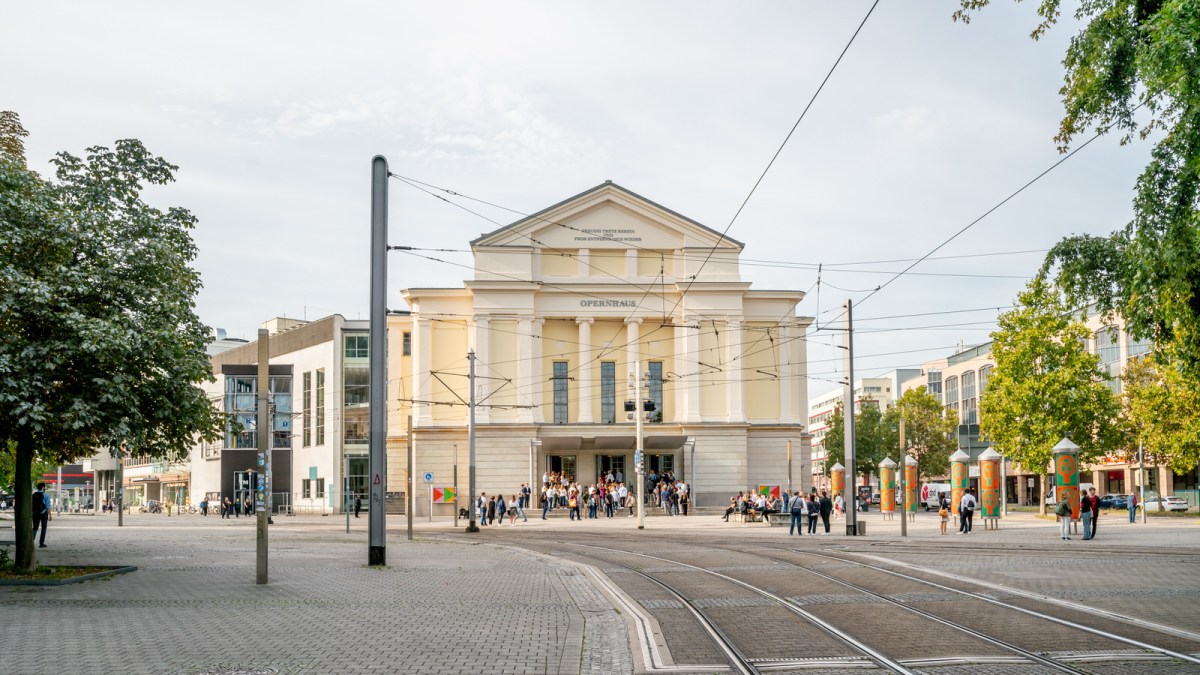
Internal sources at Theater Magdeburg report a climate of uncertainty. Staff members are increasingly focused on contingency planning, though they remain constrained by the reality that their primary funding source remains tied to the state’s political executive. Julien Chavaz and his colleagues have continued their work with a sense of defiance, arguing that the theater’s role is precisely to hold a mirror to society, even when that society is undergoing turbulent political shifts.
Broader Implications for German Culture
The situation in Saxony-Anhalt is being closely watched by cultural institutions across Germany. If the AfD succeeds in implementing its cultural platform, it could set a dangerous precedent for other states. The debate is no longer merely about budget allocation; it is a fundamental disagreement over the purpose of public art. Should the state dictate the boundaries of what is "appropriate" for a taxpayer-funded stage, the concept of the Kulturnation—a nation defined by its vibrant, independent, and critical cultural heritage—could face a significant erosion.
As the September 6 election date approaches, the mood in Magdeburg is one of tense anticipation. The citizens will effectively be choosing not just a government, but a vision for the cultural identity of their state. Whether the experimental spirit of Theater Magdeburg survives the political headwinds will depend on the election results and the subsequent legal and social pressures that will inevitably follow. For now, the theater remains a site of both intense creativity and profound anxiety, representing the wider struggle between democratic pluralism and the rising tide of ideological polarization in contemporary Europe.