DJ Mag and Bridges for Music Renew Partnership for Landmark Top 100 DJs Fundraising Initiative

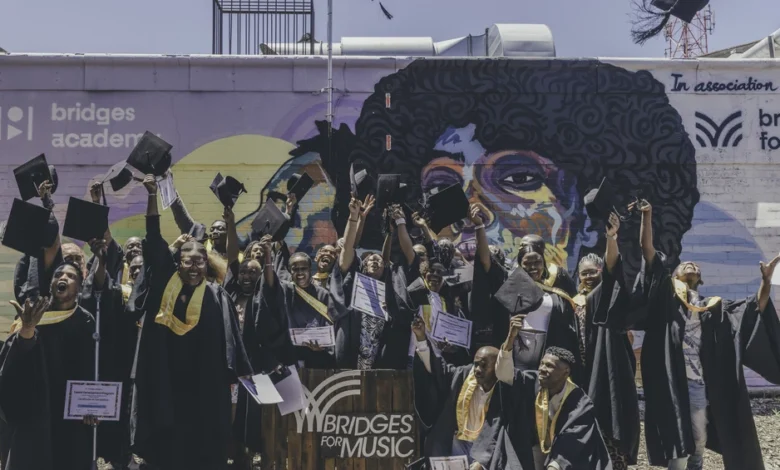
The electronic dance music industry is once again demonstrating the power of collective philanthropy as DJ Mag officially announces the return of its collaborative fundraising campaign with the non-profit organization Bridges for Music. Following the record-breaking success of the previous year’s initiative, which secured over £170,000 for creative education, this year’s campaign aims to leverage the global influence of the Top 100 DJs poll to provide life-changing opportunities for young people in South Africa. By inviting every artist featured in the 2026 rankings to sponsor the education of students at the Bridges for Music Academy in Langa, the initiative seeks to turn industry prestige into a tangible vehicle for social mobility and professional development.
The Evolution of the Partnership
The relationship between DJ Mag and Bridges for Music has become a cornerstone of the magazine’s corporate social responsibility strategy. Bridges for Music, founded in 2013 by Valentino Barrioseta, has long operated on the principle that the music industry—an industry characterized by its global reach and economic scale—has a unique capacity to facilitate social change. The organization focuses its efforts on Langa, one of the oldest townships in Cape Town, where access to creative resources and formal vocational training remains a significant barrier for young residents.
The partnership with the Top 100 DJs poll—the most widely recognized and debated ranking in the electronic music world—serves as a bridge between the world’s most successful artists and those in communities where talent is abundant but resources are scarce. Last year’s campaign set a high benchmark, with 42 artists from the poll contributing a combined £170,832. This figure represents the largest single fundraising success in the history of the non-profit, providing the academy with the necessary capital to expand its curriculum and enhance its physical facilities.
A Call to Action from the Global Stage
The 2026 campaign was inaugurated by a significant endorsement from David Guetta, the reigning world number one DJ. Guetta, who has maintained a dominant presence in the electronic scene for decades, provided an early donation to kickstart the fundraising efforts. His involvement serves as more than just a financial contribution; it acts as a signal to the wider artist community that the Top 100 platform should be utilized for advocacy and social progress.
"I’m proud to be the first DJ to get behind this year’s campaign," Guetta remarked in a statement following the launch. "Being part of this community comes with a responsibility to give something back, and if we can help young people build a future through music and creativity, that’s a beautiful thing." His call to action encourages his peers—many of whom command seven-figure performance fees and possess massive global platforms—to consider the long-term impact of their success on those currently striving to enter the creative sector.
Educational Infrastructure: The Langa Model
At the heart of this initiative is the Bridges for Music Academy. Unlike traditional music schools that may focus solely on theory or performance, the Academy offers a holistic approach designed to prepare students for the modern creative economy. The curriculum integrates technical music production and DJ training with essential professional skills, including digital literacy, entrepreneurship, marketing, and the business of music.
The objective is to equip students from under-resourced backgrounds with the competitive edge needed to navigate a notoriously difficult industry. By providing access to high-quality software, studio time, and mentorship from industry professionals, the academy aims to bridge the "opportunity gap." For many students, the program represents a rare pathway into a career that would otherwise be inaccessible due to the high cost of equipment and lack of networking opportunities.
Data and Impact: Quantifying the Difference
The financial success of the previous campaign has had quantifiable effects on the Academy’s operations. The funds raised last year allowed Bridges for Music to stabilize its recurring programs and scale its intake of students. By securing this funding, the organization has been able to lower the barrier to entry for applicants, ensuring that talent, rather than financial standing, remains the primary criterion for admission.
Industry analysts note that such campaigns are becoming increasingly vital as the electronic music industry faces scrutiny regarding its inclusivity. While the industry generates billions in annual revenue, the pathways for marginalized youth to enter the professional ecosystem remain limited. The partnership with DJ Mag addresses this by institutionalizing the act of giving within the annual cycle of the Top 100 DJs poll. When artists participate, they are not only donating funds; they are endorsing a model of sustainable development that prioritizes local capacity building over temporary charity.
Leadership Perspectives
Simon Kelly, the Chief Operating Officer of DJ Mag, has emphasized the sense of pride felt across the organization regarding the continuity of this project. According to Kelly, the success of the initiative is a reflection of a broader shift in the electronic music community. "Everyone at DJ Mag feels incredibly proud of what we achieved with Bridges for Music last year," Kelly stated. "Seeing artists from across the dance music spectrum come together to fund education for young people from under-served communities shows what our industry can achieve together."
This sentiment is echoed by Valentino Barrioseta, who sees the campaign as a psychological bridge as much as a financial one. "The incredible success from last year’s campaign not only helped reach many more students and strengthen our programs, but it also sent a wave of optimism and hope to young people who felt seen and heard by the best DJs in the world," Barrioseta noted. The validation provided by global superstars acknowledging the students’ existence and potential is, according to the founder, an intangible asset that boosts student engagement and morale.
Broader Implications for the Music Industry
The collaboration between a media entity like DJ Mag and a grassroots NGO like Bridges for Music provides a blueprint for how other sectors of the entertainment industry might approach their social obligations. In an era where fans and consumers increasingly expect transparency and social consciousness from their favorite artists and brands, this campaign serves as a high-visibility example of effective corporate-social synergy.
The integration of the fundraising drive into the Top 100 DJs poll cycle ensures that the initiative remains front-of-mind for the industry’s most influential figures during the period of maximum visibility. By creating a formalized process for donations, the organizers have reduced the friction often associated with charitable giving, allowing artists to support the academy with minimal logistical burden.
Looking Toward the Future
As the 2026 campaign gains momentum, the focus remains on encouraging a wider breadth of participation. The goal is to move beyond a handful of headline donors and reach a tipping point where the majority of the Top 100 contributors are actively sponsoring students. Such a shift would not only ensure the long-term financial viability of the Langa Academy but could also catalyze the establishment of satellite programs or similar initiatives in other regions.
The implications for the music industry are significant. As these students graduate and enter the workforce, they contribute to the diversification of the creative sector, bringing unique perspectives and regional influences to the global stage. By investing in the talent of tomorrow, the current generation of DJs is ensuring the longevity and continued evolution of the very culture that has brought them their own success.
The campaign is currently active, and the progress of the fundraising can be monitored via the official Bridges for Music portal. For the artists involved, the opportunity to contribute is presented as a celebration of their professional milestones—a way to mark their inclusion in the prestigious Top 100 list by enabling someone else to start their own journey. As the industry watches the poll results unfold, the true success of this year’s initiative will be measured not in ranking numbers, but in the number of students who receive the education and support required to pursue their creative ambitions.
Ultimately, the DJ Mag and Bridges for Music initiative stands as a testament to the fact that entertainment and social progress are not mutually exclusive. By aligning the prestige of the Top 100 DJs with the educational mission of the Langa Academy, the organizers have created a durable and meaningful framework for change that will likely continue to influence the industry for years to come. Supporters and interested parties are encouraged to visit the campaign website to learn more about the specific needs of the students and the ongoing work being conducted on the ground in South Africa.