Robert Ames steps down from London Contemporary Orchestra amid call for industry reform regarding working-class access

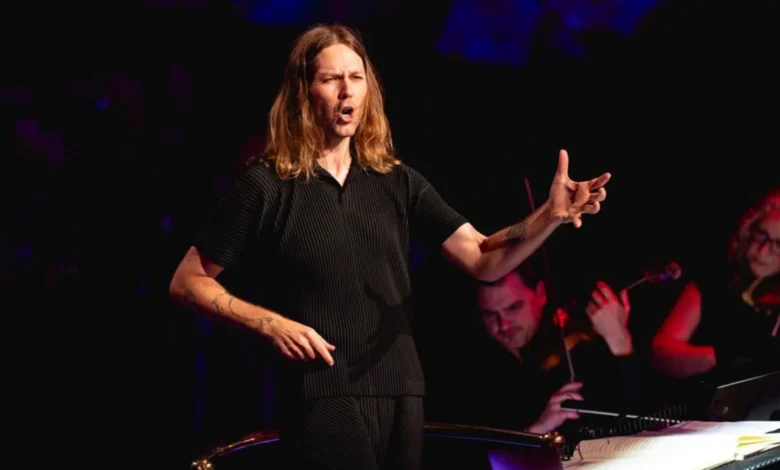
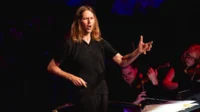
The departure of Robert Ames from the London Contemporary Orchestra (LCO) marks the end of an eighteen-year tenure that fundamentally reshaped the landscape of contemporary classical music in the United Kingdom. Ames, who co-founded the ensemble in 2008, served as both co-artistic director and co-principal conductor, steering the group from its experimental roots into a position of international prominence. His resignation, announced in early September 2026, serves as a significant inflection point for the organization, but the public discourse surrounding his exit has shifted quickly from the administrative transition to the broader socio-economic challenges facing modern orchestral musicians.
In a poignant op-ed published in The Guardian, Ames articulated a departure from his previously private stance on industry politics. By highlighting the systemic barriers facing working-class artists, he has forced a conversation within the classical music sector regarding the sustainability of the profession for those outside of privileged socioeconomic backgrounds.
A Legacy of Innovation and Collaboration
To understand the magnitude of Ames’s departure, one must examine the trajectory of the LCO. Established in 2008, the orchestra was built on a mission to democratize new music. Early programming focused on complex, demanding works by composers such as Mark-Anthony Turnage, Kaija Saariaho, and Iannis Xenakis. This commitment to intellectual rigor earned the group critical acclaim, but it was their willingness to bridge the gap between avant-garde classical traditions and popular music that transformed them into a cultural powerhouse.
Under the leadership of Ames and his co-founders, the LCO became the primary collaborator for high-profile artists seeking orchestral arrangements. Their work with Radiohead—most notably on the album A Moon Shaped Pool—served as a blueprint for how an orchestral group could maintain artistic integrity while engaging with the commercial music industry. Throughout the 2010s and 2020s, the LCO’s touring schedule became increasingly global. At the time of his resignation, Ames was in the midst of a multi-leg tour with the Icelandic post-rock band Sigur Rós, a collaboration that highlights the conductor’s versatility and the group’s massive reach. By his own account, he has conducted nearly 100 performances with the band, cementing the LCO’s reputation as a genre-fluid institution.
The Catalyst for Change: A Call for Structural Reform
The primary motivation behind Ames’s public statement centers on the decline of accessibility within the orchestral world. In his recent writing, Ames noted that while the LCO was founded to provide opportunities for emerging talent, the economic realities of the industry have made it increasingly difficult for musicians from non-wealthy backgrounds to sustain a career.
This critique is supported by mounting data regarding the "class ceiling" in the creative arts. Studies from the Creative Industries Policy and Evidence Centre have consistently shown that individuals from working-class backgrounds are underrepresented in the arts, particularly in roles that require lengthy, unpaid, or low-paid training periods—the traditional path for professional orchestral musicians. The high cost of conservatoire tuition, combined with the rising cost of living in London, creates a financial filter that systematically excludes those who cannot rely on family subsidies.
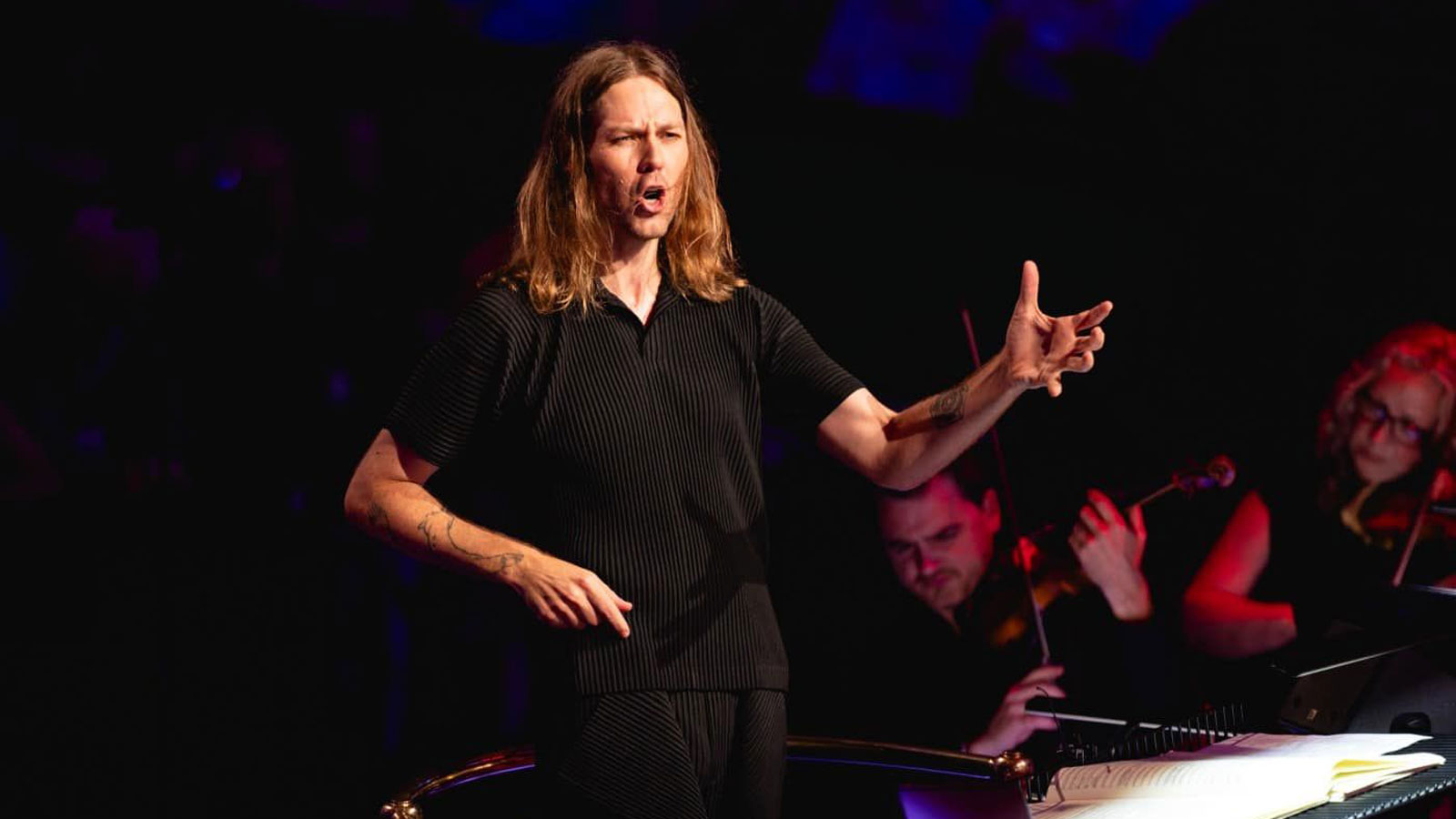
Ames’s argument posits that the decline of these opportunities is not merely a consequence of market forces, but a result of a lack of institutional focus on social mobility. By stepping down, he intends to use his platform to advocate for more robust support systems, including subsidized training, transparent audition processes, and better pay structures for freelance players, who constitute the backbone of the contemporary orchestral scene.
Timeline of the London Contemporary Orchestra
- 2008: The London Contemporary Orchestra is founded, focusing on contemporary compositions and experimental performance spaces.
- 2010–2015: The group establishes itself as a leading force in the UK contemporary scene, performing works by major living composers.
- 2016: A landmark year for the LCO, marked by high-profile collaborations with Radiohead, elevating the group to international status.
- 2018–2022: The orchestra expands its global reach, engaging in world tours and film score recordings, including work for major motion pictures.
- 2026 (September): Robert Ames announces his resignation as co-artistic director and co-principal conductor, concurrently publishing an op-ed addressing systemic class barriers in the arts.
Institutional Implications and Industry Response
The reaction to Ames’s departure has been mixed but largely supportive, with many within the industry acknowledging that his critique addresses an "open secret." The LCO has yet to announce a formal successor, and the organization faces the dual challenge of replacing a visionary leader while navigating the political shift he has initiated.
From a structural perspective, the LCO now stands at a crossroads. The organization must decide whether to continue the trajectory of high-profile commercial collaborations—which often provide the revenue necessary to sustain the orchestra—or to pivot toward a more mission-driven model that prioritizes the economic welfare of its musicians.
Industry analysts suggest that Ames’s departure could act as a catalyst for other major orchestras to review their internal policies. If a leader as established as Ames deems the current model untenable for the working class, it places pressure on state-funded arts bodies, such as the Arts Council England, to justify current funding models that may inadvertently prioritize legacy institutions over grassroots, socially inclusive initiatives.
Broader Impact: The Future of Orchestral Musicianship
The "quintessential London freelancer" archetype that Ames once embodied—characterized by a mix of high-level talent and the perpetual "hustle" required to survive—is increasingly viewed as a relic of a more affordable era. The modern reality involves significant debt, a lack of job security, and the rising cost of instruments and travel.
Ames’s shift from the conductor’s podium to the public stage as an advocate marks a transition that may prove more influential than his musical contributions alone. By centering the conversation on class, he has challenged the notion that artistic excellence is independent of social equity. For the LCO, the coming months will be a test of their institutional resilience. For the broader orchestral world, the debate initiated by Ames is likely to persist as long as the cost of entry remains a significant barrier to entry for the next generation of talent.
As Ames continues his professional duties, including his commitments to the Sigur Rós tour, his exit from the LCO serves as a reminder that even the most successful organizations are not immune to the societal pressures affecting their creative workforce. His legacy will likely be measured not only by the programs he curated or the scores he conducted, but by the extent to which he successfully shifted the focus of the classical music establishment toward the democratization of the profession. The industry now awaits the LCO’s next move, and more broadly, whether other leaders in the field will follow Ames in articulating the need for a more equitable future for the orchestral arts.