Elements Music & Arts Festival: Cultivating Community and Immersive Experiences Amidst Exponential Growth

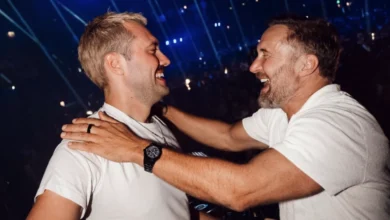
As the Elements Music & Arts Festival prepares for its highly anticipated return to Long Pond, Pennsylvania, from August 7-9, the independent event continues to captivate audiences with its unique blend of music, art, and community. What began as an intimate Brooklyn warehouse party over a decade ago has organically transformed into one of the country’s premier camping festivals, all while fiercely safeguarding its community-first roots and participatory ethos. Ahead of this year’s edition, Dancing Astronaut engaged with Elements co-founder Brett Herman and general manager Dan Slutsky to delve into the festival’s remarkable evolution, the exciting new additions planned for attendees, and the overarching vision propelling Elements into its future iterations.
From Brooklyn Warehouse to Premier Camping Destination: A Decade of Evolution
The journey of Elements Music & Arts Festival is a compelling narrative of organic growth driven by a clear artistic vision. Founded in 2013 as a series of clandestine warehouse parties in Brooklyn, the event quickly garnered a loyal following drawn to its curated soundscapes and vibrant, underground atmosphere. These early gatherings laid the foundational spirit of community and artistic exploration that would become the festival’s hallmark. Recognizing the burgeoning demand and the limitations of urban venues, Elements transitioned to an outdoor camping format around 2017, seeking expansive natural settings that could accommodate its ambitious artistic and experiential aspirations. This strategic shift allowed the festival to blossom, expanding its footprint, integrating larger-scale art installations, and fostering the multi-day immersive experience it is known for today. The choice of Long Pond, Pennsylvania, provided a picturesque natural backdrop, allowing for the creation of distinct themed "Elements" stages and zones, each contributing to a cohesive yet diverse festival landscape. This geographical relocation marked a pivotal moment, enabling Elements to evolve from a series of events into a comprehensive, destination festival, attracting tens of thousands of attendees annually who seek an alternative to more mainstream offerings. The continuous growth, however, has been meticulously managed to ensure that the original spirit—a blend of curated music and profound community engagement—remains at its core, a testament to the founders’ unwavering commitment.
The Elements Ethos: A Deep Dive into Participatory Culture
What truly distinguishes Elements from its contemporaries is its deeply ingrained participatory culture, a philosophy that places the attendee not merely as a spectator but as an active co-creator of the experience. Co-founder Brett Herman, drawing from his extensive 20-year history attending Burning Man, openly acknowledges the profound influence of that iconic event’s principles on Elements. "Elements is very much a music and arts festival. It even started more as a party specifically than a festival, so we’ve always tried to keep the experience and the non-music things at the forefront," Herman explains. This dedication to non-musical elements ensures that art, performance, and interactive experiences are not just supplementary but integral to the festival’s identity.
The ambition, Herman elaborates, is to cultivate an environment where "you feel like you’re a part of the culture and the fabric of the event versus just looking at a stage and being a guest. The whole design of the experience really puts you in the driver’s seat." This ethos manifests most vividly in the festival’s unique Vibe Village culture. General Manager Dan Slutsky describes Vibe Village as "essentially our version of group camping," but it transcends typical campground setups. Here, attendees are actively encouraged to bring their own creative contributions, transforming their campsites into dynamic micro-festivals within the larger event. Participants erect full-scale stages, construct elaborate art installations, or conceptualize "wacky interactive experiences." This level of engagement, Slutsky notes, mirrors the radical self-expression and communal effort found at Burning Man, yet it is seamlessly integrated into a large-scale music festival featuring major production values. The Vibe Village is not just a place to sleep; it’s a living, breathing extension of the festival’s artistic spirit, fostering spontaneous interactions and unexpected discoveries that enrich the overall journey for everyone present. This focus on co-creation and community building solidifies Elements’ distinct identity in a crowded festival landscape, ensuring that as it grows, its soul remains deeply rooted in the collective creativity of its attendees.
Innovations and Enhancements for the Latest Edition
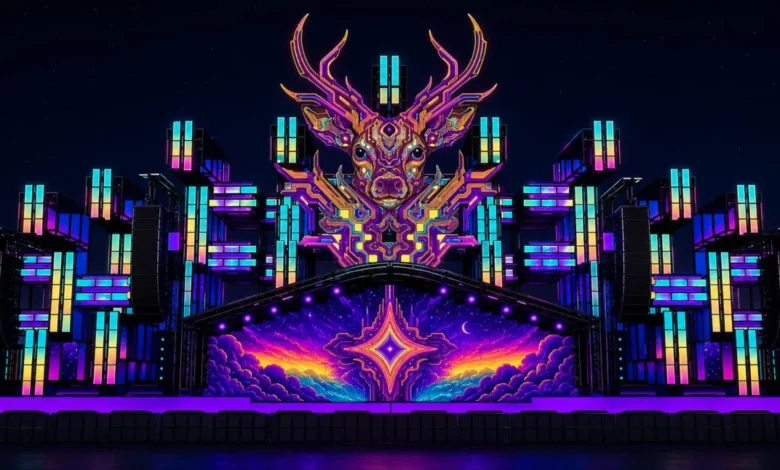
For the upcoming 2026 edition, Elements is poised to unveil a series of significant innovations and enhancements designed to elevate the attendee experience across all touchpoints. Dan Slutsky detailed some of the most anticipated upgrades, highlighting a relentless pursuit of improvement that extends beyond the musical lineup. A major focus has been placed on the festival’s visual and atmospheric elements, with "entirely new Fire and Earth stage designs that we’ve been working on all year." These redesigned stages promise to deliver fresh aesthetic experiences and enhanced production capabilities, further immersing attendees in the festival’s elemental themes. Such significant investments in infrastructure underscore Elements’ commitment to pushing creative boundaries and delivering spectacle.
Beyond the visual grandeur, Elements is meticulously refining the operational aspects of the festival. Acknowledging that a seamless experience is paramount, the team has established a brand-new Guest Relations department. This dedicated department is tasked with ensuring "every interaction—from the website and social media to entering the campgrounds and leaving the festival—is as seamless as possible." This proactive approach to guest services addresses common pain points associated with large-scale events, signaling a maturing operational strategy focused on maximizing attendee comfort and satisfaction. The department’s remit will likely include streamlined communication, efficient problem resolution, and a more welcoming atmosphere from arrival to departure, reflecting a holistic understanding of the festival journey.
Further enriching the immersive landscape, Elements is introducing "new art experiences in the woods, new activities, and even a retro-inspired candy shop experience." These additions are carefully curated to foster discovery and wonder, encouraging attendees to explore beyond the main stages and engage with unexpected delights. The new art installations will likely integrate with the natural surroundings, creating magical pathways and hidden spectacles that reward exploration. The expanded activity roster could include workshops, wellness programs, or interactive games, catering to a broader range of interests. The retro candy shop, while seemingly a small detail, exemplifies the festival’s commitment to whimsical "side quests" that add layers of charm and nostalgia to the overall experience, reinforcing the Disneyland-esque attention to detail that the founders aspire to. These thoughtful enhancements collectively demonstrate Elements’ dedication to continuous innovation, ensuring each year offers fresh perspectives and unforgettable moments for its growing community.
Curating the Sonic Journey: A Diverse Lineup Philosophy

The musical heart of Elements beats with a philosophy rooted in collaboration, discovery, and genre diversity, setting it apart from festivals that might lean heavily into a singular sound or a few big-name headliners. General Manager Dan Slutsky elaborated on the meticulous process of talent buying, emphasizing a team-oriented approach. "Our entire team is very collaborative, and that extends to talent buying," he stated. This means that booking decisions are not siloed but rather emerge from a collective passion for music and a keen ear for emerging trends. "We’re constantly listening to new music and looking at artists who are redefining genres," Slutsky added, highlighting a proactive and forward-thinking curation strategy.
Rather than adhering to a rigid genre framework, Elements consciously strives to "create a full spectrum of electronic music." This year’s lineup, for instance, "leaned into everything from UK garage and house to dubstep and harder techno," showcasing a commitment to sonic breadth that appeals to a wide array of electronic music aficionados. This diverse programming ensures that attendees can traverse different sonic landscapes throughout the festival, from the groovy rhythms of house and garage to the heavier basslines of dubstep and the driving intensity of techno. Such a broad palette not only caters to varied tastes but also encourages musical exploration, allowing festival-goers to discover new artists and subgenres they might not typically encounter.
Co-founder Brett Herman underscored the profound joy derived from nurturing nascent talent. "There’s such an explosion of talent right now that it’s impossible to book everyone we’d like to," he noted, acknowledging the competitive landscape of artist booking. However, he stressed, "One of our greatest joys is booking artists who are just at the beginning of what becomes a major career." Herman cited examples like The Chainsmokers and Louis the Child, who performed at Elements early in their careers before achieving global stardom. This foresight in talent scouting not only provides attendees with the opportunity to witness future legends but also reinforces the festival’s reputation as a tastemaker. Complementing this, Slutsky emphasized a vital aspect of their cultural commitment: "We also make it a point to highlight regional artists because supporting talent early in their careers has always been part of our culture." This dedication to local and regional acts provides crucial exposure for developing artists and enriches the festival’s unique sonic identity, further solidifying Elements’ role as a vibrant incubator for electronic music talent.
Navigating the Complexities: The Unseen Challenges of Festival Production
Behind the seemingly effortless magic of Elements lies an immense and complex logistical operation, often compared to the meticulous planning required to construct a temporary city. Co-founder Brett Herman candidly shared insights into the relentless nature of festival production. "Planning really never stops," he revealed, emphasizing that "we’re already working on next year’s festival, and booking starts 14 or 15 months out." This continuous cycle of planning, negotiation, and execution is a testament to the scale of the undertaking. The festival team operates on a multi-year horizon, ensuring continuity and progressive improvements.
The challenges are multifaceted and often invisible to the average attendee. Herman outlined some of the major hurdles: "Behind the scenes, it’s a tremendous amount of work. You’re dealing with weather, vendors, supply chains, rising costs." Weather, in particular, remains an unpredictable variable that can necessitate rapid adjustments to schedules, infrastructure, and safety protocols, demanding extensive contingency planning. Managing a vast network of vendors—from sound and lighting to food and art installations—requires intricate coordination and robust contractual agreements. Global supply chain disruptions, which have become more prevalent in recent years, can impact everything from stage materials to sanitation supplies, requiring creative problem-solving and proactive procurement strategies. Furthermore, the rising costs of labor, materials, and permits continually pressure festival budgets, forcing difficult decisions about resource allocation.
General Manager Dan Slutsky further demystified the often-glamorized industry, stating, "Festivals are a lot harder to produce than most people think. You’re building infrastructure for tens of thousands of people over just a few weeks." This temporary infrastructure encompasses everything from robust power grids and elaborate water systems to waste management and emergency medical facilities, all of which must meet stringent safety and environmental regulations. The sheer volume of logistical detail, from ensuring adequate sanitation ("I know way more about porta-potties than I ever thought I would," Slutsky quipped) to coordinating thousands of staff and volunteers, underscores the operational intensity. Despite these daunting complexities and the lack of glamour, both Herman and Slutsky expressed the profound satisfaction derived from their work. "Our goal is always to deliver the biggest experience possible while keeping the festival accessible," Herman explained, acknowledging the constant balancing act between grand vision and affordability. Slutsky concluded, "It’s incredibly rewarding because we get to create these unforgettable experiences for people," a sentiment that fuels their dedication to overcoming the inherent challenges of bringing such a monumental event to life each year.
A Vision for the Future: Elevating the Immersive Experience
Looking ahead, the long-term vision for Elements Music & Arts Festival is anchored in a philosophy of relentless innovation and an unwavering commitment to elevating the attendee experience. Brett Herman articulated this core principle, stating, "From the very beginning, every party and every festival has had to outdo the last one." This isn’t merely about incremental improvements; it’s a fundamental drive for continuous evolution. Herman clarifies that this growth isn’t solely measured by attendance figures. "Growth is great, but it’s not just about attendance," he emphasized. Instead, the metric for success lies in the qualitative enrichment of the festival experience. "We want every guest to walk away feeling like this year’s experience was even better than the last through bigger productions, better art, more immersive experiences, and all the weird side quests that make Elements unique." This holistic approach to improvement ensures that every aspect, from the grand spectacle of the stages to the intimate artistic discoveries, contributes to a progressively more profound and memorable journey.
Dan Slutsky echoed this sentiment, drawing an insightful analogy to one of the world’s most renowned immersive environments. "I always think about places like Disneyland," he mused. "No matter what your opinion is, you can’t deny how immersive those experiences are and how every detail is considered." This comparison highlights the aspiration for Elements to transcend the conventional festival model, transforming it into a meticulously crafted world where every element, no matter how small, contributes to a cohesive and captivating narrative. The "Disneyland mindset" implies an obsessive attention to detail, a commitment to seamless storytelling, and a desire to evoke a sense of wonder at every turn.
The implications of this vision are significant. It suggests a future where Elements could further integrate technology, expand its interactive installations, and perhaps even introduce more elaborate narrative arcs throughout the festival grounds. The focus on "weird side quests" indicates a desire to foster serendipitous encounters and personalized discoveries, moving beyond scheduled programming to embrace spontaneous magic. This continuous pursuit of heightened immersion and detail positions Elements not just as a music event, but as a pioneering force in experiential entertainment. By prioritizing the quality of the experience over sheer scale, Herman and Slutsky are cultivating a sustainable model for growth, ensuring that Elements remains a beacon for those seeking an unparalleled, deeply engaging, and creatively expansive festival adventure year after year.
Moments That Endure: The Heart of the Elements Experience

When reflecting on the myriad experiences Elements has offered over the years, both Brett Herman and Dan Slutsky converge on a powerful insight: while grand spectacles create initial awe, it’s often the smaller, unexpected moments that forge the most lasting memories. Herman recalled the festival’s historical commitment to a "WTF" factor, a signature element designed to surprise and delight. "Going all the way back to our earliest events, we’ve had BMX riders jumping over fire breathers, the world’s longest wakeboard jump into the Gowanus Canal, skydivers parachuting into VIP, and helicopter experiences," he recounted. These larger-than-life stunts undoubtedly provide thrilling, shareable moments that capture attention and define a sense of audacious creativity. Such feats underscore the festival’s desire to push boundaries and offer unparalleled entertainment.
However, Herman quickly pivoted to what truly resonates with attendees on a deeper level. "But honestly, I think what stays with people are the smaller moments," he observed. "It’s those unexpected interactions, whether it’s meeting someone new or having a spontaneous experience with a performer. Those personal moments are just as powerful, and that’s really what we try to create for everyone who comes to Elements." This focus on human connection and serendipitous discovery speaks to the core of Elements’ community-first philosophy, recognizing that shared experiences, even fleeting ones, often outweigh the impact of a headlining set.
Slutsky wholeheartedly agreed, drawing from his own history as a festival-goer. "As a festival attendee myself, it’s usually not the big headlining set that sticks with you years later. It’s connecting with someone new or stumbling into some weird, unexpected experience in the middle of the woods," he affirmed. This understanding directly informs the festival’s design, ensuring that opportunities for organic interaction and surprise are woven into the fabric of the event. These are the "memories I still have from festivals before I ever worked in the industry," he added, emphasizing the authenticity of this philosophy.
Slutsky then shared a specific, cherished memory that perfectly encapsulates this blend of high-profile talent and intimate surprise: "one of my favorite moments was last year when we convinced Pretty Lights to fly in two days early and do a surprise pop-up set on a renegade bus in the campground. It was completely unannounced, and people just wandered into this once-in-a-lifetime experience." This anecdote highlights the festival’s ability to orchestrate moments of genuine magic, where a globally renowned artist performs in an intimate, unexpected setting, creating an indelible memory for those fortunate enough to stumble upon it. Such moments are not just entertainment; they are transformative experiences that define the unique, personal connection attendees forge with Elements.
Broader Implications: Elements’ Role in the Festival Landscape
The Elements Music & Arts Festival, with its distinctive blend of music, art, and participatory culture, occupies a unique and influential position within the broader festival landscape. Its consistent growth, coupled with an unwavering commitment to its independent and community-driven ethos, offers a compelling model for sustainable festival development. In an era where many large-scale festivals risk homogenization or commercialization, Elements stands out as a testament to the power of a clear vision and a dedicated community.
The festival’s emphasis on immersive art, interactive experiences, and attendee participation provides a crucial alternative to events primarily focused on celebrity lineups. This approach caters to a growing demographic of festival-goers who seek more than just concerts; they desire transformative experiences, opportunities for self-expression, and genuine connection. By fostering the Vibe Village culture and continuously introducing "weird side quests," Elements is not only entertaining but also cultivating a sense of belonging and collective creativity among its attendees. This model helps differentiate it in a competitive market, attracting a loyal following eager for deeper engagement.
Furthermore, Elements’ commitment to supporting emerging and regional artists plays a vital role in the electronic music ecosystem. By providing platforms for new talent alongside established acts, the festival acts as an incubator, contributing to the diversity and evolution of the genre. This focus also has positive economic implications for the region, drawing significant tourism and generating revenue for local businesses in Long Pond, Pennsylvania, and surrounding areas. The extensive logistical challenges of building a "temporary city" for tens of thousands of people also necessitate collaboration with local authorities, emergency services, and a vast network of suppliers, further embedding the festival within the regional economy.
As Herman and Slutsky continue to push the boundaries of what a music and arts festival can be, Elements remains committed to creating an experience that transcends mere entertainment. Its long-term vision, inspired by the meticulous detail of places like Disneyland, implies a future where festivals are not just events but meticulously crafted worlds. This ongoing pursuit of enhanced immersion, coupled with a deep respect for its community-first roots, ensures that Elements’ biggest draw isn’t just its diverse lineup, but the countless, unforgettable memories forged through art, music, and human connection. The festival’s journey from a Brooklyn warehouse party to a premier camping destination serves as a powerful example of how passion, innovation, and a strong sense of community can redefine the possibilities of live experiential events, cementing its legacy as a cultural force that continually redefines the festival paradigm.
Photo Credit: Jamal Eid
Related posts: