Ronnie Wood and His Ammo Band Deliver a Career-Spanning Masterclass During Amsterdam Residency

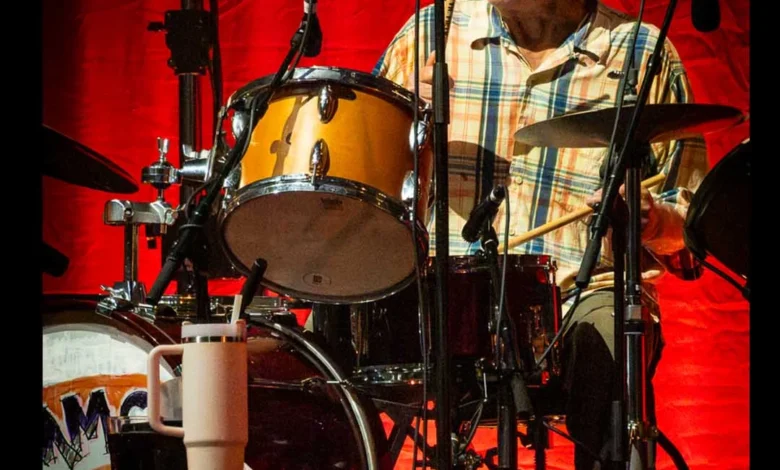
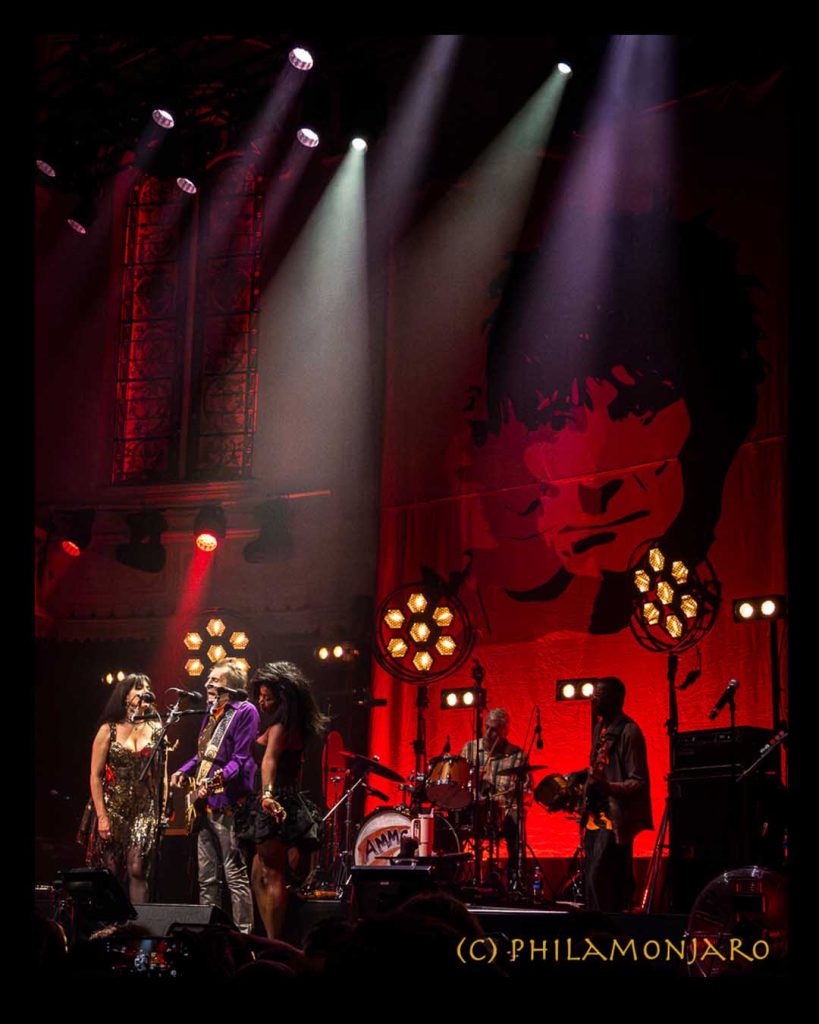
The recent two-night residency at an intimate Amsterdam venue served as a definitive showcase for Ronnie Wood, the legendary guitarist, songwriter, and multi-instrumentalist. Touring in support of his 2025 release, Anthology, Wood and his ensemble, The Ammo Band, curated a performance that functioned as a sonic autobiography, documenting a career that has spanned over six decades. From his formative years in the Jeff Beck Group and The Faces to his long-standing tenure as the “guitar muscle” of The Rolling Stones, the Amsterdam shows provided a comprehensive retrospective of rock and roll history.
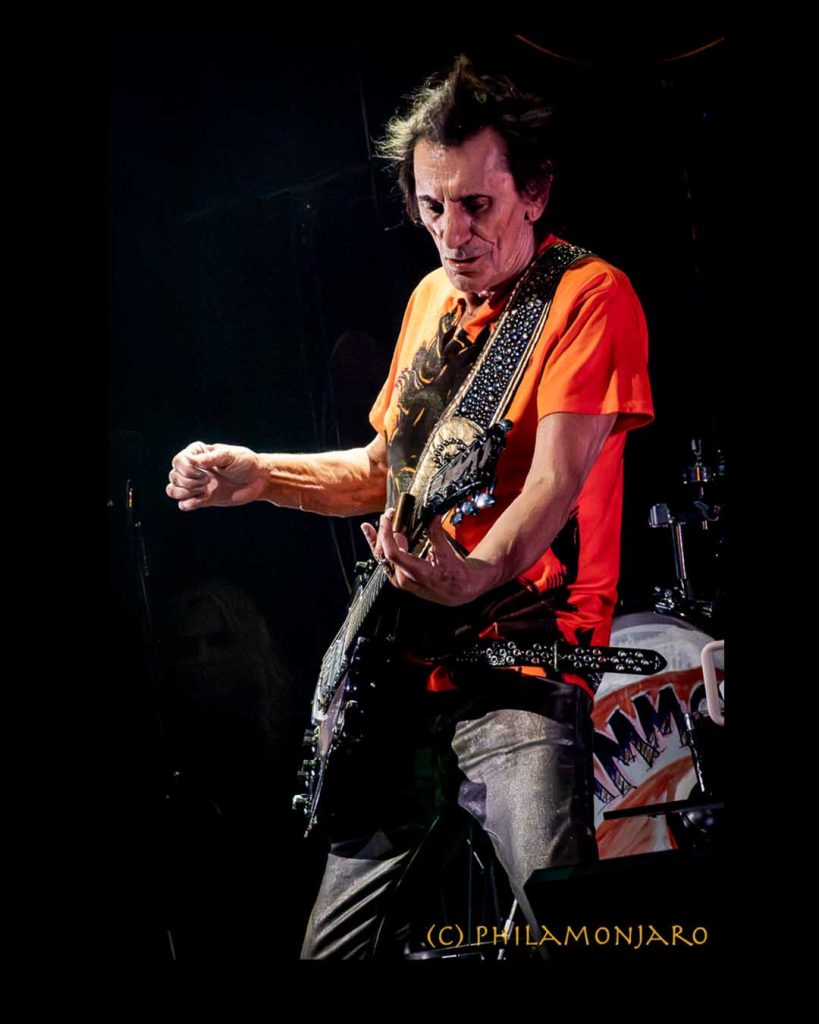
A Career Built on Rhythm and Soul
At 79 years old, Ronnie Wood displayed a level of technical agility and stage presence that defied the traditional expectations of the rock veteran. The setlist was meticulously arranged to reflect the multifaceted nature of his musical evolution. By bookending the performance with “It’s Only Rock and Roll (but I like it)”—a track synonymous with his integration into The Rolling Stones in 1975—and the anthemic Faces classic “Stay With Me,” Wood effectively framed the narrative of his professional journey.
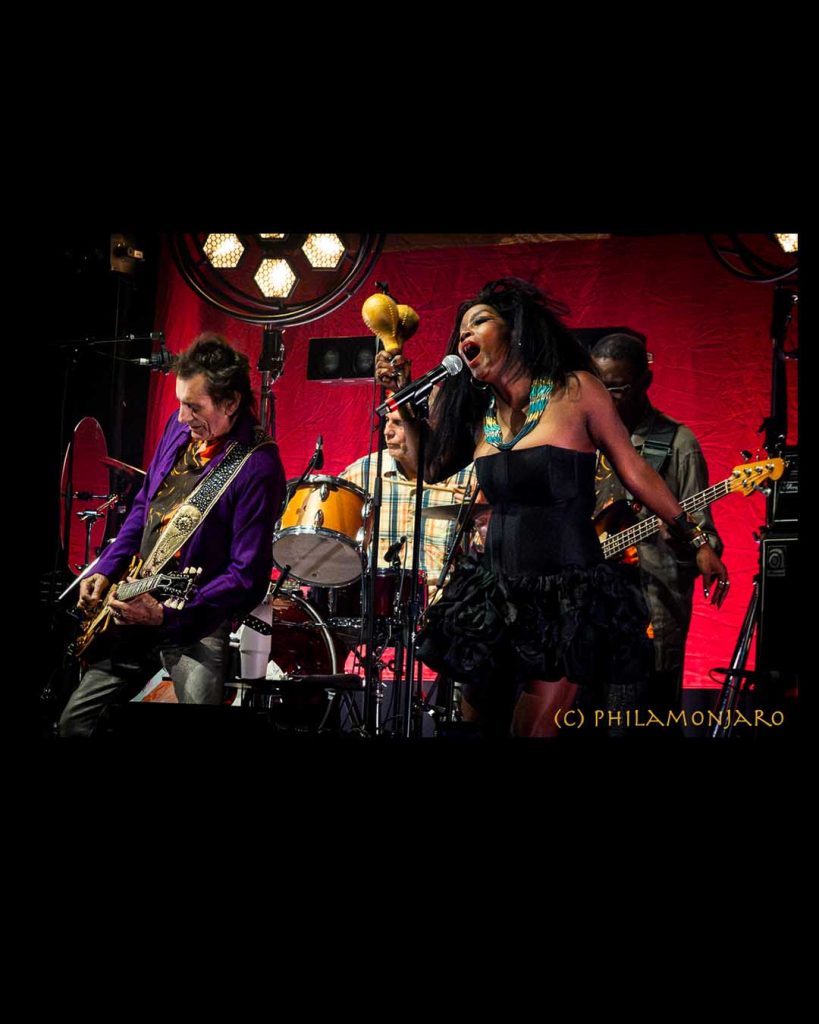
The performance served as a live companion piece to his Anthology project, which serves as a curated archive of his solo work and collaborative efforts. For musicologists and fans alike, the setlist offered a rare glimpse into the deeper cuts of his catalog. Tracks like “Gasoline Alley” and “Flying” highlighted his roots-rock foundations, while selections from his solo repertoire, such as “Seven Days” and “Am I Grooving You,” showcased his ability to blend blues, soul, and R&B sensibilities.

The Anatomy of The Ammo Band
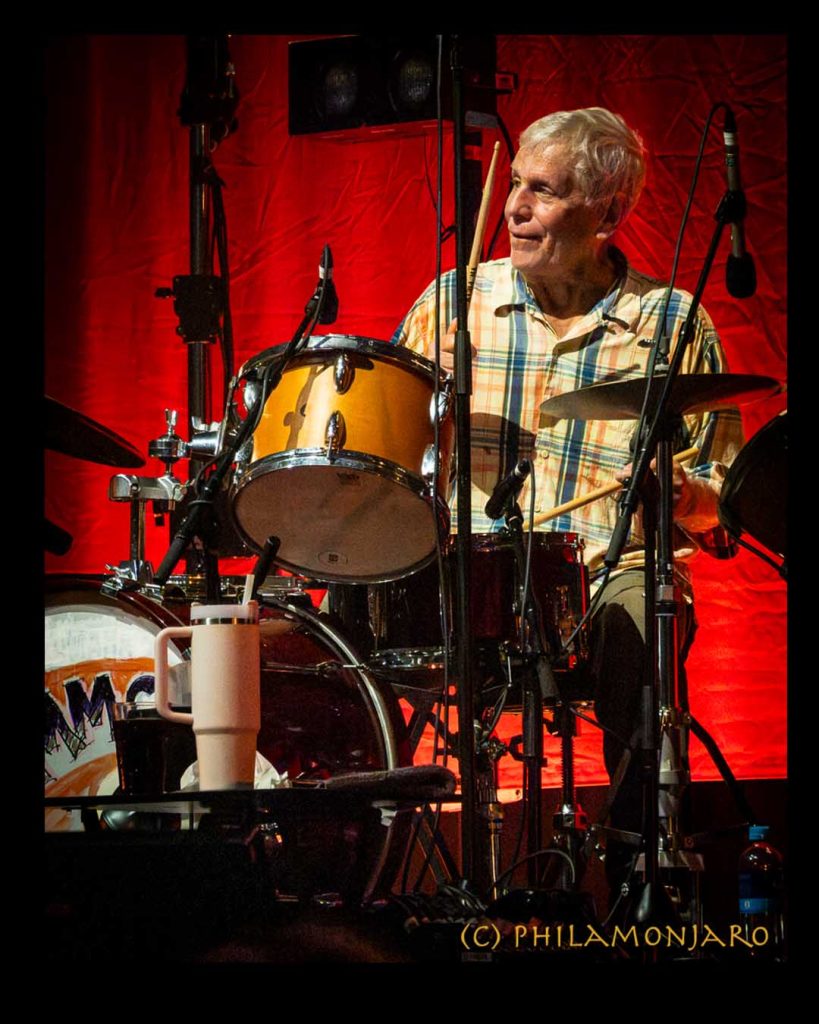
The success of the Amsterdam residency relied heavily on the cohesion of The Ammo Band, a group of seasoned professionals who provided a sophisticated rhythmic foundation for Wood’s improvisational lead work. The rhythm section was anchored by bassist Willie Weeks and drummer Andy Newmark—a significant inclusion, as both musicians performed on Wood’s debut solo album in 1974. This reunion of talent provided a sense of continuity that resonated throughout the performance.
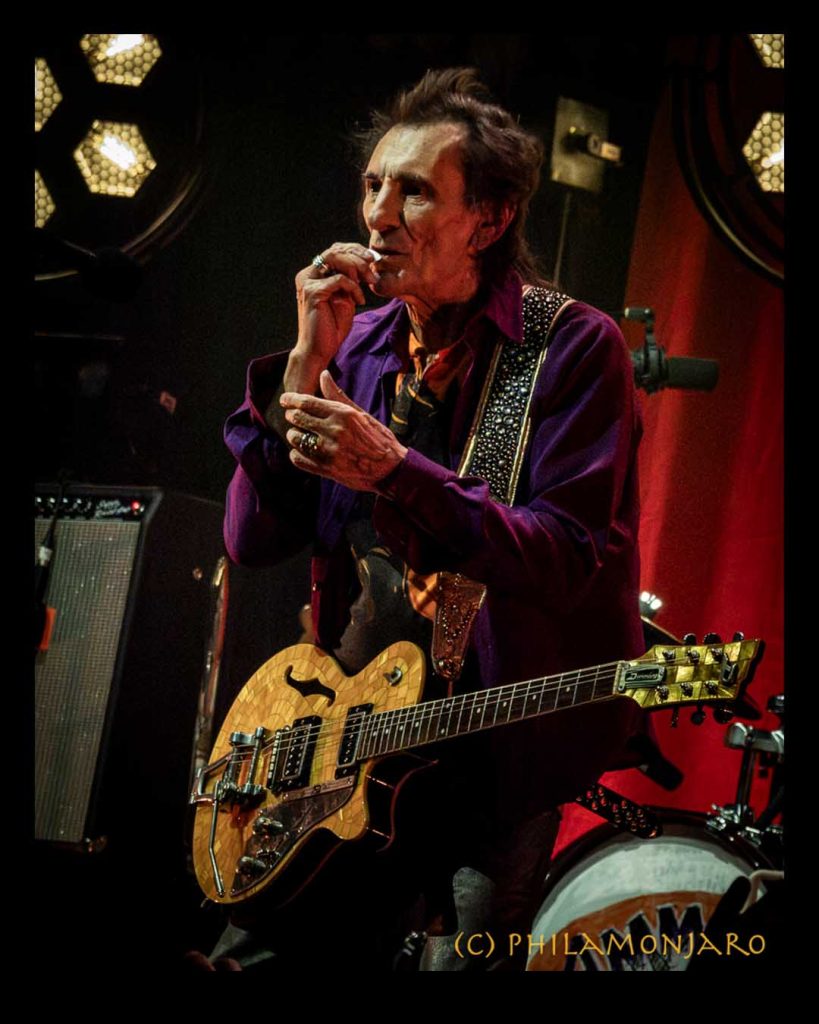
Complementing the rhythm section were guitarist Johnny Lee Schell and producer-turned-keyboardist Andy Wallace. The inclusion of special guests Imelda May and Chanel Haynes served to elevate the vocal arrangements. Both artists provided a dynamic range that allowed Wood to focus on his instrumental contributions, ranging from intricate slide guitar work on “Dust My Broom” to rare, atmospheric harmonica segments during blues standards like “Baby What You Want Me to Do.”
Musical Chronology and Setlist Depth
The performance was structured to navigate the distinct chapters of Wood’s life. The early section of the show focused on the gritty, blues-infused era of the late 1960s and early 1970s. By performing tracks such as “Plynth” and “Black Limousine,” Wood demonstrated his foundational influence on the British blues-rock explosion.

The middle segment of the show leaned into his solo ventures, highlighting his 1970s output. Notably, the inclusion of “Country Honk,” featuring Mera Royle on fiddle, provided a tonal shift that showcased Wood’s appreciation for Americana and traditional country structures. The evening also featured a collection of covers that paid homage to his influences, including “River Deep, Mountain High” and a reggae-inflected rendition of the Hopeton Lewis classic “Take It Easy.” This selection underscored the breadth of Wood’s musical palate, which has consistently refused to be pigeonholed into a single genre.
Implications of the Fearless Tour
The Fearless tour represents more than a series of concert dates; it is a critical re-examination of Wood’s legacy outside the massive, stadium-sized operations of The Rolling Stones. By choosing smaller, more intimate venues, Wood is fostering a closer connection with his audience, allowing for the kind of communal interaction seen during the a cappella sing-along of “Gasoline Alley.”

Industry analysts note that this tour underscores a growing trend among veteran rock icons: the return to club-sized venues to showcase legacy catalogs in a way that feels personal rather than performative. For Wood, the ability to command these spaces at age 79 is a testament to his continued relevance in the music industry. The Anthology release and the accompanying tour serve to institutionalize his contributions, ensuring that his role as a bridge between the blues pioneers of the 1960s and the rock stars of the 21st century is well-documented.

Technical and Artistic Highlights
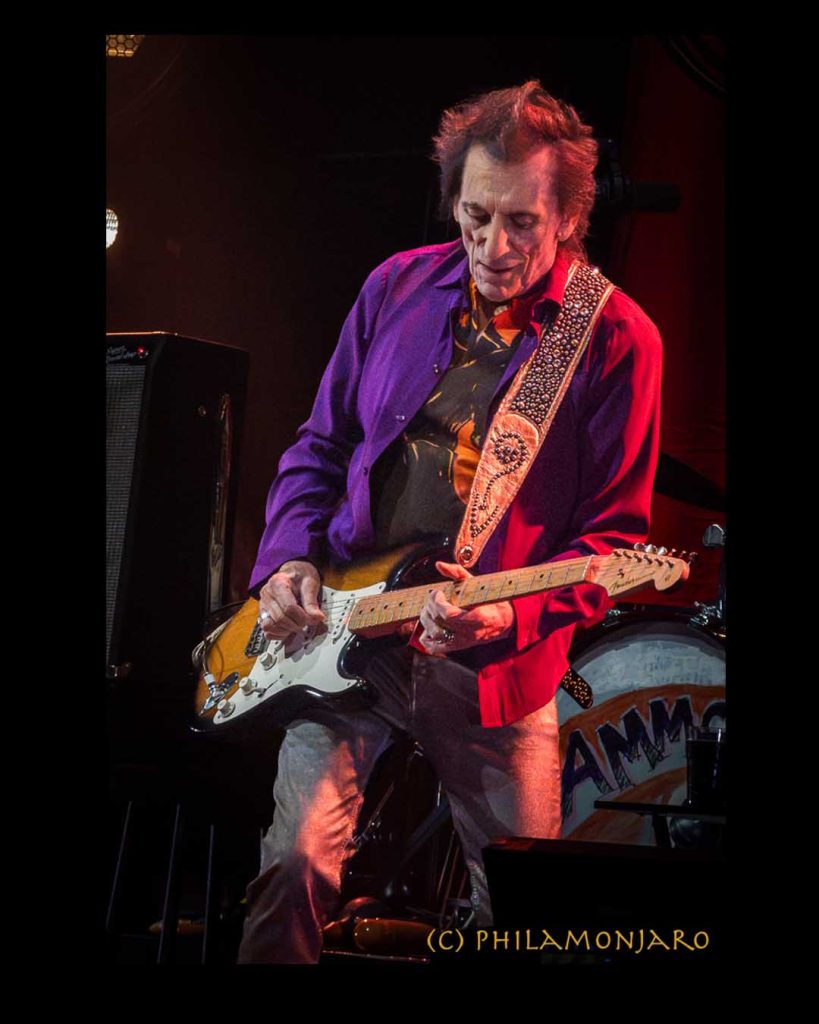
Beyond the song selection, the technical execution of the tour has been lauded for its precision. Wood’s slide playing remains a standout feature, characterized by a clean, deliberate style that pays tribute to Delta blues masters while maintaining a distinctly modern edge. The integration of the fiddle and the nuanced keyboard work by Andy Wallace suggests a production design that values sonic clarity and arrangement over mere volume.
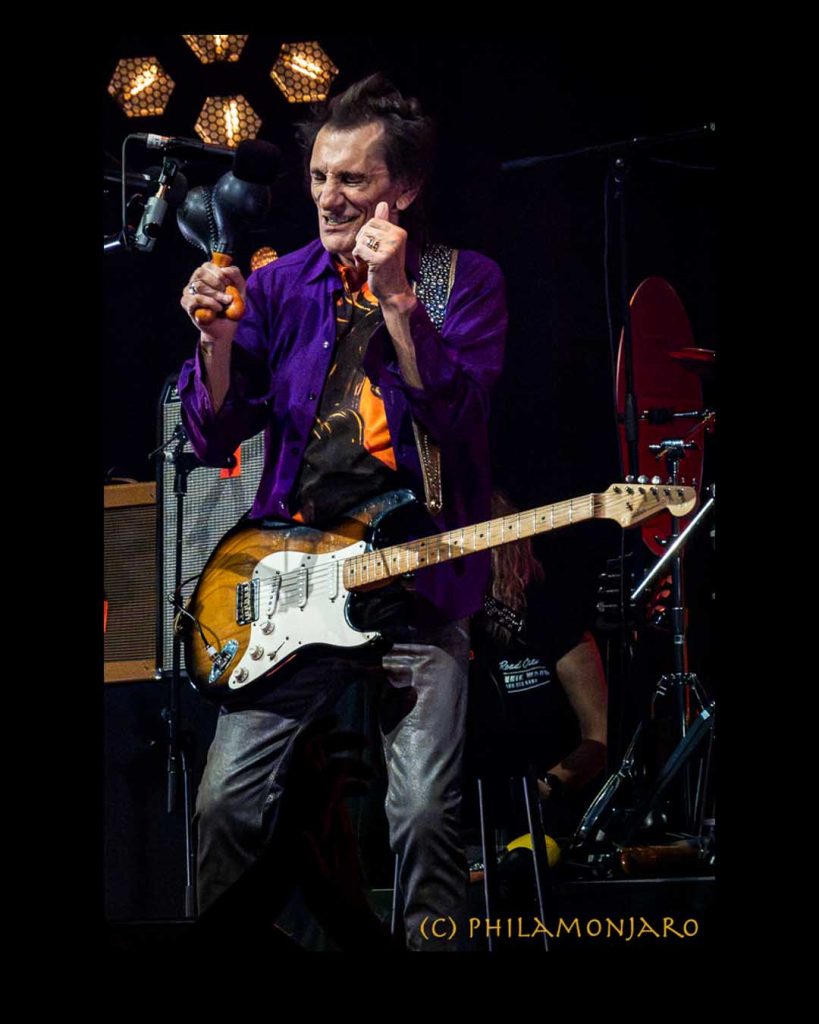
One of the most poignant moments of the residency occurred during the communal performances, where the barrier between performer and audience appeared to dissolve. The shared vocal participation on the chorus of “Gasoline Alley”—Rolling home, rolling home back to gasoline alley where I belong—acted as a moment of collective reflection on the passage of time within the rock and roll genre.
Future Projections and Global Reach
While the European leg of the Fearless tour has concluded with high critical marks, speculation continues regarding a potential North American run. As of this reporting, there have been no official dates scheduled for the United States or Canada, though sources close to the tour suggest that the demand for such an intimate, career-spanning experience remains high in Western markets.

The tour is scheduled to move to South America later this autumn. This progression suggests a strategic focus on regions where the rock and roll tradition remains a cornerstone of the live music industry. For fans who were unable to attend the Amsterdam dates, the Fearless Anthology remains the primary vehicle for exploring the depth of the material performed on this tour.
Summary of Artistic Impact
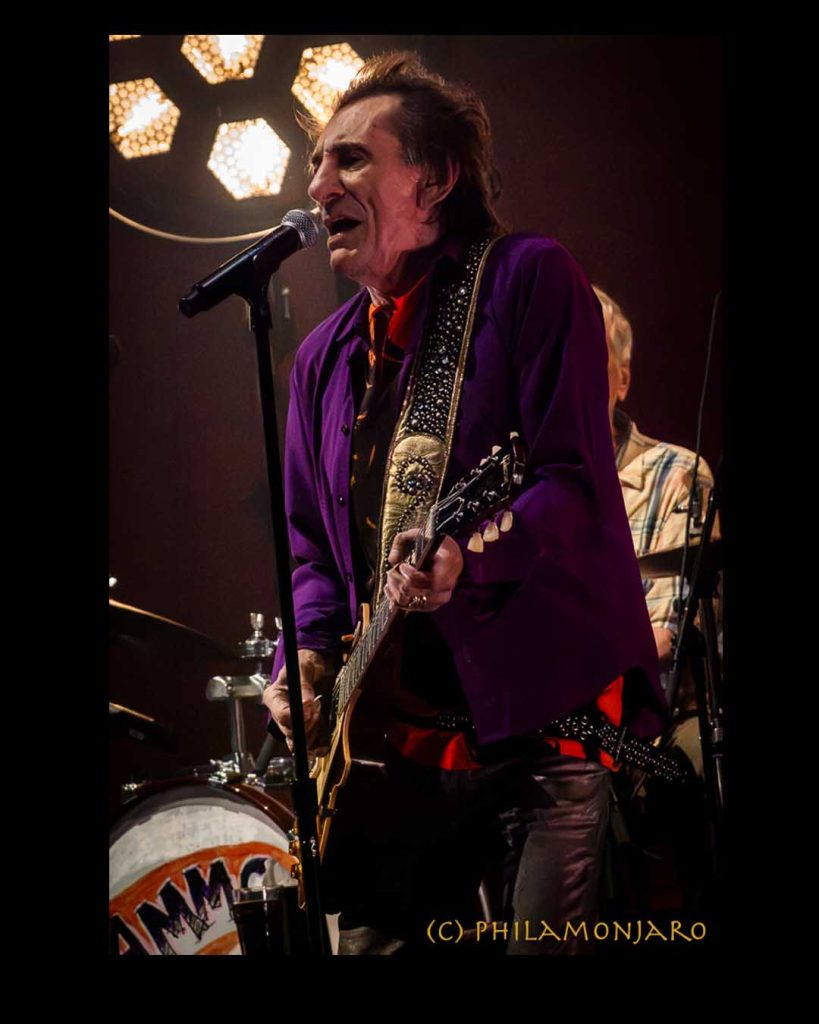
Ronnie Wood’s residency in Amsterdam was not merely a retrospective; it was a demonstration of active musicianship. By blending the history of The Faces, his solo career, and his essential contributions to The Rolling Stones, Wood has created a touring experience that respects the lineage of rock and roll while proving that the genre still holds significant vitality.
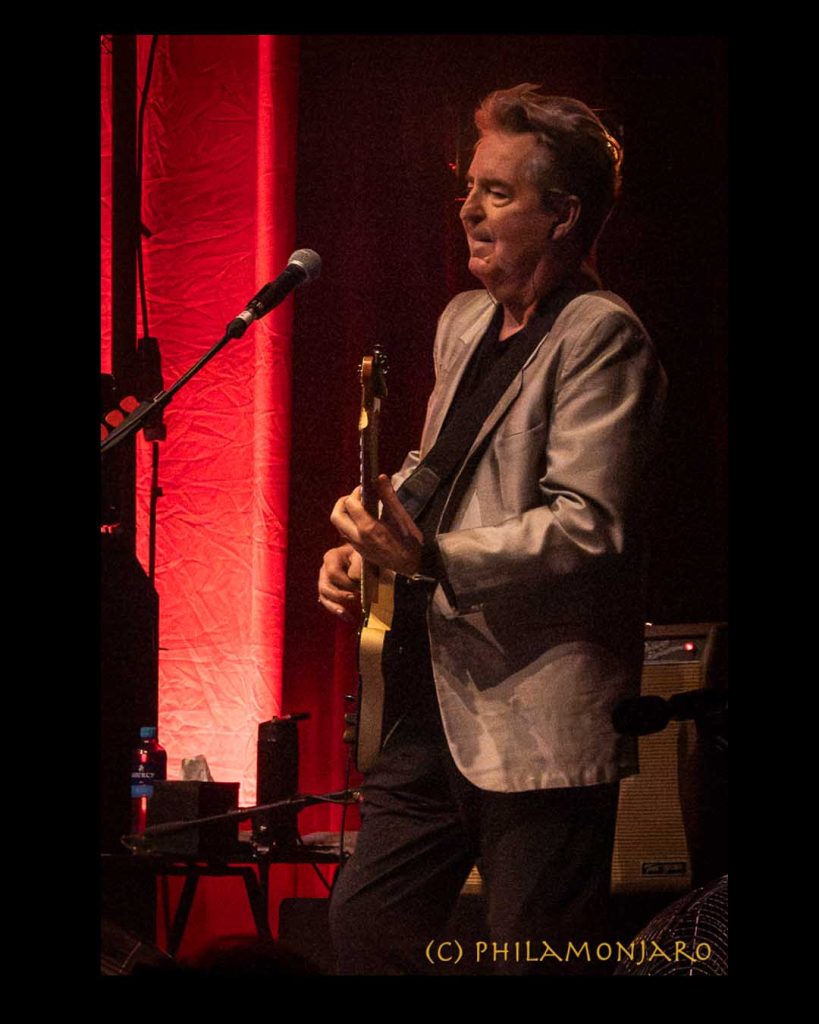
The successful mobilization of The Ammo Band, the inclusion of guest vocalists of the caliber of Imelda May and Chanel Haynes, and the choice of venues indicate a conscious effort to prioritize musicality over spectacle. In an era where legacy acts often rely on high-production stadium tours, Wood’s commitment to the craft of the small-venue performance provides a refreshing look at what it means to be a "fearless" veteran in a rapidly changing industry. Whether the tour reaches North American shores remains to be seen, but the Amsterdam performance has already solidified its place as a high-water mark for the artist’s late-career output.

Ultimately, the tour acts as a closing of the circle for Wood. Having played with the best in the business for over six decades, he is now defining his own terms, setting his own pace, and—as evidenced by the enthusiastic response from his superfans—retaining the same spirit that propelled him to the forefront of the music world in the 1960s.