Emergency preparedness has transitioned from a niche hobby for survivalists into a mainstream precaution embraced by households worldwide. In an era marked by increasingly erratic climate patterns, natural disasters, geopolitical instability, and unforeseen infrastructural failures, the modern imperative is simple: self-reliance for at least the first 72 hours of a crisis. Whether facing a rapidly spreading wildfire in the American West, a catastrophic earthquake along a fault line, severe winter storms that collapse local power grids, or unexpected civil disruptions, the critical window immediately following a disaster requires individuals to be completely self-sufficient. This reality has driven surging demand for pre-packaged emergency kits, commonly known as bug-out bags (BOBs) or 72-hour survival systems. Designed to consolidate vital gear, sustenance, and medical supplies into a single, highly portable backpack, these kits offer a streamlined solution for rapid evacuation or shelter-in-place scenarios.
The Origins and Evolution of the Bug-Out Bag
The colloquial term "bug-out bag" traces its lineage back to mid-20th-century military aviation, specifically within the United States Armed Forces. Military pilots were issued specialized bailout bags containing essential survival gear—such as rations, signaling devices, and first-aid components—designed to sustain them if their aircraft was downed behind enemy lines or forced into remote terrain. Over decades, this military doctrine filtered into civilian emergency preparedness culture.
Emergency management agencies, including the Federal Emergency Management Agency (FEMA) and the American Red Cross, have long emphasized the "72-hour rule." Statistically, during major disasters such as hurricanes, major earthquakes, or floods, local emergency services, police, and medical personnel are frequently overwhelmed. It routinely takes up to three days for organized relief, federal aid, and utility restoration efforts to reach severely impacted areas. Consequently, civilians are advised to maintain a portable emergency supply kit capable of sustaining life during this critical initial phase without external assistance.

Anatomy of a Standard 72-Hour Survival Kit
While specific configurations vary widely depending on the manufacturer, intended climate, and price point, a comprehensive bug-out bag generally revolves around three foundational pillars as outlined by disaster relief organizations: water, food, and shelter.
Beyond these basics, a high-tier survival kit integrates tools for navigation, communication, first aid, and personal hygiene. Medical supplies typically include sterile gauze, compression bandages, antiseptic wipes, burn creams, and over-the-counter medications. Survival gear often features multi-tools, waterproof matches, flashlights, emergency mylar blankets, and chemical light sticks. Modern kits have also adapted to contemporary needs by incorporating portable water filtration systems—such as hollow-fiber membrane straws—and hand-crank or solar-powered radios capable of charging mobile devices during extended blackouts.
Top-Rated Emergency Kits for 2026
Evaluating the vast landscape of available emergency equipment requires balancing thoroughness, durability, and cost. Industry analysts and reviewers have highlighted several standout products designed to meet diverse consumer requirements, ranging from comprehensive family-sized units to lightweight, highly mobile setups.

The Quad 72-Hour Survival Bug Out Bag stands out as one of the most exhaustive options on the market. Engineered specifically to sustain a family of four for a full three days, this heavy-duty system includes extensive ration packs, water purification powders, filter straws, and a multi-person tent. Beyond basic caloric intake, it prioritizes warmth and sanitation, equipping users with reflective sleeping bags, hand warmers, and a comprehensive personal hygiene kit containing soap, shampoo, and feminine care items. Housed within a rugged, reinforced backpack featuring wrap-around chest straps and structured compartments, the Quad balances sheer capacity with ergonomic weight distribution.
For those prioritizing professional-grade durability and rigorous field utility, the Uncharted Supply Co. The Seventy2 Survival System has earned widespread recognition as an elite editor’s choice. Originally designed for two people over a 72-hour period, the system is built around a heavy-duty, waterproof 600D dual-coated tarpaulin backpack. What separates this kit from standard consumer offerings is the inclusion of specialized rescue and tactical tools, such as an integrated shovel and pickaxe system, RZ M2 air filtration masks, weatherproof work gloves, and a multi-function crank radio that doubles as a flashlight and device charger. It represents a robust investment for residents living in high-risk zones prone to predictable natural disasters like hurricanes or seismic activity.
For budget-conscious consumers or those seeking streamlined portability, the Ready America 72-Hour Emergency Kit offers a streamlined, FDA-compliant solution for two individuals. Enclosed in a high-visibility red nylon backpack designed for rapid visual identification during rescue operations, the kit contains 2,400-calorie food bars and vacuum-sealed water packets engineered to withstand extreme temperature fluctuations ranging from sub-zero conditions to intense heat. Weighing significantly less than multi-person tactical bags, it includes a 33-piece first-aid kit, emergency ponchos, and glow sticks, making it an ideal candidate to store in the trunk of a vehicle or beneath a workplace desk.
Supplementary Medical Preparedness
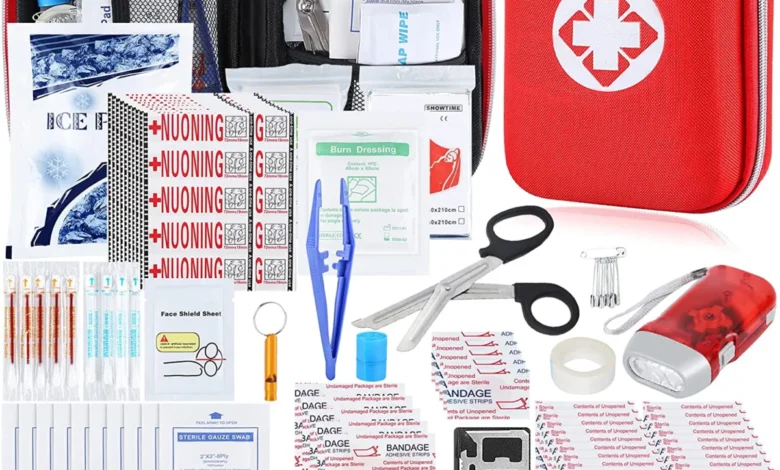
Emergency planners frequently note that pre-packaged bags can always be customized or augmented. Even individuals who invest in comprehensive kits often supplement their inventory with specialized trauma or first-aid modules. Products such as the Yiderbo First Aid Kit illustrate the value of modular redundancy. Packing hundreds of medical components—ranging from sterile bandages and burn dressings to medical shears and instant cold packs—into a compact, water-resistant case, supplementary medical kits ensure that primary bug-out bags remain uncluttered while providing an elevated tier of healthcare capability.

Strategic Deployment and Best Practices
Owning a high-end survival kit is only the first step in effective emergency preparation; strategic deployment is equally vital. Emergency management consultants recommend a decentralized storage strategy rather than keeping all supplies in a single location. Ideally, households should maintain a primary bag at home in an easily accessible closet near an exit, a secondary, lightweight kit in the trunk of a commuter vehicle, and a basic unit at a workplace.
Furthermore, bug-out bags should not be treated as static, set-it-and-forget-it purchases. Experts recommend conducting bi-annual audits of all emergency kits. Expiration dates on water pouches, food rations, and medications must be monitored and replaced regularly. Additionally, personal items such as prescribed medications, copies of important legal and financial documents, spare cash, and emergency contact lists should be added to the bag prior to an anticipated event, such as a brewing tropical storm or severe weather warning.
Implications for Modern Society
The growing commercial market for survival kits underscores a broader cultural and psychological shift toward localized resilience. As communities face compounding systemic pressures—ranging from aging electrical infrastructure susceptible to extreme weather events to global health uncertainties—the reliance solely on municipal safety nets is increasingly viewed as a vulnerability.

While the upfront cost of premium bug-out bags can represent a significant financial commitment, emergency preparedness advocates frame these purchases as a form of insurance. By investing in standardized, highly mobile survival systems, individuals and families mitigate the immediate chaos of a crisis, ensuring physical safety, psychological reassurance, and the foundational resources necessary to bridge the gap until formal rescue and recovery operations can commence.