U-God Returns With Rock So Many Marking His First Solo Release in Eight Years Ahead of New Album Stinger

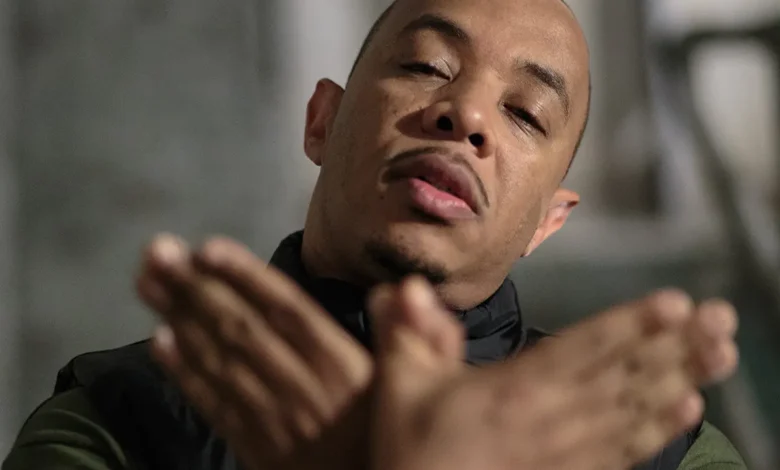
The landscape of hip-hop has been shaped by very few collectives as profoundly as the Wu-Tang Clan. Emerging from the boroughs of Staten Island and Brooklyn in the early 1990s, the group redefined lyricism, production, business independence, and cultural impact. Decades after introducing the world to their gritty, cinematic brand of hardcore rap, individual members continue to expand their creative boundaries. Lamont "U-God" Hawkins, one of the foundational voices of the iconic hip-hop syndicate, has officially returned to the forefront of the music industry. Fresh off the heels of the Wu-Tang Clan’s historic induction into the Rock & Roll Hall of Fame and a high-profile performance during an NFL Thanksgiving halftime show, U-God has released his latest solo single, "Rock So Many."
Produced by renowned turntable artist and producer DJ Homicide, the track serves as the lead single for U-God’s forthcoming sixth solo studio album, Stinger, which is scheduled for commercial release in early 2027. More importantly, "Rock So Many" breaks an eight-year recording hiatus for the veteran lyricist as a solo visual and musical act, signaling a robust revitalization of his independent catalog. The release is accompanied by a distinctive music video that departs from traditional narrative-driven visual concepts, opting instead for a documentary-style homage to the group’s decades-long global touring legacy.
Chronology of a Legacy: From Shaolin to the Hall of Fame
To understand the weight of U-God’s latest solo venture, it is essential to contextualize the timeline of events that preceded it. The Wu-Tang Clan was officially formed in 1992 by RZA, alongside core members GZA, Ol’ Dirty Bastard, Method Man, Raekwon, Ghostface Killah, Inspectah Deck, U-God, and later Masta Killa. Their 1993 debut album, Enter the Wu-Tang (36 Chambers), is widely regarded by music historians, critics, and fans as one of the greatest and most influential albums in hip-hop history.
Despite being a foundational pillar of the group, U-God’s journey was characterized by unique hurdles, including legal incarceration during the recording of portions of their debut, which delayed his prominent presence on early tracks. However, his deep, rumbling baritone delivery and vivid street narratives soon became central to the group’s sonic identity, shining brightly on subsequent group efforts like Wu-Tang Forever (1997) and The W (2000), as well as classic solo projects from his peers.
U-God officially launched his solo career with the release of his debut album, Golden Arms Redemption, in 1999 via Priority Records. Over the ensuing two decades, he carved out a dedicated solo path, releasing projects including Mr. Xcitement (2005), Dopium (2009), Keynote Speaker (2013), and Venom (2018). Following the rollout of Venom, U-God stepped back from primary solo output, focusing instead on group obligations, global anniversary tours, and literary pursuits—notably releasing his candid 2018 memoir, Raw: My Journey Into the Wu-Tang.
The year leading up to the release of "Rock So Many" brought monumental accolades for the collective. The Wu-Tang Clan received a long-awaited and widely celebrated induction into the Rock & Roll Hall of Fame, validating their multi-generational impact on American music and culture. This milestone was immediately followed by a marquee performance during an NFL Thanksgiving Day halftime show, putting the group in front of millions of mainstream viewers and cementing their status as enduring cultural icons. It was directly out of this whirlwind of victory laps and historic stages that U-God channeled his creative renewed energy into the studio, collaborating with DJ Homicide to engineer Stinger.
Production and Artistic Anatomy of Rock So Many
"Rock So Many" is built upon a foundation of aggressive, trunk-rattling production courtesy of DJ Homicide. Known for his extensive pedigree in hip-hop and open-format DJing, Homicide crafts an instrumental that blends classic boom-bap sensibilities with modern sonic clarity. The beat relies on heavy percussion, menacing synth layers, and a driving tempo designed to fill massive arena spaces, perfectly mirroring the scale of the venues the Wu-Tang Clan has commanded for over thirty years.
Over this formidable soundscape, U-God delivers a masterclass in vocal control and rhythmic cadence. Eschewing contemporary melodic trends, he leans entirely into the deep, authoritative baritone that has been a staple of his discography since the mid-1990s. His delivery is seasoned, confident, and direct, touching upon themes of longevity, survival in the music industry, and the enduring bond of brotherhood that has kept the Wu-Tang enterprise intact through decades of shifting industry tides.
Lyrically, the song functions as both a celebration of past achievements and a declaration of ongoing relevance. U-God does not simply rest on the laurels of the group’s recent Hall of Fame induction; instead, he uses "Rock So Many" to assert that his pen remains sharp and his physical presence on the microphone is as potent as it was during the golden era of 1990s hip-hop.

Visual Narrative: Honoring the Global Stage and the Lens
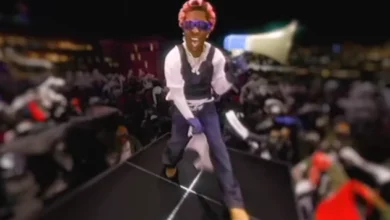
Breaking away from cinematic fictional narratives or standard performance setups in a rented Los Angeles warehouse, the official music video for "Rock So Many" offers a retrospective glance at the global footprint of the Wu-Tang Clan. Rather than focusing solely on U-God, the visual stitches together hundreds of archival live photographs and video clips captured by road photographers over decades of international touring.
The montage sweeps viewers through packed arenas, intimate European clubs, massive festival grounds in South America and Asia, and backstage green rooms. By compiling these fragments of touring life, the visual highlights the grueling yet rewarding reality of sustaining a global touring career across multiple decades. Furthermore, the video serves as a direct, intentional tribute to the visual artists, tour photographers, and videographers who stood in the trenches, capturing the kinetic energy of live hip-hop performance night after night.
When discussing the concept behind the visual, U-God reflected on the sheer magnitude of his career, summarizing the sentiment with a direct quote accompanying the release: "I can’t believe we ROCK SO MANY." This statement encapsulates the disbelief and gratitude of an artist who emerged from the public housing projects of Staten Island to travel the globe, performing for generations of fans who were not yet born when Enter the Wu-Tang first hit record store shelves.
Industry Implications and the Road to Stinger
The release of "Rock So Many" carries significant weight within the current hip-hop ecosystem. As legendary artists from the 1980s and 1990s navigate the streaming era, maintaining relevance while honoring legacy is a delicate balancing act. By returning with a hard-hitting single that bridges traditional boom-bap aesthetics with modern production values, U-God demonstrates that veteran lyricists can re-enter the marketplace without diluting their core artistic identity.
The single acts as the promotional launchpad for Stinger, which is slated to arrive in early 2027. Industry analysts and hip-hop historians anticipate that Stinger will draw heightened attention due to the renewed mainstream spotlight shining on the Wu-Tang brand following their Hall of Fame induction. Furthermore, the eight-year gap between solo projects has allowed anticipation to build among dedicated followers of the Clan’s individual members, who frequently track the solo catalogs of artists like Ghostface Killah, Raekwon, and Method Man with equal fervor.
From a commercial perspective, independent releases by heritage acts increasingly rely on direct-to-consumer models, strategic digital distribution, and robust touring integration. Given U-God’s established touring infrastructure as part of the Wu-Tang collective, "Rock So Many" is uniquely positioned to integrate into future live setlists, allowing him to test new solo material before international audiences.
Broader Cultural Impact of Wu-Tang’s Second Wind
The broader cultural implications of U-God’s solo return speak to the longevity of the Wu-Tang model. Built not just as a music group, but as a diversified enterprise, lifestyle brand, and cultural institution, the Clan has continually defied the historical shelf-life typically assigned to hip-hop acts.
While younger generations of listeners consume music through fragmented, algorithm-driven playlists, the persistent activity of foundational artists like U-God reinforces the value of album-oriented craftsmanship, catalog depth, and narrative continuity. The transition from celebrating a historic institutional accolade—the Rock & Roll Hall of Fame—to dropping a rugged street single illustrates a seamless navigation of both high-culture validation and grassroots authenticity.
As fans and critics await the full-length arrival of Stinger in early 2027, "Rock So Many" stands as proof that the venom of the Wu-Tang bee remains potent. Through unyielding persistence, heavy production, and a visual celebration of decades on the road, U-God has ensured that the next chapter of his solo career begins on his own uncompromising terms.