Twelve South Announces AirFly View Bluetooth Adapter Featuring Built-In Display and Auracast Support for $79.99

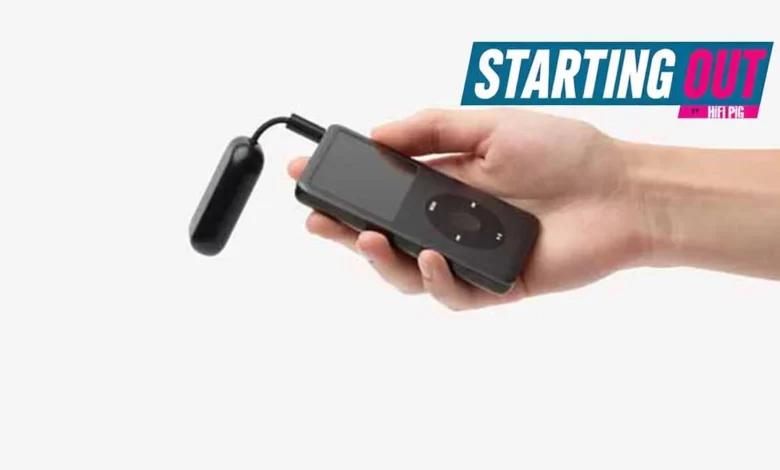
For decades, the transition from wired to wireless audio has introduced a distinct category of modern technological frustrations. Consumers attempting to pair wireless headphones with legacy audio systems, in-flight entertainment centers, gym equipment, or older computers have long relied on a cryptic language of blinking LED indicator lights. Determining whether a device has successfully paired, identifying which set of headphones is connecting in a crowded room, or troubleshooting a failed connection has historically required guesswork. Addressing this persistent user experience hurdle, accessory manufacturer Twelve South has officially announced the launch of its latest audio gadget, the AirFly View, priced at $79.99.
Unlike traditional audio players, standalone amplifiers, or replacement headphones, the AirFly View functions strictly as a versatile bridge. It is engineered to sit between existing audio sources and wireless listening hardware, modernizing legacy infrastructure without requiring consumers to discard their preferred wired or wireless gear. While the product has been designed with frequent travelers in mind—particularly those navigating airline seatback entertainment systems—its dual-mode functionality and modern feature set position it as a practical tool for home audio setups as well.
Eliminating Guesswork with Visual Feedback
The defining hardware innovation of the AirFly View is its integrated visual display screen. Traditional Bluetooth transmitters and receivers typically rely on multi-colored LED flashes—such as alternating red and blue lights—to communicate pairing modes, battery levels, and connection statuses. For many users, deciphering these signals leads to confusion and repeated pairing attempts.
The AirFly View replaces ambiguity with clarity by displaying real-time connection information directly on its screen. When a user initiates a connection, the device explicitly shows the names of nearby or connected Bluetooth headphones and detailed status readouts. This transparency is particularly valuable for first-time users setting up wireless audio configurations, eliminating the uncertainty of whether a signal has been successfully routed to the intended hardware.
Dual-Mode Operation: Transmit and Receive
Versatility remains a cornerstone of the AirFly View’s design, highlighted by its dual operational modes: transmit mode and receive mode.
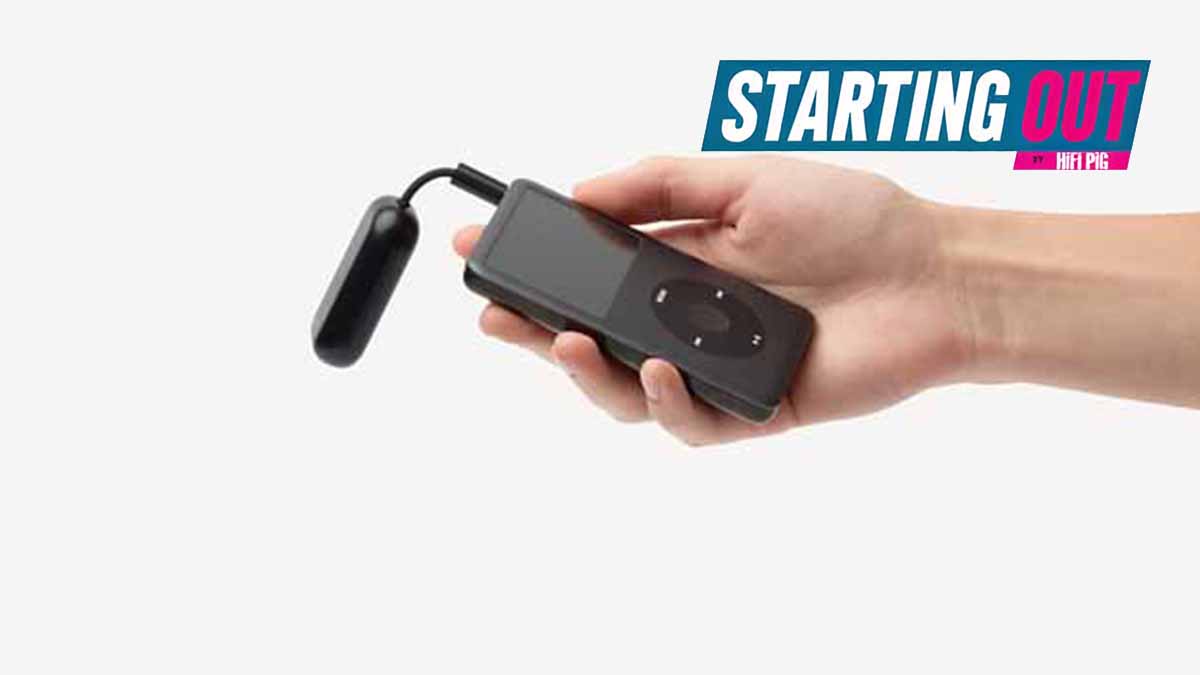
In transmit mode, the device acts as a traditional AirFly bridge. It connects to any standard 3.5-millimeter headphone output—such as those found on airplane seatback monitors, older laptops, handheld gaming consoles, or treadmill consoles—and broadcasts that audio stream wirelessly to Bluetooth headphones or earbuds. This allows users to utilize their high-end noise-canceling wireless headphones with hardware that lacks native Bluetooth connectivity.
Conversely, in receive mode, the functionality is reversed. The adapter can accept a wireless audio stream from a smartphone, tablet, or computer via Bluetooth and pass that signal directly into a compatible auxiliary (AUX) input. This transformation breathes new life into legacy wired soundbars, home stereo receivers, or car audio systems that feature an analogue 3.5mm input but lack modern wireless streaming capabilities.
Industry experts note that consumers must carefully evaluate their equipment’s physical sockets prior to purchase, as headphone outputs and line-level inputs perform distinct technical functions within an audio chain.
Shared Listening and Modern Protocol Integration
Beyond individual use, the AirFly View addresses a common travel and shared-media dilemma by supporting simultaneous connections for up to two pairs of Bluetooth headphones. This capability enables two travelers to watch the same movie on a tablet or an in-flight entertainment screen without disturbing others, maintaining the private listening experience inherent to personal headphones.
Furthermore, the integration of Auracast technology expands the device’s sharing potential. Auracast, a new standard built upon Bluetooth Low Energy (LE) Audio, allows a single audio source to broadcast sound to an unlimited number of compatible receivers simultaneously. While standard Bluetooth pairing remains robust, Twelve South’s inclusion of Auracast ensures forward compatibility with next-generation hearing aids, public venue broadcasts, and compatible multi-listener audio gear. Industry analysts point out, however, that standard Bluetooth connectivity alone does not guarantee Auracast compatibility, making the inclusion of this protocol a notable future-proofing element for early adopters.
Package Contents and Market Positioning
Retailing at $79.99 USD, the AirFly View package includes essential travel accessories designed to maximize its utility out of the box. Twelve South bundles a dedicated travel case to protect the hardware during transit, alongside an airline adapter plug required for older, dual-prong in-flight entertainment systems commonly found on international commercial aircraft.

Market analysts evaluating the release emphasize that the commercial success of the AirFly View will depend heavily on individual consumer needs. For users whose homes and mobile devices are already fully integrated into wireless ecosystems, the necessity of an external adapter may be limited. However, for frequent flyers, gamers using legacy controllers or consoles, and audiophiles wishing to retain older, high-fidelity wired amplification systems while enjoying modern wireless convenience, the device offers a targeted solution to a persistent engineering friction point.
Background Context of the AirFly Product Line
The launch of the AirFly View represents the latest evolution in Twelve South’s specialized product lineup, which has long catered to the intersection of Apple and general consumer electronics accessories. The original AirFly series was conceived years ago in direct response to the removal of the standard 3.5mm headphone jack from modern smartphones, and later, the widespread adoption of Apple’s AirPods.
When Apple popularized true wireless earbuds, millions of consumers found themselves unable to plug their expensive wireless earbuds into standard airplane seatback jacks, gym treadmills, or Nintendo Switch consoles without proprietary cords or clunky third-party workarounds. Twelve South identified this market gap early, releasing successive iterations of the AirFly—including the AirFly Duo and AirFly Pro—which progressively added dual-headphone sharing and battery life improvements.
Over the years, the AirFly brand established itself as a staple travel accessory for tech-savvy commuters and vacationers alike. Yet, despite its commercial success, the core user interface of the product line remained constrained by traditional hardware limitations. Users frequently voiced minor frustrations regarding connection verification, often having to reset pairings multiple times because an LED light failed to clearly communicate whether the device was linking to a smartphone, a pair of wireless headphones, or a nearby laptop. The introduction of the AirFly View and its dedicated display screen marks a direct engineering response to years of consumer feedback regarding pairing visibility.
The Technical Evolution of Bluetooth and Wireless Audio
To fully understand the market implications of the AirFly View, industry observers look at the broader trajectory of short-range wireless communication standards. Bluetooth technology has undergone significant transformations since its inception in the late 1990s. While early versions of Bluetooth struggled with audio latency, bandwidth constraints, and unreliable pairing protocols, modern iterations—particularly Bluetooth 5.0 and beyond—have optimized power consumption and data transfer speeds specifically for high-fidelity audio transmission.
Despite these advancements, the physical world remains populated by millions of legacy analog devices. Commercial aircraft, medical equipment, gym machinery, and vintage home audio receivers possess lifespans that far exceed the rapid upgrade cycles of consumer personal electronics. Consequently, a persistent hardware mismatch exists: analog outputs meeting digital wireless receivers.
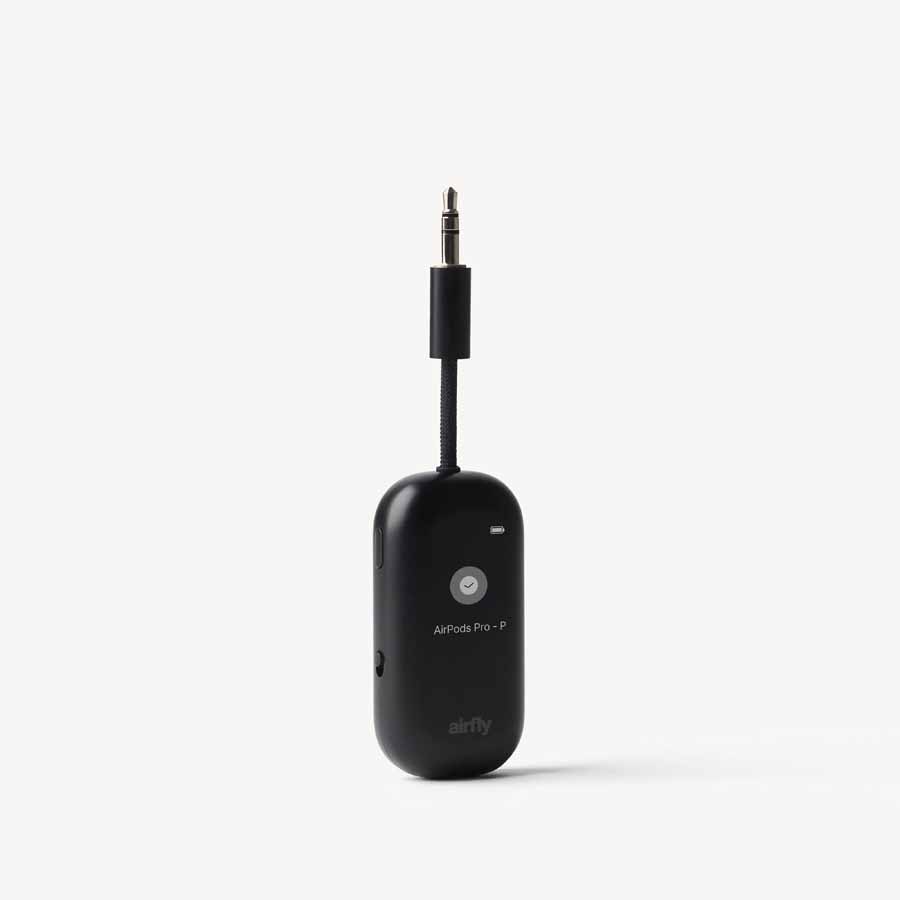
Adapters like the AirFly View serve as a critical bridge economy, extending the functional lifespan of expensive legacy infrastructure without necessitating costly upgrades to entire entertainment or professional systems. By incorporating advanced protocols such as Auracast, Twelve South is attempting to future-proof its hardware against an impending shift in public audio broadcasting standards. Auracast is widely projected by telecommunications bodies to revolutionize public spaces—such as airports, museums, and fitness centers—by allowing silent video displays to stream synchronized audio directly to visitors’ personal wireless earbuds or hearing aids.
Implications for Consumers and the Audio Accessory Market
The release of a $79.99 display-equipped Bluetooth adapter highlights a broader trend within the consumer electronics market: the premiumization of utility accessories. As base technology becomes commoditized, manufacturers increasingly compete on user experience refinements, such as onboard displays, companion applications, and simplified human-machine interfaces.
From a practical standpoint, the AirFly View addresses specific pain points for distinct consumer segments:
- Frequent Business and Leisure Travelers: Navigating multi-leg international flights often exposes travelers to fragmented media ecosystems, ranging from modern seatback touchscreens to older, single- or dual-prong analog audio jacks. The inclusion of the airline adapter and the travel case directly targets this demographic.
- Fitness Enthusiasts: Many commercial gym treadmills, stationary bikes, and weight machines continue to feature wired 3.5mm headphone jacks to prevent Bluetooth interference in crowded athletic facilities. The AirFly View allows gym-goers to utilize their personal active noise-canceling earbuds rather than substandard wired gym-provided headphones.
- Home Audiophiles and Retro Electronics Collectors: Owners of vintage stereo systems who wish to integrate modern streaming sources without permanently modifying or replacing their legacy amplifiers can leverage the receive mode to channel wireless audio through traditional AUX inputs.
Financial and competitive analysts suggest that while the price point places the AirFly View at the higher end of the Bluetooth transmitter market—where basic, non-display adapters can often be found for under $30—the addition of visual feedback, dual-mode operation, and next-generation Auracast support justifies the cost for users who value streamlined setup procedures and reduced technical friction.
As wireless audio continues to dominate consumer preferences, products that seamlessly reconcile the physical disconnect between old and new technologies will remain vital components of the modern tech accessory landscape. Twelve South’s latest offering demonstrates that even mature product categories can achieve renewed relevance through thoughtful user interface enhancements and proactive protocol integration.