“There’s something inherently sexy about the sight – something primal, as if the wind were making love…

The Genesis at Lake House
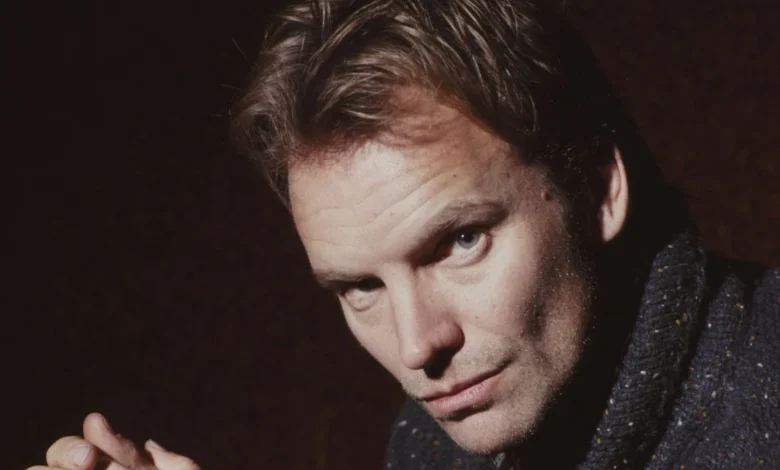
The origins of Fields of Gold are inextricably linked to a specific moment of transition in Sting’s personal and professional life. Following the global success of his earlier solo work, the artist sought refuge in the English countryside, acquiring Lake House—an Elizabethan manor dating back to 1578. Located in Wiltshire, the property was once owned by the wealthy clothier George Duke and is situated in the shadow of the ancient landscape surrounding Stonehenge.
Sting has frequently described the acquisition of the house as a quintessential "English rockstar cliché," yet it provided the creative sanctuary necessary for the birth of Ten Summoner’s Tales. The album was recorded in the atmospheric confines of the manor, utilizing a core creative unit consisting of guitarist Dominic Miller, keyboardist David Sancious, and drummer Vinnie Colaiuta. The sessions were marked by a communal, almost monastic approach to recording, which allowed for the nuanced textures that define the album’s sound. Once the tracking was complete, the project moved to The Town House in London for mixing, followed by final mastering at Masterdisk in New York City, ensuring a high-fidelity finish that would stand the test of time.
Lyrical Inspiration and Imagery
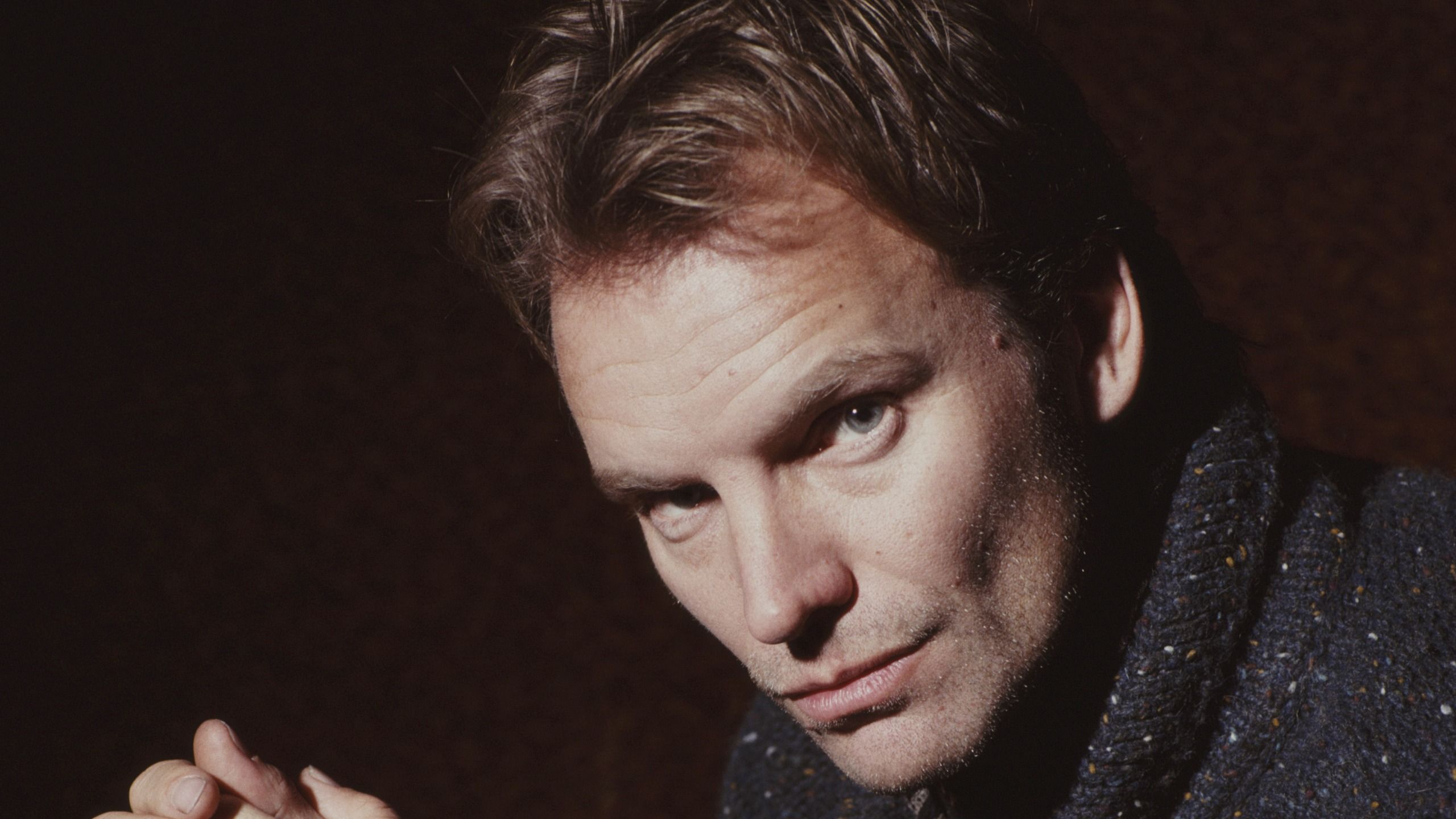
The thematic core of Fields of Gold is rooted in the immediate environment of Lake House. Sting has noted that the sight of the surrounding barley fields during harvest time—where the sunlight hits the stalks to create a shimmering, golden expanse—served as the primary visual catalyst for the lyrics. In his 2007 book, Lyrics By Sting, the artist elaborated on the song’s subtext, noting a primal, almost erotic connection between the landscape and the human experience. He observed that there is an inherent sensuality in the way the wind moves across the fields, a metaphor for the cyclical, enduring nature of love and promises made within the shelter of the seasons.
The song’s narrative is semi-autobiographical, framing a couple’s relationship against the backdrop of time’s inevitable passage. Lyrics such as "forget the sun in his jealous sky" and the imagery of "children running as the sun goes down" evoke a sense of fleeting innocence and the protective bonds formed between partners. For many listeners, the song also carries an undercurrent of mortality; the narrator’s request to be remembered when "the west wind moves upon the fields of barley" suggests a love that transcends the lifespan of the individuals involved, positioning their shared history as a permanent fixture of the landscape.
Musical Architecture and Performance
Musically, Fields of Gold is composed in the key of D major and maintains a steady, moderate tempo of approximately 104 beats per minute. While the song is anchored by Sting’s vocal delivery, the instrumental arrangement is arguably dominated by the contribution of Dominic Miller. On the original recording, Miller utilized a Guild Paloma nylon-string electro-acoustic guitar, processed with a subtle touch of chorus to achieve a warm, shimmering quality.

Miller’s role in the track extends beyond mere accompaniment. His high-string arpeggios serve as the song’s textural backbone, providing a counterpoint to the vocal melody. By the two-minute mark, the arrangement opens up, allowing Miller’s guitar to take center stage and effectively function as a secondary voice, carrying the primary melodic theme. This interplay between voice and guitar has become a hallmark of the Sting-Miller partnership, a dynamic that has persisted through decades of world tours and subsequent studio projects, including the 1993 follow-up single Shape of My Heart.
Commercial Performance and Cultural Legacy
Upon its release, Fields of Gold did not achieve immediate global domination in terms of chart position, peaking at No. 16 on the UK Singles Chart and reaching No. 23 on the US Billboard Hot 100. However, its longevity has far surpassed that of many of its contemporaries that achieved higher initial rankings. The song has become a staple of radio airplay and a standard for contemporary vocalists, owing to its harmonic accessibility and universal lyrical themes.
The track’s cultural footprint is evidenced by the sheer breadth of its cover versions. Notable interpretations include those by Eva Cassidy, whose posthumously released rendition is frequently cited as one of the most definitive versions of the song. Other artists who have recorded or performed the track include Ellie Goulding, Katie Melua, Pink, and a high-profile collaboration between Cliff Richard and Sir Barry Gibb. The versatility of the composition allows it to function equally well as an intimate acoustic piece or an orchestral-backed ballad, a testament to the strength of its underlying melody and chord progression.

Analysis of the Sting-Miller Partnership
The professional relationship between Sting and Dominic Miller is one of the most enduring in the music industry. Miller’s ability to intuit the emotional requirements of Sting’s songwriting has allowed for a level of consistency in the latter’s solo career. Miller has often spoken of his respect for the song, noting that he continues to feature it in his own solo sets. In a 2017 interview with All About Jazz, Miller reflected on this, stating that playing the song is a way of acknowledging the association that has defined much of his professional life.
Miller’s philosophy on guitar performance—prioritizing the use of fingers over picks to "work the guitar"—contributes to the organic, tactile sound of the recording. His insistence on using nylon-string guitars for specific songs, when the arrangement demands it, highlights a disciplined approach to tone that has preserved the integrity of Fields of Gold throughout various live iterations.
Reflections on Memory and Family
In recent years, Sting has provided further insight into the personal significance of the track. In a 2023 interview with People magazine, he revealed that performing the song often triggers memories of his wife, Trudie Styler, and their children during their formative years. He described the song as a "lovely memory," noting that its romantic nature often compels him to invite couples from the audience to dance on stage during live concerts. This interactive element has transformed the song from a recorded artifact into a living, participatory experience that bridges the gap between the artist’s private life and the public’s connection to the music.

Implications for Modern Songwriting
The enduring appeal of Fields of Gold offers several implications for the craft of songwriting. First, the song demonstrates the power of place-based inspiration. By grounding his lyrics in the specific, tangible reality of the Wiltshire countryside, Sting created a sense of place that resonates with listeners globally. Second, the track highlights the efficacy of minimalist arrangement. By focusing on a single, evocative guitar line rather than layering excessive production, the song retains a timeless quality that avoids the dated sonic signatures of early 1990s pop.
Finally, the song serves as a reminder of the importance of emotional resonance over immediate commercial impact. While its chart performance was respectable rather than record-breaking, its transition into the canon of modern standards proves that songs with profound thematic depth and refined musicality possess a greater capacity for long-term survival in the digital age.
As the music industry continues to evolve, Fields of Gold remains a quintessential example of how a well-crafted song, birthed in a moment of quiet reflection, can transcend its origins to become a permanent feature of the cultural landscape. Through its blend of pastoral imagery, expert musicianship, and deeply personal storytelling, the track continues to secure its place as a high-water mark in the career of one of modern music’s most consistent and influential songwriters. The ongoing legacy of the track is not merely a result of its melody, but of the authenticity that Sting and his collaborators brought to the recording studio at Lake House in 1993, creating a piece of art that remains as relevant today as it was at the time of its debut.
Related posts: