The digital audio workstation (DAW) software ecosystem continues to expand its offerings for music producers, mixing engineers, and sound designers through a robust selection of freeware audio processing tools. In the latest compilation of prominent freeware releases, developers ZL Audio, PSP Audioware, and simpleSoundbank have introduced high-caliber plugins designed to address mastering constraints, vintage tonal shaping, and creative transitional effects. These additions reflect a broader industry trend where independent software developers and established commercial brands alike leverage zero-cost tier software to reach wider audiences while maintaining professional-grade audio standards.
Evolution of Freeware in Professional Audio Production
Historically, the boundary between consumer-grade freeware and commercial studio plugins was distinct, often separated by audio fidelity, stability, and feature sets. However, over the past decade, independent developers and boutique manufacturers have leveraged advanced digital signal processing (DSP) research to narrow this gap significantly. Freeware releases no longer merely serve as introductory trials or stripped-down iterations of paid products; many function as flagship solutions within professional mixing and mastering workflows.
The introduction of tools such as ZL Limiter and ClassicQlite exemplifies this paradigm shift. Engineers operating on constrained budgets now possess access to oversampling architectures, precise transient management, and vintage-modeled saturation algorithms that previously required substantial financial investment. This democratization of audio production tools has fundamentally altered how bedroom producers and professional studios alike construct their plugin chains, proving that high-end mathematical modeling and intuitive user interface (UI) design are no longer exclusive to legacy commercial entities.
ZL Audio ZL Limiter: Advanced Open-Source Mastering Architecture
Building upon a reputation established by widely adopted freeware such as ZL Equalizer 2, ZL Compressor, and ZL Spectrum Equalizer, developer ZL Audio has expanded its catalog with the release of ZL Limiter. Designed to meet the modern commercial demand for high loudness levels without sacrificing dynamic integrity, this open-source mastering limiter provides a comprehensive suite of tools traditionally reserved for premium commercial processors.
Technical Specifications and DSP Capabilities
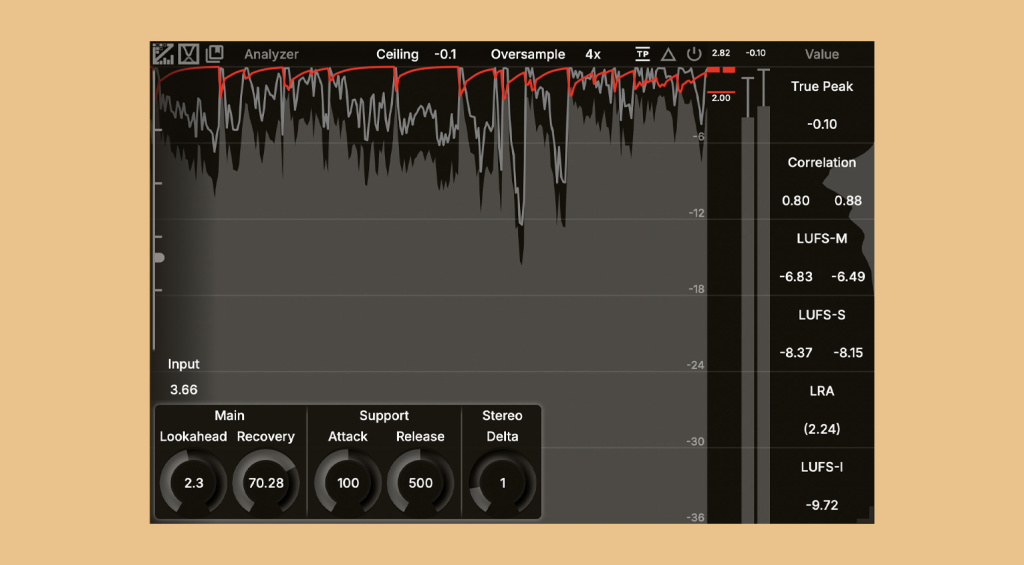
At the core of ZL Limiter’s architecture is an oversampling engine capable of operating at up to 32x oversampling. This high-resolution processing minimizes aliasing distortion and provides rigorous control over inter-sample peaks (ISPs), ensuring that master files translate accurately across consumer playback systems and lossy streaming codecs.
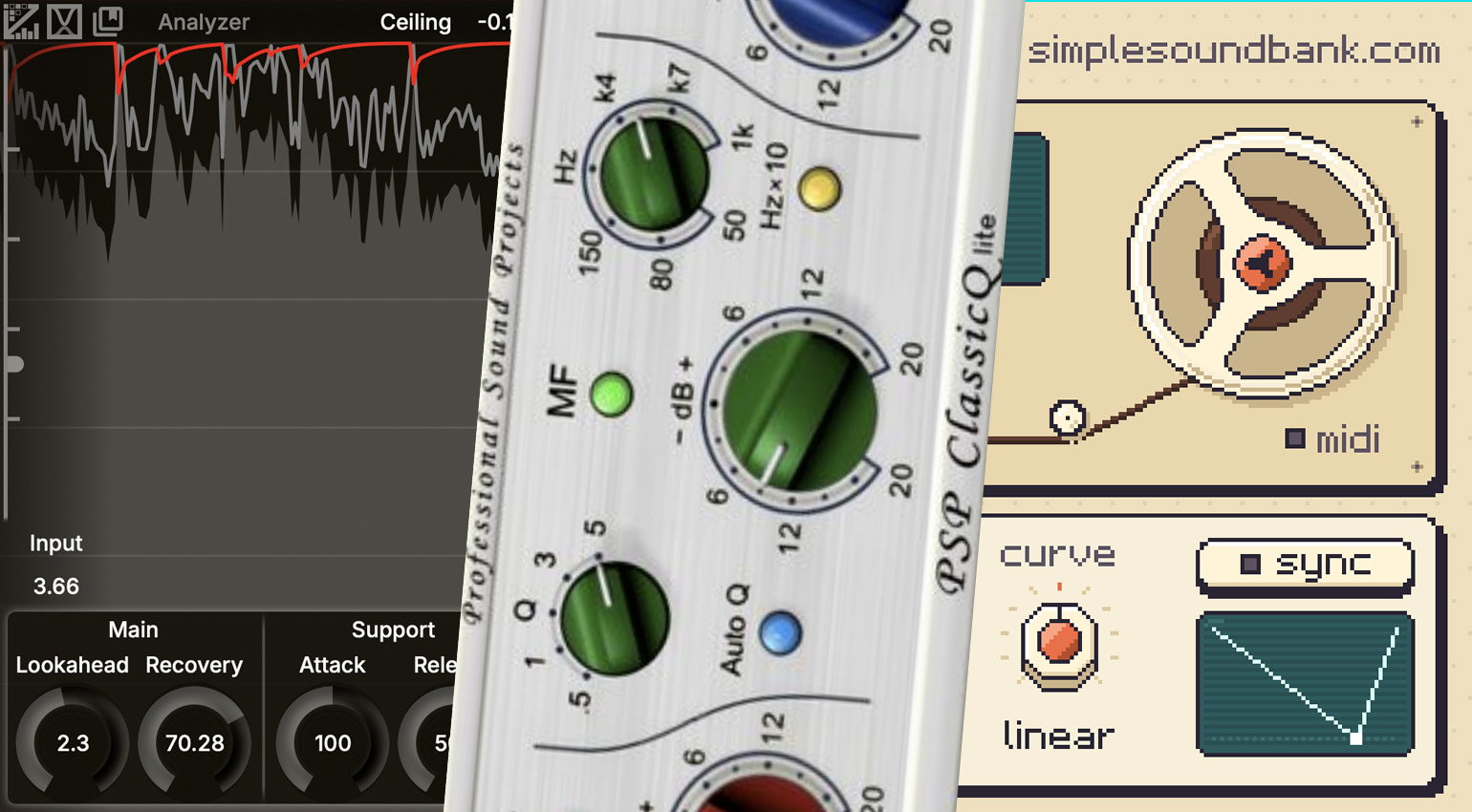
Beyond standard brickwall peak attenuation, the plugin integrates advanced transient protection mechanisms. Users can fine-tune response behaviors via adjustable lookahead times, adaptive recovery settings, and independent attack and release controls. Furthermore, the inclusion of a stereo delta control allows engineers to monitor and preserve spatial stereo width during heavy compression phases.
Workflow Integration and Accessibility
Despite housing a complex DSP engine, the interface prioritizes operational efficiency. Eschewing overly ornate skeuomorphic designs, ZL Limiter implements a structured graphical user interface featuring a real-time waveform display. This visual feedback loop enables engineers to instantly identify problematic transients and monitor gain reduction trends accurately.
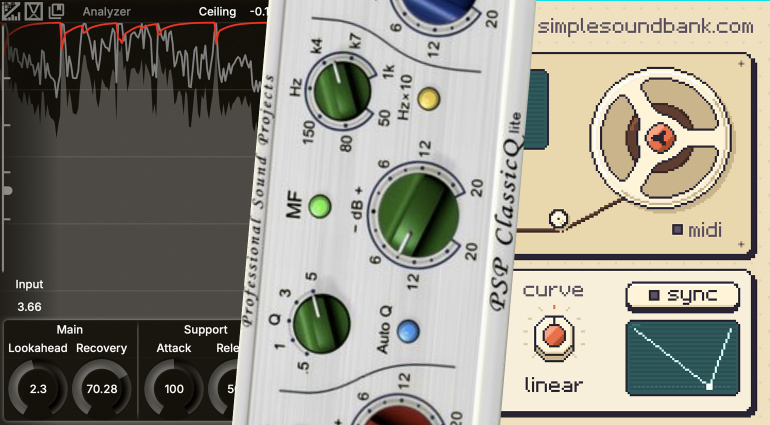
ZL Limiter is distributed as a cross-platform solution supporting macOS, Windows, and Linux operating systems, with compatibility spanning VST3, AU, and LV2 plugin architectures. By maintaining an open-source framework, ZL Audio continues to foster community-driven development and transparency within the audio engineering sphere.
PSP Audioware ClassicQlite: Bringing British Console Heritage to the Freeware Market
PSP Audioware, an established name in commercial DSP development known for vintage emulations and professional mixing tools, has introduced ClassicQlite. Derived directly from the company’s proprietary ClassicQ plugin—currently retailed as a commercial asset—this lightweight equalizer brings the sonic characteristics of classic British mixing consoles, notably early Neve hardware topologies, to a zero-cost distribution model.
Filter Topology and Saturation Modeling
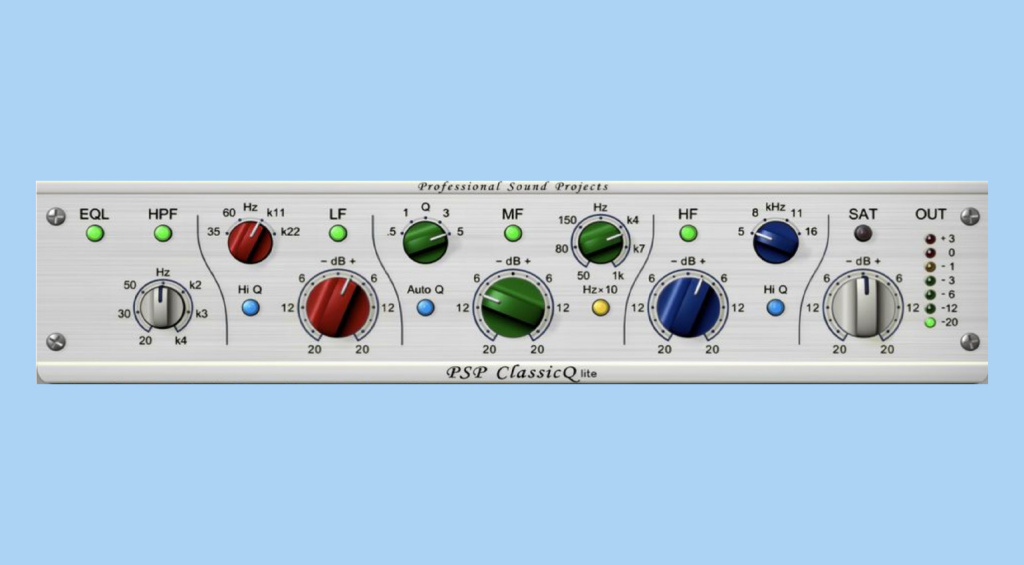
ClassicQlite replicates the musical curve shapes and phase responses associated with vintage discrete transistor consoles. The processor features an adjustable high-pass filter to clean up low-frequency rumble, complemented by high and low shelving bands with switchable Q characteristics. For surgical and broad midrange adjustments, the plugin includes a parametric bell filter equipped with an Auto Q mode, which dynamically adjusts the filter bandwidth based on the gain increment to maintain musicality.
To further emulate the harmonic distortion characteristics of vintage analog circuitry, ClassicQlite incorporates PSP’s second-generation saturation algorithm. This module introduces subtle analog-style drive and warmth while acting as an internal safeguard against unwanted digital clipping during aggressive equalization tasks.
Compatibility and System Requirements
Designed for broad integration into professional environments, PSP ClassicQlite is compatible with macOS and Windows systems. It supports a comprehensive array of plugin formats, including VST, VST3, AU, and AAX, making it readily deployable across major DAWs such as Pro Tools, Logic Pro, Ableton Live, and Steinberg Cubase.
simpleSoundbank simpleTapeStop: Creative Transitional Effects
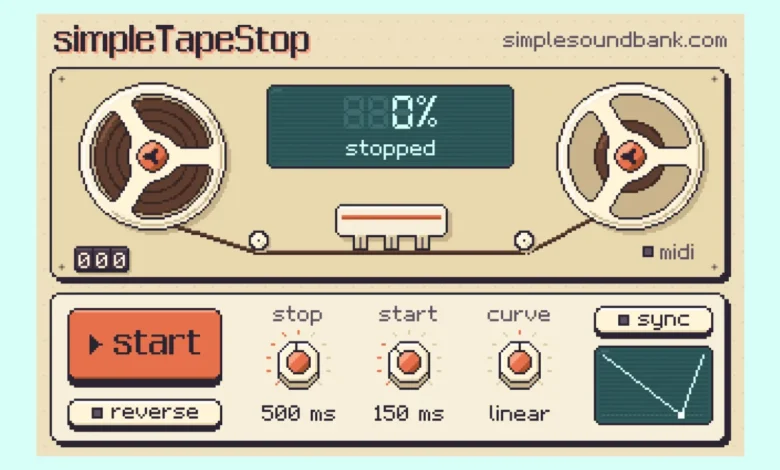
Rounding out the weekly release cycle is simpleTapeStop by simpleSoundbank. While the tape-stop effect—simulating the deceleration and acceleration of a physical magnetic tape machine—is a well-established creative tool in modern electronic music, sound design, and hip-hop production, simpleSoundbank aims to streamline the workflow with targeted operational controls.
Operational Mechanics and MIDI Integration
The utility functions by inserting directly onto individual audio tracks, auxiliary buses, or master output channels. Upon engaging the primary stop control, the audio playback decelerates according to user-defined parameters, mimicking the loss of motor power on a vintage tape deck. Releasing the control initiates the acceleration phase back to standard pitch and tempo.
For dynamic live performance and studio automation, the effect can be triggered via incoming MIDI data or drawn directly into DAW automation lanes. Unlike rudimentary tape stop utilities, simpleTapeStop allows engineers to adjust start and stop times independently, facilitating asymmetric transition curves.
Advanced Features
To ensure seamless integration within rhythm-driven arrangements, the plugin features a tempo-sync mode, allowing start and stop durations to be locked to specific musical subdivisions (such as bars, beats, or fractional values). Additionally, a built-in reverse mode enables creative sound design maneuvers by instantly flipping playback direction upon activation.
simpleTapeStop is available for macOS, Windows, and Linux operating systems, with broad format support covering VST3, AU, CLAP, and LV2 standards.
Industry Implications and Future Outlook
The continuous release of professional-grade freeware plugins highlights an ongoing evolution in music technology economics. As independent developers refine open-source frameworks and established companies utilize tiered software strategies, the barrier to entry for producing commercially competitive audio drops significantly.
For independent creators, tools like ZL Limiter, ClassicQlite, and simpleTapeStop provide enterprise-level capabilities without the associated capital expenditure. As these software ecosystems mature, the differentiation between commercial plugins and high-end freeware will likely rely less on core sonic performance and more on specialized workflow integrations, advanced GUI innovations, and ecosystem-specific expansions. Producers and engineers are encouraged to monitor plugin repositories and developer archives to continuously update their digital toolkits with these evolving resources.