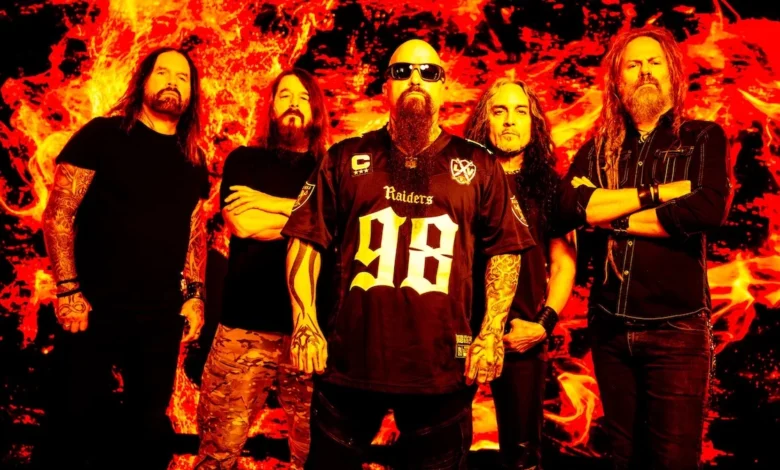
The release of "My War," the lead single from Kerry King’s upcoming sophomore solo album The End of All Gods, signals a pivotal moment in the evolution of modern thrash metal. Following the dissolution of Slayer in 2019, the guitar legend has transitioned from the foundational pillars of the "Big Four" into a solo career that prioritizes both continuity and a refreshed creative direction. As the industry observes this transition, "My War" stands as a testament to the longevity of King’s signature sound—defined by dissonance, breakneck speeds, and an unrelenting, aggressive aesthetic—while highlighting the cohesive strength of his new ensemble.
A Legacy in Transition: From Slayer to Solo
The dissolution of Slayer, one of the most influential thrash metal bands in history, was a landmark event in the heavy music landscape. When the band concluded its final world tour in 2019, the metal community was left with a vacuum that many wondered how to fill. The decision to retire was widely documented as being driven by bassist and vocalist Tom Araya’s desire to step away from the rigors of touring and recording. For Kerry King, however, the creative drive that defined his four-decade career remained unsatisfied.
The path to his solo project was not immediate. The onset of the global pandemic in 2020 necessitated a strategic pause in the music industry, delaying King’s return to the studio. It was not until 2024 that the project fully materialized, culminating in a debut album that received significant critical attention for its fidelity to the thrash genre’s roots. By integrating talent from across the metal spectrum—including former Slayer drummer Paul Bostaph, guitarist Phil Demmel of Machine Head fame, vocalist Mark Osegueda of Death Angel, and bassist Kyle Sanders of Hellyeah—King established a lineup that possesses both technical pedigree and a collective understanding of the thrash idiom.
Musical Analysis of My War
"My War" serves as the primary sonic indicator for the direction of The End of All Gods. The track is characterized by a rapid-fire tempo and a dense, aggressive riff structure that harkens back to the mid-1980s peak of the genre. Music critics have noted a specific stylistic parallel in the track: a more aggressive, modernized iteration of the Judas Priest aesthetic, refined through the lens of extreme metal.
The vocal performance by Mark Osegueda is a central component of the track’s impact. Osegueda, long regarded as a technical master within the thrash community, delivers a performance that balances melodic grit with the necessary intensity to match King’s percussive guitar work. Unlike many solo projects that suffer from a "demo-like" quality—where the instrumentation feels disconnected or auxiliary—"My War" benefits from the synergy of a full, functioning band. The interplay between Bostaph’s percussion and the intricate, dissonant guitar leads serves to reinforce the song’s structural integrity.
The Broader Context of Thrash Metal’s Evolution
The release of this track occurs within a broader industry context where legacy artists are increasingly navigating the balance between maintaining their foundational sound and adapting to modern production standards. Kerry King remains one of the primary architects of the psychedelic, atonal approach that helped spawn sub-genres like death and black metal. His influence on the technical development of extreme metal cannot be overstated.
By releasing The End of All Gods in the current climate, King is engaging with a demographic of listeners that spans generations—from those who experienced the birth of thrash in the early 1980s to younger audiences who have discovered the genre through contemporary digital platforms. This release provides a bridge between the historical significance of Slayer’s catalog and the future trajectory of heavy metal.
Honorable Mentions and Industry Landscape
The current heavy metal landscape is marked by a flurry of activity from legacy figures, reflecting a period of profound productivity among established artists.
Bruce Dickinson: Speaking in Tongues
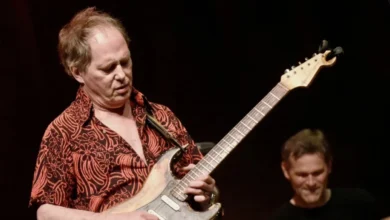
The release of "Speaking in Tongues" by Bruce Dickinson serves as a poignant reminder of the enduring nature of classic heavy metal vocalists. Nearing 70, Dickinson continues to maintain a rigorous touring schedule with Iron Maiden. "Speaking in Tongues" offers a different sonic profile than King’s thrash-oriented output, favoring a mid-paced, occult-influenced atmosphere that resonates with his work on The Chemical Wedding. The track suggests a departure from the "mad sergeant" vocal intensity of his youth, moving toward a more stately, operatic delivery that reflects his experience and longevity.
Replicant: Anti-Cosmic Spiral
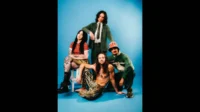
Representing the contemporary technical death metal scene, the band Replicant has released "Anti-Cosmic Spiral" as part of their split record Indomitable Hostility. This track highlights a move toward abstract, dissonant composition. Eschewing the traditional reliance on simple, chugging rhythms, Replicant utilizes a "brutalist" approach to song structure, emphasizing non-linear progressions and complex, layered instrumentation. It serves as a stark contrast to the more traditional thrash sound championed by King, illustrating the wide divergence of styles currently thriving under the "heavy" umbrella.
Trivium: The Terror
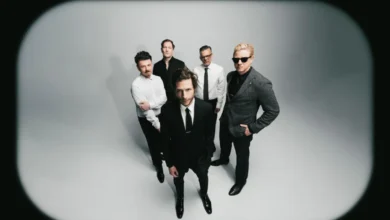
Trivium’s "The Terror" represents the fusion of various metal lineages. By incorporating elements of progressive metal—reminiscent of Queensryche and Ihsahn—with their established radio-friendly thrash style, the band continues to challenge the boundaries of their own sound. This approach has earned them significant respect within the underground metal community, as they demonstrate a willingness to experiment rather than relying on established commercial formulas.
Fact-Based Analysis of Market Implications
The industry impact of these releases is significant. For artists like Kerry King and Bruce Dickinson, the primary challenge is to maintain artistic relevance while fulfilling the expectations of a legacy fanbase. The critical reception of these tracks suggests that there remains a robust market for high-production-value heavy music that adheres to traditional, genre-defining principles.
The inclusion of diverse tracks, such as those by Replicant and Trivium, indicates that the heavy metal market is not monolithic. Instead, it is a highly segmented industry where technical complexity, atmospheric depth, and aggressive simplicity all find dedicated audiences. As digital streaming continues to democratize access to these varied sounds, artists are finding it increasingly necessary to differentiate their work through high-concept imagery and distinct, evolved production techniques.
Future Outlook
As the release of The End of All Gods approaches, the industry is closely monitoring the trajectory of Kerry King’s solo project. The success of "My War" suggests that the project has successfully navigated the transition from a post-Slayer venture to a legitimate, functioning band. The implications for the thrash metal genre are clear: while the foundational giants of the 1980s may have moved on from their original banners, the creative impulse that built the genre continues to evolve.
Whether through the technical death metal of the underground or the refined, legacy-driven thrash of artists like King, the genre remains in a state of constant, aggressive flux. "My War" is not merely a song; it is a signal that the architects of the past remain key contributors to the sound of the future. As fans and critics alike prepare for the full album release in the coming months, the discourse surrounding King’s work serves as a microcosm for the resilience and continuous innovation inherent in the global heavy metal community.
This period of activity, from the thrash-heavy focus of King to the atmospheric experimentation of his peers, ensures that the heavy metal genre will continue to exert a dominant influence on the broader rock and metal industry for the foreseeable future. The alignment of these releases—all within the same week—underscores a vibrant, competitive, and highly active landscape where legacy and modernity converge.
Related posts: