The Echoes of the Hill: Justin Showah and the Preservation of North Mississippi’s Hypnotic Blues Tradition

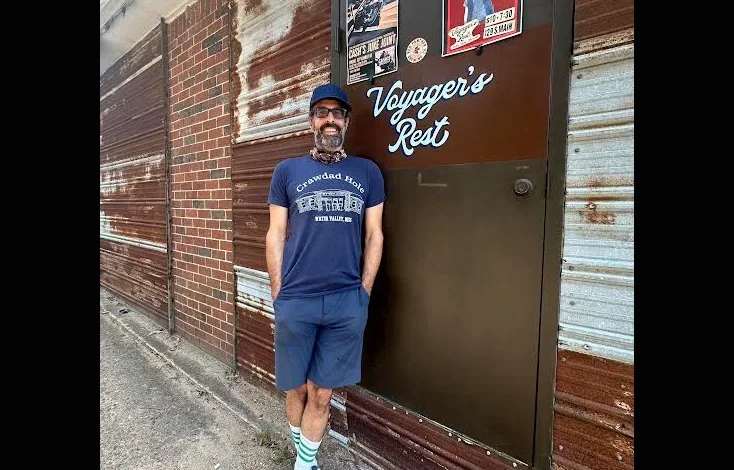
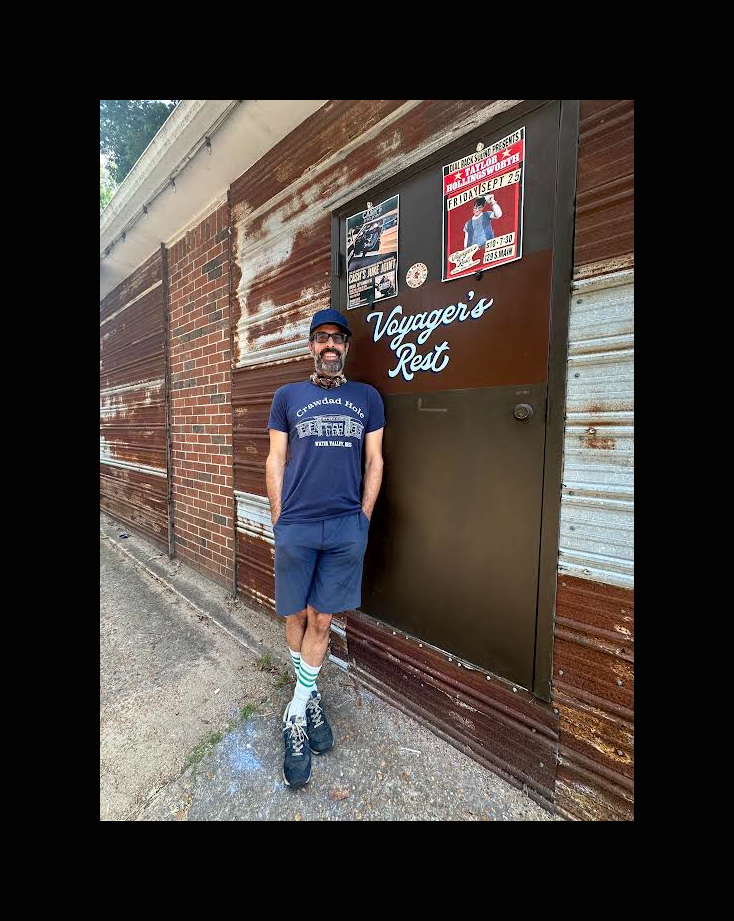
The musical landscape of North Mississippi is defined not merely by the recordings found in archival libraries or digital streaming services, but by the ephemeral, unrecorded moments that materialize in rural juke joints, timber camps, and intimate backyard gatherings. For Justin Showah, a bassist, sound technician, and label founder, these fleeting performances represent the heartbeat of a tradition built on communal improvisation and shared experience. As the founder of Hill Country Records and the proprietor of the Water Valley music venue Voyager’s Rest, Showah has dedicated his career to documenting and sustaining a genre that, by its very nature, often resists the permanence of the studio.
The Hill Country blues sound—characterized by its hypnotic, repetitive structures and lack of traditional chord changes—is a distinct departure from the more structured Delta blues of the south. It is a music of trance and endurance, where musicians lock into a singular, driving groove that can sustain a room for hours. Showah’s immersion into this world began during his undergraduate years at the University of Mississippi, where he first encountered the foundational works of R.L. Burnside and Junior Kimbrough. While he initially navigated the scene as an observer, his trajectory shifted in 2000 while serving as the house bassist for an Oxford radio program. It was there he met Guelel Kumba, a Senegalese guitarist whose project, Afrissippi, bridged the gap between West African traditional music and the North Mississippi aesthetic.
A Chronology of Cross-Continental Connection
The synthesis of West African musical traditions and the Hill Country sound is not merely coincidental; it is a historical alignment of rhythm and cultural memory. Scholars of Southern studies have long identified the retention of West African polyrhythms and scale structures within the American South. Showah’s work with Afrissippi served as a practical application of this research. The connection is perhaps best exemplified by the work of the late Malian guitarist Ali Farka Touré, whose rhythmic sensibilities mirrored those of Kimbrough.
The lineage of this music is best understood through a timeline of evolution:
- 1960s–1980s: The era of the "juke house" circuit in North Mississippi, where the hypnotic, repetitive style of artists like Burnside and Kimbrough matured in isolation from commercial recording pressures.
- 2000: Justin Showah begins his professional association with Guelel Kumba, formalizing the Afrissippi collaboration.
- 2007: The accidental recording of L.C. Ulmer and Showah in Italy leads to the release of Long Ways from Home, marking a pivotal moment in the documentation of the older generation.
- 2011: The release of Blues Come Yonder on Hill Country Records, a studio project that sought to capture the essence of L.C. Ulmer’s multi-instrumental expertise.
- 2023: The opening of Voyager’s Rest in Water Valley, shifting the focus toward a modern, communal space for live performance.
The Mythos and Reality of L.C. Ulmer
Central to Showah’s preservation efforts was his mentorship under L.C. Ulmer, a figure whose life story mirrors the broader, often untold history of the region. Born in the Piney Woods region—a geography with a blues tradition distinct from the Delta due to its roots in timber camp labor—Ulmer was a master of the guitar, banjo, mandolin, and piano. His life was a testament to the resilience of the itinerant musician; he worked as a spike driver on the Pontchartrain Bridge, served in the military, and spent 35 years as a truck driver in Illinois.
Ulmer’s reluctance to record was not born of a lack of talent, but of a cultural ethos that viewed music as a functional component of community life. In the context of his upbringing, a song was meant to provide relief from labor or to accompany a social gathering; the commercial product was often viewed as a secondary, if not irrelevant, concern. Showah’s efforts to record Ulmer required a delicate balance between documenting a legacy and respecting the artist’s preference for live, collaborative performance over the solitary "one-man band" format.
Economic and Social Implications of the Hill Country Scene
The decline of the live music scene in Oxford since the 1990s has shifted the geography of the blues. During that decade, the city supported a diverse ecosystem of rock, jazz, soul, and bluegrass, with venues like Proud Larry’s acting as a primary anchor. Today, the focus has moved to smaller, owner-operated venues that emphasize intimacy over commercial scale.
The economic model of Hill Country Records, founded by Showah, reflects this shift. Rather than chasing widespread commercial reach, the label functions as a "family situation," prioritizing the release of music by artists like Eric Deaton, Jimbo Mathus, and Robert Reed. This grassroots approach ensures that the music remains tethered to the community that produced it. The implications of this are significant: by removing the pressure of high-volume sales, artists are afforded the freedom to experiment, ensuring the genre evolves through the next generation of performers, including Cedric Burnside, Gary Burnside, and Trenton Ayers.
The Ritual of Performance: Music as a Communal Language
The "hypnotic" quality of the music is more than an aesthetic choice; it is a structural mechanism for inducing a shared trance state. Showah observes that when a musician locks into a repetitive pattern, the barrier between the performer and the audience dissolves. This is a recurring theme in the history of North Mississippi music, where the environment often dictates the performance.
Showah recounts instances where the elements became part of the music—such as a performer digging a trench to divert rainwater during a storm while continuing to play. These moments are lost to time precisely because they were never meant for a digital archive; they were intended for the participants present at that specific place and time. This communal spirit was recently evidenced by a benefit concert organized at Voyager’s Rest for musician Kenny Kimbrough following a house fire. The event, which drew local performers and community members, raised nearly $20,000, illustrating that the values of the Hill Country blues scene remain intact.
Modern Infrastructure and Future Projections
Voyager’s Rest, located in Water Valley, serves as a modern manifestation of the "freak zone" ethos pioneered by the late Ron Shapiro of the Hoka Theater. With a capacity of fewer than 60 people, the venue functions as an incubator for experimental blues and roots music. The integration of culinary arts—where performers share dishes from their cultural backgrounds, such as West African maafe or regional gumbo—further emphasizes the holistic approach to community building.
Data from the regional music circuit suggests that while the audience for traditional blues has fluctuated, the interest in "authentic", unpolished, and improvisational performances has remained consistent among niche demographics. The success of the Hill Country Picnic and similar festivals indicates that there is a sustainable, albeit non-mainstream, market for this music.
Looking toward 2027, Showah aims to solidify this infrastructure with a new festival project. By maintaining a space where the "musical language" can transcend geographical barriers, he is ensuring that the lineage of the Hill Country blues continues to move forward. As Showah suggests, the music "just seeps out" of the region. It is a natural process of cultural inheritance that requires no intervention to exist, but it benefits immensely from the structures of preservation—the records, the venues, and the community gatherings—that ensure it remains accessible to future generations.
In conclusion, the work of Justin Showah serves as a bridge between the historical roots of the Hill Country blues and its future trajectory. By documenting the unrecorded, supporting the multi-generational lineages of families like the Kimbroughs and Burnsides, and creating spaces that prioritize the communal experience over the commodified product, he has ensured that the "World Boogie" envisioned by Jim Dickinson remains a vibrant, evolving language. The music of North Mississippi is not a museum piece; it is a living, breathing tradition that continues to find new ways to speak across the barriers of language, culture, and time.