Philipp Jung, Co-Founder of Get Physical Music and Half of M.A.N.D.Y., Passes Away at 55, Leaving a Profound Legacy in Electronic Music.


The electronic music world is mourning the loss of Philipp Jung, a pivotal figure who co-founded the influential Get Physical Music label and formed one half of the acclaimed DJ and production duo M.A.N.D.Y. Jung passed away at the age of 55, leaving behind an indelible mark on the global dance music landscape. His contributions, spanning over two decades, helped define a significant era of electronic sound, particularly through the development and popularization of melodic and minimal house, which resonated from Berlin’s underground clubs to international festival stages. The news of his passing was met with profound sadness across the industry, with colleagues, artists, and fans expressing grief for a visionary whose work shaped countless careers and enriched the cultural fabric of dance music.
The Genesis of an Electronic Music Visionary
Born in Germany, Philipp Jung’s journey into the heart of electronic music began well before the turn of the millennium, immersing himself in the burgeoning scenes that would eventually coalesce into the global phenomenon it is today. While specific details of his earliest musical endeavors remain less publicized, it is clear that his foundational experiences imbued him with a keen understanding of electronic music’s potential, both as an art form and a cultural movement. This deep-seated passion and foresight would prove crucial in the early 2000s when he, alongside a cohort of like-minded artists, began to actively sculpt the sound that would become synonymous with Berlin’s post-millennium electronic identity. His role was not just as a musician or a label boss, but as a curator and tastemaker, possessing an innate ability to identify emerging trends and nurture groundbreaking talent. His approach was always rooted in a desire to push boundaries, to explore the sonic fringes while maintaining an accessible, groove-oriented appeal. This dual sensibility would become a hallmark of his work, influencing everything from the track selection in his DJ sets to the artistic direction of his labels.
M.A.N.D.Y.: Pioneering a New Melodic and Minimal Sound
The early 2000s marked a transformative period for electronic music, particularly in Berlin, which was rapidly establishing itself as a global epicenter for innovative sounds. It was during this fertile era, specifically in 2002, that Philipp Jung teamed up with Patrick Bodmer to form M.A.N.D.Y. (an acronym derived from the first letters of their names combined with a playful nod to a fictional character). The duo quickly distinguished themselves with a sound that was both fresh and deeply infectious. They pioneered a unique blend of melodic, minimal house and techno, characterized by intricate percussive patterns, hypnotic basslines, and emotive synth melodies that eschewed the often harsher, more industrial sounds prevalent in some techno circles at the time.
M.A.N.D.Y.’s emergence coincided with a broader shift in electronic music towards more nuanced, introspective, yet still dancefloor-effective compositions. Their tracks often built slowly, creating a palpable tension and release that captivated audiences worldwide. This innovative approach garnered them international recognition and a devoted following. Key releases such as "Tonite," released in 2005, became anthems in clubs and at festivals, showcasing their ability to craft tracks that were both musically sophisticated and universally appealing. Perhaps their most iconic collaboration was "Body Language," a track produced with fellow Berlin artists Booka Shade. Released in 2005, "Body Language" became a global sensation, a defining track of the mid-2000s electronic music scene that transcended genre boundaries and introduced M.A.N.D.Y. and Get Physical Music to an even wider audience. Its infectious rhythm and memorable melodic hooks cemented its status as a classic, frequently cited in discussions about the era’s most influential tracks. The success of these records not only elevated M.A.N.D.Y.’s profile but also shone a bright spotlight on the burgeoning sound emerging from Berlin and, crucially, on the newly formed Get Physical Music label.
Founding Get Physical Music: A Berlin Institution Takes Root
The year 2002 was doubly significant for Philipp Jung, as it saw not only the formation of M.A.N.D.Y. but also the co-founding of Berlin-based label Get Physical Music. This venture was a collaborative effort, bringing together a formidable group of artists and industry figures: Jung and Patrick Bodmer of M.A.N.D.Y., Thomas Koch (better known as DJ T.), and Walter Merziger and Arno Kammermeier of Booka Shade, along with Peter Hayo. This collective of talents shared a common vision: to create a platform that would champion innovative electronic music, particularly focusing on the melodic, minimal, and deep house sounds they were all exploring.
Get Physical Music quickly established itself as a beacon of quality and innovation. In an era where digital music distribution was still nascent and vinyl remained king, Get Physical built its reputation on meticulously curated releases, distinctive artwork, and a clear sonic identity. The label’s early releases were instrumental in shaping the sound of the mid-2000s, providing a consistent output of tracks that were both artistically challenging and highly functional for DJs. It became one of the most renowned imprints in electronic music, known for its consistent quality and its ability to consistently break new artists while nurturing established ones. The label’s success was not just commercial; it fostered a strong sense of community among its artists and listeners, becoming a crucial reference point for anyone interested in the evolving landscape of house and techno.
Expanding Horizons: Kindisch and METAPHYSICAL
Jung’s creative and entrepreneurial spirit extended beyond Get Physical Music. Recognizing the need for diverse artistic outlets and to explore different facets of electronic sound, he helped steer the creative direction of Get Physical’s sister label, Kindisch. Launched to cater to a slightly different sonic palette, Kindisch focused on deeper, more hypnotic late-night and experimental sounds. This imprint provided a home for tracks that might be too subtle or atmospheric for Get Physical’s more dancefloor-oriented output, allowing artists to delve into intricate textures and extended grooves, often blurring the lines between house, techno, and ambient. Kindisch became known for its ethereal qualities, attracting artists who specialized in crafting immersive sonic journeys.
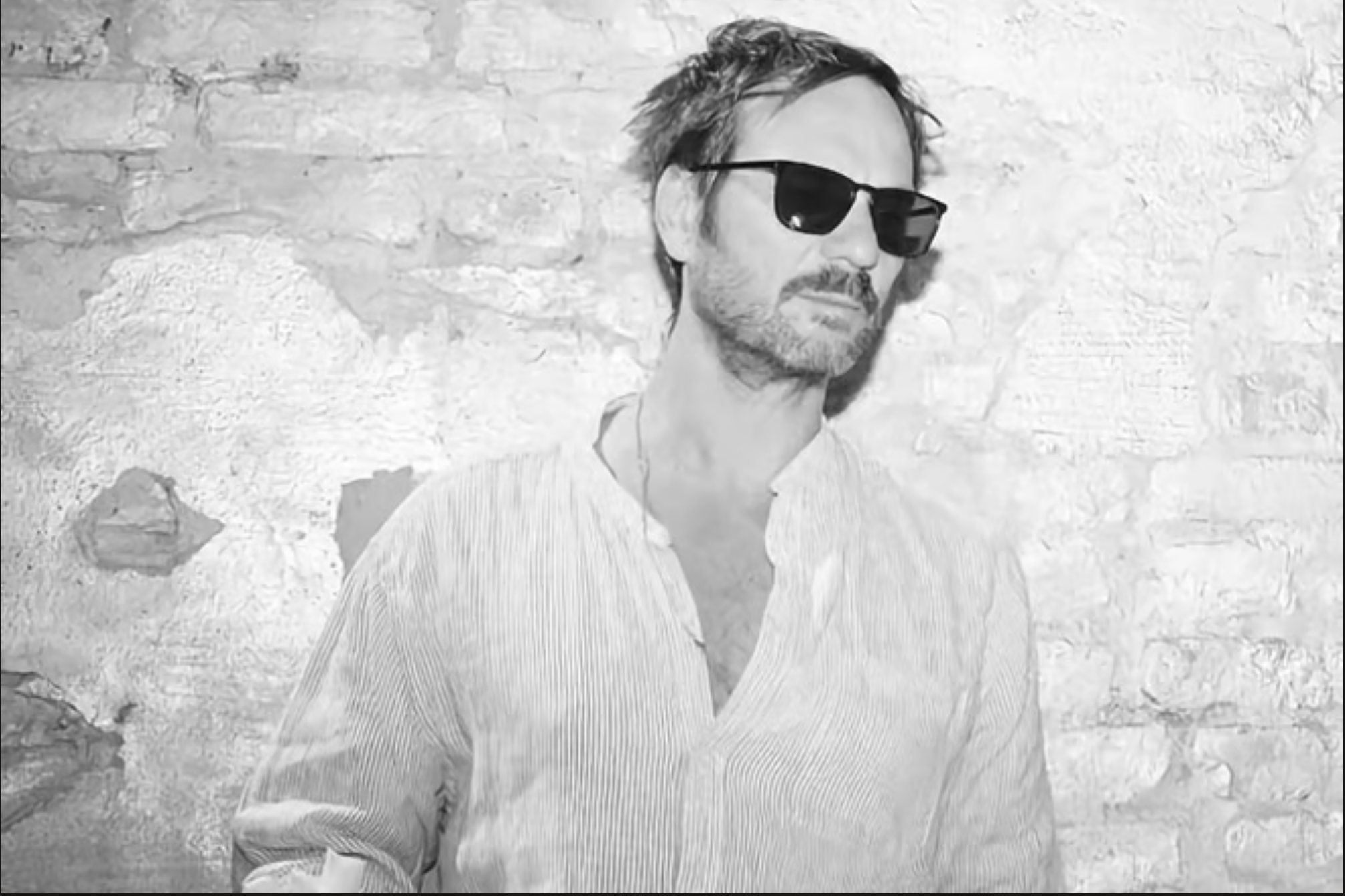
Further demonstrating his commitment to artistic exploration, Jung later launched METAPHYSICAL. This imprint was conceived as an LP-focused platform, providing artists with the space and freedom to explore broader, non-club structures. METAPHYSICAL ventured into realms like indie-dance, ambient soundscapes, and experimental electronica, showcasing Jung’s desire to transcend conventional genre classifications. It was a testament to his belief in the album format as a cohesive artistic statement, allowing for deeper narrative and sonic exploration beyond the confines of single tracks designed for DJ sets. Through Kindisch and METAPHYSICAL, Jung ensured that his labels offered a comprehensive spectrum of electronic music, catering to diverse tastes and encouraging artistic freedom. These ventures underscored his role not just as a label manager, but as a true patron of innovative music, always seeking to expand the boundaries of what electronic music could be.
A Shift in Focus: Health, Curation, and New Ventures
After decades of intensive touring with M.A.N.D.Y., a lifestyle that demands relentless travel, late nights, and constant performance, Philipp Jung made the significant decision to step back from the duo around 2018. This pivotal moment marked a shift in his priorities, as he chose to focus more intently on his health, his extensive label work, and exploring new creative avenues that offered a different pace and perspective. This decision reflected a growing trend among long-serving artists in the electronic music scene to prioritize well-being and find sustainable ways to continue their passion for music outside the demanding grind of constant touring.
In his later years, Jung divided his time between the vibrant electronic music hub of Berlin and the tranquil, natural beauty of Costa Rica. This geographical split mirrored his professional evolution, allowing him to maintain connections with the industry while also fostering a personal environment conducive to reflection and new creative pursuits. During this period, he dedicated himself to various curatorial projects, meticulously delving into the rich archives of Get Physical Music. One notable project was "Rewind Forward Vol. 1," an initiative that demonstrated his deep appreciation for the label’s history and his commitment to recontextualizing its seminal works for new audiences. This project, along with others, allowed him to revisit key moments from the Get Physical catalog, highlighting their enduring relevance and introducing them to a new generation of listeners. Furthermore, Jung remained an active champion of emerging talent, consistently scouting and nurturing new artists whose sounds aligned with the innovative spirit he had always embodied. His later work showcased a refined perspective, moving from the frontline of performance to a more introspective, guiding role within the industry, yet never losing his passion for discovery and musical evolution.
A Community in Mourning: Tributes and Legacy
The news of Philipp Jung’s passing reverberated throughout the electronic music community, eliciting a widespread outpouring of grief and heartfelt tributes. XLR8R, a publication that shared a close relationship with Jung, expressed profound heartbreak, stating, "Philipp was a close friend and collaborator to XLR8R and its staff and family. We are heartbroken and will miss him!" This sentiment was echoed by countless artists, DJs, producers, label executives, and fans across social media platforms and industry forums. Resident Advisor, another leading electronic music publication, quickly compiled a comprehensive collection of artist tributes, showcasing the immense respect and affection Jung commanded within the global scene.
These tributes painted a picture of a man who was not only a pioneering artist and shrewd businessman but also a kind, generous, and inspiring individual. Many recalled his infectious enthusiasm, his unwavering support for new talent, and his profound influence on their own musical journeys. Colleagues spoke of his collaborative spirit, his visionary leadership at Get Physical, and his ability to foster a nurturing environment for creativity. Artists who had released on his labels often credited him with providing them a crucial platform and guidance. Fans shared memories of his unforgettable DJ sets and the emotional resonance of M.A.N.D.Y. tracks, highlighting how his music had soundtracked pivotal moments in their lives. The collective mourning underscored the depth of his impact, revealing that his legacy extended far beyond mere discographies and label rosters; it encompassed a vibrant community he helped to build and inspire.
The Enduring Influence on Electronic Music
Philipp Jung’s contributions to the electronic music ecosystem were truly groundbreaking and have left an enduring legacy that continues to shape the genre. His work with M.A.N.D.Y. and Get Physical Music did not merely follow trends; it set them. In the early 2000s, as electronic music was diversifying rapidly, Jung and his collaborators provided a crucial anchor point, championing a sound that was both sophisticated and universally appealing. The melodic, minimal house sound he helped pioneer became a global phenomenon, influencing countless producers and DJs and finding a permanent place in the canon of electronic music.
Get Physical Music, under his guidance, became more than just a record label; it evolved into a cultural institution. Its distinctive sound, coupled with its commitment to artistic integrity, made it a benchmark for quality. The label’s success demonstrated that commercially viable electronic music could also be artistically profound. It served as a launchpad for numerous artists who would go on to achieve international acclaim, solidifying Berlin’s reputation as a hotbed of electronic innovation. The expansion into sister labels like Kindisch and METAPHYSICAL further showcased Jung’s foresight and his dedication to fostering diverse sonic explorations, proving that a label could maintain its core identity while branching out into more experimental territories.
Beyond the music itself, Jung’s career trajectory offers insights into the evolving demands of the music industry. His decision to step back from intensive touring to focus on health and label curation highlighted a growing awareness within the industry about sustainability and well-being for artists. His continued dedication to discovering new talent and curating historical catalogs in his later years solidified his role as a perpetual tastemaker and guardian of electronic music’s rich history. Philipp Jung’s impact can be measured not just in record sales or chart positions, but in the countless lives touched by his music, the careers he helped launch, and the vibrant, innovative sound he helped to forge. His vision, passion, and relentless pursuit of musical excellence will continue to resonate for generations to come, ensuring his place as one of electronic music’s most revered figures. The void left by his passing is immense, but his spirit and his monumental contributions will undoubtedly continue to inspire and shape the future of dance music.
Related posts: