Brian Cid Releases Free Remix of M.A.N.D.Y.’s ‘Body Language’ as Heartfelt Tribute to Late Producer and Get Physical Co-founder Philipp Jung

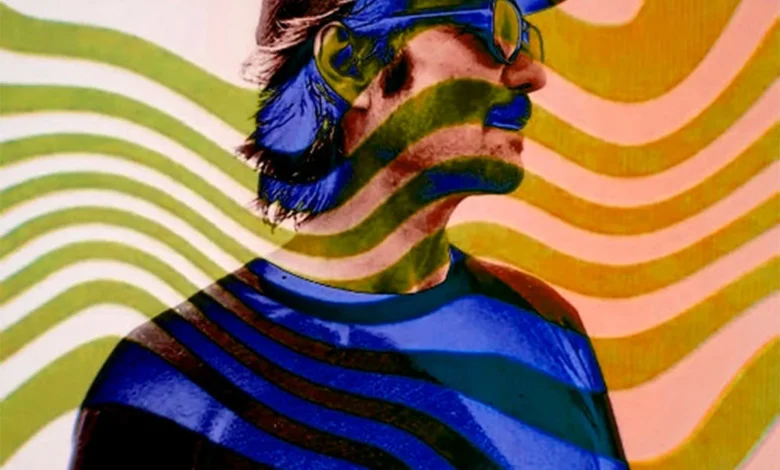
In a profound gesture of artistic remembrance, acclaimed producer Brian Cid has released a free remix of M.A.N.D.Y.’s iconic track ‘Body Language’, dedicating the work as a tribute to the late Philipp Jung, a pivotal figure in electronic music and co-founder of the influential German label Get Physical Music. The remix, made available through Cid’s official SoundCloud, serves as a poignant homage designed to celebrate Jung’s enduring life, multifaceted legacy, and significant contributions to the global electronic music landscape following his recent passing. This initiative underscores the deep bonds within the electronic music community and the unique ways artists honor those who have shaped their paths and the industry at large.
Philipp Jung: A Pillar of Electronic Music and Get Physical’s Enduring Legacy
Philipp Jung was not merely a producer or label executive; he was a visionary whose influence permeated the very fabric of house and techno music for over two decades. His untimely passing left a palpable void within the global electronic music community, prompting an outpouring of grief and tributes from artists, industry professionals, and fans worldwide. Jung’s most prominent legacy is inextricably linked to Get Physical Music, the Berlin-based record label he co-founded in 2002 alongside Patrick Bodmer (one half of M.A.N.D.Y.) and Thomas Koch (known professionally as DJ T.).
From its inception, Get Physical Music quickly ascended to become one of the most respected and innovative imprints in electronic music. The label became synonymous with a distinctive sound that masterfully blended minimal house, tech house, and deeper, more soulful elements. It served as a launching pad for countless artists who would go on to achieve international acclaim, while also providing a consistent platform for established talent. Key releases from artists such as M.A.N.D.Y., DJ T., Booka Shade, and Elektrochemie LK defined an era and helped shape the sonic identity of a generation of club-goers. Tracks like M.A.N.D.Y. vs. Booka Shade’s "Body Language" (the original subject of Cid’s remix), Booka Shade’s "Mandarine Girl," and DJ T.’s "Freemind" became anthems, showcasing the label’s meticulous A&R and its commitment to quality over transient trends.
Jung’s role at Get Physical extended far beyond business operations. He was deeply involved in the artistic direction, fostering a creative environment that allowed artists to flourish. His discerning ear, passion for discovering new sounds, and dedication to authentic musical expression were central to the label’s success. He possessed a rare ability to identify tracks that would not only resonate on dancefloors but also stand the test of time, contributing significantly to the label’s reputation for releasing genre-defining music. Beyond the music itself, Jung was widely respected for his warmth, integrity, and genuine camaraderie, earning him the affection and admiration of his peers, as highlighted by Brian Cid’s personal reflections.
Brian Cid’s Personal Connection and the Genesis of a Tribute
Brian Cid’s decision to honor Philipp Jung through a musical reinterpretation of ‘Body Language’ is rooted in a profound personal connection and professional respect. In a heartfelt statement shared on his Instagram channel, Cid articulated the depth of his admiration for Jung, describing him as "a true gentleman" who extended "big brother love." This description paints a picture of a relationship that transcended mere professional acquaintance, suggesting a mentorship or a deep personal bond that profoundly impacted Cid.
For an artist like Brian Cid, known for his emotive and deeply textured productions that often straddle the line between progressive house, melodic techno, and deep house, the act of creating a remix is a deeply personal and artistic undertaking. It involves not just re-arranging elements but imbuing the original work with new meaning and emotional resonance. Cid explained that creating this remix felt like the "most natural way to honor someone he deeply respected." This sentiment resonates strongly within the electronic music community, where creative expression is often the most potent form of tribute. The choice to offer the remix for free further emphasizes that this is a gesture of pure homage, unburdened by commercial considerations, allowing widespread access to the memorial piece.
The immediate inspiration for the remix was a direct response to Jung’s passing. Cid undertook the creative process with a specific emotional and artistic goal: to translate Jung’s multifaceted personality into sound. He reflected on the qualities that defined Jung – warmth, soul, playfulness, elegance, funk, unpredictability, and a deep sense of connection – and endeavored to weave these intangible characteristics into the fabric of his musical interpretation. This approach speaks to the power of music as a medium capable of abstractly capturing and conveying complex human traits and emotions, allowing listeners to experience a facet of Jung’s essence through Cid’s sonic lens.
‘Body Language’: A Seminal Track Reimagined
The original ‘Body Language’ by M.A.N.D.Y. vs. Booka Shade, released in 2005, is widely regarded as a quintessential track of its era and a cornerstone of the Get Physical Music catalog. It epitomized the minimal yet groovy house sound that dominated European dancefloors in the mid-2000s, characterized by its infectious bassline, subtle melodic hooks, and a hypnotic, evolving structure. The track’s success was global, solidifying Get Physical’s reputation and becoming a staple in countless DJ sets and compilations. Its enduring popularity speaks volumes about its timeless appeal and its significant contribution to the electronic music canon.
Brian Cid’s choice to remix ‘Body Language’ is particularly poignant given Patrick Bodmer’s (one half of M.A.N.D.Y.) co-founding role in Get Physical with Philipp Jung. This selection not only honors Jung but also pays respect to the collaborative spirit that defined the label from its very beginning. Cid, whose own sound is characterized by rich atmospheric textures, intricate rhythmic patterns, and a deep melodic sensibility, brings a fresh perspective to the classic. His remix undoubtedly retains the original’s core essence while infusing it with his signature style, transforming it into something both familiar and new.
The process of translating qualities like "warmth, soul, elegance, and funk" into musical elements would have involved meticulous attention to arrangement, sound design, and harmonic choices. One might infer that Cid’s remix leans into warmer pads, perhaps a more soulful bassline, and certainly maintains a sophisticated groove that reflects Jung’s described elegance and funkiness. The "unpredictability" could manifest in subtle shifts in rhythm or unexpected melodic motifs, while "deep connection" might be conveyed through expansive, immersive soundscapes that draw the listener in. The goal, clearly, was to create an auditory portrait that resonated with the memory of Jung, offering a sonic eulogy that celebrates his spirit.

The Poignant Context of the Friendzone Anniversary at Refuge
The creation and initial unveiling of Brian Cid’s ‘Body Language’ remix are intrinsically linked to a particularly poignant event: the Friendzone fifth-anniversary celebration at Refuge in Brooklyn. This event was originally scheduled to feature a stellar lineup including Philipp Jung himself, alongside Holmar and Brian Cid. The news of Jung’s passing, however, cast a somber shadow over the highly anticipated celebration, transforming it into an impromptu memorial gathering.
Refuge, a prominent venue in Brooklyn’s vibrant electronic music scene, has become a significant hub for underground and international talent. Its reputation for fostering a dedicated community and hosting high-quality electronic music events made it a fitting location for an anniversary celebration and, tragically, for a collective moment of remembrance. The original lineup, featuring Jung, Holmar, and Cid, promised a night of deep, sophisticated electronic music, indicative of the caliber of artists associated with Get Physical and the Friendzone collective.
Cid’s revelation that he prepared the remix just hours before his performance at Refuge speaks volumes about the emotional intensity surrounding the event. Imagine the weight of anticipation and grief in the room, knowing that one of the scheduled headliners had passed. For Cid, taking the stage after Philipp Jung and Holmar was meant to be a moment of shared artistic expression and celebration. Instead, it became an opportunity for a deeply personal and public farewell. Playing a tribute track that he had just meticulously crafted, imbued with the essence of his late mentor, would have created an incredibly powerful and emotionally charged atmosphere on the dancefloor. It allowed the collective grief and admiration for Jung to find an outlet through music, transforming the club into a space of shared catharsis and remembrance. The live premiere of the remix in such a context served as an immediate, heartfelt dedication, amplifying its significance beyond a mere studio release.
The Act of Memorialization Through Music and Its Broader Implications
The release of Brian Cid’s remix stands as a powerful testament to the enduring tradition of artists memorializing their peers and mentors through creative works. In the electronic music world, where tracks can be reinterpreted, sampled, and remixed endlessly, such tributes offer a unique way to extend an artist’s legacy and influence. A remix, in particular, allows for a dialogue between past and present, where a contemporary artist can acknowledge the foundation laid by a predecessor while infusing it with their own artistic voice. This process keeps the original spirit alive, introduces it to new audiences, and offers a fresh perspective for long-time fans.
The decision to offer the remix for free, rather than through commercial channels, is also significant. In an era where digital distribution models often prioritize monetization, a free release becomes a pure gesture of respect and accessibility. It ensures that anyone who wishes to connect with the tribute can do so without barriers, fostering a sense of community and shared remembrance. This approach aligns with the communal spirit often found within electronic music culture, where the experience of music is often prioritized over its commodification. It serves as a digital eulogy, universally available, reflecting the global reach of Jung’s impact.
Furthermore, this act highlights the profound role of music in processing grief and celebrating life. For many, dance music is not just entertainment but a deeply emotional and communal experience. Through Cid’s remix, the community is provided with a tangible piece of art that facilitates collective mourning and celebration, allowing individuals to connect with their memories of Jung on the dancefloor and beyond. It reinforces the idea that an artist’s work, and the spirit behind it, can continue to inspire and resonate long after their physical presence has departed.
Inspiring Future Generations: Philipp Jung’s Enduring Legacy
Brian Cid’s expressed hope that Philipp Jung’s music and legacy "continue to inspire future generations" encapsulates a crucial aspect of artistic permanence. Pioneers like Jung, through their unwavering dedication to innovation, quality, and community building, lay the groundwork for subsequent artists. Their work becomes a benchmark, a source of education, and an endless wellspring of inspiration.
The influence of Get Physical Music, under Jung’s guidance, has already shaped countless producers, DJs, and label owners. The label’s meticulous approach to A&R, its diverse yet cohesive sound, and its commitment to artist development serve as a blueprint for success in the ever-evolving music industry. By actively honoring Jung, Cid contributes to the ongoing narrative of his impact, ensuring that his story and his musical philosophy are not forgotten but rather celebrated and passed down.
In an industry often characterized by rapid change and ephemeral trends, acknowledging and celebrating foundational figures like Philipp Jung is vital. It connects the present generation of artists and fans to the rich history of electronic music, reminding them of the origins and the passion that fueled its growth. Brian Cid’s tribute is more than just a remix; it is a reaffirmation of the enduring power of music, a testament to a life well-lived, and a heartfelt plea for the continued inspiration that Philipp Jung’s legacy will undoubtedly provide for years to come.
Listeners are invited to experience Brian Cid’s poignant remix of M.A.N.D.Y.’s ‘Body Language’ and immerse themselves in this unique tribute. The track is available for streaming directly below and can be downloaded via the provided SoundCloud link, ensuring that Philipp Jung’s spirit continues to resonate through the beats and melodies that defined his remarkable life.
Related posts: