VDMX6.3: Vidvox Delivers Significant Quality-of-Life Enhancements to its Acclaimed Live Visual Software

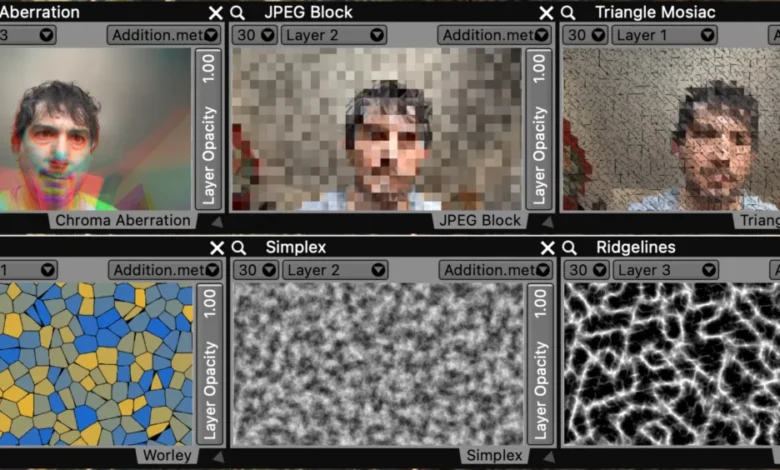
Vidvox, the innovative development house renowned for its powerful and flexible live visual software, VDMX, has released version 6.3, introducing a suite of quality-of-life improvements designed to streamline workflows and enhance user experience. This latest iteration builds upon the foundation laid by VDMX6, which brought significant architectural changes and Metal integration, further solidifying VDMX’s position as a leading tool for visual artists, VJs, and multimedia performers. The release of VDMX6.3 underscores Vidvox’s ongoing commitment to refining its platform and responding to the evolving needs of the live performance and creative technology communities.
Evolution of VDMX: A Legacy of Innovation
Vidvox has established itself not only as a creator of unique, semi-modular live visual software but also as a significant contributor to open-source development. Their pioneering work on the Hap video codec and the Interactive Shader Format (ISF) has had a far-reaching impact across the industry, with ISF finding adoption in various creative environments, including Max (Jitter) and Apple Motion. This commitment to open standards and shared development has fostered a more collaborative and accessible ecosystem for digital artists.
The introduction of VDMX6 marked a pivotal moment, migrating the software to a new framework and incorporating Metal integration for enhanced performance on macOS. This upgrade, initially priced at an accessible $99, aimed to democratize access to professional-grade live visual tools. VDMX6 Plus further extended its capabilities by integrating directly with other prominent creative platforms like Derivative’s TouchDesigner and Vuo. This interoperability, facilitated by protocols such as Syphon, allows for seamless data exchange and complex system integration, crucial for high-stakes live performances where efficiency and reliability are paramount. The philosophy behind VDMX has always been to provide artists with the tools they need to succeed, recognizing that in demanding live environments, speed and flexibility are as important as raw power.
VDMX6.3: Key Enhancements and New Features
The VDMX6.3 update, released recently, focuses on delivering tangible improvements that address user feedback and enhance day-to-day usability. These refinements are not just incremental; they represent a thoughtful evolution of the software’s core functionalities, making it more intuitive and powerful for both new and experienced users.
Control Surface Expressions: Bridging the Gap in Parameter Control
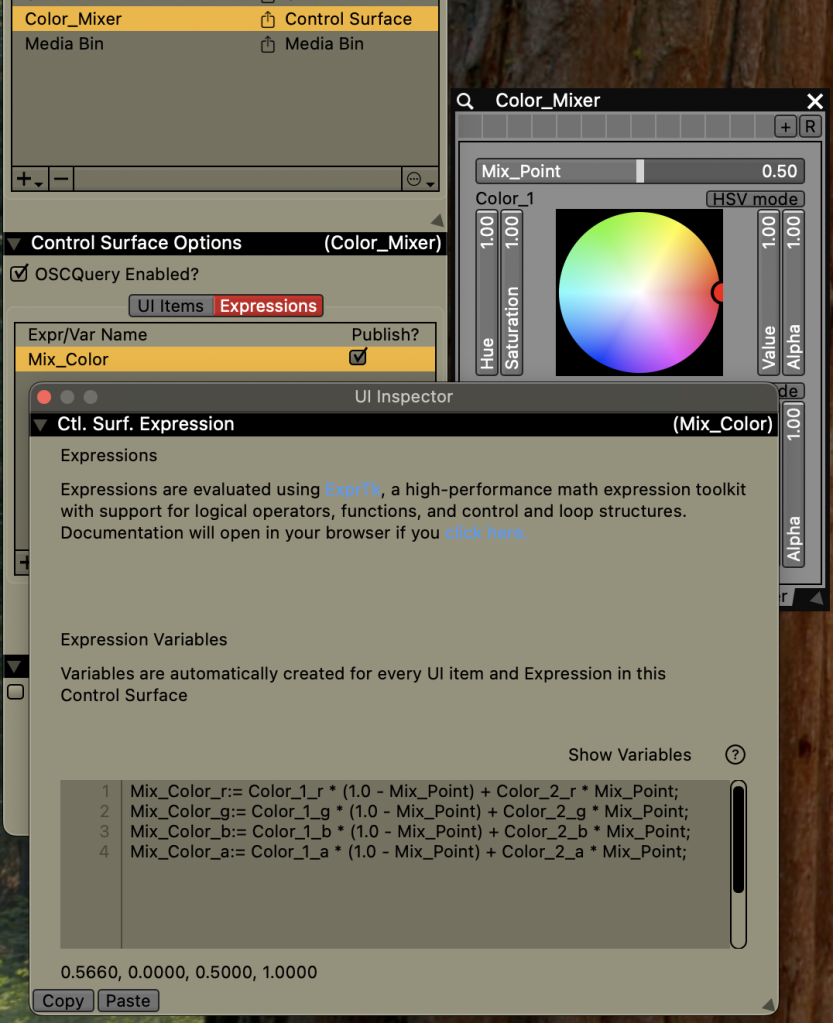
One of the most significant additions in VDMX6.3 is the introduction of "Control Surface Expressions." This feature allows for the creation of quick and easy expressions that can link and manipulate various parameters within VDMX. Supporting data types such as floats, booleans, 2D points, and RGBA color values, Control Surface Expressions provide a sophisticated yet accessible method for creating dynamic and responsive visual performances. This enhancement empowers artists to build more intricate control schemes, enabling complex interactions between different software elements and external hardware controllers with greater ease. For instance, an artist could now use a single expression to drive multiple parameters across different modules simultaneously, creating synchronized visual effects with minimal manual input. This capability is particularly valuable for live performances where spontaneous adjustments and complex sequences are often required.
Plugin Templates: Streamlining Workflow and Reusability
The update also introduces "Plugin Templates," a feature designed to significantly boost workflow efficiency by allowing users to save and reuse plugin states. While VDMX has long supported the saving of entire workspaces, the ability to template individual plugin configurations provides a granular level of control and reusability. This means that custom-built effects chains, specific parameter settings for generators, or complex media playback configurations can be saved as reusable templates. This is a substantial time-saver for artists who frequently work with similar setups or need to replicate specific visual styles across different projects or performances. The ability to quickly recall and apply these pre-configured states reduces setup time and minimizes the potential for error, allowing visualists to focus more on the creative execution of their performance.
Expanded Library of FX and Generators
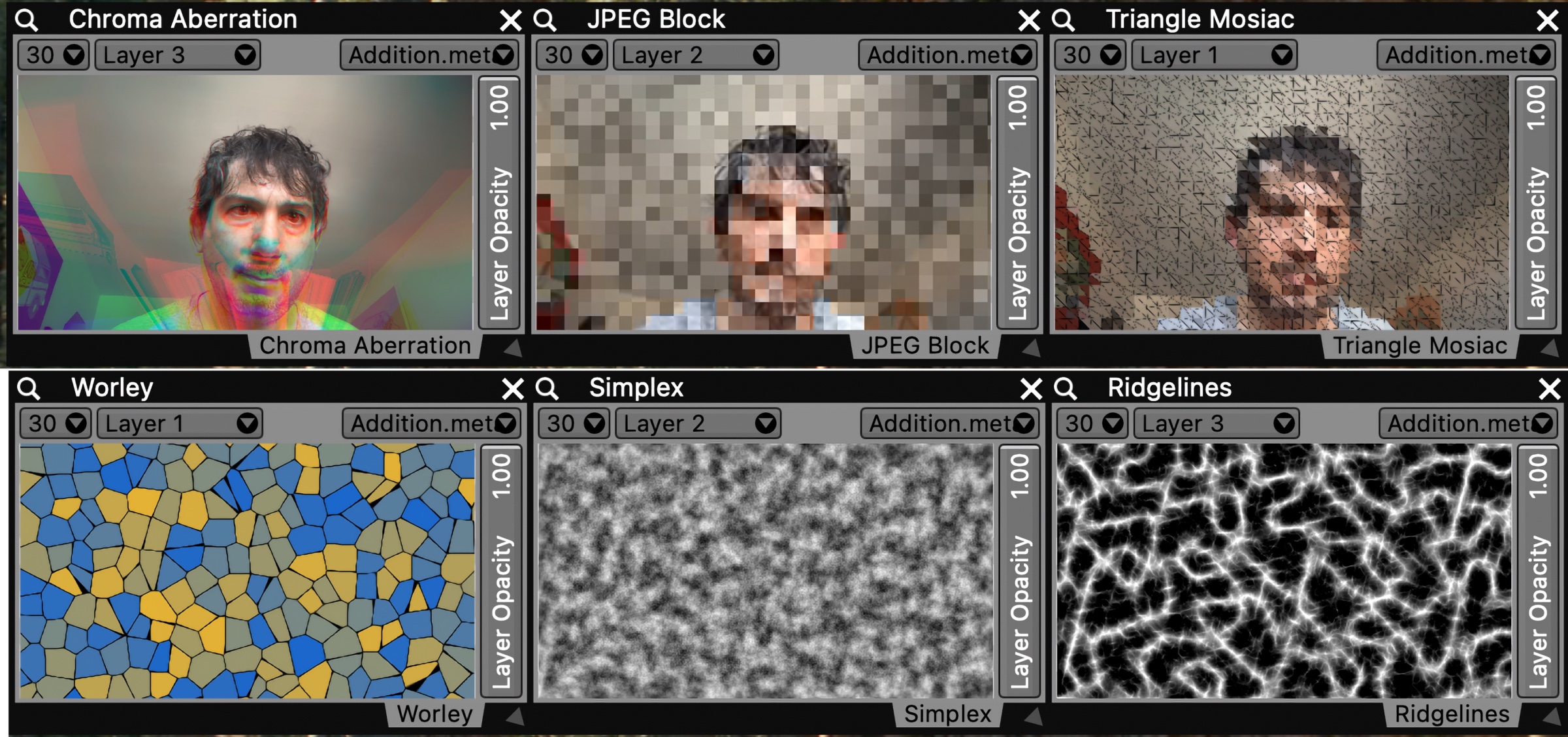
VDMX6.3 further enriches the software’s creative palette with the addition of new FX (effects) and Generators. The update includes three new FX: Chromatic Aberration, JPEG Block Corruption, and Triangle Mosaic. These effects offer distinct visual styles, from the retro-futuristic distortion of Chromatic Aberration to the glitchy, degraded aesthetic of JPEG Block Corruption and the geometric patterns of Triangle Mosaic. Complementing these are three new Generators: Worley Cells, Simplex Noise, and Ridgelines. These generators provide powerful tools for creating organic, procedural, and abstract visual content, offering a wide range of possibilities for background generation, texture creation, and dynamic visual elements. The inclusion of these new tools expands the creative potential of VDMX, enabling artists to explore new aesthetic territories and generate more diverse and engaging visuals.
Addressing macOS Permissions
In recognition of the increasing complexity of macOS security and privacy settings, Vidvox has included a dedicated preferences pane in VDMX6.3 to help users manage the necessary permissions. This practical addition simplifies the often-frustrating process of granting VDMX access to various system resources, such as cameras, microphones, and file directories. By centralizing these settings within the application, Vidvox aims to reduce technical hurdles and ensure a smoother setup experience, particularly for users who may not be deeply familiar with macOS system administration. This proactive approach to user experience demonstrates Vidvox’s commitment to making their powerful software accessible to a broader range of creative professionals.
Practical Applications and Workflow Enhancements
The value of VDMX6.3 extends beyond its new features; the update enhances existing workflows and opens up new possibilities for creative integration. The principle of combining tools for optimal workflow is a recurring theme in the live visual community, and VDMX’s interoperability plays a key role in this.
Cost-Effective Multi-Display Setups
A compelling example of practical workflow enhancement highlighted by recent tutorials involves leveraging VDMX for multi-display setups with minimal hardware investment. One such tutorial demonstrates how to drive four displays simultaneously from a single Mac by combining VDMX with an affordable OREI Video Wall Controller, often available for around $120. This "RAMageddon" solution, as it’s colloquially termed, showcases Vidvox’s philosophy of enabling powerful capabilities without prohibitive costs. For visualists operating on tight budgets, this approach offers a viable path to creating immersive, multi-screen experiences, demonstrating that professional-level output is achievable even with constrained resources. This aligns with the broader trend of accessible creative technology, where software innovation plays a crucial role in democratizing advanced visual production.
Advanced Layering and Crossfading Techniques
Another insightful tutorial addresses the nuanced art of layering multiple media bins with sophisticated crossfading techniques within VDMX. This demonstrates the software’s capacity for complex timeline management and dynamic composition. The ability to precisely control the transitions between different visual sources and layers is fundamental to creating fluid and engaging live visual performances. By mastering these layering and crossfading techniques, visualists can achieve a higher level of artistic control, enabling them to weave intricate visual narratives and react dynamically to the audio and energy of a performance. This underscores VDMX’s depth as a tool, capable of supporting both simple playback and complex, layered visual orchestrations.
Analysis and Implications for the Live Visual Community
The ongoing development of VDMX, particularly with releases like 6.3, has significant implications for the live visual industry. Vidvox’s consistent delivery of robust software, coupled with their contributions to open standards, fosters a healthier and more innovative ecosystem for visual artists.
The introduction of features like Control Surface Expressions and Plugin Templates directly addresses the demand for greater efficiency and flexibility in live performance settings. In an industry where time is often limited and the pressure to deliver flawless shows is high, these enhancements can be game-changers. They reduce the technical overhead associated with setting up and controlling complex visual systems, allowing artists to focus more on the creative act of performance.
Furthermore, VDMX’s continued emphasis on interoperability with other leading platforms like TouchDesigner and Vuo reinforces the trend towards modular and integrated creative workflows. Visualists are increasingly building custom systems that leverage the strengths of multiple software packages. VDMX, with its intuitive interface and powerful core functionalities, serves as a central hub for many of these setups, effectively bridging different creative environments.
The focus on affordability, exemplified by the $99 entry point for VDMX6 and the practical, low-cost multi-display solutions, also democratizes access to professional live visual tools. This is crucial for emerging artists and smaller production companies who may not have access to large budgets but still need to compete and deliver high-quality visual experiences.
Vidvox’s proactive approach to addressing macOS permission issues also reflects a broader awareness of the challenges faced by users in increasingly security-conscious operating systems. By simplifying these technical hurdles, they ensure that their software remains accessible and user-friendly, a critical factor in adoption and sustained usage.
In conclusion, the VDMX6.3 update represents a significant step forward for Vidvox and its user base. By focusing on practical enhancements that improve workflow, expand creative possibilities, and simplify technical management, Vidvox continues to solidify VDMX as an indispensable tool for live visual artists. The company’s dedication to innovation, open development, and user-centric design positions VDMX not just as a software package, but as a vital component in the evolving landscape of digital art and live performance. The ongoing support and development from David and the Vidvox team are highly valued by the community, promising continued advancements that will undoubtedly shape the future of live visual creation.
Related posts: