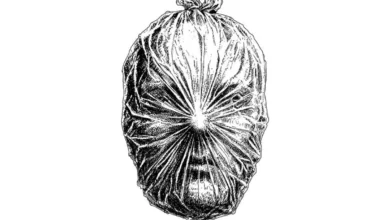
The evocative lyricism of singer-songwriter Devon Gabriella is once again at the forefront of her latest musical offering, a poignant exploration of the dissolution of a deeply cherished friendship. Through a delicate interplay of guitar and violin, Gabriella articulates a sentiment that resonates far beyond romantic heartbreak: the profound ache of losing a platonic confidante. The song delves into the specific void left by the absence of someone who was not just a companion in leisure, but a trusted advisor and integral part of one’s personal narrative.
The opening lines, "can we just talk about life and taxes and your family. Is you brother getting married in late June or mid July, can’t remember. . . took three months and medication and some sober revelations to feel right," immediately establish a context of shared intimacy and the mundane yet significant details that define close relationships. These are not the musings of someone lamenting a lost romance, but rather someone grappling with the severing of a bond built on mutual understanding and everyday existence. The reference to "three months and medication and some sober revelations" hints at a period of significant personal struggle or introspection that preceded or coincided with the friendship’s end, suggesting that the healing process itself was arduous and perhaps amplified the sense of isolation.
Gabriella’s artistry lies in her ability to distill complex emotional states into relatable narratives. In this track, the yearning is not for physical intimacy or a romantic past, but for the intellectual and emotional connection that characterized the friendship. The lyrics reveal a distinct separation between the memory of the relationship and the absence of the individual. This distinction is crucial, as it highlights a mature understanding of what makes a friendship truly valuable: the shared experiences, the unwavering support, and the comfort of knowing there is someone to confide in.
A particularly powerful stanza encapsulates this sentiment: "So if you hear me calling when it’s half past 10. I don’t want your body, I just need my friend. . . I just miss you honey. But I don’t miss us." This direct plea underscores the platonic nature of the loss. The "half past 10" call is not a romantic overture but a desperate reach for the familiar comfort of a friend, a habit ingrained over time. The subsequent admission, "I just miss you honey. But I don’t miss us," is a masterclass in emotional nuance. It acknowledges the enduring affection for the person while simultaneously recognizing that the dynamic of their relationship, as it existed, is no longer viable or perhaps even healthy. This implies that the friendship may have reached a point of stagnation, or that external factors made its continuation impossible, even if the personal connection remained.
The subsequent lines, "I know I should let it breathe. Let you go and set you free. But that never comes so easily to me," further illustrate the internal conflict. There is an awareness of the need for detachment and a recognition of the other person’s potential need for liberation, yet the emotional inertia of such a profound connection makes letting go an exceptionally difficult undertaking. This speaks to the deep roots that platonic friendships can establish, often interwoven with one’s identity and daily routines, making their severance a complex and painful process akin to other significant life changes.
The Evolving Landscape of Friendship and Support Networks
In contemporary society, the concept of friendship is undergoing a subtle but significant evolution. While romantic relationships often occupy a central position in cultural narratives and social discourse, the importance of strong platonic bonds is increasingly recognized as a vital component of individual well-being and resilience. Research consistently highlights the mental and emotional benefits of robust social networks, with friends serving as crucial sources of support, validation, and belonging. A 2018 study published in the Journal of Social and Personal Relationships indicated that close friendships can be as beneficial for longevity and happiness as strong family ties.

The challenges in maintaining friendships are also multifaceted. Geographic mobility, demanding careers, and the ever-increasing pace of modern life can all strain these connections. Furthermore, as individuals navigate different life stages – from early adulthood to mid-life and beyond – their priorities and circumstances can diverge, creating natural pressures on existing relationships. The scenario presented by Devon Gabriella’s music speaks to a universal experience: the difficulty of accepting the end of a friendship, even when intellectual understanding suggests it is necessary. This can be compounded by societal narratives that often prioritize romantic relationships, sometimes leaving individuals feeling less equipped to process or articulate the grief associated with platonic loss.
Contextualizing the Artistic Expression
Devon Gabriella, as an artist, has consistently demonstrated an ability to tap into authentic emotional experiences. While specific details surrounding the inspiration for this particular song remain personal to the artist, its thematic resonance suggests a deliberate artistic choice to address a less frequently explored facet of human connection. The use of instrumentation like guitar and violin often lends itself to conveying intimacy and vulnerability, making them ideal vehicles for the introspective and heartfelt lyrics presented here.
The artist’s engagement with platforms like Instagram and TikTok (@devongabriellaa and @devongabrielamusic respectively) indicates a contemporary approach to music dissemination and fan interaction. These platforms allow for direct communication with an audience, potentially fostering a sense of community around shared experiences. It is plausible that through these channels, Gabriella has encountered numerous individuals who resonate with her exploration of friendship, thereby validating the universality of her artistic themes. The decision to make these channels readily available suggests an openness to dialogue and connection, mirroring the very essence of the friendships she appears to be lamenting.
Potential Implications and Broader Impact
The impact of such a song extends beyond individual listeners. By bringing the complexities of platonic friendship loss into the public sphere, Devon Gabriella’s work can contribute to a broader cultural conversation about the value and fragility of these relationships. It can offer solace to those experiencing similar feelings, validating their emotions and reminding them that they are not alone. Furthermore, it may encourage listeners to re-evaluate their own friendships, fostering a greater appreciation for the people who enrich their lives in non-romantic ways.
The lyrical content, particularly the distinction between missing the person and not missing the relationship, could also prompt introspection. It suggests that sometimes, the most loving act is to acknowledge when a connection has run its course, even if it is accompanied by pain. This mature perspective on relationships can be a valuable lesson for listeners navigating their own social dynamics.
As the music industry continues to diversify, artists who tackle nuanced emotional landscapes are carving out significant spaces for themselves. Devon Gabriella’s focus on the often-understated pain of lost friendship aligns with a growing trend of artists prioritizing authenticity and relatable storytelling. This approach not only builds a dedicated fanbase but also contributes to a richer and more comprehensive artistic landscape that reflects the full spectrum of human experience. The artist’s journey, as expressed through her music, offers a powerful reminder that the bonds we forge, regardless of their nature, shape us profoundly, and their dissolution, though painful, can be a catalyst for growth and deeper self-understanding.