Serato DJ 5.0 Unveiled With Lucid Beatgrids, Open Streaming, and Advanced Cue Loops in Public Beta

The evolution of digital DJ software has taken another significant step forward with the announcement and immediate public beta release of Serato DJ 5.0. Arriving approximately one year after the deployment of version 4.0, this major software milestone introduces a suite of professional features designed to address longstanding pain points for performers, particularly those dealing with live instrumentation, multi-service music libraries, and complex live-remixing workflows. Spanning both the flagship Serato DJ Pro and the streamlined Serato DJ Lite editions, the new version focuses heavily on algorithmic precision, workflow efficiency, and structural flexibility. As the digital performance market becomes increasingly competitive, this update highlights a concerted effort by the software developer to maintain its dominant position among club DJs, turntablists, and mobile performers alike.
Background Context and Evolution of the Platform
To understand the weight of the Serato DJ 5.0 release, one must examine the trajectory of the software over the past decade. Serato, originally renowned for its pioneering digital vinyl system (DVS) Scratch Live software, transitioned into the modern era with the introduction of Serato DJ, eventually splitting into Pro and Lite iterations to accommodate various hardware tiers. Version 4.0, released roughly twelve months ago, established a modernized foundation with enhanced performance stability, updated user interface elements, and deeper hardware integration.
However, digital DJs have continually faced technical limitations inherent to software architecture—most notably rigid beatgrid analysis that struggles with live drummers, the compartmentalized frustration of locking into a single streaming provider, and the manual overhead required to execute complex live loops. Version 5.0 directly tackles these hurdles. By shifting from a closed ecosystem mindset to a more integrated, adaptive approach, Serato is responding to the changing demands of contemporary performers who frequently bridge the gap between digital files, physical vinyl, and cloud-based catalogs during a single set.
Lucid Beatgrids: Revolutionizing Dynamic Tempo Analysis
The most prominent engineering breakthrough in Serato DJ 5.0 is the introduction of Lucid Beatgrids. Historically, beatgridding software relied heavily on fixed assumptions about tempo, utilizing algorithms optimized for electronic dance music (EDM) characterized by rigid, computer-programmed grid lines and a steady, metronomic BPM. While effective for house, techno, and modern pop, these fixed grids frequently fail when applied to genres featuring human drummers, such as funk, soul, jazz, classic rock, disco, and live concert recordings. When the tempo fluctuates naturally, traditional software grids quickly drift out of alignment, forcing DJs to manually adjust markers or avoid playing certain tracks altogether.
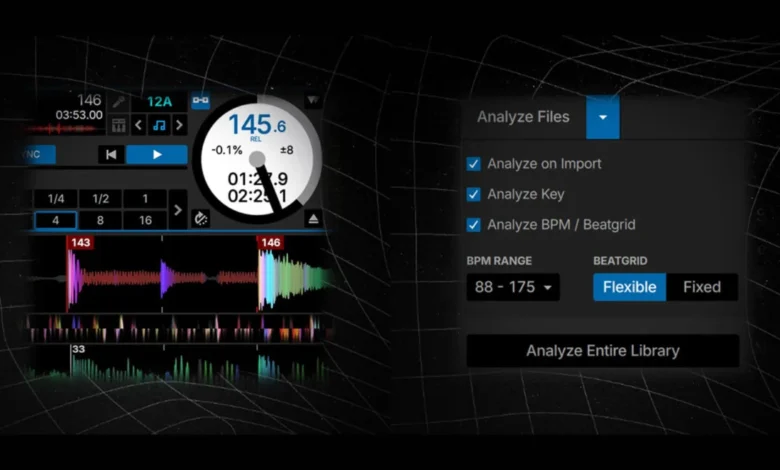
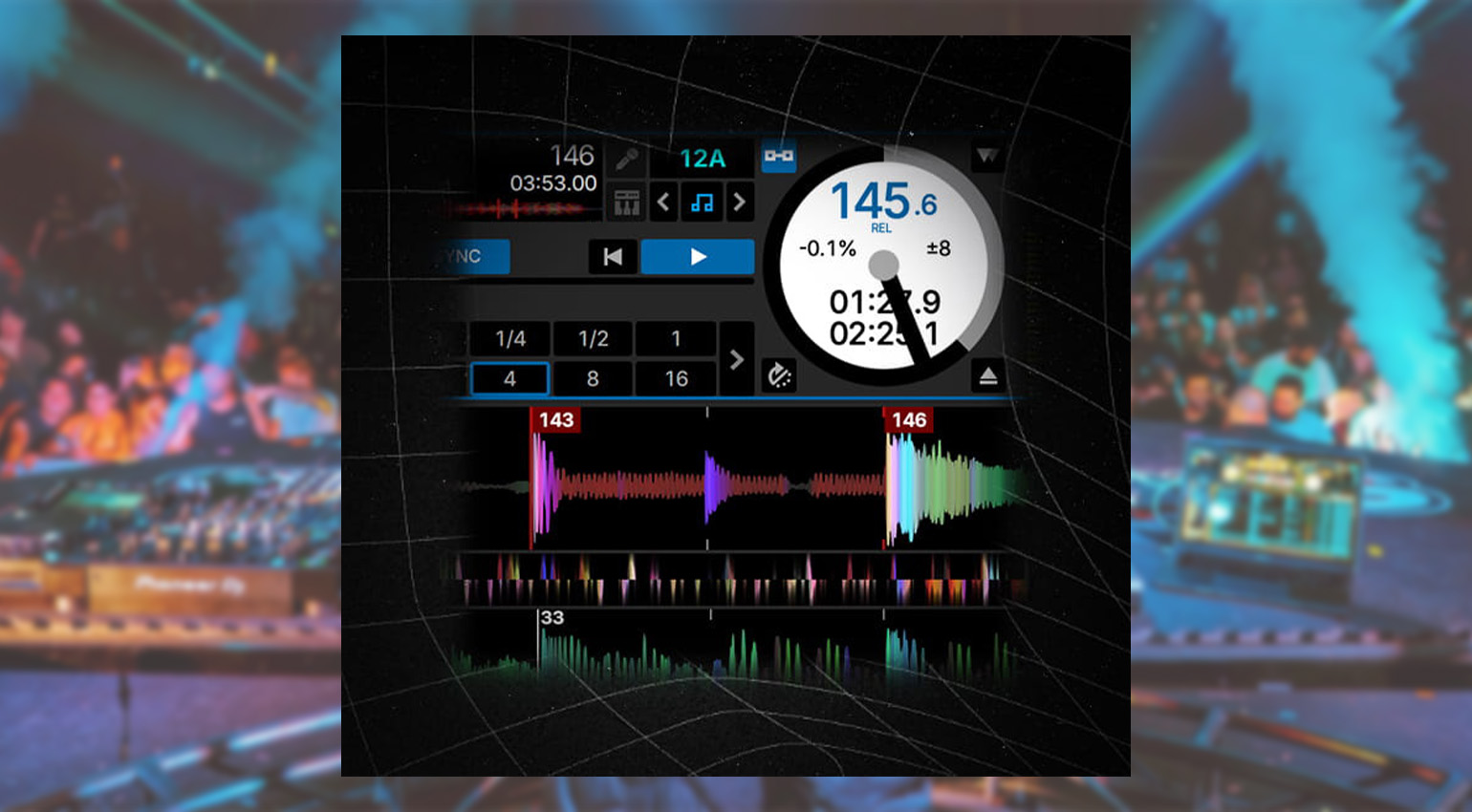
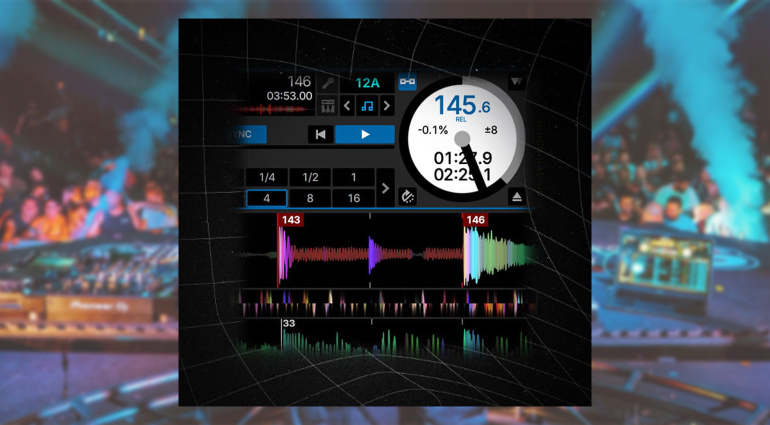
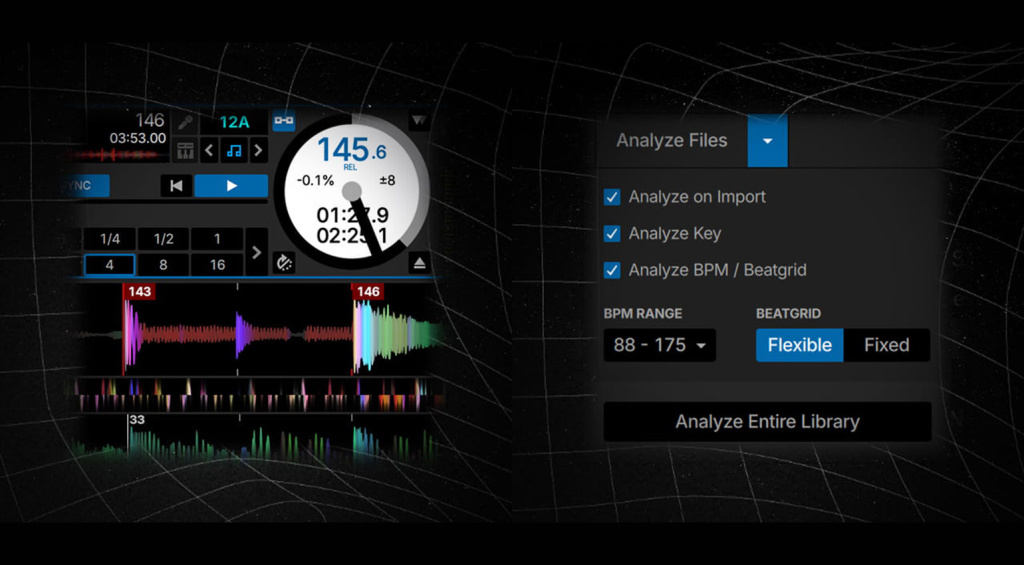
Serato addresses this limitation with a completely rebuilt analysis engine designed to automatically detect fluctuating BPMs during the track analysis phase. Dubbed Lucid Beatgrids, the technology aims to minimize the hours producers and DJs previously spent manually placing anchor points across entire catalogs of unquantized music. To give users absolute control, the software provides two distinct modes: a completely new Flexible mode and an improved Fixed mode. Furthermore, enhanced beatgrid editing controls allow for micro-adjustments, while new waveform BPM labels provide immediate visual feedback regarding tempo variations directly on the track’s waveform display. This empowers open-format DJs to transition smoothly between a rigid electronic track and an organically recorded funk break without fear of timing drift.
Open Streaming: Unifying Competing Cloud Libraries
Another major pain point for modern DJs has been the siloed nature of music streaming services integrated into performance software. Previously, utilizing cloud catalogs meant committing to a single provider—such as TIDAL, SoundCloud, Beatport Streaming, or Beatsource—within the DJ application. If a desired track was exclusive to a competing service, the DJ was forced to log out, switch providers, or abandon the streaming option entirely in favor of local files.
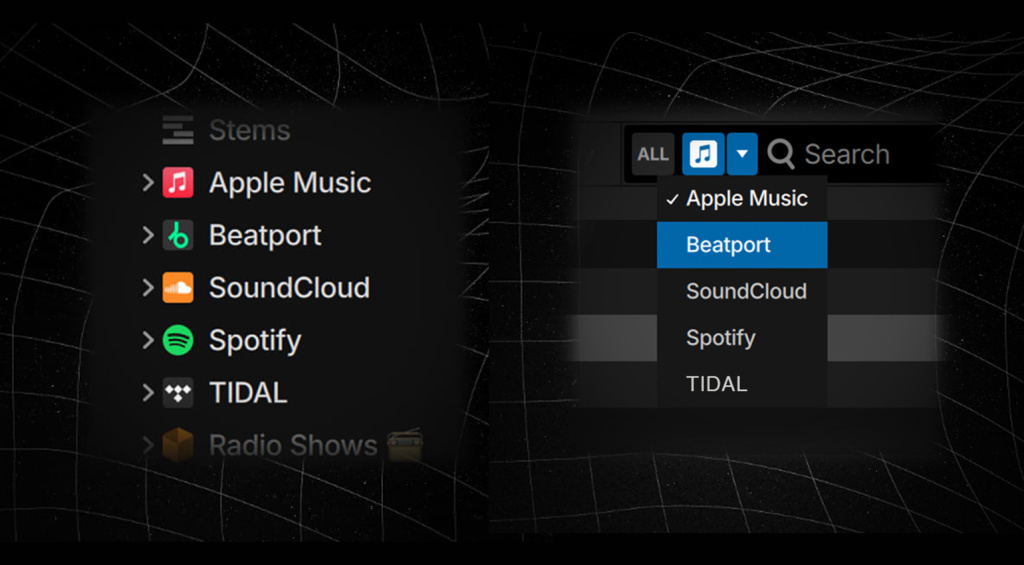
Serato DJ 5.0 shatters these boundaries with the introduction of Open Streaming. This functionality permits users to log into multiple streaming services simultaneously, allowing tracks from competing providers to be loaded, mixed, and queued side-by-side alongside local hard drive libraries. Within the software browser, each streaming service now appears as an individual crate, creating a unified workspace. Additionally, a new provider search dropdown facilitates rapid navigation between different cloud ecosystems while perusing a collection. Crucially, the software now displays BPM and key data for streaming tracks prior to full file analysis, saving valuable time during high-pressure live performances where spontaneous requests dictate the setlist.
Advanced Cue Loops and Performance Enhancements
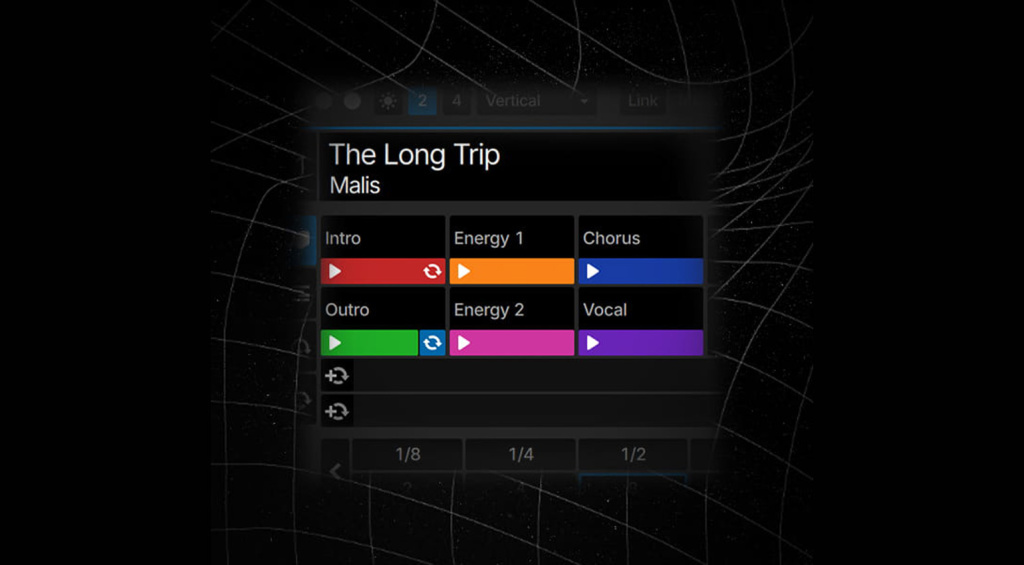
Performance functionality receives a notable upgrade in Serato DJ 5.0 with the introduction of Cue Loops, a feature exclusive to the Pro version of the software. While standard hot cues simply jump the playhead to a designated marker, Cue Loops allow DJs to save predefined loops directly onto Hot Cue slots. Upon triggering the cue point, the software instantly jumps to the location and initiates the loop automatically. This streamlines live re-editing, beat-juggling, and phrase manipulation, reducing the number of physical button presses required to execute complex transitions or live remixes.
These workflow optimizations reflect a broader industry trend toward maximizing creative potential directly on the controller or mixer hardware, minimizing the need for the DJ to interact directly with the laptop screen during a performance.
Timeline, Public Beta Availability, and Commercial Implications
The release of Serato DJ 5.0 follows a structured deployment timeline typical of major enterprise software updates. Following a period of internal testing and refinement, the company has opted for a public beta phase to stress-test the new analysis engines and multi-service streaming integrations across a vast array of operating systems, hardware controllers, and user libraries.
At present, Serato has not announced a definitive commercial release date for the final, stable versions of Serato DJ Pro and Lite, nor has the company confirmed whether the pricing structure for existing licenses or subscription tiers will undergo modifications upon the official commercial rollout. Users eager to test the new features can access the public beta build immediately by logging into their accounts on the official Serato portal, while standard licenses and digital download packages remain available through major audio retailers such as Thomann for those requiring stable production environments.
Fact-Based Analysis of Market Implications

The launch of Serato DJ 5.0 carries significant implications for the competitive digital DJ software landscape, which includes rival platforms such as Pioneer DJ’s rekordbox, Native Instruments’ Traktor Pro, and Algoriddim’s djay Pro. By targeting the specific vulnerabilities of older software architectures—specifically dynamic tempo tracking and multi-service cloud streaming—Serato is positioning its flagship software as an essential tool for open-format and mobile DJs.
The inclusion of Lucid Beatgrids directly addresses a capability that competitors have approached with varying degrees of success, potentially attracting DJs who specialize in multi-genre sets, wedding performances, and vinyl digitization. Meanwhile, Open Streaming addresses the modern reality of consumer music consumption, acknowledging that DJs increasingly rely on cloud infrastructure rather than solely maintaining local digital archives.
As the public beta period progresses, user feedback gathered from live club environments, mobile gigs, and bedroom studios will determine the stability and ultimate refinement of the codebase. If the features perform reliably under rigorous professional conditions, Serato DJ 5.0 is poised to set a new technical benchmark for performance software, compelling competing software developers to accelerate their own algorithmic and cloud-integration roadmaps to maintain parity in an increasingly demanding marketplace.