The 2026 edition of the Burning Man festival, which marks the event’s 40th anniversary, has been marred by a series of tragic incidents. Authorities in Pershing County, Nevada, have officially confirmed that a third attendee has died during the nine-day gathering in the Black Rock Desert. This sequence of fatalities, occurring in rapid succession, has prompted heightened scrutiny regarding the logistical and medical challenges inherent in hosting a temporary city of tens of thousands in one of the most inhospitable environments in the United States.
Chronology of Events
The most recent tragedy involved 51-year-old Armando Ramirez, a resident of Truckee, California. According to reports provided by the Pershing County Sheriff’s Office, festival medical personnel were dispatched to provide emergency care to Mr. Ramirez during the early morning hours of September 4. Despite the immediate deployment of life-saving measures on the playa, his condition remained critical. He was subsequently transported to a medical facility in Reno, located approximately 190 kilometers from the event site, where he was pronounced dead.
This incident follows two other fatalities reported earlier in the same week, occurring independently of one another. While the investigation into the specific causes of death for all three individuals is ongoing, local law enforcement officials have stated that there are currently no indications of foul play or criminal activity. The local coroner’s office is conducting toxicology and medical examinations to determine the precise circumstances surrounding these deaths, a process that can often take several weeks due to the complexity of the medical investigations.
The Context of the Black Rock Desert
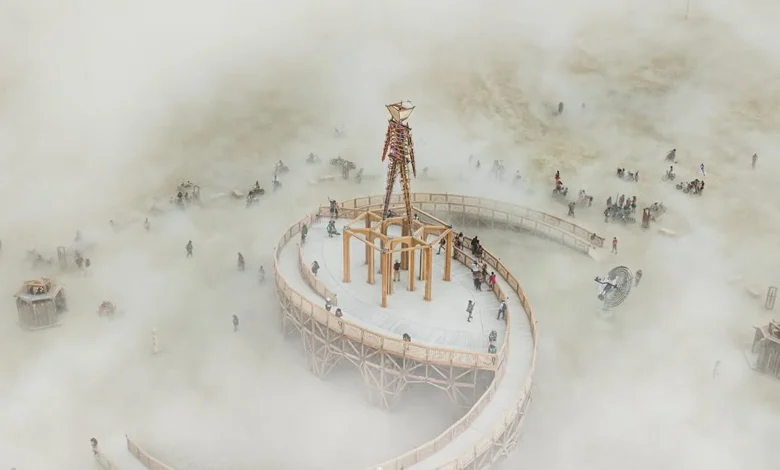
The Burning Man festival is uniquely defined by its location in the Black Rock Desert, an ancient lake bed characterized by its extreme environmental volatility. For forty years, the event has challenged participants to survive in an environment where temperatures can fluctuate from scorching daytime heat to near-freezing nocturnal conditions. The "Playa," as it is known, is also prone to sudden, violent dust storms that can reduce visibility to near zero and pose significant respiratory and navigational risks.
The infrastructure of Black Rock City—a sprawling, temporary metropolis constructed annually—is designed to be entirely self-sufficient. However, the sheer scale of the population density, combined with the harsh climate, places immense pressure on the event’s medical and emergency response teams. Jerry Allen, the Sheriff of Pershing County, noted that while the festival averages one death per year, the current tally for the 2026 event is statistically anomalous. This has triggered a renewed dialogue among stakeholders regarding the necessity of medical preparedness and the inherent risks associated with extreme-environment event tourism.
Data and Safety Protocols
Historically, mortality rates at Burning Man have remained low relative to the massive influx of attendees, which often exceeds 70,000 people. Deaths at the event are typically attributed to a variety of causes, including underlying medical conditions exacerbated by the heat, dehydration, substance use, or vehicular accidents. The Burning Man Project, the non-profit organization that manages the event, maintains a comprehensive safety protocol that includes a dedicated medical infrastructure, emergency helicopter evacuation capabilities, and a rigorous volunteer safety force known as the Black Rock Rangers.
Despite these measures, the logistical isolation of the Black Rock Desert remains a primary concern. The nearest major trauma center is located in Reno, a significant distance away, necessitating a high degree of reliance on air-ambulance services. The 2026 fatalities have reignited public discussions about whether the current level of on-site emergency support is sufficient for the growing demographics of the festival, which now includes a diverse range of age groups and fitness levels.
Official Responses and Organizational Stance
The Burning Man organization has released official communications confirming the deaths and extending condolences to the families of the deceased. In line with their standard operating procedures, they have cooperated fully with the Pershing County Sheriff’s Office. The organization emphasizes that it works in tandem with local, state, and federal agencies to ensure the safety of all participants.
However, the organization is also facing increasing pressure from local residents and regional officials in Nevada to account for the impact of the festival on public resources. The burden placed on local law enforcement and medical services during the nine-day window is substantial. Sheriff Allen’s office, in particular, has had to manage an increased volume of calls and coordination efforts, highlighting the friction between the festival’s "radical self-reliance" ethos and the reality of state-provided emergency oversight.
Broader Implications for Festival Culture
The 2026 incidents raise broader questions about the future of mass-gathering events in the age of climate change and shifting global safety standards. As desert-based festivals gain popularity worldwide, the tragic events at this year’s Burning Man serve as a somber reminder of the risks involved. Critics argue that the "Leave No Trace" and "Radical Self-Reliance" principles, while philosophically sound, may struggle to bridge the gap when individuals face sudden health crises in remote, resource-strained environments.
Furthermore, the mainstream visibility of the event—highlighted by recent media projects such as the four-part HBO documentary series—has brought a new layer of scrutiny to its management. The festival is no longer a niche subcultural gathering; it is a global cultural phenomenon that draws international attention. This transition from a private, experimental art community to a major public event requires a commensurate evolution in safety and risk management strategies.
Looking Ahead
As the 2026 festival concludes, the focus shifts from the celebration of its 40th anniversary to a formal review of the safety failures that occurred. The death of Armando Ramirez and his fellow participants will likely become a central topic in the post-event "after-action" reports submitted to the Bureau of Land Management (BLM), which oversees the land use permits for the site.
The implications for future years are significant. Organizers may face more stringent requirements for medical infrastructure, including the potential for mandatory on-site diagnostic equipment or a restructuring of the medical response timeline. Additionally, participants are likely to see an increase in pre-event safety communications, urging a more disciplined approach to physical preparation and environmental awareness.
The tragedy of the 2026 Burning Man is a stark case study in the intersection of human endurance, remote geography, and organizational responsibility. While the event continues to be celebrated for its creative contributions and its unique place in the American cultural landscape, the loss of life remains a sobering counter-narrative. As the community mourns those who did not return from the desert, the challenge remains for the organizers to ensure that the spirit of the event does not come at the expense of its attendees’ fundamental safety. The findings from the ongoing investigations will be instrumental in determining how, or if, the festival’s operational models will adapt to prevent such a high incidence of mortality in future iterations.
As of the latest briefings, no further details regarding the specific medical conditions of the deceased have been disclosed, out of respect for the privacy of the families involved. The community remains in a period of reflection, balancing the artistic achievements of the 40th anniversary against the somber reality of the casualties sustained during the week’s festivities.