William Shatner and his metal band make their live debut in Chicago to the surprise of fans and industry observers alike

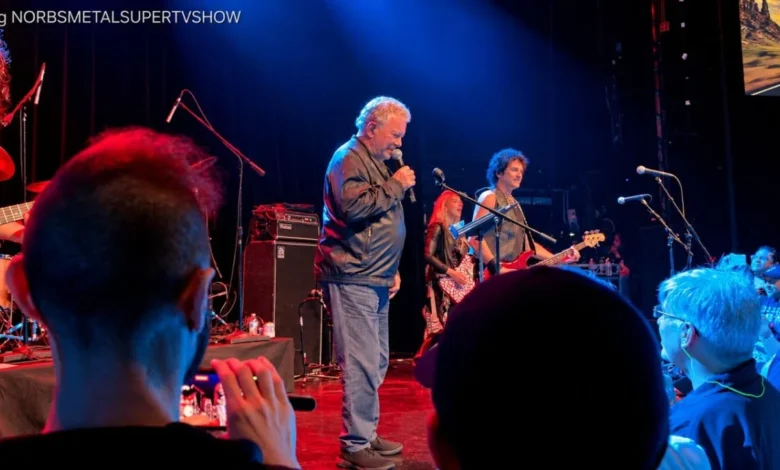
The convergence of legendary pop culture icons and heavy metal music reached an unexpected zenith this past weekend in Chicago, as William Shatner, the 95-year-old actor and cultural polymath, officially inaugurated his heavy metal project with a series of high-profile performances. The debut served as a dual-phase rollout, beginning with an intimate, exclusive warm-up gig at the Park West venue on Saturday night, followed by a commanding appearance on the main stage of the long-running Riot Fest on Sunday.
The ensemble, colloquially and controversially billed as The *uckers, features a seasoned lineup of musicians, including guitarists Marcus Nand and Britt Lightning, bassist Phil Soussan—a veteran of the rock industry with credits ranging from Ozzy Osbourne to Billy Idol—and drummer Fred Achin. This collective has spent recent months refining a sound that bridges the gap between Shatner’s signature spoken-word delivery and the high-decibel aesthetics of modern heavy metal.
A Chronology of the Project
The genesis of this musical pivot traces back to earlier this year, when rumors began to circulate regarding a studio album titled What The F Is Heavy Metal? While the project was initially viewed by some industry analysts as a potential novelty endeavor, the live execution in Chicago suggested a more concerted effort to participate in the genre’s culture.
The timeline of the band’s development has been rapid. Following early sessions in the studio, the group began teasing tracks via social media, with Shatner himself providing the most significant narrative hook. In a widely circulated statement on his social media platforms, the actor remarked, "I have explored space. I have explored time. Now… I explore distortion." This existential branding strategy has been central to the project’s marketing, positioning Shatner not as a tourist in the metal scene, but as an explorer of a new sonic frontier.
The weekend’s performances served as the culmination of these efforts. At Park West, the band cycled through a setlist of heavy metal staples, including Motörhead’s "Ace Of Spades," Metallica’s "Enter Sandman," and the Ozzy Osbourne classic "Crazy Train." These covers were interspersed with original material that provided a glimpse into the thematic direction of the forthcoming album, which appears to focus on the complexities of aging, the passage of time, and the exhaustion of modern existence.
Analytical Perspectives on the Performance
From a technical standpoint, the performances have prompted a discussion regarding the intersection of performance art and genre-specific music. Shatner’s vocal style—characterized by his distinct cadence, dramatic pauses, and idiosyncratic phrasing—remains remarkably consistent with the style he established in 1968 with his debut album, The Transformed Man.
Observers at the Park West event noted that while the musical accompaniment was technically proficient and adhered to traditional heavy metal arrangements, the core of the show was the juxtaposition of that sound with Shatner’s delivery. At 95 years of age, his physical stage presence has been described as surprisingly agile, defying the typical expectations associated with an artist of his demographic.
Furthermore, the choice of setlist items like "Ace Of Spades" indicates a deliberate effort to engage with the high-energy, high-tempo heritage of the genre. By selecting songs that are foundational to heavy metal, the band has effectively signaled its intent to be taken seriously within the framework of rock performance, despite the inherent theatricality of having an iconic science fiction actor at the helm.
Artistic Motivations and Creative Direction
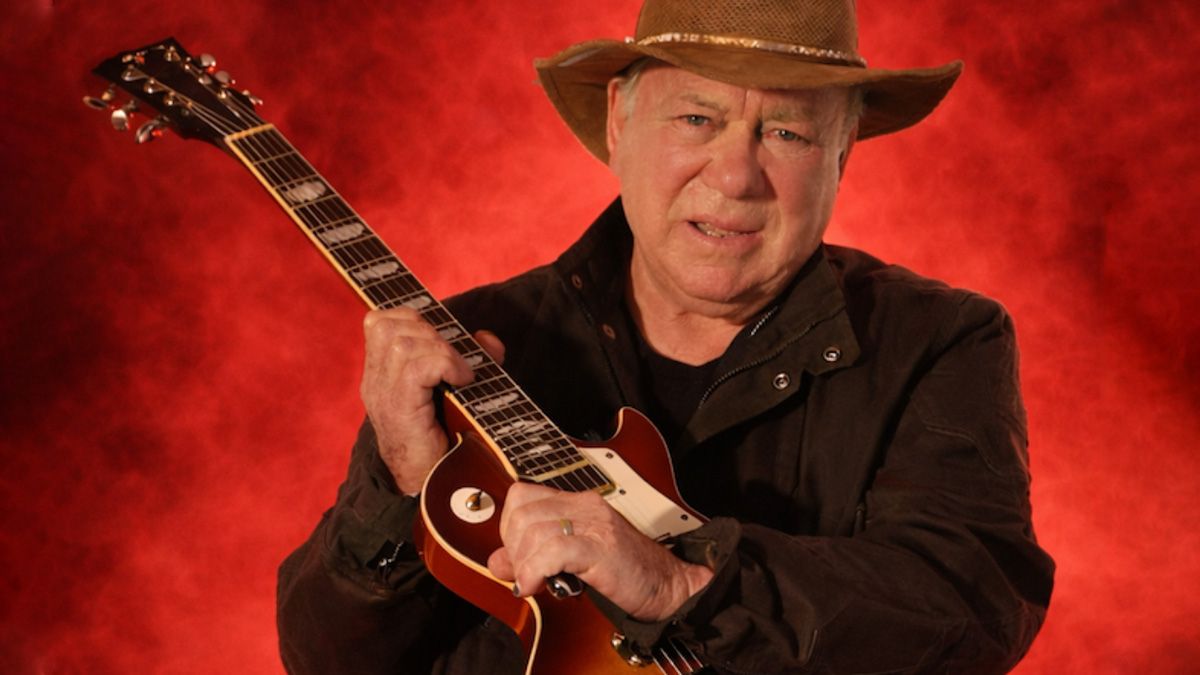
In an interview conducted earlier this month on the Moynihan Report podcast, Shatner provided additional context regarding his lack of formal history with the genre. He admitted to having limited prior knowledge of heavy metal tropes, which he argued allowed for a more "impassioned" and less derivative approach to songwriting.
One of the more illustrative examples of this creative process is a track he described as an "impassioned" response to Guns N’ Roses’ 1991 ballad "Patience." Shatner’s lyrical contributions appear to focus on the visceral realities of his age. In the interview, he recited a segment of the lyrics: "I’m tired of old age. I’m tired of losing hair. I’m tired of not eating. I’m tired of catching a cold. I’m tired of being tired. I’m tired!" This raw, autobiographical approach provides a thematic weight that distinguishes the project from typical "celebrity vanity" music releases.
Future Implications and The Coachella Booking
The momentum generated by the Riot Fest appearance is already being translated into future professional commitments. Perhaps the most significant development is the confirmation that The *uckers have been secured for the 2026 Coachella Valley Music and Arts Festival.
The announcement was initially handled in a characteristically unconventional manner. During an interview with CNN last month, Shatner alluded to a booking at "the one in the desert," a clear reference to the Indio-based festival. This was later clarified by his daughter, Melanie Shatner Gretsch, who confirmed the booking.
The inclusion of an act like The *uckers in a festival lineup primarily dominated by contemporary pop, indie, and electronic artists highlights a broader shift in how major festivals curate their rosters. By booking a legacy figurehead in a genre-bending project, Coachella is arguably betting on the intersection of nostalgia, internet culture, and the "event-based" nature of modern live music. This strategy has proven successful for the festival in the past, often bridging gaps between generations of concert-goers.
Broader Industry Impact
The emergence of Shatner’s metal project serves as a case study for the evolving nature of celebrity branding in the 21st century. As digital platforms continue to flatten the hierarchy between genres, high-profile figures from outside the music industry are increasingly finding avenues to explore experimental projects with significant commercial backing.
From an industry perspective, the success of these performances hinges on the audience’s willingness to suspend disbelief. The professional musicians involved—Nand, Lightning, Soussan, and Achin—provide the necessary credibility to ensure that the musical output is technically sound, while Shatner provides the narrative drive that turns a standard concert into a cultural phenomenon.
Whether or not What The F Is Heavy Metal? achieves long-term commercial success remains to be seen. However, the data gathered from the Chicago performances suggests that there is a measurable interest in this project. The combination of high-energy live performance, a well-curated setlist of classics, and the novelty of the frontman has generated significant social media engagement and press coverage, which, in the current music economy, is often as valuable as traditional record sales.
As the band prepares for its upcoming festival cycle, the focus will likely shift from the "novelty" of the endeavor to the quality of the original compositions. The industry will be watching closely to see if the group can sustain this momentum and if the audience’s curiosity will translate into a lasting presence in the heavy metal scene. For now, the successful transition from studio to main stage at Riot Fest represents a significant milestone in what is already a long and multifaceted career, proving that the boundaries of performance and creative expression continue to be remarkably fluid.