Neil Young Returns With The Chrome Hearts And A Luminous Meditation On Mortality In Second Song At Eighty Years Old

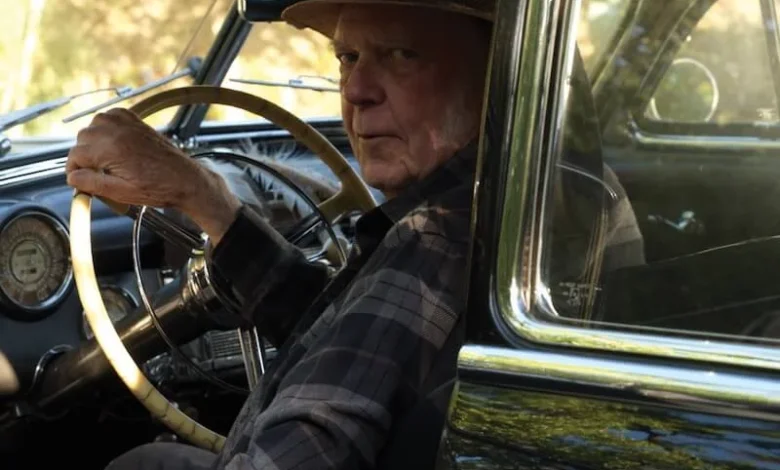
At the milestone age of 80, legendary singer-songwriter Neil Young continues to defy the conventional boundaries of a legacy career, returning with a new single titled Second Song, recorded alongside his backing band, the Chrome Hearts. Rather than resting on the laurels of a catalog that spans more than half a century and includes rock anthems that defined generations, Young has crafted a weathered, luminous meditation on memory, mortality, love, and the strange, relentless passage of time. The release showcases an artist who remains gloriously unfinished, utilizing shimmering sonic textures, warm vocal harmonies, wandering tempos, and that unmistakably vulnerable voice to look backward into his storied past without ever entirely letting go of the horizon. It is an elegiac, deeply human record that reaffirms Young’s status as an artist who is forever searching for the ultimate song, proving that his creative engine burns just as fiercely today as it did during his formative years in the 1960s and 1970s.
The arrival of Second Song comes at a fascinating juncture in contemporary music history, where aging rock icons are increasingly revisiting their archives or retiring from the road altogether. Young, however, continues to forge ahead with new material, demonstrating a prolific work ethic that has yielded dozens of studio albums under his own name, as well as collaborative projects with Buffalo Springfield, Crosby, Stills, Nash & Young, and Crazy Horse. The Chrome Hearts provide a distinct sonic landscape for this latest release, enveloping Young’s distinctively raw acoustic and electric guitar work in a rich atmosphere. The track features a delicate interplay of instruments that avoids the polished perfection of modern digital production in favor of a warm, analog-sounding aesthetic. Music critics and industry analysts have already begun dissecting the track’s lyrical themes, which grapple with the realities of aging, the permanence of art, and the fleeting nature of human existence. By framing these profound philosophical queries within a relatively stripped-down musical arrangement, Young invites listeners into a contemplative space that feels both intimate and universal.
Chronology of a Lifetime in Music
To understand the weight and significance of Second Song, one must examine the expansive chronology of Neil Young’s career, which traces the evolution of modern rock music itself. Born in Toronto, Canada, in 1945, Young began his professional musical journey in the mid-1960s, playing in various Canadian garage bands before relocating to Los Angeles. In 1966, he co-founded Buffalo Springfield alongside Stephen Stills, Richie Furay, Bruce Palmer, and Dewey Martin. The band released three influential albums and scored a counterculture anthem with For What It’s Worth before dissolving in 1968. Following the breakup of Buffalo Springfield, Young immediately embarked on a solo career, releasing his self-titled debut album in 1969. Later that same year, he joined forces with Crazy Horse to release Everybody Knows This Is Nowhere, an album that established his signature loud, distorted electric guitar style alongside gentle, folk-inspired acoustic numbers.
The 1970s proved to be Young’s most commercially successful and critically revered decade. In 1970, he officially joined Crosby, Stills & Nash for the landmark album Déjà Vu. Shortly thereafter, in 1972, he released Harvest, which became the best-selling album of that year in the United States and featured the enduring classic Heart of Gold. Despite mainstream success, Young frequently pivoted away from commercial expectations, famously plunging into a self-described "ditch" of dark, emotionally raw records such as Tonight’s the Night and On the Beach following the drug-related deaths of two close friends and associates. Throughout the 1980s, Young famously experimented with a wide array of genres—ranging from synthesizers and rockabilly to country and industrial blues—leading to a legendary legal dispute with his then-label, Geffen Records, which sued him for making music that "did not sound like Neil Young."
The 1990s brought a commercial and cultural renaissance as a new generation of musicians acknowledged Young as the ideological godfather of grunge. Artists such as Pearl Jam, Nirvana, and Soundgarden frequently cited his feedback-drenched guitar playing and uncompromising artistic integrity as major influences. In 1995, Young collaborated with Pearl Jam to record the abrasive and prophetic album Mirror Ball. Entering the 21st century, Young maintained an relentless release schedule, alternating between environmental activism, high-resolution digital music initiatives, and a steady stream of studio and archival albums. Notable releases in the 2000s and 2010s included Greendale, a rock opera addressing environmental and corporate corruption; Fork in the Road, an album recorded using a Lincoln Continental converted to run on alternative fuel; and numerous volumes of his massive archival bootleg series. In recent years, Young has continued to challenge the music industry, notably removing his catalog from major streaming services like Spotify in 2022 in protest of vaccine misinformation on the platform, before eventually returning to streaming in 2024 to reach a wider audience. The release of Second Song with the Chrome Hearts represents the latest chapter in this remarkable, unbroken timeline of creative output.
Supporting Data and Production Context
While specific chart data and streaming metrics for Second Song continue to evolve in the days following its release, preliminary industry indicators suggest a strong digital footprint and enthusiastic reception across independent music platforms. Young’s recent recording endeavors have increasingly prioritized independent distribution methods, fan-supported ecosystems, and high-fidelity audio options via his own digital archive platform, Neil Young Archives. This approach bypasses traditional major-label promotional cycles, relying instead on direct-to-consumer engagement and critical word-of-mouth.
The involvement of the Chrome Hearts as a backing unit represents a deliberate choice to ground the new material in a collaborative, live-band dynamic. In interviews and liner notes associated with his recent projects, Young has frequently emphasized the importance of capturing a performance in real-time, often preferring first or second takes to preserve the raw emotional immediacy of a song. Second Song exhibits these production values explicitly; the wandering tempos and breathing room within the mix indicate a refusal to use digital quantization or pitch correction. The instrumentation relies heavily on vintage tube amplifiers, acoustic instruments played with visible fingerpicks, and room microphones that capture the natural reverberation of the recording space. This attention to acoustic authenticity mirrors Young’s long-standing crusade against compressed audio formats, a campaign that previously manifested in his development of the Pono music player and his vocal criticism of MP3 compression standards.
Industry Reactions and Statements
The release of new material from an octogenarian artist of Neil Young’s stature has elicited widespread commentary from music critics, fellow musicians, and cultural analysts alike. While formal statements from corporate entities or major record labels have been minimal due to Young’s independent operational model, reactions within the critical community have been overwhelmingly reverent. Reviewers have highlighted the stark contrast between Second Song and the hyper-processed, algorithmically driven pop music that dominates contemporary commercial charts.
Prominent music publications have pointed to the track’s thematic maturity as a masterclass in aging gracefully within the notoriously youth-obsessed landscape of popular music. Cultural commentators note that while many legacy artists spend their later years touring exclusively on nostalgia acts and playing note-for-note renditions of their 1970s hits, Young utilizes his historical weight as a springboard for ongoing experimentation. Statements from independent music platforms and patron-supported cultural outlets have emphasized the cultural necessity of supporting aging artists who remain committed to the avant-garde and the deeply personal. By addressing mortality not with fear or bitterness, but with a luminous, observational curiosity, Young has sparked conversations among psychologists, sociologists, and musicologists regarding the role of creative expression in processing the final stages of life.
Broader Impact and Implications for the Music Industry
The release of Second Song with the Chrome Hearts carries several broader implications for the modern music industry, particularly regarding the commercial viability and artistic trajectory of legacy acts. In an era where catalog acquisitions have become a multi-billion-dollar market—with elderly musicians selling their publishing rights to private equity firms and investment funds for massive lump sums—Neil Young has remained an outlier. While Young did sell a 50 percent stake in his songwriting catalog to Hipgnosis Songs Fund in 2021, he has maintained strict creative control and continues to generate new, vital recorded works rather than treating his output as a closed historical archive.
This ongoing commitment to new creation challenges the industry’s prevailing economic model, which treats older artists primarily as heritage brands. By releasing fresh material at age 80, Young demonstrates that creative vitality does not have an expiration date tied to biological age. Furthermore, his partnership with independent platforms and fan-supported models offers an alternative blueprint for artists seeking to bypass the traditional corporate machinery of major record labels. Second Song serves as a case study in how an artist with a massive historical footprint can release new music directly to an established, highly engaged audience without compromising artistic vision or yielding to commercial pressures.
As Second Song finds its audience across digital streaming platforms, vinyl record shops, and the Neil Young Archives, its long-term cultural impact will likely be measured by how it influences other veteran artists approaching the twilight of their careers. Young has consistently set the standard for artistic independence, political outspokenness, and uncompromising sonic exploration. With this latest meditative offering, he has once again expanded the parameters of what is possible for a popular musician in the ninth decade of life, leaving listeners with a profound reminder that the search for the song is a journey that never truly ends.