DC JazzFest Celebrates 22 Years of Sonic Innovation and Cultural Unity in the Heart of the Nation’s Capital

The DC JazzFest, an annual cornerstone of the mid-Atlantic cultural calendar, successfully concluded its 22nd iteration this past Labor Day weekend, reinforcing Washington, D.C.’s status as a vital hub for contemporary and traditional jazz performance. Held primarily along the revitalized waterfront of The Wharf, the festival navigated challenging weather conditions—ranging from high-humidity heat waves to intermittent rain—to deliver a robust schedule of performances that drew thousands of attendees. By providing a platform for both legendary figures and emerging virtuosos, the festival solidified its position alongside international institutions like the Montreal and Newport Jazz Festivals.
A Chronology of the Weekend’s Performances
The festival’s programming, which spanned several days of lead-up events before culminating in the high-profile main stage showcases on September 5 and 6, 2026, was characterized by a dense, overlapping schedule. The logistical challenge for attendees was not a lack of quality, but an abundance of it. The weekend saw a diverse array of talent spread across five distinct stages, including the Arena Stage and the Transit Pier.
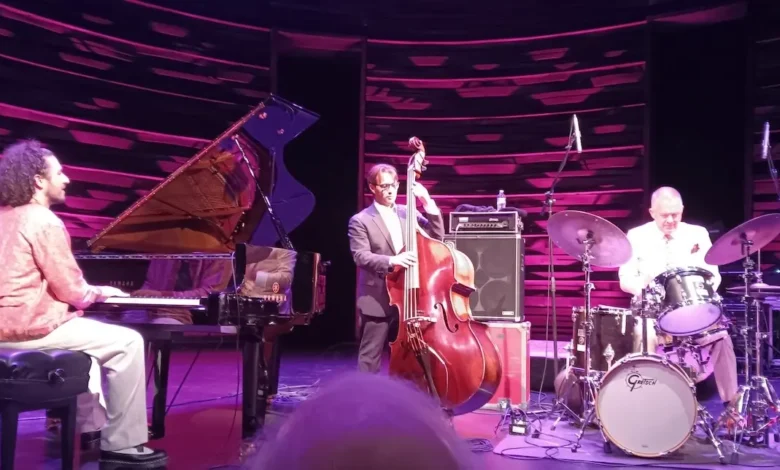
Saturday, September 5, began under a sweltering sun, yet the atmosphere remained buoyant. The programming featured a strategic blend of established masters and experimentalists. Pianist and artist-in-residence Emmet Cohen anchored the weekend with a series of performances that highlighted the generational fluidity of the genre. Accompanied by veteran drummer Joe Farnsworth and 24-year-old bassist Joey Ranieri, Cohen’s trio served as a case study in musical collaboration. Their sets were marked by a high degree of interactive improvisation, where tempos were fluidly adjusted in response to the immediate energy of the performance.
The schedule also provided space for avant-garde explorations. Saxophonist Joshua Redman’s set offered a study in contrast, moving from high-tension, abstract soloing that pushed the boundaries of traditional melodic structure to intimate, emotive ballads. Later in the weekend, Bill Frisell presented his distinctive, European-influenced aesthetic, which drew heavily from the ECM Records tradition, further broadening the stylistic spectrum of the festival. The weekend reached a crescendo on Sunday night, September 6, with a performance by Panamanian pianist Danilo Pérez, whose fusion of Latin-jazz, historical influences, and modern improvisation served as a definitive highlight for many in attendance.
Supporting Data and Programming Diversity
The 2026 edition of the DC JazzFest was notable for its expansive programming, which sought to represent the global reach of jazz. The organizers curated a lineup that defied a single stylistic classification. Among the featured acts were:
- Vocalists: Kurt Elling and emerging talent Alfred Yun, representing the evolution of the jazz vocal tradition.
- Funk and Soul-Infused Jazz: Cory Henry & The Funk Apostles and the Muneer Nasser Quartet, catering to audiences seeking high-energy, groove-oriented music.
- Regional and Global Fusion: Etienne Charles & Creole Soul, bringing the melodic textures of Louisiana to the capital, alongside global ensembles such as the African Rhythms Alumni Quintet and Son Cubano Subterraneo.
- Emerging Voices: The inclusion of artists like Domas Žeromskas and Sakobi provided a discovery platform for festival-goers, many of whom noted the accessibility of these new sounds.
The festival’s diversity extended beyond geography to include a wide demographic range of performers. By pairing veteran musicians with up-and-coming players, the DC JazzFest acted as a conservatory of sorts, ensuring the transmission of stylistic nuances between generations.
Context and Historical Significance
Founded over two decades ago, the DC JazzFest has undergone significant evolution. Originally conceived to bolster the local music economy and provide a dedicated stage for the district’s rich jazz history—which includes the legacy of Duke Ellington—the festival has since transformed into a major tourism driver. The decision to host the festival at The Wharf has been instrumental in its recent success, as the location provides both a modern infrastructure and a scenic backdrop that complements the aesthetic of the music.
The festival’s institutional growth is reflective of a broader trend in the U.S. arts sector: the shift toward urban, multi-venue festivals that prioritize the "festival experience" over single-venue concerts. By integrating local dining and retail spaces into the festival footprint, the organizers have successfully fostered an environment where the music bleeds into the public space, encouraging organic engagement from both dedicated jazz fans and casual listeners.
Industry Perspectives on Music Education
Beyond the performance stages, the 2026 DC JazzFest functioned as a forum for industry discourse. A recurring theme during panel discussions and artist talks held throughout the weekend was the critical state of music education in American public schools. Many participants, including headlining artists and industry professionals, expressed concern regarding the reduction of arts funding.
The consensus among stakeholders was that jazz, as a language of improvisation and collaboration, is a uniquely effective tool for fostering critical thinking and social cohesion among youth. The festival’s commitment to education was evident in its outreach initiatives, which aim to keep music curricula alive in the District’s schools. For the performers, these discussions provided a platform to advocate for the necessity of the arts, not merely as entertainment, but as an essential component of a functional community.
Analysis: The Future of Jazz Festivals
The success of the 22nd DC JazzFest offers several insights into the current landscape of the genre. First, the audience’s positive reception to "playful experimentation"—as seen in the Cohen trio’s set—suggests that jazz fans are increasingly interested in the process of composition rather than just the final product. Second, the willingness of the festival to host a wide range of sub-genres (from bebop to Latin-jazz to ECM-style abstraction) suggests that the "jazz tent" is widening, allowing for greater inclusivity.
However, the event also highlighted the ongoing tension between artistic freedom and audience accessibility. The debate surrounding Joshua Redman’s set, which polarized some attendees, serves as a microcosm of a larger industry discussion: how far can a performer push the boundaries of tone and melody before losing the connection with the casual listener? The fact that such a debate can occur within the framework of a large-scale festival is, in many ways, a sign of the genre’s health. It indicates that jazz remains a living, breathing art form capable of provoking reaction rather than remaining a static historical artifact.
Conclusion and Broader Implications
As the festival concluded on Sunday night, the prevailing sentiment among organizers and patrons was one of resilience. The ability to manage logistics under changing weather conditions, while maintaining a high standard of acoustic and performance quality, marks a high point for the organization.
The DC JazzFest’s long-term impact on the city is significant. By drawing visitors to The Wharf and highlighting the intersection of music, education, and culture, the festival contributes to a more vibrant civic life. As the organization looks toward its third decade, the 2026 event serves as a template for how a cultural institution can balance the weight of tradition with the urgency of innovation. In a time of increased social fragmentation, the festival proved that the improvisational nature of jazz remains a potent mechanism for bringing diverse groups of people together under a shared, melodic canopy. The 22nd annual DC JazzFest was not only a musical milestone but a testament to the enduring, universal language of jazz.