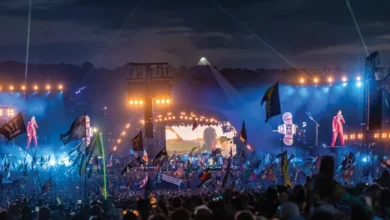
The Amsterdam Dance Event and VibeLab launch the Nighttime Culture Index to evaluate global nightlife infrastructure


The launch of the Nighttime Culture Index marks a pivotal moment in the academic and industrial study of urban nightlife, introducing a comprehensive framework to measure the health, inclusivity, and sustainability of the nocturnal economy. Debuted during the 30th anniversary of the Amsterdam Dance Event (ADE), the index serves as a comparative dashboard analyzing six major global cities: Amsterdam, Lagos, New York, São Paulo, Seoul, and Sydney. By utilizing 30 distinct indicators, the research project aims to shift the narrative around nightlife from mere economic output to a holistic understanding of cultural participation, safety, and community resilience.
A New Framework for Nocturnal Urbanism
For decades, urban planners have treated nightlife as a fringe activity—often relegated to the periphery of city policy or viewed solely through the lens of tourism revenue. The Nighttime Culture Index, spearheaded by VibeLab, challenges this by establishing a rigorous data-driven methodology. The study categorizes its findings into six dimensions: Creative Ecology, Space and Infrastructure, Diversity and Representation, Community and Belonging, Policy and Civic Health, and Sustainability and Environment.
This initiative is the result of an exhaustive data-gathering process. The research team processed over 12,000 event lineups, conducted assessments on more than 3,000 individual venues, and analyzed nearly 30,000 non-musical cultural events. Beyond the quantitative data, the study incorporates qualitative insights from 700 public survey respondents, 67 focus group participants, and 14 leading experts in nighttime governance. This multi-layered approach ensures that the index reflects both the macro-level economic realities and the micro-level experiences of club-goers, artists, and venue owners.
The Chronology of Nighttime Governance
The development of this index is not an isolated event but rather the culmination of years of increasing professionalization within the "Night Mayor" and "Nighttime Economy Manager" movements. Since the early 2010s, cities like Amsterdam—which appointed the world’s first Night Mayor in 2012—have paved the way for local governments to treat the nocturnal sector as a legitimate part of the urban fabric.
Following the global disruption of the COVID-19 pandemic, which saw the widespread closure of independent music venues, the urgency for a standardized tracking system became apparent. In 2022, VibeLab and ADE began preliminary discussions on a collaborative project to benchmark global performance. By 2023, the scope was finalized to include diverse geographical regions to capture how different socioeconomic environments influence nightlife. The project officially culminated in late 2026, coinciding with the 30th anniversary of ADE, providing a definitive snapshot of the post-pandemic recovery and the systemic challenges that persist in the global nightlife ecosystem.
Economic Barriers: The Cost of Participation
One of the most striking revelations in the report is the disparity in affordability when measured against local minimum wages. The index illustrates a stark economic divide that threatens the democratic nature of nightlife. In Sydney, a night out costs approximately one hour of labor, whereas in Amsterdam, it requires 1.3 hours. The numbers climb significantly in Seoul (1.7 hours) and New York (1.8 hours).
The most alarming figures emerge in the Global South, where the cost of entry relative to income is disproportionately high. In São Paulo, an attendee must work for nine hours to afford a standard club night entry, excluding the additional costs of beverages and transportation. In Lagos, that figure skyrockets to 25 hours. These findings present a significant social challenge. When the price of cultural participation consumes a significant portion of a worker’s weekly wages, nightlife ceases to be a public good and becomes an exclusionary luxury, effectively stifling the emergence of new talent and grassroots community spaces.
Representation and Diversity in the Spotlight
Beyond the financial barriers, the index highlights deep-seated inequalities in representation. Despite the rhetoric of inclusivity often associated with electronic music culture, the data shows that women and gender-diverse artists remain severely underrepresented. Across the six cities analyzed, these demographics hold between 27% and 32% of total lineup slots.

This statistical gap is mirrored by a lack of diversity in the boardrooms and ownership structures of major nightlife institutions. Experts in five of the six cities assessed the diversity of venue leadership as "poor." This systemic imbalance suggests that while the dance floor may appear diverse, the decision-making power that dictates the sound, vibe, and security of these spaces remains concentrated in a narrow demographic. Addressing this, the report notes, requires more than just booking quotas; it demands a fundamental shift in how venues are funded, licensed, and managed.
The Safety Paradox: Inside vs. Outside
The index also uncovers a complex relationship between venue safety and the public space surrounding these establishments. In São Paulo, 73% of respondents reported feeling safe while inside a venue, yet that figure dropped to just 11% for the surrounding streets. A similar pattern was identified in Lagos, where 74% reported feeling safe inside, compared to 20% outside.
These findings suggest that while club owners and promoters are doing an effective job of curating secure internal environments, there is a disconnect between the venue and the city’s broader public safety policies. The "last mile" problem—the journey from the club to a transport hub or home—remains a critical failure point for urban nightlife. The study argues that policymakers must view the safety of the night as a holistic issue, requiring improved public lighting, safer transit options, and better police-community relations in nightlife districts.
Official Perspectives and Industry Reactions
Jan-Willem van de Ven, Managing Director of the Amsterdam Dance Event, emphasized the existential nature of these findings during the launch. "You can’t have a nighttime industry without a nighttime culture, and that culture depends on people being able to take part," van de Ven stated. His comments reflect a growing realization among industry leaders that current economic trends are unsustainable. If the cost of entry continues to climb, the industry risks alienating the very demographic—young people and lower-income workers—that traditionally fuels its innovation.
Industry observers have noted that the Nighttime Culture Index is likely to become a mandatory tool for city planners. By providing a common language and a standardized set of metrics, the report allows cities to benchmark themselves against global peers. It moves the conversation from vague claims of "vibrant nightlife" to specific, actionable data points.
Broader Implications for Urban Policy
The report concludes that while many cities have begun to appoint dedicated nighttime offices, there is a recurring tendency to prioritize the economic contribution of nightlife over its cultural or social utility. Many governments are eager to tax the revenue generated by clubs and festivals but are often reluctant to provide the structural support needed for those venues to survive.
This "instrumentalization" of nightlife poses a long-term risk. If cities view nightclubs purely as engines for tourism or real estate development, they may lose sight of the grassroots venues that incubate new sounds and subcultures. The index provides a roadmap for a more balanced approach, suggesting that cities should integrate nightlife into their broader cultural policy, treat it as a vital component of civic health, and implement regulations that protect spaces rather than just policing them.
As the Nighttime Culture Index establishes its first baseline, the goal is for annual updates to track progress. By monitoring these 30 indicators over time, stakeholders will be able to determine whether policies are actually effective in fostering safer, more affordable, and more diverse cultural environments. The data is now available for public review through the project’s official digital dashboard, serving as a call to action for local governments and cultural institutions worldwide. The findings suggest that the future of the night is not just about the music, but about the policies, economics, and social commitments that allow the night to exist in the first place.