Maria Kalesnikava Reflects on the Power of Art as a Tool for Democratic Resilience Following Her Release from Five Years of Political Imprisonment

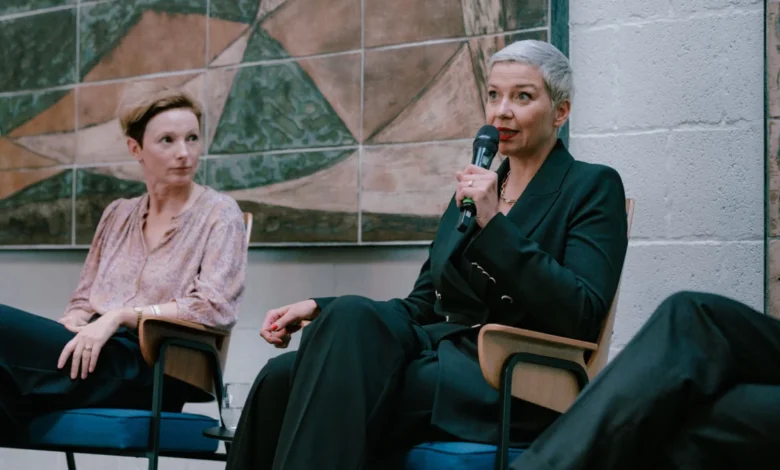
Maria Kalesnikava, a renowned flutist, conductor, and a central figure in the 2020 Belarusian pro-democracy movement, has made her first significant public appearance following her release from five years of state-mandated incarceration. Speaking on October 2 at the Beethovenfest in Bonn, Germany, Kalesnikava articulated the profound role that artistic practice played in sustaining her psychological integrity during her time as a political prisoner. Her remarks offer a rare, firsthand perspective on the intersection of cultural expression and political resistance, framing the creative process as a structural model for democratic values.
The Arc of a Movement: A Chronology of Resistance
The origins of Kalesnikava’s imprisonment trace back to the contested Belarusian presidential election of August 2020. As a key strategist and member of the Coordination Council, Kalesnikava emerged as a prominent voice alongside opposition leader Sviatlana Tsikhanouskaya and Veronika Tsepkalo. Her arrest on September 7, 2020, followed a dramatic standoff in the center of Minsk, where she reportedly tore up her passport at the border to prevent authorities from forcibly deporting her to Ukraine.
The legal proceedings that followed resulted in an 11-year prison sentence in 2021, on charges of conspiracy to seize power and inciting actions against national security. For five years, Kalesnikava remained a symbol of the Belarusian opposition, despite being subjected to long periods of incommunicado detention and reports of deteriorating health. Her release in December 2025 was the result of high-level, multi-national diplomatic negotiations, primarily facilitated by the United States, aimed at securing the freedom of several political prisoners held within the Belarusian penal system.
Art as a Framework for Democratic Values
During her address in Bonn, Kalesnikava emphasized that her background in classical music and arts management provided a framework for survival, but also for political conceptualization. She argued that the collaborative nature of a musical ensemble—which requires individual virtuosity to be subsumed within the service of a collective goal—parallels the functioning of a healthy, democratic society.
"In prison, the environment is designed to atomize the individual and destroy the capacity for collective thought," Kalesnikava noted. "Artistic practice, even in the abstract, is an exercise in listening. It forces you to recognize the agency of the other, to understand timing, nuance, and the necessity of harmony in diversity. These are the very antithesis of autocratic governance, which thrives on silence and the erasure of nuance."
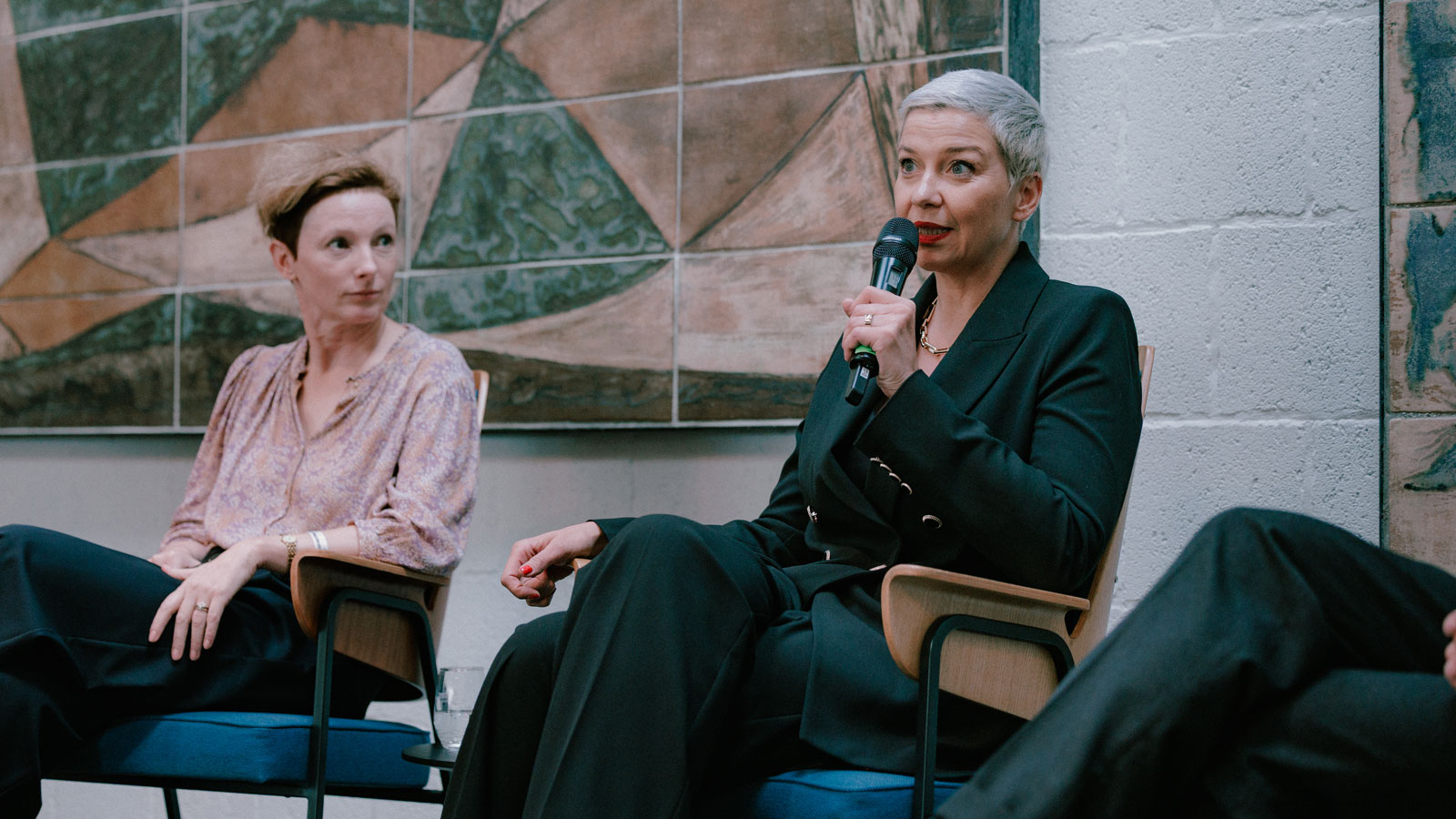
By maintaining a mental space for composition and performance, Kalesnikava suggested that she was able to resist the psychological pressure of her surroundings. She posited that art is not merely an aesthetic luxury but a fundamental human necessity that preserves the capacity for critical thinking in environments where such thoughts are criminalized.
Supporting Data: The Plight of Political Prisoners in Belarus
Kalesnikava’s experience is reflective of a broader, systemic trend in Belarus. According to data maintained by the Viasna Human Rights Centre, which tracks political repression in the country, there have been over 1,400 active political prisoners identified within the Belarusian penal system as of late 2025. The conditions for these prisoners frequently include limited access to legal counsel, restricted correspondence, and reports of inadequate medical care.
The diplomatic effort that led to the December 2025 releases represented a significant shift in international relations. Analysts observe that while the Belarusian government has historically used political prisoners as bargaining chips, the scale of the 2025 negotiations marked a rare instance of successful multilateral pressure. This release has prompted a debate among international observers regarding the efficacy of sanctions versus direct negotiation in human rights advocacy.
International and Official Responses
The international community, including the European Union and the United States Department of State, welcomed the release of Kalesnikava and her peers. In a statement issued following the Bonn conference, a spokesperson for the European Parliament’s Committee on Foreign Affairs noted that Kalesnikava’s resilience serves as a "stark reminder of the human cost of the struggle for democracy in Eastern Europe."
However, the Belarusian state media has continued to characterize the 2020 protests as Western-backed attempts to destabilize the nation, maintaining that the prosecutions were legitimate legal actions under national law. This dichotomy illustrates the persistent ideological divide between the Belarusian government and the international community, complicating the prospect of normalized relations in the near future.
Broader Implications for Human Rights and Cultural Diplomacy
The discourse initiated by Kalesnikava at the Beethovenfest has broader implications for the role of the arts in international relations. By centering her experience on the intersection of music and resistance, she has provided a blueprint for how cultural actors can participate in the defense of human rights.
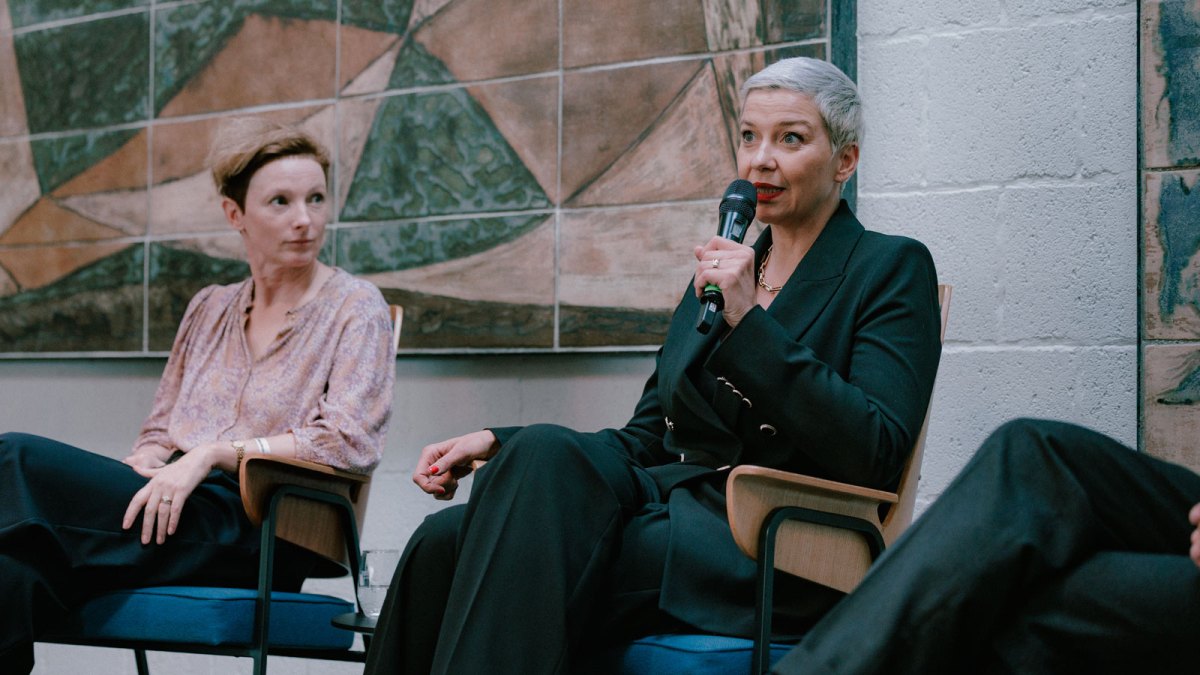
Academics who study political repression suggest that the "Kalesnikava model"—the application of professional artistic disciplines to navigate and critique authoritarian structures—is increasingly relevant in a global landscape where democratic norms are facing significant challenges. Her ability to translate the experience of isolation into a coherent philosophy of democratic engagement offers a strategic narrative for activists worldwide.
Furthermore, her arrival in Germany marks a transition from a domestic struggle to an international platform. As she continues to advocate for those who remain imprisoned in Belarus, her focus on the "democratic structure of music" provides a non-traditional lens through which to view political activism. She is expected to engage in a series of collaborative projects that aim to use the medium of performance to highlight the ongoing struggle for civil liberties in her home country.
Analysis: The Path Ahead
The release of figures like Kalesnikava poses a complex challenge to the Belarusian leadership. While their physical removal from the country removes an immediate point of domestic friction, it creates a powerful voice abroad. The potential for these individuals to mobilize international support and keep the issue of political repression at the forefront of the global agenda is significant.
The challenge for the international community remains how to maintain this momentum. While the release is a victory for humanitarian efforts, human rights organizations emphasize that the underlying structures that facilitated these mass incarcerations remain firmly in place. The situation in Belarus is characterized by a continued suppression of independent media, civil society organizations, and political pluralism.
Maria Kalesnikava’s return to public life is not merely a personal milestone; it is a signal that the movement she represents is evolving. By bridging the gap between high-level diplomatic discourse and the lived experience of political suppression, she has positioned the arts as a vital component of the international human rights architecture. As she continues to share her story, the focus will likely remain on how the principles of collaboration, active listening, and structural integrity—learned through the arts—can be applied to the reconstruction of democratic institutions.
Her appearance at the Beethovenfest serves as a testament to the endurance of the human spirit under the most restrictive conditions. It remains to be seen how her unique blend of artistic and political expertise will influence the future direction of the Belarusian diaspora and the international community’s engagement with the region. However, her assertion that "the music does not stop, even when the stage is taken away" remains a defining statement for her advocacy in the months and years ahead.