Apple TV 4K 4th Generation Debuts With Enhanced Spatial Audio Capabilities and Expanded HomePod Integration

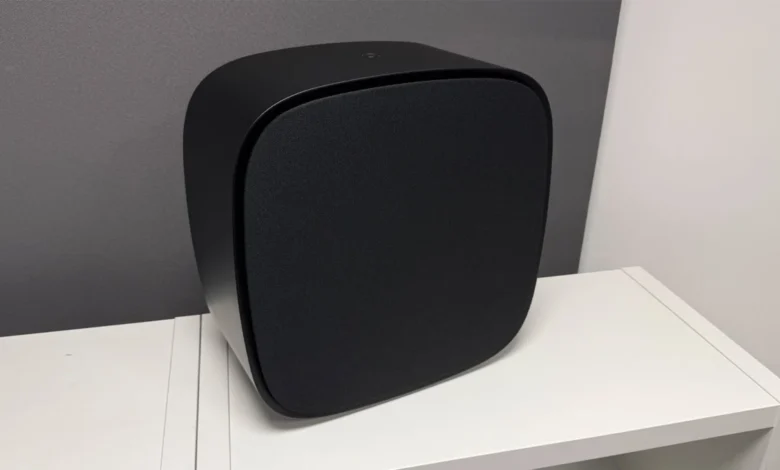
The launch of the Apple TV 4K 4th Generation marks the latest iteration in Apple’s long-standing strategy to dominate the living room ecosystem. Announced just over two weeks ago, this new streaming hardware arrives as a refined successor to the 2022 3rd generation model. While the device maintains the familiar aesthetic footprint of its predecessors, it introduces significant technical adjustments to its internal architecture and software ecosystem. The primary innovation attracting industry attention is the enhanced capacity for multi-speaker configurations, specifically the ability to pair the streamer with a quartet of HomePods to facilitate a wireless Dolby Atmos surround sound environment.
A Chronology of the Apple TV 4K Evolution
To understand the positioning of the 4th Generation model, one must look back at the trajectory of Apple’s streaming hardware. The original Apple TV 4K, released in 2017, was a milestone for the company, bringing high-dynamic-range (HDR) and Ultra HD resolution to its streaming lineup. Following this, the 2021 update introduced the A12 Bionic chip, providing a much-needed boost in performance and frame-rate support.
The 2022 model, often referred to as the 3rd generation, introduced the A15 Bionic chip and HDR10+ support, further bridging the gap between high-end streaming hardware and professional home cinema standards. The current 4th generation release represents an incremental but strategic refinement, prioritizing software integration over hardware overhaul. By focusing on the ecosystem—specifically the interplay between the Apple TV unit, the HomePod 2, and the HomePod Mini 2—Apple is attempting to solve the common consumer pain point of complex wired audio setups.
Technical Specifications and Multi-Speaker Integration
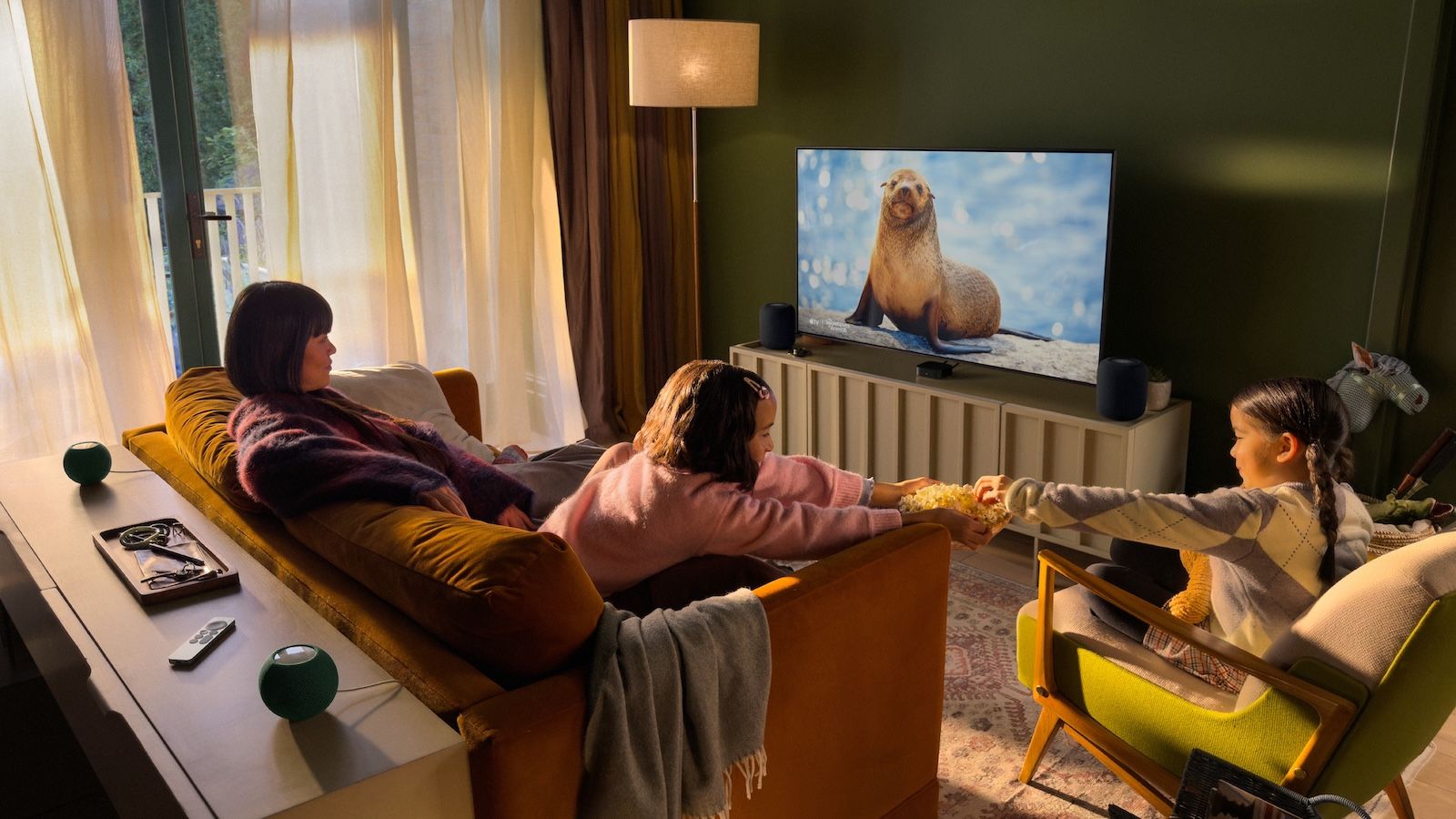
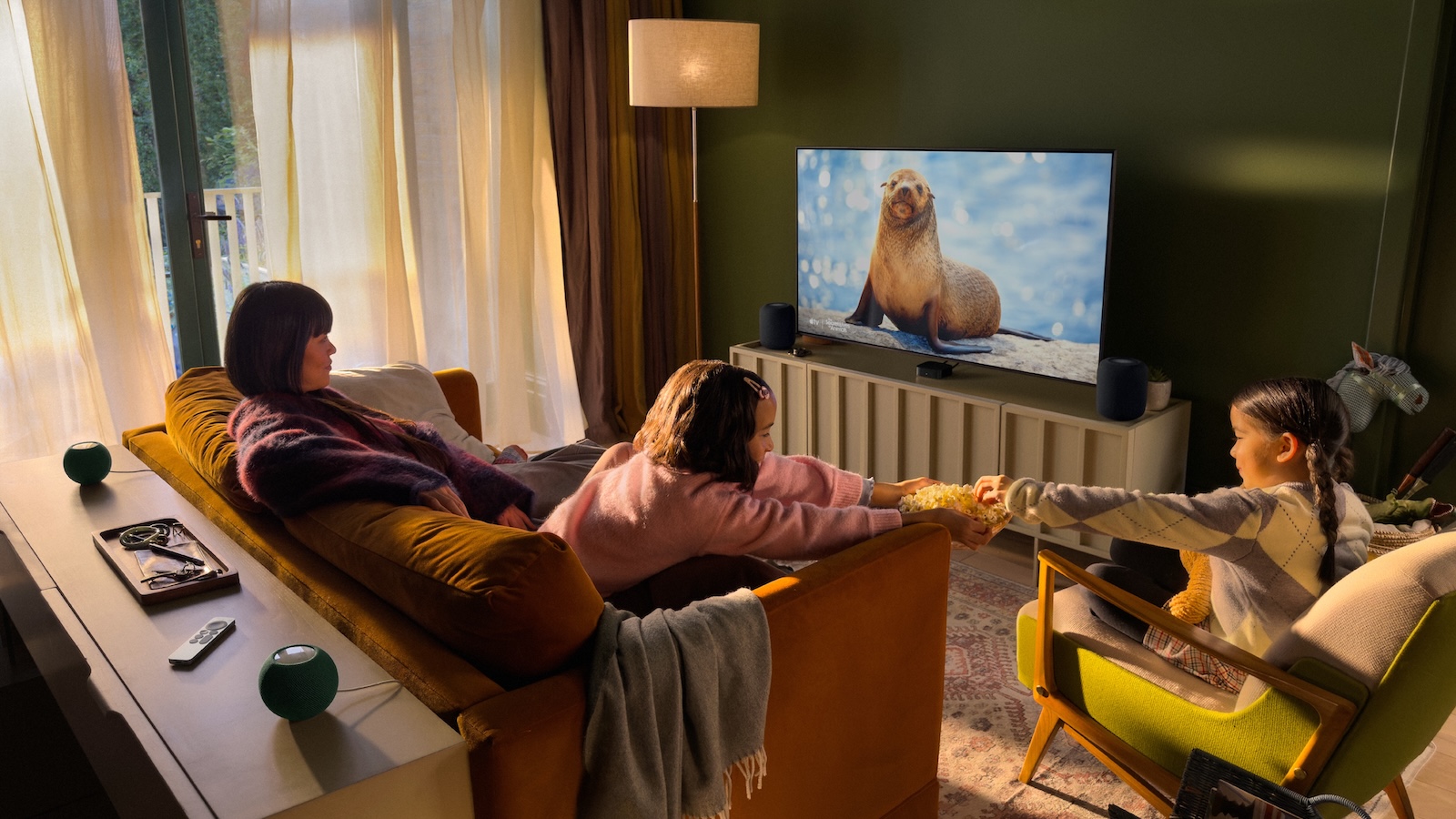
The centerpiece of the new hardware’s functionality is its advanced audio routing. The Apple TV 4K 4th Generation allows users to configure a multi-speaker array that mimics traditional 4.1.2 home theater systems. The system supports a flexible "mix and match" approach, provided that the front and rear pairs maintain consistency in model type. Users can deploy four HomePod 2 units for maximum fidelity, four HomePod Mini 2 units for a more compact setup, or a hybrid configuration utilizing two HomePod 2 speakers at the front and two HomePod Mini 2 speakers for rear surround channels.
This configuration is managed entirely through the tvOS environment, which utilizes the device’s processor to calibrate the audio output. By employing Apple’s proprietary computational audio algorithms, the system can balance the disparate sound signatures of the various HomePod models, creating a coherent soundstage that supports Dolby Atmos. This represents a significant shift from the previous limitations, where users were restricted to stereo or simple dual-speaker setups.
The Missing Piece: The Subwoofer Dilemma
Despite the sophisticated software-driven audio, the current system lacks a dedicated hardware component for low-frequency effects (LFE). In traditional home cinema configurations, a subwoofer is essential for reproducing the deep, tactile vibrations found in modern cinematic sound mixing. While the HomePod 2 is capable of producing impressive bass response for its physical volume, it is not a direct substitute for a specialized, dedicated subwoofer unit.
The absence of a proprietary Apple-branded subwoofer leaves a gap in the company’s "all-in-one" ecosystem pitch. Currently, users who require robust bass for sci-fi or action-oriented content must look to third-party solutions, yet the proprietary nature of Apple’s wireless audio protocol prevents the seamless integration of external subwoofers from manufacturers such as Sonos or LG.
Market Implications and Industry Context
The strategy of creating a closed ecosystem is a hallmark of Apple’s business model, but in the context of high-end home theater, it presents both opportunities and challenges. The ability to use the Apple TV 4K as a central hub for four wireless speakers competes directly with established soundbar and satellite systems, such as the Sony Bravia Theatre Quad or the LG Sound Suite. These competitors generally provide a more integrated experience, often including a dedicated subwoofer as part of their modular packages.
Analysts suggest that Apple’s current path is one of "ecosystem lock-in." By encouraging users to purchase four HomePods, the company effectively increases the average revenue per user (ARPU) within the home audio segment. However, the lack of an open standard for wireless subwoofer connectivity may alienate audiophiles who prioritize a complete frequency range over the aesthetic and setup simplicity of an all-Apple system.
Comparative Analysis: Ecosystem vs. Performance
When comparing the new Apple TV 4K setup to industry-standard home theater systems, the trade-offs become clear. Traditional systems typically utilize HDMI eARC to ensure high-bandwidth audio transmission. Apple’s wireless approach relies on the proprietary Apple wireless protocol, which is highly stable but potentially limited by the bandwidth constraints of a home Wi-Fi network.
Furthermore, the price point of a quad-HomePod system is substantial. When aggregating the cost of four HomePod 2 units and an Apple TV 4K, the total investment rivals that of a dedicated, high-performance home cinema system featuring a dedicated receiver and wired speakers. The primary selling point for the consumer remains the "zero-cabling" aesthetic and the simplicity of the setup process. For the average consumer, the ability to avoid running speaker wire across a living room is a powerful incentive, even if it comes at the cost of the raw, punchy low-end performance of a wired 12-inch active subwoofer.
Potential Future Developments
Industry observers are already speculating about the possibility of an Apple-designed subwoofer. Given that Apple has, in recent years, shown a greater willingness to collaborate—evidenced by its partnership with LG for smart home functionality—some experts argue that the company could eventually open its audio protocol to allow for third-party subwoofer integration. However, history suggests that Apple prefers to keep its hardware ecosystem tightly controlled.
The six-year gap between the introduction of the original HomePod and the HomePod Mini 2 suggests that Apple’s hardware development cycle is methodical rather than reactive. If the company does decide to expand its audio lineup, it is more likely to develop an internal solution—such as a "HomePod Sub"—than to rely on third-party integration that could complicate the user experience or introduce latency issues.
Conclusion
The Apple TV 4K 4th Generation is a nuanced upgrade that prioritizes the user experience within the existing Apple ecosystem. By elevating the HomePod to a legitimate, albeit limited, surround-sound solution, Apple has successfully broadened the appeal of its streaming hardware for casual home cinema enthusiasts.
However, for the system to achieve true parity with high-fidelity home theater setups, the lack of dedicated low-frequency support remains a glaring omission. As the market for wireless, modular home audio continues to grow, Apple will likely need to address this gap—either through the introduction of new proprietary hardware or by re-evaluating its stance on third-party connectivity. Until such time, the 4th Generation Apple TV 4K remains an impressive, if imperfect, step toward a simplified, high-performance future for home entertainment. The coming months will likely reveal whether this quad-speaker configuration resonates with a broad enough consumer base to justify further expansion of the HomePod audio lineup.