Apple Music Partners with Manchester’s Warehouse Project to Livestream Milestone 20th Anniversary Season Globally

Manchester’s iconic Warehouse Project is expanding its footprint far beyond the cavernous concrete walls of Depot Mayfield this autumn, marking its landmark 20th anniversary season through a high-profile global broadcast partnership with Apple Music. Utilizing its burgeoning Club Live platform, the tech giant will stream two marquee nights of the Manchester celebrations directly to listeners worldwide, offering free, subscription-free access to some of the most sought-after tickets in contemporary electronic music.
The initiative brings together a powerhouse roster of electronic music royalty—including Overmono, Andy C, Carl Cox, 2manydjs, and Chloë Caillet—bringing the visceral energy of northern England’s underground club culture to international audiences in real time. For a cultural institution that has defined the British clubbing landscape for two decades, this collaboration represents a major leap in how physical rave culture can be packaged, broadcast, and consumed on a global scale without losing its visceral edge.
The Broadcast Schedule and Technical Integration
The multi-night streaming event is strategically split across the peak of the Warehouse Project’s bustling autumn and winter calendar. The inaugural broadcast is scheduled for October 30, anchored by highly anticipated back-to-back sets from Welsh electronic music sibling duo Overmono and drum and bass pioneer Andy C. The second installment follows on December 19, featuring an eclectic, heavyweight bill comprised of techno titan Carl Cox, genre-defying mashup masters 2manydjs, and rising French selector Chloë Caillet.
Both events will be broadcast live via Apple Music Club Radio. Crucially, the platform has ensured that tuning into the live stream requires neither a paid subscription nor an active Apple ID account, lowering the barrier to entry for dance music fans across the globe. However, for existing subscribers wanting to relive the sonic architecture of the night, select sets will be made available on-demand following the broadcasts, meticulously mastered in Apple’s immersive Spatial Audio format. This technical integration highlights Apple Music’s ongoing push to bridge the gap between ephemeral club experiences and high-fidelity home listening.
Two Decades of Industrial Raver Culture: A Chronological Retrospective
To understand the significance of the Apple Music partnership, one must examine the meteoric rise of the Warehouse Project (WHP). Founded in 2006 by local promoters Sacha Lord and Sam Kandel, WHP was conceived as a temporary, season-based clubbing series rather than a permanent venue. Its original home at the Boddingtons Brewery site in central Manchester set a template that would be replicated across various disused industrial spaces over the next twenty years.
Throughout the late 2000s and early 2010s, WHP migrated through several iconic Manchester locations. After outgrowing Boddingtons, the series took over the subterranean vaults underneath Manchester Piccadilly station at Old Granada Studios, followed by a monumental multi-year residency at Store Street. Each relocation cemented the brand’s ethos: transforming brutalist, forgotten architectural spaces into temporary cathedrals of sound.
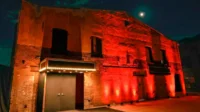
In 2019, WHP found its current spiritual home at Depot Mayfield, a derelict former railway station depot sprawling across massive acreage near the city center. This move allowed the organization to scale its operations significantly, hosting daytime-to-nighttime marathon sessions that regularly attract tens of thousands of revellers per weekend. Over its twenty-year history, WHP has evolved from a localized northern UK phenomenon into an international tourism anchor, drawing electronic music enthusiasts from across Europe, North America, and Asia to Manchester every autumn.
Analyzing the Lineup: A Cross-Section of Modern Electronic Music
The curation of the 20th-anniversary season reflects the expansive musical scope that WHP has championed over two decades. Rather than boxing itself into a single micro-genre, the organization has consistently programmed bills that bridge the generational and stylistic divides of electronic music.
Tom and Ed Russell, recording as Overmono, represent the cutting edge of contemporary UK electronica. Over the past several years, the Welsh brothers have transitioned from underground critical darlings to festival main-stage staples, merging the soulful, emotional weight of early 90s rave with sleek, modern sound design. Their inclusion in the October 30 broadcast highlights WHP’s commitment to championing forward-thinking domestic talent.
Sharing the bill on opening night is Andy C, a figure whose longevity in drum and bass is virtually unmatched. Having spent nearly thirty years at the absolute vanguard of the genre, the RAM Records founder and master technician remains the gold standard for high-energy DJ sets. Broadcasting his intricate, high-BPM mixing style globally serves as a masterclass in UK bass culture for international listeners who may be more accustomed to house and techno.
The December 19 lineup shifts the focus toward global heavyweights and stylistic pluralism. Carl Cox, whose career spans from the dawn of the UK acid house explosion in the late 1980s to residencies in Ibiza and global festival headlining slots, brings decades of institutional authority to the broadcast. He is joined by 2manydjs (David and Stephen Dewaele of Soulwax), renowned for their encyclopedic, genre-blending bootleg sets that tear down the walls between rock, disco, techno, and electro. French producer Chloë Caillet rounds out the bill, bringing a sophisticated, deep-grooving house and disco sensibility that has quickly made her a fixture on international underground circuits.
Apple Music’s Broader Strategy in Live Electronic Music
The Warehouse Project broadcasts do not exist in a vacuum; they form a crucial component of a broader, aggressive strategic push by Apple Music into the live club and festival streaming space. Over the past twelve months, the platform has systematically increased its footprint in electronic music, launching Club Live initiatives that have beamed sets directly from mega-festivals such as EDC Las Vegas and Tomorrowland.
Earlier this month, Apple Music generated significant industry buzz with its Head Trip livestream series, which featured exclusive performances and curated sets from elite electronic artists including Skrillex, Four Tet, and Calvin Harris. Industry analysts note that this strategy represents a fundamental pivot for streaming services. While digital audio service providers have historically focused on static catalog streaming and algorithmic playlisting, platforms are increasingly realizing that the cultural cachet—and user engagement—lies in capturing the ephemeral, high-energy communal moments of live events.
By partnering with an institution as culturally resonant as the Warehouse Project, Apple Music is able to tap into authentic underground credibility. For a tech corporation, aligning with a brand known for concrete floors, industrial aesthetics, and relentless marathon sessions provides a vital counterweight to the sterile, corporate image often associated with Silicon Valley streaming giants.
Implications for the Future of Global Club Culture
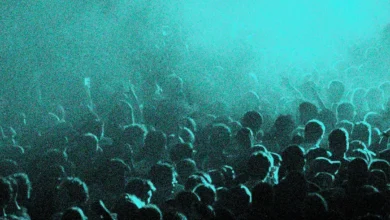
The decision to broadcast the Warehouse Project to a global audience raises profound questions about the future accessibility and commercialization of underground dance music. For decades, the defining characteristic of the rave experience has been its exclusivity to the room—the shared sweat, the subterranean acoustics, and the temporary autonomous zone created by bodies moving together in physical space.
By streaming these sets to millions of living rooms, bedrooms, and office spaces worldwide, Apple Music and WHP are democratizing access to elite-tier programming. Fans in distant continents who lack the financial means or geographical proximity to travel to Manchester can now experience the musical curation of a world-class club night in real time. Furthermore, the inclusion of Spatial Audio on-demand archives ensures that the broadcast has a permanent afterlife, shifting the consumption model from a fleeting moment in time to a collectible digital asset.
At the same time, industry observers point out that virtual access cannot fully replicate the socio-cultural dynamics of physical attendance. The economic engine of Manchester’s night-time economy relies heavily on the physical presence of tourists booking hotels, utilizing local transport, and spending money in bars and restaurants. While the global stream expands the brand’s intellectual property and international cultural capital, the beating heart of the Warehouse Project remains firmly anchored in the industrial grit of Depot Mayfield.
As the autumn chill sets over Manchester and the doors of Depot Mayfield open for another historic season, thousands will descend upon the railway arches to participate in a ritual twenty years in the making. Yet, thanks to the partnership with Apple Music, millions more will be listening in, proving that while a rave is fundamentally defined by the room it inhabits, the sound of Manchester’s underground is now powerful enough to echo across the entire world.