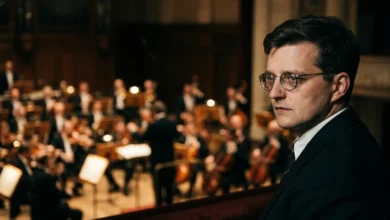
The Impending Political Shift in Saxony-Anhalt and the Future of Theater Magdeburg

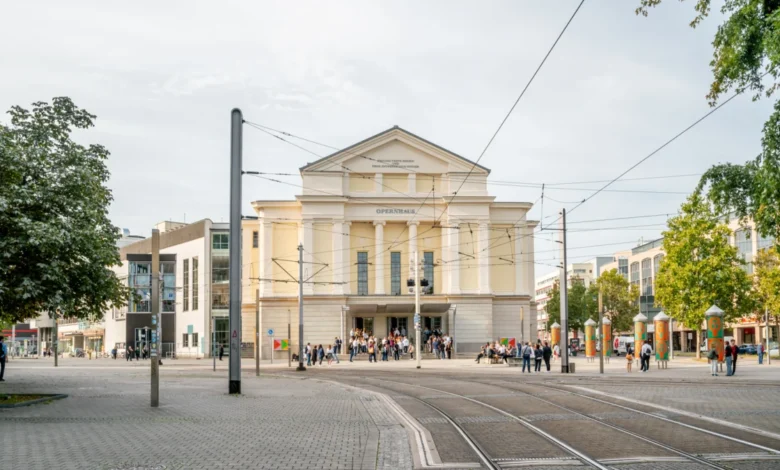
As the German state of Saxony-Anhalt approaches its pivotal legislative election on September 6, the political landscape is bracing for a potential paradigm shift that could fundamentally alter the region’s cultural sector. Recent polling data indicates that the far-right Alternative for Germany (AfD) party is currently polling at an unprecedented 43 percent, a figure that suggests the party may be on the verge of assuming a governing role. For institutions like Theater Magdeburg, which has long served as a beacon of experimental and avant-garde performance, the prospect of an AfD-led administration poses significant existential questions regarding funding, artistic autonomy, and the definition of cultural value.
The Political Climate in Saxony-Anhalt
The electoral trajectory in Saxony-Anhalt reflects broader trends observed across the former East German states, where populist sentiment has gained substantial momentum over the past decade. The AfD, which has increasingly focused its platform on cultural criticism, has explicitly campaigned on the promise of defunding state-sponsored arts initiatives that do not align with its ideological framework. Specifically, the party’s platform has targeted what it describes as "woke" programming and excessive internationalism within publicly funded theaters.
For observers of German politics, this election is viewed as a bellwether for the influence of the far-right in local and regional governance. The potential for the AfD to influence the distribution of taxpayer money could trigger a cooling effect on creative programming, forcing state-funded cultural institutions to navigate a new landscape of strict political oversight.

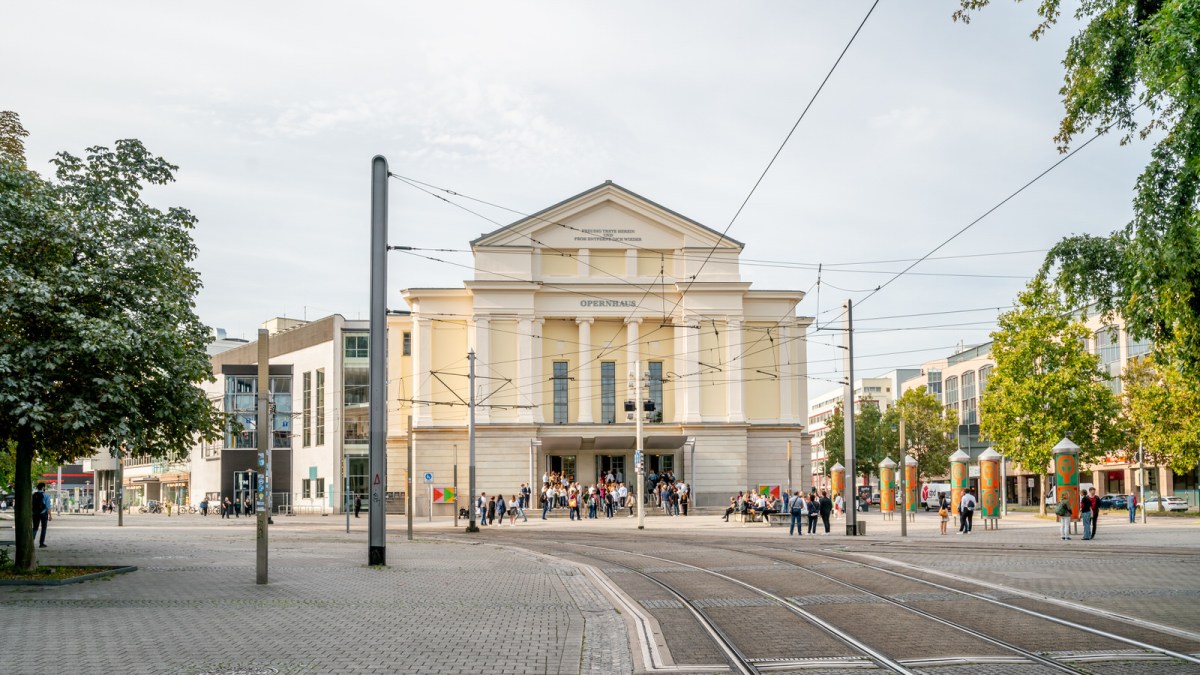
Theater Magdeburg: A Cultural Crossroads
At the center of this debate stands Theater Magdeburg, an institution that has gained international acclaim for its willingness to embrace daring and challenging works. Under the leadership of Swiss director Julien Chavaz, the theater has maintained a robust schedule of performances that often defy the traditional expectations of a regional German house.
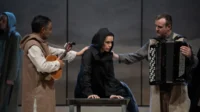
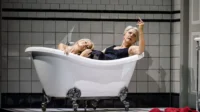
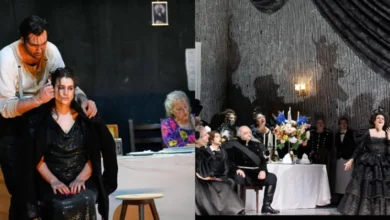
Chavaz’s tenure has been marked by a commitment to innovation, exemplified by the March 2025 world premiere of Gerald Barry’s opera "Salome." Such productions, while artistically significant, are resource-intensive and rely heavily on state subsidies to remain viable. In the context of the upcoming election, these projects are being viewed through a political lens by the AfD, who categorize such high-concept, avant-garde works as disconnected from the values of the local populace.
A Chronology of Rising Tensions
The pressure on cultural institutions did not emerge overnight; it is the culmination of years of shifting political discourse in Saxony-Anhalt.
- 2023–2024: The AfD begins to make systematic efforts to audit the budgets of cultural institutions, publicly labeling specific theatrical performances as "ideologically driven."
- January 2025: Theater Magdeburg receives notice of potential budget austerity measures following a series of regional debates regarding the role of state-subsidized art.
- March 2025: The premiere of "Salome" serves as a lightning rod for local debate, drawing both critical praise and intense scrutiny from political opponents of the current cultural funding model.
- June 2026: In the lead-up to the September election, polls confirm the AfD’s surge to 43 percent, prompting an emergency series of strategic meetings within the leadership of Saxony-Anhalt’s arts organizations.
- September 2026: The scheduled date for the state election, which will determine the composition of the Landtag and the future direction of public funding for the arts.
The Financial and Structural Implications
The threat to Theater Magdeburg is not merely rhetorical; it is rooted in the mechanics of German cultural funding. In Germany, the vast majority of theater budgets are covered by the state (Länder) and municipal governments. A shift in the governing majority could allow the AfD to appoint new members to cultural boards, reshape the criteria for grant eligibility, and exert pressure on leadership to prioritize traditional, nationalist-aligned narratives over contemporary, experimental, or international programming.
Economists and cultural analysts note that the withdrawal of public funds would likely force the theater to choose between commercialization—seeking private donors and popular, "safe" programming—or significant contraction. Given that Magdeburg is not a major global financial hub, the feasibility of replacing state funding with private capital remains low, threatening the very survival of the current artistic model.
Perspectives on Artistic Autonomy
The role of the theater as a space for critical discourse is a foundational element of post-war German society. Proponents of the current system argue that art is intended to challenge the status quo and, at times, skewer the powerful. Julien Chavaz has emphasized that the theater’s purpose is to remain a forum for debate, even when that debate is uncomfortable for the ruling class.
However, the AfD’s official stance challenges this premise. The party argues that taxpayer-funded arts should serve the interests of the local taxpayers rather than a globalized cultural elite. This clash of philosophies is indicative of a wider European debate regarding the "culture war" and the extent to which the state should subsidize artistic expression that is perceived as subversive or socially progressive.
Broader Impact on the German Cultural Sector
Should the AfD succeed in implementing its agenda in Saxony-Anhalt, the ripple effects could extend far beyond Magdeburg. Other regional theaters in neighboring states may face similar pressures to self-censor or pivot their programming to align with the new political reality.
Academic researchers and cultural unions have begun to express concern that such a shift could lead to a "brain drain" of artists and administrators who prioritize creative freedom over job security in a restricted environment. If Theater Magdeburg loses its status as a hub for the avant-garde, the resulting void could diminish the region’s overall cultural attractiveness, impacting tourism and local identity.
Future Scenarios
As September 6 approaches, the theater community is preparing for multiple contingencies. These include:
- Administrative Autonomy: Exploring legal protections that safeguard the artistic director’s mandate from direct political interference by the incoming state government.
- Diversified Funding: Attempting to build alliances with national arts foundations and international cultural organizations to create a buffer against regional funding cuts.
- Public Advocacy: Launching campaigns to demonstrate the economic impact of the theater, highlighting how it drives local commerce and maintains the city’s stature as a cultural destination.
The situation in Saxony-Anhalt is a test case for how cultural institutions survive in an era of heightened political polarization. Whether the theater can maintain its artistic integrity while facing a government ideologically opposed to its current mission remains an open question. For Julien Chavaz and his team, the focus is now on navigating the final weeks of the campaign, managing the internal anxieties of their staff, and preparing for a future that will likely be defined by the outcome of the ballot box.
The case of Theater Magdeburg serves as a sober reminder that the institutional stability of the arts is inextricably linked to the health of the political process. As voters prepare to head to the polls, the future of the stage is being written not in scripts or rehearsals, but in the political mandates that will dictate the limits of public expression in the years to come. Regardless of the election result, the events in Magdeburg have already initiated a critical dialogue about the relationship between the state, the taxpayer, and the artist in a modern, democratic society.