Dolly Parton Estate Seeks Police Bodycam Footage Amid Legal Dispute with Former Security Chief Bryan Seaver

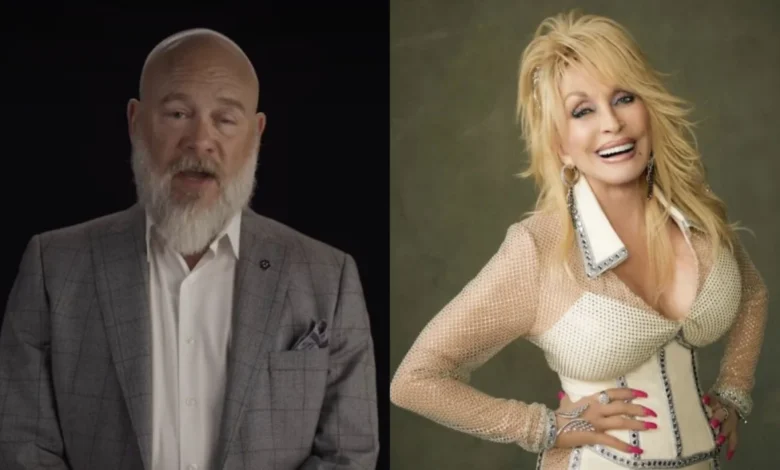
The legal battle surrounding the estate of the late country music icon Dolly Parton has reached a contentious new phase as representatives for the singer have subpoenaed Vanderbilt University Medical Center for police bodycam footage. The request, filed on October 27, 2026, by She’s Alive, LLC, seeks to obtain recordings from the day preceding Parton’s passing on August 25, 2026. This move marks an escalation in an ongoing litigation involving Bryan Seaver, Parton’s nephew and former head of security, who is currently embroiled in a restraining order dispute with the entity managing the late singer’s business interests.
The subpoena specifically targets "all body worn camera video footage for all officers present from 1:00 AM on 8/24/2026 through 1:00 AM on 8/25/26" at the Nashville medical facility. While the estate’s initial filings did not explicitly detail an altercation at the hospital, the recent legal maneuver suggests that the events surrounding Parton’s final hours are central to their argument regarding Seaver’s conduct.
Chronology of a High-Stakes Conflict
The tension between the estate and Seaver appears to have roots that predate the singer’s death. According to court filings, the following timeline outlines the rapid deterioration of the professional relationship:
- Mid-August 2026: Communications between Seaver and estate representatives, including legal counsel, begin to show signs of strain regarding the management of the Dollywood brand and associated partnerships.
- August 24–25, 2026: Dolly Parton passes away. Seaver arrives at Vanderbilt University Medical Center to assist with arrangements for the transfer of her remains. Reports from sources close to Seaver allege that he was met with hostility by law enforcement, claiming he was treated as a "fugitive" rather than a grieving family member and long-time security lead.
- September 2026: She’s Alive, LLC terminates the contract of Seaver and his company, Squadron Augmented Protection Services (SAPS).
- Late September 2026: The estate files for a temporary restraining order, alleging a "campaign of threats, intimidation, and coercion" directed at staff and legal counsel.
- October 27, 2026: The estate subpoenas Vanderbilt University Medical Center for bodycam footage of an alleged altercation involving Seaver.
- November 10, 2026: A scheduled court hearing is set to address the ongoing request for an injunction.
The Estate’s Allegations
The core of the lawsuit filed by She’s Alive, LLC rests on a series of text messages and emails provided as evidence. The estate asserts that Seaver’s behavior became erratic and threatening in the weeks leading up to and following Parton’s death. In one notable exchange, Seaver allegedly told an entertainment attorney, "I’m not an entertainment person. I’m a killer."
Further evidence submitted by the estate includes threats to "destroy the entire brand" of the Dollywood franchise and assertions that the brand was in a state of terminal decline. Seaver also allegedly suggested he would establish a podcast to target the estate’s business partners unless financial demands were met. The estate claims that these actions led to the resignation of key legal counsel, who cited safety concerns and intimidation.
Seaver’s Defense and Counter-Narrative
Bryan Seaver has formally disputed the estate’s characterization of these events. In a response filed with the court, he contends that his comments regarding the "destruction of the brand" were not directed at his aunt’s legacy, but rather at Herschend Family Entertainment (HFE), the operators of Dollywood and the Songteller Hotel. Seaver argues that he and other estate representatives had long-standing, mutual frustrations with HFE’s management style.
Regarding the "threatening" messages, Seaver claims the tone was taken out of context. He provided evidence of his own, including a text message exchange with an estate representative who, upon being told by Seaver that he was an "international arms dealer and mercenary," responded with, "You should promote that." Seaver argues this demonstrates a prior culture of casual, if unconventional, communication that contradicts the estate’s current portrayal of him as a violent threat.
Furthermore, Seaver maintains that he acted professionally during the transition of security responsibilities at the estate’s properties. He asserts that when his company, SAPS, was replaced, he instructed his employees to vacate the premises peacefully, despite witnessing the removal of property gates and chains by the incoming security team.
Implications for the Parton Legacy
The public nature of this dispute poses a significant challenge to the carefully curated image of Dolly Parton, who was widely regarded as one of the most beloved figures in American entertainment. The involvement of legal entities and the public airing of private communications regarding "bodies buried" and "arms dealing" have brought a level of scrutiny to the business operations of the Parton estate that many fans find jarring.
For the judicial system, the upcoming November 10 hearing will be pivotal. The judge must determine whether the evidence provided by the estate warrants a permanent injunction or if Seaver’s defense—that he is a concerned family member and former contractor reacting to professional grievances—holds merit.
Fact-Based Analysis of the Legal Stakes
From a legal standpoint, the subpoena for bodycam footage is a tactical move by the estate to establish a pattern of aggressive behavior by Seaver. If the footage confirms an altercation at the hospital, it could bolster the estate’s argument that Seaver’s behavior was unpredictable and dangerous. Conversely, if the footage shows that Seaver was cooperative or was provoked by staff, it could severely damage the credibility of the estate’s case for a restraining order.
The case also highlights the complexities of celebrity estate management. Often, the transition of power from an artist to a management entity (like She’s Alive, LLC) involves friction with long-term employees and family members who may have held positions of significant influence. When these transitions occur amid personal tragedy, the potential for misunderstanding and litigation increases significantly.
Broader Industry Context
The mention of Herschend Family Entertainment (HFE) in the court documents brings to light the underlying tensions that often exist between creative icons and the corporate entities that manage their commercial interests. Seaver’s assertion that he was merely expressing "adversarial" views on the direction of the Dollywood brand highlights a common friction point in large-scale entertainment licensing.
As the court prepares for the November hearing, the public remains largely divided. Supporters of the estate emphasize the need for stability and protection of the late singer’s intellectual property, while those sympathetic to Seaver point to his long history of service as her head of security as evidence that he would not intentionally harm her legacy.
Ultimately, the resolution of this matter will likely hinge on the interpretation of intent. The court will have to weigh whether Seaver’s hyperbolic language constitutes a true "campaign of threats" or if it is protected speech within the context of a legitimate business dispute. Regardless of the outcome, the unfolding situation serves as a stark reminder of the complexities involved in the preservation of a multi-million dollar cultural legacy in the wake of its creator’s death. The transparency provided by the court records has turned a private family matter into a public discourse on the intersection of personal loyalty, corporate governance, and the legal limits of professional conduct.
Related posts: