The collaborative album Bethlehem, a profound intersection of liturgical tradition and experimental soundscapes, has been released this month via Montreal-based Constellation Records. Featuring the combined artistry of Lawrence Sammour, Sary Moussa, and Abed Kobeissy, the project stands as a deliberate act of cultural preservation. By weaving together disparate threads of Palestinian and Lebanese musical heritage, the album serves as a sanctuary that resists the physical and political fragmentation imposed by regional occupation and conflict. The record functions not merely as a collection of songs, but as a structural achievement—an attempt to bridge the geographic and bureaucratic chasms that keep artists from the West Bank and Lebanon from physically occupying the same stage.
The Genesis of a Transnational Collaboration
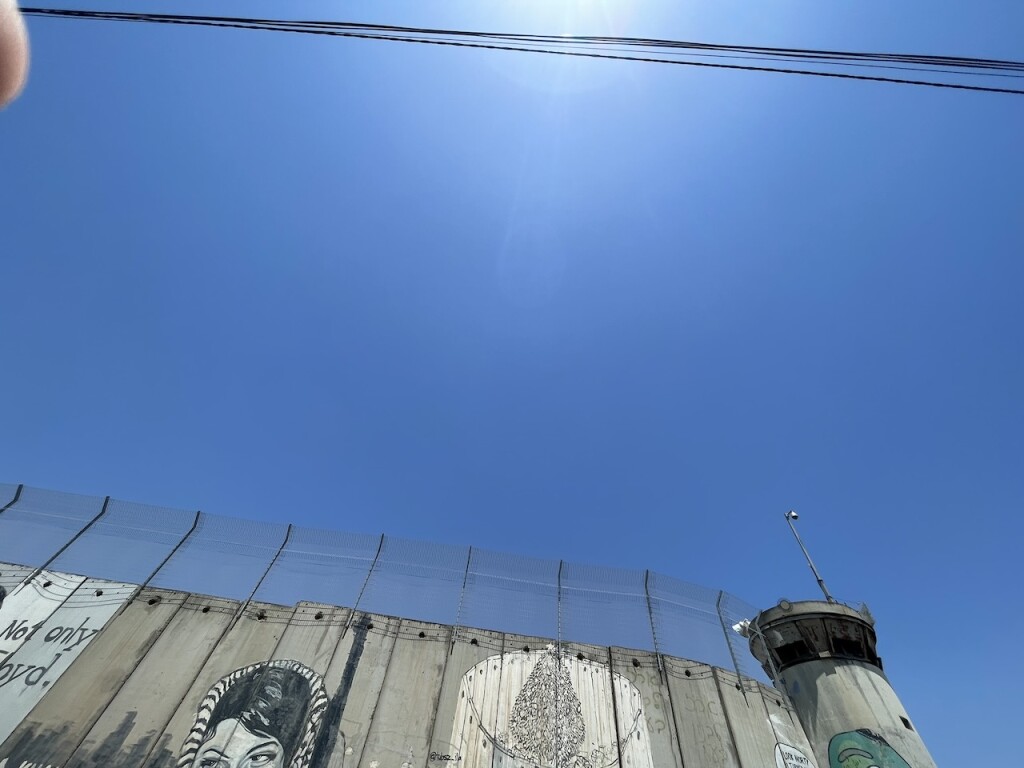
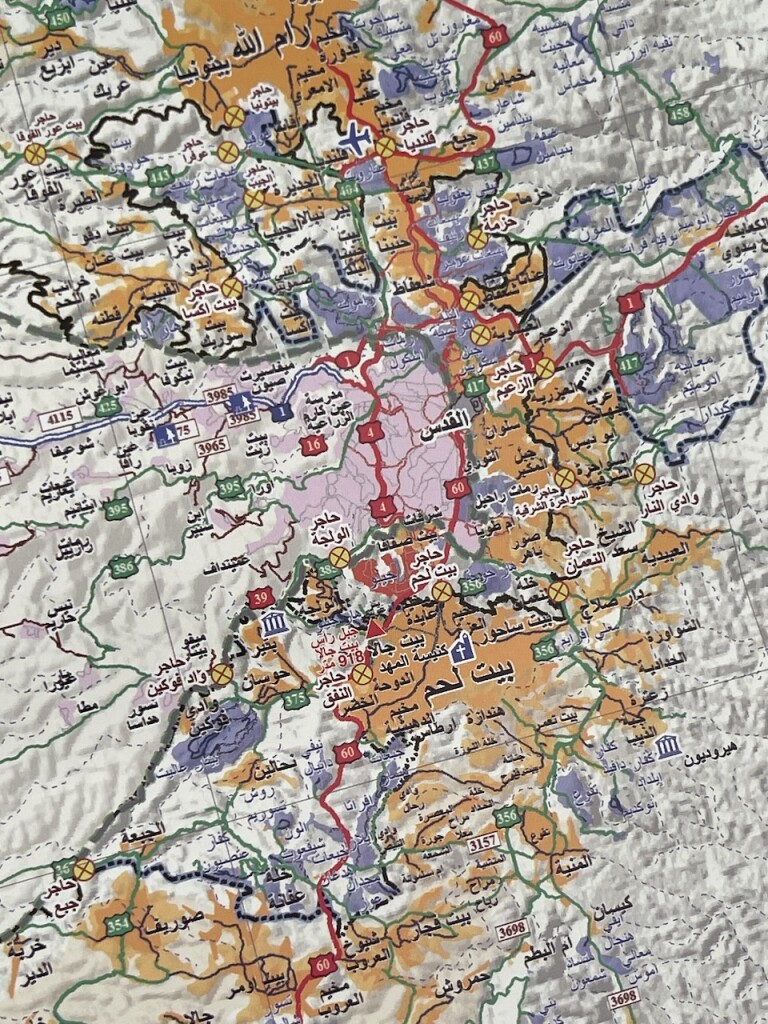
The production of Bethlehem was born from an environment of extreme systemic inequity. In the current geopolitical landscape, characterized by rigorous border controls, visa restrictions, and the persistent threat of conflict, the free movement of artists across the Levant has become increasingly impossible. The collaboration was forced to bypass these barriers, with the musicians initially recording in isolation, separated by the very borders that define their daily lives.
The album’s creation followed a non-linear path, dictated by the accessibility of recording spaces and the safety of the participants. The recording process began in the West Bank, where Sary Moussa and Abed Kobeissy captured their contributions. Simultaneously, Lawrence Sammour—who has served as the choir director at the Church of the Nativity in Bethlehem since 1970—recorded liturgical segments at Wonder Cabinet, an architectural and cultural space in Bethlehem developed by architects Elias and Yousef Anastas.
The Lebanese chapters of the project were recorded in Beirut, with sound engineer Joy Moughanni capturing performances at Dar El Nimer and the Metro Al-Madina during the Beirut & Beyond International Music Festival. Despite the persistent instability in Lebanon, including threats to aviation infrastructure and the internal displacement of citizens, these recordings represent a defiant outward projection of Lebanese culture. The resulting album acts as a palimpsest, layering the voices of the Church of the Nativity over the electronic textures produced by Moussa and Kobeissy, creating a cohesive soundscape that transcends the physical distances between the recording sites.
Technical Synthesis: Sound, Stone, and Liturgy
Bethlehem is categorized by its departure from traditional musical structures. Rather than adhering to a single genre, the album utilizes a blend of quivering electronic textures, rhythmic drones, and stuttering delays that interface with ancient liturgical hymns. This fusion is not merely aesthetic; it is an exploration of modal structures expanded into a contemporary, dissonant language.
The album oscillates between moments of stark, solemn intimacy and expansive, sonorous crescendos, such as the track "Khatima II." The interplay between Sammour’s vocal delivery—which carries the weight of a half-century of liturgical service—and the experimental electronic production creates a sense of "counterpoint" between childhood innocence and adult experience. This sonic layering serves as a metaphor for the preservation of identity in the face of external pressure.
The involvement of Elias and Yousef Anastas, the architects behind Wonder Cabinet, is central to the project’s conceptual framework. Their work in Bethlehem, which recently earned them the 2026 Berlin Art Prize, emphasizes the role of architecture as a dynamic activity rather than a static form. For the artists involved, the recording space itself is a vessel for communion—an invitation to participate in a shared history that is otherwise being systematically dismantled by conflict.
Chronology of the Project and Regional Context
The path to the album’s release has been marked by significant obstacles. The initial performances, which took place remotely due to the impossibility of the artists gathering in one location, were eventually superseded by a live performance at the Le Guess Who? festival in Utrecht. It was at this event that the musicians finally met in person for the first time, a physical gathering that underlined the absurdity of the current political restrictions on movement.
The timeline of the project is inextricably linked to the broader regional crises:
- 1970: Lawrence Sammour begins his tenure as the choir director at the Church of the Nativity.
- 2024 (May): Field recordings and studio sessions are conducted in Bethlehem and Beirut, amidst escalating regional tensions.
- 2025–2026: Continued development of the project as Gaza and Lebanon face intense military targeting, complicating logistics and communication.
- 2026 (October): Official release of Bethlehem by Constellation Records.
The release coincides with a period of severe cultural disruption in the region. Dar El Nimer, a key recording site for the album in Beirut, was shuttered in 2026 due to the ongoing war, highlighting the fragility of the cultural spaces that allowed this work to exist.
Analytical Implications: Music as an Act of Resistance
The broader impact of Bethlehem lies in its defiance of the "fortress" mentality currently dominating global political discourse. In an era where physical access to historic and religious sites is increasingly restricted, the album provides an auditory space where the concept of "communion" is redefined. It removes the sectarian connotations of the term, replacing them with a broader, inclusive definition of shared emotional and physical reality.
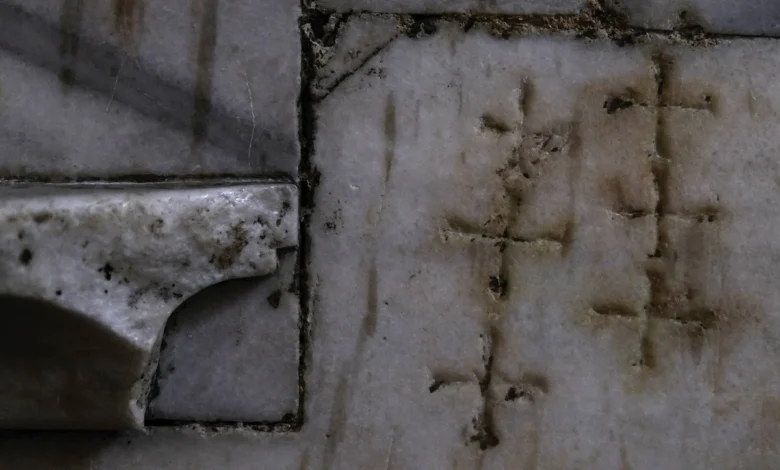
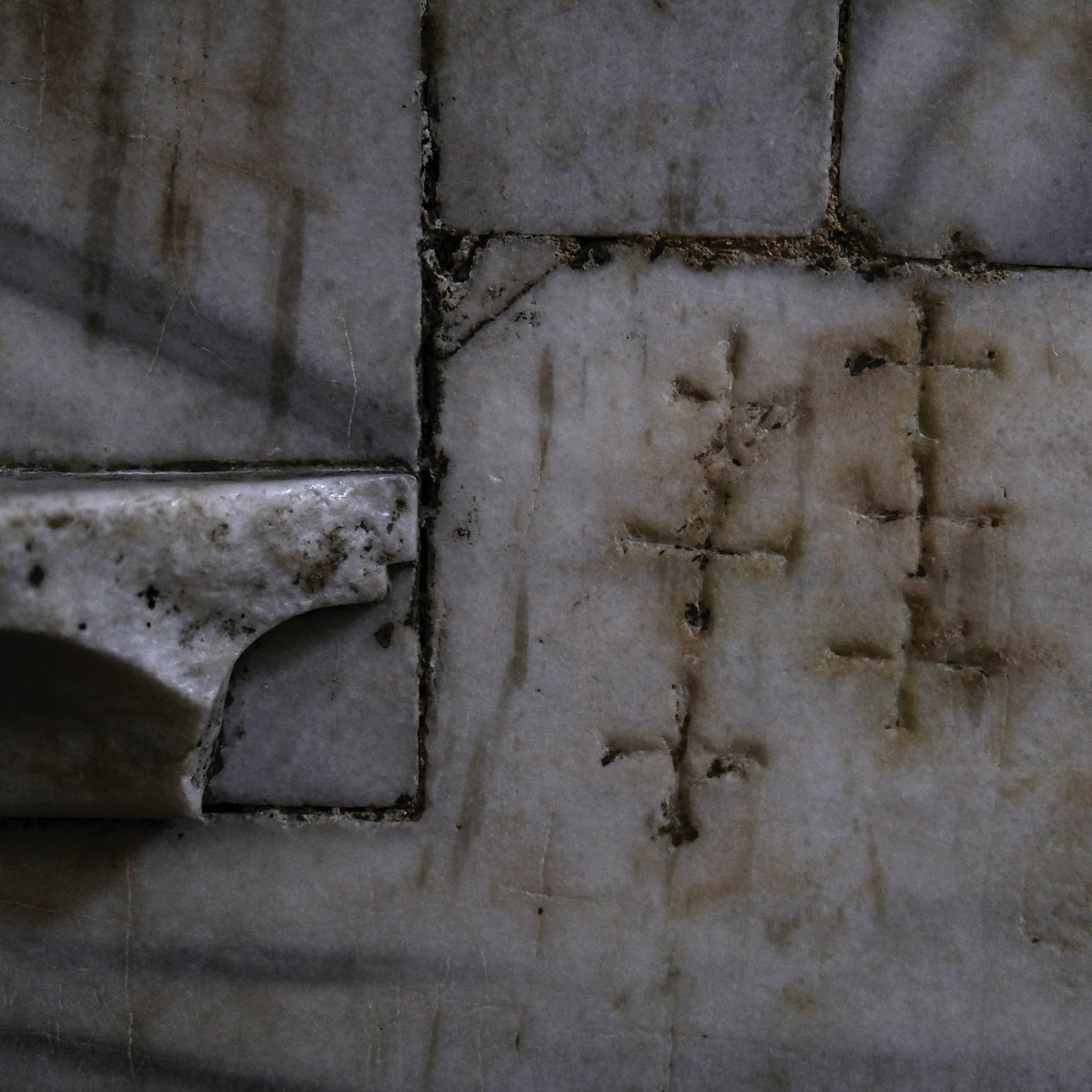
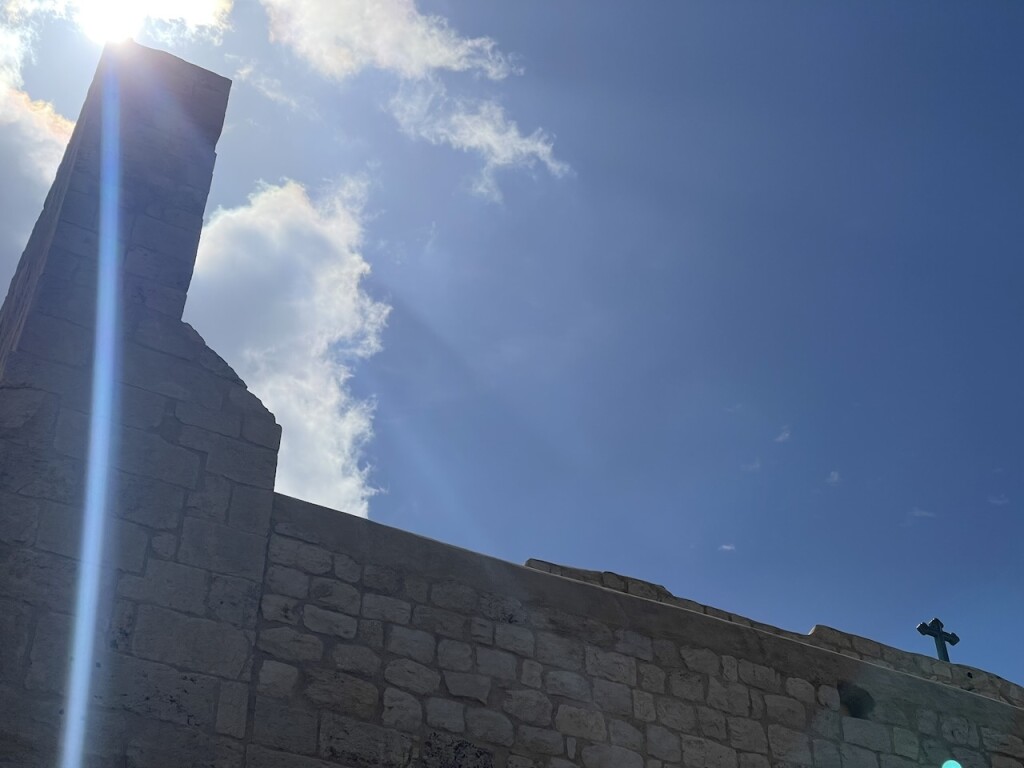
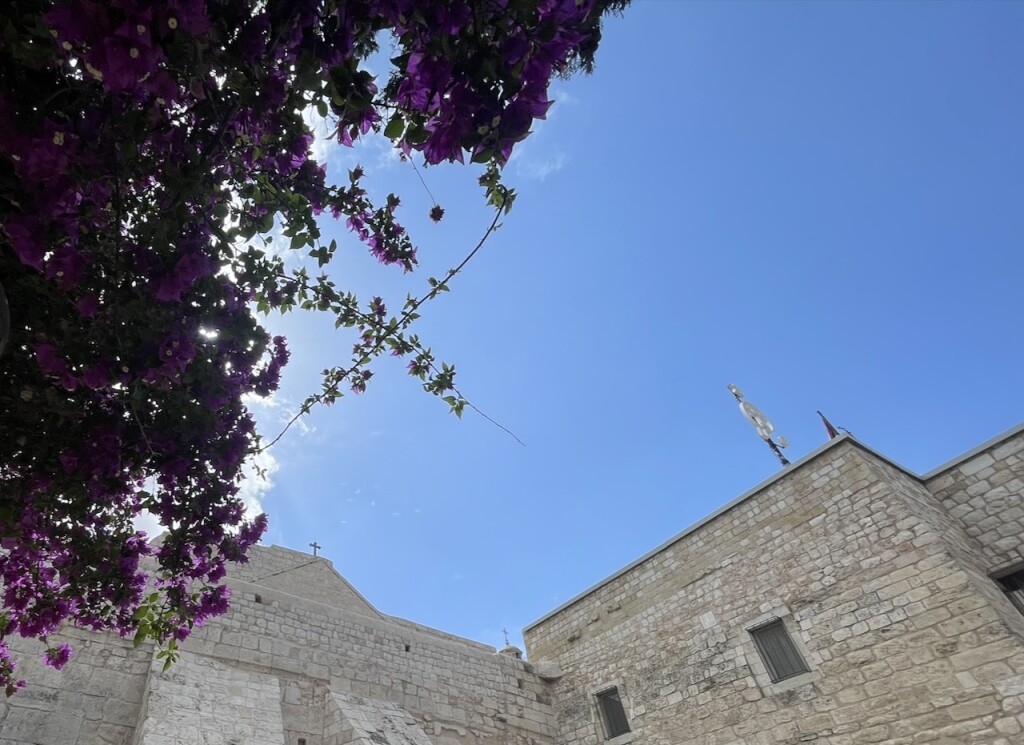
The Church of the Nativity serves as a poignant, if complex, symbol for this project. As a site shared by Catholic, Armenian Apostolic, Coptic, Syriac, and Ethiopian denominations—and adjacent to a mosque—it represents a historical precedent for the coexistence of different faiths. The album attempts to replicate this environment, not through stone and mortar, but through the synthesis of sound.
From a sociological perspective, the album serves as a record of a specific inflection point in history. The artists involved are not merely creating music; they are documenting the endurance of cultural identity under the threat of erasure. The project highlights a growing trend among contemporary Middle Eastern artists who are utilizing digital platforms and experimental sound production to maintain connections that are otherwise severed by modern border politics.
Official Perspectives and Future Outlook
While there have been no formal diplomatic statements regarding the project, the recognition of the Anastas brothers by the Berlin Art Prize indicates a growing international interest in the intersection of Palestinian architecture, music, and the politics of space. The architects have frequently cited the idea that spaces—both physical and sonic—are intended to invite others in, a philosophy that is deeply embedded in the production of the album.
For the musicians, the project has served as a vital mechanism for coping with the isolation of the current era. As noted in recent discussions regarding the transmission of creative work out of conflict zones, the act of making music provides a necessary tether to the outside world. By sending beats and recordings across borders, the artists involved in Bethlehem ensure that their cultural narrative remains active, regardless of the physical constraints placed upon their movement.
The release of Bethlehem on Constellation Records, a label noted for its focus on experimental and socially conscious music, ensures that this work reaches an international audience. The project serves as a reminder that even when physical infrastructure is destroyed or made inaccessible, the preservation of culture remains a critical form of resistance. The album remains a significant contribution to the body of work emerging from the Levant, offering a lens through which to view the interplay of tradition, technology, and the indomitable human need for shared space.
As the geopolitical situation continues to evolve, the documentation of such collaborations becomes increasingly essential. Bethlehem acts as a testament to the fact that the sonic landscape, unlike the physical borders of the region, remains a space that can be shared, inhabited, and protected.