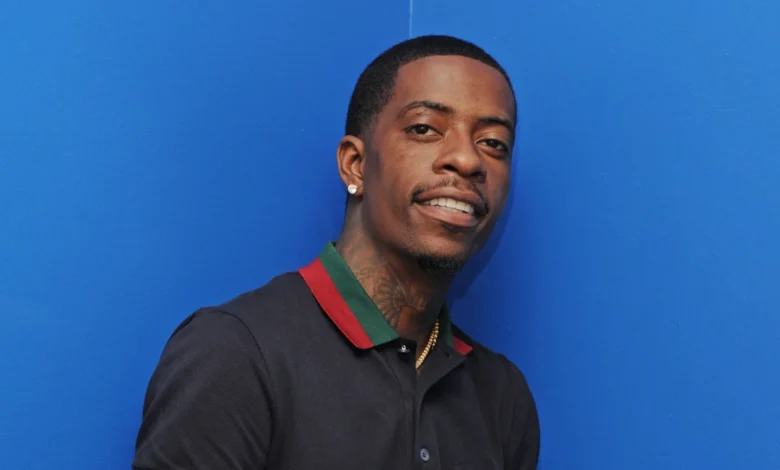
The passing of Dequantes Devontay Lamar, known globally as Rich Homie Quan, at the age of 34 in September 2024, sent shockwaves through the Hip-Hop community. While his discography—marked by anthems like "Type of Way," "Lifestyle," and "Flex (Ooh, Ooh, Ooh)"—cemented his status as a pivotal figure in the Atlanta trap movement, the aftermath of his death has shifted the conversation from his artistic legacy to the stark financial vulnerabilities inherent in the life of a modern recording artist.
A Sudden Silence: The Timeline of Events
Rich Homie Quan was found unresponsive in his Atlanta home on September 5, 2024. Emergency services were called to the scene, but he was pronounced deceased shortly thereafter. The suddenness of his passing caught his family, collaborators, and the industry off-guard.
In the immediate weeks following his death, the narrative surrounding his financial status became distorted by internet speculation. Celebrity net worth aggregators, which often rely on speculative data rather than audited financial records, suggested the rapper held a fortune in the millions. However, the reality described by those closest to him painted a far more precarious picture, highlighting the disconnect between the perception of fame and the reality of liquidity.
Clarifying the Financial Narrative
The discourse surrounding the rapper’s estate gained traction after his longtime girlfriend, Amber Williams, spoke candidly about the logistical and financial challenges she faced immediately following his death. Williams clarified that at the time of his passing, she found herself with approximately $8,000 in personal funds, which served as her immediate safety net during a period of profound grief and administrative chaos.
It is critical to distinguish between the viral claims circulating on social media and the actual statements provided by the family. While some internet outlets reported that the rapper left his family with only $8,000 in total, Williams’ comments referred to her own personal liquidity at the time of the tragedy. Furthermore, reports regarding a complete lack of life insurance remain unverified by legal representatives. The confusion underscores a broader problem: the public’s reliance on superficial metrics of wealth to gauge the stability of an artist’s household.
The Absence of Estate Planning
The most significant revelation following the rapper’s death came from his father, Corey Lamar, who confirmed that his son did not leave behind a formal will. In the eyes of the law, this lack of preparation creates a "dying intestate" scenario, which complicates the distribution of assets—including ongoing royalties, master recordings, publishing rights, and real estate.
When an artist passes without a will or a trust, their estate is subject to the probate laws of their home state. This process is often time-consuming, expensive, and public, exposing the family to legal fees that can rapidly deplete the value of the assets being settled. For a career as prolific as Rich Homie Quan’s, the lack of an estate plan means that the long-term revenue generated by his music may be tied up in litigation or bureaucratic delays for years, rather than providing immediate security for his children and heirs.
The Structural Vulnerabilities of Hip-Hop Success
The financial reality of the music industry is often opaque. Many artists, particularly those who rise to prominence quickly, are surrounded by complex contractual obligations, from 360-degree deals to management retainers and production costs. These factors mean that "gross revenue" and "net worth" are rarely aligned.
Supporting data from financial advisors who specialize in entertainment law indicates that many young professionals in the creative arts suffer from "lifestyle inflation," where the costs of maintaining a public image—travel, security, staff, and real estate—outpace the accumulation of liquid savings. When an artist dies at a young age, these overhead costs do not disappear; they become immediate liabilities that the grieving family must address.
The Role of Trusts and Life Insurance
In the wake of this tragedy, industry experts are doubling down on the importance of estate planning as a fundamental component of financial literacy. The "rap dream," as often portrayed in media, focuses on the acquisition of depreciating assets like luxury vehicles and jewelry. However, the true security of an artist’s legacy lies in:
- Revocable Living Trusts: These allow for the private transfer of assets to heirs, avoiding the public and costly probate process.
- Key-Person Life Insurance: High-value policies that provide liquidity to the estate, allowing the family to cover immediate expenses, debts, and taxes without liquidating assets.
- Intellectual Property Management: Establishing a clear chain of command for the control of master recordings and publishing royalties, ensuring that the artist’s work continues to benefit their designated heirs.
Industry Implications and Future Outlook
The conversation initiated by the Lamar family is not just about one artist; it is a critique of a culture that prioritizes the "hustle" over the "structure." In the music business, where health risks and sudden career shifts are common, the lack of a will is increasingly viewed as an industry-wide failure of mentorship and financial education.
Corey Lamar has used his platform to advocate for change, urging younger artists to treat their careers as businesses that require succession planning. His public stance serves as a reminder that the responsibility of an artist extends beyond the studio. Protecting one’s family requires the mundane, unglamorous work of consulting with estate attorneys and financial planners—tasks that rarely generate social media engagement but are essential for long-term stability.
The Legacy Beyond the Numbers
Rich Homie Quan’s impact on the sound of the 2010s remains undeniable. His vocal delivery and melodic sensibilities influenced a generation of rappers and helped solidify Atlanta’s dominance in the global music market. However, his story serves as a tragic reminder that artistic success and financial security are not synonymous.
As the legal and financial processes regarding his estate continue to unfold, the industry is forced to confront the gap between the image of the superstar and the reality of the individual. By bringing these uncomfortable questions to the forefront, the family of the late artist has provided a necessary, albeit painful, lesson for his peers. The most important "flex" an artist can perform today is not the acquisition of material wealth, but the implementation of a structure that ensures their family is never left vulnerable when the music stops.
The case of Rich Homie Quan will likely be cited for years to come in financial literacy programs for musicians, serving as a catalyst for artists to prioritize the long-term protection of their legacies. While the headlines may eventually fade, the importance of estate planning in the entertainment industry has never been more apparent.