Sound Underground Redefines Chamber Jazz with the Intimate, Acoustically Pure Release of Quiet Spaces

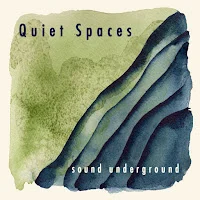
The contemporary jazz landscape is constantly evolving through the exploration of unconventional instrumentations, and Sound Underground stands at the vanguard of this movement with their critically acclaimed release, Quiet Spaces. Comprising saxophonist David Leon, trumpeter Alec Aldred, and guitarist Jonah Udall, the innovative trio has cultivated a distinct sonic identity that transcends the traditional boundaries of chamber jazz. Rather than relying on a rhythm section consisting of a piano, bass, and drums, Sound Underground harnesses the harmonic and textural interplay of winds and strings to construct expansive musical landscapes. Their latest album, aptly titled Quiet Spaces, serves as a masterclass in minimalism, dynamic restraint, and emotional resonance, capturing the attention of contemporary music critics and jazz purists alike.
The Genesis and Evolution of Sound Underground
The formation of Sound Underground represents a convergence of diverse musical backgrounds and rigorous academic training in modern improvisational music. David Leon, Alec Aldred, and Jonah Udall crossed paths within the vibrant collegiate and underground jazz scenes, where they began experimenting with stripped-down musical configurations. In standard jazz combos, the roles of harmony, rhythm, and melody are traditionally divided among specific instruments. However, Sound Underground dismantled this convention by opting for a chordal instrument (guitar) paired with two distinct melodic voices (saxophone and trumpet).
This configuration places unique demands on the performers. Without the foundational safety net of a double bass or a drum kit providing a steady pulse, every member of the trio must simultaneously function as a melodic carrier, a harmonic anchor, and a textural contributor. Over years of collaborative performance, the ensemble refined a telepathic musical cohesion. Their creative process bridges the gap between structured composition and spontaneous improvisation, allowing the musicians to weave intricate counterpoint and shifting tonal colors that feel both meticulously engineered and wildly organic.
Unpacking Quiet Spaces: Compositional Architecture and Track Analysis
Quiet Spaces is structured as a sonic journey through varied emotional and narrative topographies. The album’s title track, along with compositions like Tiny Kingdom, highlights the trio’s command of wistful introspection. On these tracks, the absence of a traditional rhythm section is transformed from a limitation into a distinct advantage. The music breathes naturally, driven by sweeping emotional landscapes and subtle shifts in timbre. Leon’s alto saxophone, Aldred’s trumpet, and Udall’s guitar blend into a singular, fluid entity, utilizing micro-tonal inflections, sustained harmonic clusters, and dynamic peaks and valleys to create a sense of vast space within a minimalist framework.
Conversely, the album demonstrates rhythmic agility and playful experimentation on tracks such as Awake With A Start. Here, Leon delivers an inventive, buoyant solo characterized by a warm, round tonal quality that pushes against the conventional boundaries of horn timbre. Perhaps the most whimsical moment on the record is found in the track $2.43 Regular Unleaded. The composition cleverly mirrors the everyday sounds of modern life—specifically referencing the auditory cues of a car door locking and the mechanical beeps of a gas pump—transforming mundane suburban experiences into an exhilarating, rhythmically engaging joy-ride. Through these diverse stylistic choices, Sound Underground proves that chamber jazz can be simultaneously intellectually rigorous and deeply accessible.
Organic Production Techniques and Acoustic Authenticity
One of the most striking technical achievements of Quiet Spaces is its uncompromising commitment to organic production. In an era where modern recordings are frequently subjected to excessive multi-tracking, digital pitch correction, and rigorous acoustic isolation, Sound Underground chose a radically different path. The entire album was recorded live in the studio, completely bypassing the use of instrumental isolation booths.
This recording methodology preserves the raw, unadulterated acoustic environment of the physical room. By eliminating acoustic barriers between the saxophone, trumpet, and guitar, the microphones captured natural bleed and real-time sonic interaction. Furthermore, the mixing and mastering engineers made the deliberate decision to retain the incidental mechanical noises inherent to acoustic performance. Listeners can distinctly hear the intake of breath, the physical clicking of saxophone keys, the operational valves of the trumpet, and the friction of fingers sliding across guitar strings.
This production choice fundamentally alters the listener experience, dissolving the psychological distance between the audience and the performers. Rather than listening to a polished, sterile product, the audience is immersed in an intimate acoustic space, engendering a visceral sensation of sharing the physical room with the musicians as the music is being created in real time.
Industry Reception and Critical Implications for Modern Jazz
Since its release, Quiet Spaces has garnered positive evaluations from jazz critics and musicologists, who have pointed to the album as a compelling argument for the viability of drumless, bassless chamber ensembles in contemporary music. Industry analysts note that as listening habits shift toward formats that value acoustic warmth and high-fidelity intimacy, recordings like Quiet Spaces fill a vital niche in the modern catalog.
The album’s success highlights a broader industry trend toward transparency and minimalism in jazz production. As major recording studios increasingly embrace direct-to-analog and live-room recording techniques, artists are finding new ways to connect with audiences seeking authenticity over algorithmic perfection. Sound Underground’s methodology challenges conventional studio standards, suggesting that the imperfections of live performance—the breath, the mechanical clicks, the subtle shifts in room resonance—are not flaws to be scrubbed away, but rather essential components of human artistic expression.
Broader Cultural Impact and Future Outlook
Looking forward, the critical reception of Quiet Spaces positions Sound Underground as an important ensemble to watch within the progressive jazz ecosystem. By successfully navigating the technical and compositional challenges of their unique instrumentation, the trio has established a blueprint for how small ensembles can achieve symphonic depth without relying on large-scale orchestration or electronic augmentation.
As Sound Underground continues to tour and develop new material, their work resonates with a diverse demographic of listeners, ranging from traditional jazz aficionados to contemporary classical enthusiasts. The album serves as an open invitation to dig deeper into the nuances of acoustic sound, proving that quiet spaces, when filled with intentionality and profound musical connection, can speak louder than any wall of sound. Through technical mastery, compositional innovation, and an unwavering dedication to organic authenticity, Sound Underground has delivered a definitive statement on the enduring power of chamber jazz.
Related posts: