“I said to Ozzy, ‘I don’t think we should do it. We should just let the other bands play our stuff,…

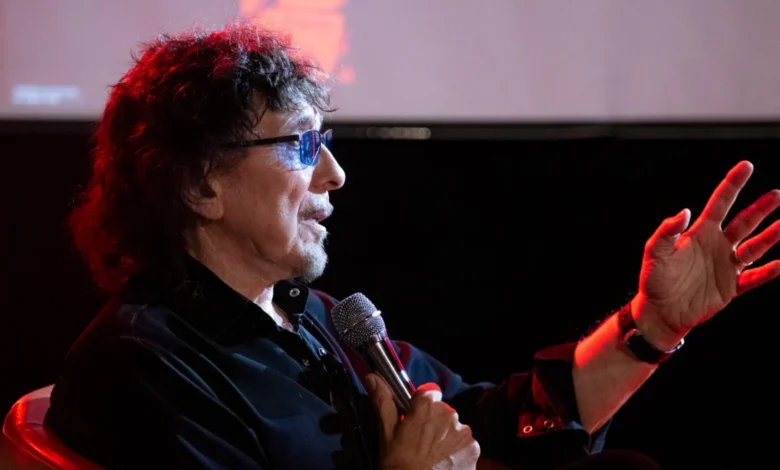
The revelations, emerging from a candid interview with Classic Rock magazine, provide a sobering look at the final days of one of heavy metal’s most influential figures. The event in question, titled Back To The Beginning, took place on July 5, 2025, at Villa Park in Birmingham, the ancestral home of the band. It served as a massive, star-studded tribute to the pioneers of doom, featuring performances from global rock titans including Metallica, Guns N’ Roses, Tool, and Slayer. However, the atmosphere behind the scenes was marked by intense apprehension regarding the health of lead singer Ozzy Osbourne.
The Frailty of an Icon
Tony Iommi, the architect of the heavy metal riff, confessed that his initial reaction upon reuniting with his longtime bandmate was one of profound concern. Having not seen Osbourne for three years prior to the rehearsal period, the physical deterioration of the singer was stark.
"I said to Ozzy: I don’t think we should do it," Iommi admitted to Classic Rock. "I said, we should just let the other bands play our stuff, and us come out at the end and say thank you. But it was for a good charitable cause, and eventually, we said okay."
Iommi’s reluctance was grounded in a desire to protect his friend’s legacy and physical well-being. He feared that Osbourne, who was 76 at the time, would be unable to sustain a full performance, especially if he attempted to execute a solo set in addition to the Black Sabbath material. "I was concerned he was going to blow himself out, and by the time we came on he’d be struggling," Iommi explained.
The reality of the situation was compounded by the technical challenges of the setlist. The iconic, eponymous track Black Sabbath was notably omitted from the performance, not out of creative choice, but due to the physical limitations of original drummer Bill Ward, who had not played with the group in a formal capacity for two decades. "We needed to rehearse with Bill, because it had been twenty years and he couldn’t remember how to play some of his stuff," Iommi noted. "We wanted to do the song Black Sabbath on the night but it was too difficult for him."
A Final Performance Under the Spotlight
Despite the internal debates and the physical toll on the members, the show proceeded. On July 5, 2025, Osbourne appeared on stage at Villa Park, seated on a throne—a visual testament to his diminished mobility but an enduring symbol of his stature in rock history. He delivered a set that spanned both his solo catalog and the foundational sounds of Black Sabbath.
The finale of the event saw the band perform four of their most seminal tracks: War Pigs, N.I.B., Iron Man, and the quintessential anthem, Paranoid. Iommi credits the surge of adrenaline for allowing Osbourne to complete the set. "The adrenaline carried Ozzy through," Iommi reflected. "And I’m so glad we did it. But of course, we didn’t expect him to go so soon."
The tragedy of the situation was solidified just 17 days after the concert, when the news of Osbourne’s passing at age 76 sent shockwaves through the music industry. The performance at Villa Park now stands as the final public documentation of the original Black Sabbath lineup in a live setting, marking an unintentional but definitive conclusion to a career that began in the industrial heart of Birmingham in 1968.
The Legacy of the Riffs and Future Projects
While the chapter of Black Sabbath as a performing unit has closed, Tony Iommi remains active in the studio. In his interview, he discussed his forthcoming solo album, titled From The Dark. This project represents his first major studio release since the band’s final album, 13, which was released in 2013.
The album features a notable collaboration with Queen guitarist Brian May on the track Death Watch. Iommi recounted the creative process behind the collaboration, noting that he had originally recorded his own solo for the track but ultimately decided that May’s touch was the superior fit. The friendship between the two guitarists spans decades, yet even May was caught off guard by the sheer volume of material Iommi has maintained in his private archives. Iommi confirmed that he has stockpiled roughly 500 to 600 riffs, a revelation that surprised even a musician as prolific as May.
The Missed Opportunity for a Studio Reunion
The interview also touched upon the possibility of a final studio recording featuring the full original lineup: Iommi, Osbourne, Ward, and bassist Geezer Butler. Iommi disclosed that in the early 2020s, high-profile producer Andrew Watt—who has recently helmed successful projects for legends like Paul McCartney and The Rolling Stones—attempted to spearhead a new Black Sabbath record.

Iommi’s account of the proposal highlights the complexity of the band’s internal dynamics. While Watt was enthusiastic, Iommi felt that the producer lacked the necessary experience in navigating the specific interpersonal history of the original four members. "He was very keen and a bit too excited," Iommi said. "He also didn’t know what it was like working with the original Sabbath, working with Bill." Ultimately, the logistical and emotional hurdles required to reunite the original quartet proved insurmountable, leaving 13 as their final studio legacy.
Analysis: The End of an Era
The events surrounding the Back To The Beginning show offer a case study in the intersection of artistic duty and human frailty. For many artists of the classic rock era, the pressure to provide a final, definitive farewell to fans often necessitates balancing physical health against the desire to provide closure.
From a historical perspective, the 2025 Villa Park concert acts as a cultural bookend. Black Sabbath, often cited as the originators of the heavy metal genre, essentially defined the aesthetic and sonic templates for the bands that followed in their wake—many of whom, such as Metallica and Slayer, shared the stage with them that final night.
The concern expressed by Iommi—that the performance might be too much for Osbourne—highlights the risks inherent in legacy acts returning to the stage after long hiatuses. However, the fact that the performance was successfully completed serves as a testament to the enduring professional relationship between the band members. While the loss of Ozzy Osbourne so shortly after the performance adds a tragic weight to the event, it also underscores the importance of that final act of communal artistry.
In the broader context of rock music, the inability to finalize one last studio album with Andrew Watt serves as a reminder that the chemistry of a band like Black Sabbath is not merely a product of talent, but of the decades of lived experience and internal friction that defined their career. Iommi’s decision to continue his own path with From The Dark indicates that while the band as a collective entity has ceased to be, the creative impulse that fueled it continues to drive its primary songwriter.
As the music industry continues to process the passing of one of its most iconic vocalists, the insights provided by Iommi offer a rare, unfiltered look into the final weeks of a legend. It is a narrative of friendship, professional hesitation, and the relentless pull of the stage, providing fans with a clearer understanding of the circumstances behind what is now recognized as a historic moment in music history. The story of the Back To The Beginning concert is not just one of a final performance, but a final, poignant reflection on a life lived at the volume of the heavy metal revolution.