The IINAG Essential Weekly Music Roundup Curates a Diverse Selection of New Indie Tracks for Listeners

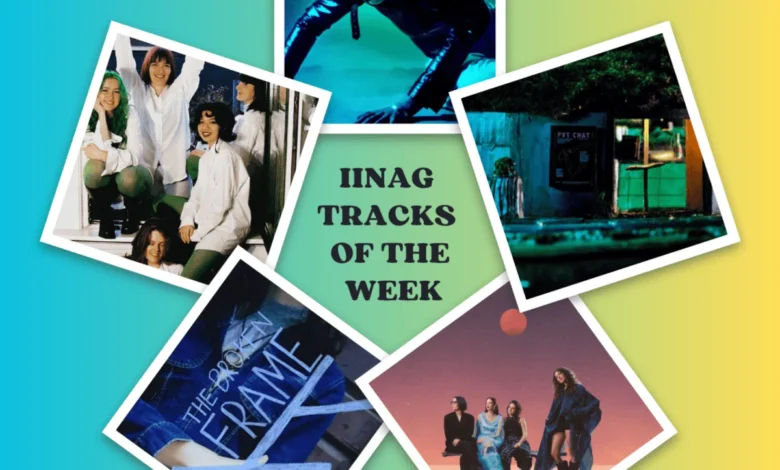
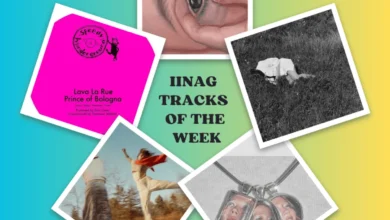
The landscape of contemporary independent music continues to shift at a rapid pace, with this week’s releases highlighting a blend of established post-punk veterans, rising indie-pop sensations, and introspective folk storytellers. As streaming platforms become increasingly crowded—with over 100,000 new tracks uploaded daily according to industry data from Luminate—the role of music journalism in curation has become essential for listeners seeking quality amidst the saturation. This week’s selection, curated by the IINAG editorial team, spans the sonic spectrum from Brooklyn’s intellectual grit to the atmospheric landscapes of London’s folk scene.
Bodega and the Evolution of Modern Post-Punk
Brooklyn-based outfit Bodega continues their exploration of societal irony with the release of their latest single, "Literary World." The track serves as a commentary on the contemporary obsession with curated intellectual identity. Musically, the band employs a motorik rhythm—a beat popularized by 1970s German experimental bands like Can and Neu!—which provides a mechanical, driving backbone to their sharp, observational lyrics.
In the broader context of the Brooklyn indie scene, Bodega represents a lineage of "art-school" bands that prioritize lyrical density over traditional melody. The song’s structure, which utilizes call-and-response vocals, serves as a rhythmic device to heighten the sense of urgency. By lampooning the pretension often found in modern social circles, Bodega maintains a critical distance from their subject matter, a hallmark of their discography. This release arrives as the band continues to tour internationally, reinforcing their status as a staple of the New York independent circuit.
The Big Moon: A Sonic Transition toward Indie-Pop
The release of "Three Things" by The Big Moon marks a significant evolution in the group’s sound. As the third single from their upcoming studio album, Forever, the track demonstrates a pivot toward synth-heavy production, moving away from the guitar-centric arrangements that defined their 2017 debut, Love in the 4th Dimension.
Lead singer Juliette Jackson has framed the new record as an exploration of nostalgia and the transience of youth. The shift in instrumentation is a strategic move often seen in bands entering their third or fourth album cycle, where experimental textures are integrated to prevent stylistic stagnation. Industry analysts suggest that this "synth-drenched" approach is currently a dominant trend in the UK indie-pop market, influenced by a resurgence of 1980s production aesthetics. With the full album Forever on the horizon, the band is strategically positioning itself to appeal to both their legacy fanbase and a broader radio-friendly demographic.
The Klittens and the Rise of the "Anti-Mansplaining" Anthem
Amsterdam-based quintet The Klittens are preparing for the September 25 release of their debut album, Have a Heart. Their latest single, "Nothing to Teach," has garnered attention for its thematic focus on autonomy and the rejection of unsolicited advice. The track has been interpreted by critics as an "audible manifesto" against condescension, a theme that resonates with current cultural dialogues surrounding gender dynamics in professional and creative spaces.
The band’s success is a reflection of the growing international interest in the European post-punk revival. Unlike traditional punk, which often relies on abrasive distortion, The Klittens blend darker, aggressive sentiments with upbeat, melodic hooks. This contrast has made them a popular choice for festival circuits across the European continent. Their upcoming debut album is expected to be a milestone in their career, as it follows a string of successful singles that have built a loyal following through organic social media growth and European radio airplay.
The Broken Frame: Manchester’s Next Indie Wave
Manchester has long been a focal point of the British music industry, from the post-punk era of the late 1970s to the Britpop explosion of the 1990s. The emergence of The Broken Frame, who just released their second career single "You Need To Talk To Me More," suggests that the city remains a fertile ground for new talent.
The track draws clear inspiration from the "indie sleaze" movement of the early 2000s, characterized by raw, unpolished production and high-energy vocal delivery. Frontman Morgan Riley has drawn comparisons to artists like Sam Fender, particularly regarding his vocal range and ability to command an anthemic chorus. The release is strategically timed to coincide with the band’s inclusion in regional showcases, such as Dot to Dot, which are critical for new artists seeking to secure booking agents and management. The fact that the band has reached this level of professional presentation after only two singles underscores the speed at which modern acts can gain momentum through effective digital marketing and high-quality production.
Flora Hibberd: The Persistence of Indie-Folk
Shifting away from the high-energy sounds of post-punk and synth-pop, Flora Hibberd’s "Silent Movie Baby" offers a stark contrast in pace and tone. Hibberd, who utilizes a minimalist approach to indie-folk, focuses on narrative-driven storytelling. The track is built on delicate acoustic fingerpicking and atmospheric production, a style that draws on the tradition of artists like Joni Mitchell or, more recently, Adrianne Lenker.
"Silent Movie Baby" succeeds by balancing vintage cinematic imagery with contemporary emotional stakes. In an era dominated by high-BPM tracks and short-form video content, Hibberd’s work represents a "slow-listening" aesthetic that has maintained a consistent, if niche, audience. Her ability to create an immersive, haunting environment is a testament to the enduring appeal of singer-songwriter compositions in the digital age.
Market Context and Industry Implications
The release of these five tracks highlights a broader trend within the independent music industry: the diversification of sub-genres under the "indie" umbrella. Data from music distribution platforms indicate that "indie-pop" and "post-punk revival" remain the most commercially viable sub-genres for independent artists.
The industry currently faces a period of rapid consolidation. With major labels increasingly acquiring indie distribution companies, the "indie" label itself has become more of a stylistic descriptor than a strictly economic one. For bands like The Big Moon or The Klittens, the path to sustainability involves a mix of vinyl sales, live touring, and strategic synchronization—the process of licensing music for television and film.
The inclusion of affiliate links and merchandise store integrations in promotional articles, such as those provided by IINAG, illustrates how independent media outlets are adapting to the decline of traditional advertising revenue. By positioning themselves as curators, these outlets provide a service to the listener while simultaneously facilitating the financial viability of the artists they feature.
Looking Ahead: September and Beyond
As the industry moves into the final quarter of the year, the focus shifts toward album cycles and end-of-year "Best Of" lists. September 25, the release date for The Klittens’ debut, serves as a focal point for the indie community, representing the culmination of months of promotional activity. The tracks highlighted this week—ranging from the witty, hyper-literate bursts of Bodega to the cinematic grace of Flora Hibberd—demonstrate that the independent sector remains in a state of high creative productivity.
For the listener, the challenge remains to navigate this abundance. However, through the rigorous curation of essential tracks, platforms like IINAG ensure that the most significant and artistically compelling contributions to the musical landscape receive the attention they require to thrive in an increasingly competitive market. Whether through the revival of 2000s indie-sleaze or the evolution of modern synth-pop, these artists continue to shape the sonic identity of the 2020s, ensuring that the independent spirit remains a vital force in global music.