A$AP Rocky Unveils "Helicopters" Single and Visually Striking Video Ahead of Highly Anticipated Album "Don’t Be Dumb" Release

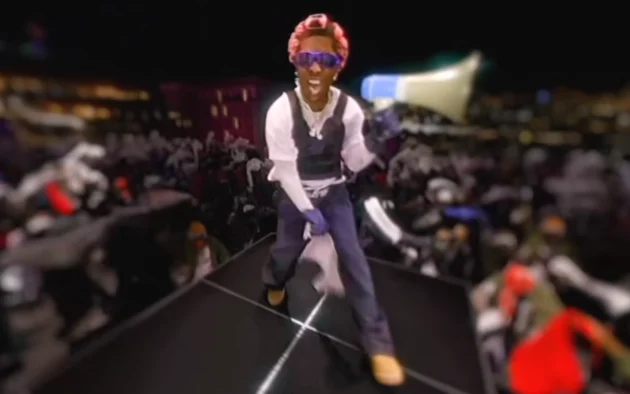
Harlem-born artist A$AP Rocky has officially released "Helicopters," a new single accompanied by a visually arresting music video, serving as the latest offering from his much-anticipated album, Don’t Be Dumb. The track, which dropped on January 12, 2026, marks a significant moment for fans and industry observers alike, signaling the imminent arrival of his first full-length project in nearly eight years. Don’t Be Dumb is slated for release just four days later, on January 16, 2026, culminating a prolonged period of speculation and heightened expectation surrounding the multifaceted artist’s return to the forefront of the music scene.
The release of "Helicopters" is not merely a new song but a carefully orchestrated preview of the artistic direction A$AP Rocky is pursuing with his forthcoming album. The single immediately captures attention with its distinctive sound and lyrical prowess, while its accompanying music video, directed by the acclaimed Dan Streit, plunges viewers into a dystopian, video game-inspired narrative. This multimedia rollout underscores A$AP Rocky’s consistent commitment to integrating visual artistry with his musical output, a hallmark of his career since his breakthrough.
The Long-Awaited Return: A Chronology of Anticipation
The road to Don’t Be Dumb has been characterized by a substantial hiatus, making it one of the most eagerly awaited hip-hop albums of the mid-2020s. A$AP Rocky’s last studio album, Testing, was released in May 2018. While critically praised for its experimental sound and artistic ambition, Testing represented a departure from some of the more accessible sounds of his earlier works like Long.Live.A$AP (2013) and At.Long.Last.A$AP (2015), which collectively garnered multi-platinum certifications and widespread commercial success, with Long.Live.A$AP debuting at number one on the Billboard 200. Following Testing, A$AP Rocky maintained a presence through various collaborations, fashion ventures, and sporadic single releases, but a cohesive album project remained elusive.
The intervening years saw A$AP Rocky’s profile transcend music, solidifying his status as a global style icon and a significant figure in contemporary culture. His high-profile relationships, particularly with global superstar Rihanna, and the birth of their children, kept him in the public eye. However, behind the glamour, the demand for new music from his core fanbase never waned. Speculation about a new album began intensifying as early as 2020, with various working titles rumored and snippets of unreleased tracks occasionally surfacing online.
A notable period of public focus on A$AP Rocky occurred in 2019, when he faced legal challenges in Sweden, an incident that garnered international media attention and intervention from high-profile figures. While ultimately resolved, such events can significantly impact an artist’s creative process and release timelines. By late 2023 and throughout 2024, A$AP Rocky began to more explicitly tease Don’t Be Dumb, confirming its title and hinting at its themes through interviews and social media posts. The album’s official announcement, including the January 2026 release date, was met with widespread excitement, amplified by earlier singles like "RIOT (Rowdy Pipe’n)" featuring Pharrell Williams, which offered a glimpse into the album’s sonic landscape and hinted at a more refined, yet still boundary-pushing, direction. These preceding singles, while building anticipation, also underscored the eclectic nature of Rocky’s evolving artistry.
Deconstructing "Helicopters": A Multilayered Experience
"Helicopters" arrives as a potent declaration of A$AP Rocky’s artistic intent, blending his signature sonic elements with fresh thematic explorations. Musically, the track features a dynamic production that marries intricate beat patterns with atmospheric synths, creating a soundscape that feels both gritty and expansive. A$AP Rocky’s distinctive flow, characterized by his melodic cadences and confident delivery, navigates the beat with a practiced ease, demonstrating a refined vocal presence. The track leans into a more aggressive, yet still controlled, energy, which sets a compelling tone for the impending album.
Lyrically, "Helicopters" offers a window into A$AP Rocky’s current mindset, reflecting on themes of street credibility, luxury, and cultural identity. The quoted lines, "Pull up to the church in my hoodie then / I’m ’bout to get money for surely then / I ride around in an all-pink Mercedes, the pussy whip / Like Killa Cam, my braids lookin’ like I could be Jim," are particularly illustrative. The opening lines evoke a sense of humble beginnings juxtaposed with an undeniable drive for success, suggesting a continuous pursuit of financial prosperity regardless of outward appearances. The imagery of an "all-pink Mercedes" immediately conjures an image of flamboyant luxury, a nod to his well-documented love for high fashion and opulent aesthetics. Crucially, the reference to "Killa Cam" (Cam’ron) and "Jim" (Jim Jones), two iconic members of the Harlem-based hip-hop collective Dipset, serves as a powerful tribute to his roots and the lineage of New York rap that has profoundly influenced his artistic identity. It’s a statement of solidarity with Harlem’s rich hip-hop heritage, affirming his place within its legacy while simultaneously showcasing his unique blend of street wisdom and high-fashion sensibility.
The music video for "Helicopters," directed by Dan Streit, is a pivotal component of the release, elevating the track’s narrative through a sophisticated visual experience. Streit, known for his innovative and often surreal directorial style, has crafted a "video game-inspired clip" that is both immersive and provocative. The video centers on A$AP Rocky inciting riots through a stylized city, leading police on a high-stakes chase in a stolen helicopter. The video game aesthetic is evident in its graphics, camera angles, and potentially even user interface elements, creating a dynamic, almost playable, viewing experience.
The symbolism within the video is rich and multifaceted. The act of "inciting riots" can be interpreted as a commentary on societal unrest, a metaphor for challenging the status quo, or even a depiction of the disruptive force of his music. The stolen helicopter, a vehicle typically associated with authority or escape, becomes an instrument of rebellion and freedom in Rocky’s hands, symbolizing a defiant autonomy against systemic pressures. The police chase further reinforces themes of resistance and the constant pursuit of liberty. This visual narrative aligns with the lyrical undertones of resilience and self-determination, positioning A$AP Rocky as a figure who navigates and challenges established norms. Streit’s direction skillfully merges these heavy themes with a slick, engaging visual language, ensuring the video is both thought-provoking and entertaining.
Industry Context and Broader Implications
The release of "Helicopters" and the impending arrival of Don’t Be Dumb carry significant weight within the contemporary music industry. In an era dominated by rapid-fire single releases and viral moments, an album from an artist of A$AP Rocky’s stature after such a long break is a rare event that commands considerable attention. Industry analysts anticipate that Don’t Be Dumb could be a major commercial success, propelled by pent-up demand and A$AP Rocky’s established global fanbase. His previous albums have consistently performed well, with Long.Live.A$AP moving over 139,000 units in its first week and At.Long.Last.A$AP selling over 117,000 units, both debuting at No. 1. While Testing had a more modest commercial debut, it demonstrated his artistic courage. With the current streaming landscape, first-week numbers are often measured in equivalent album units, and Don’t Be Dumb is projected to achieve strong streaming figures and digital sales.
Beyond commercial metrics, the album is expected to reaffirm A$AP Rocky’s position as a cultural vanguard. His influence extends far beyond music, deeply impacting fashion, art, and broader youth culture. Brands frequently seek his endorsement, and his personal style is closely watched and emulated. Don’t Be Dumb has the potential to introduce new trends, collaborations, and a refreshed aesthetic vision that could shape fashion and music for the foreseeable future.
While A$AP Rocky himself maintains a relatively private stance on the deeper meanings behind his work, his past interviews suggest a continuous drive for artistic evolution and a desire to challenge listener expectations. His label, RCA Records (a division of Sony Music Entertainment), is likely to have orchestrated a robust marketing campaign, leveraging his multifaceted appeal to maximize the album’s reach. The critical reception for Don’t Be Dumb will be closely watched. Music critics are expected to focus on how the album addresses the long hiatus, whether it represents a significant artistic evolution or a return to his earlier acclaimed sounds, and the thematic coherence across its tracks. The blend of introspection, street narratives, and high-fashion sensibilities is a recurring thread in his work, and Don’t Be Dumb is poised to explore these themes with a matured perspective.
The Legacy and Future Trajectory
As A$AP Rocky steps back into the album cycle with Don’t Be Dumb, the project is poised to be a defining moment in his career. It offers an opportunity to solidify his legacy as one of hip-hop’s most innovative and influential artists of his generation. The album’s title itself, "Don’t Be Dumb," suggests a direct, perhaps cautionary, message, inviting listeners to engage with his work on a deeper intellectual level while retaining his signature swagger and street authenticity.
The release of "Helicopters" and the imminent album signify more than just new music; they represent the culmination of years of creative development, personal growth, and unwavering artistic vision. With a global tour likely to follow, alongside continued ventures in fashion and other creative industries, A$AP Rocky’s trajectory continues to demonstrate his capacity to transcend traditional artist roles, cementing his status as a formidable cultural force. The world now awaits the full narrative and sonic experience that Don’t Be Dumb promises to deliver, expecting nothing less than a groundbreaking contribution to the tapestry of contemporary music.