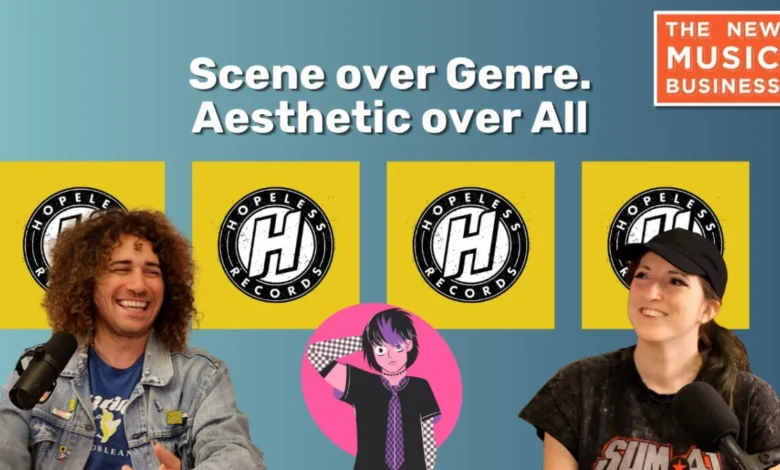
The contemporary music industry, a dynamic and ever-evolving landscape, demands innovative marketing strategies to capture audience attention and foster genuine fandom. A recent episode of "The New Music Business" podcast, hosted by industry veteran Ari Herstand, delved into these crucial shifts, featuring an insightful conversation with Nicole Abea, Director of Influencer & UGC Promotions at Hopeless Records. The discussion illuminated how a storied independent label like Hopeless Records navigates the complexities of modern music promotion, moving decisively from traditional social media campaigns to sophisticated influencer marketing, user-generated content (UGC), and TikTok-driven discovery. Abea’s journey from intern to a leadership role underscores a decade of profound transformation within the label’s marketing philosophy, impacting artists such as Scene Queen, THXSoMCH, Neck Deep, Melrose Avenue, and Autumn Kings. The dialogue offered a rare glimpse into the practical realities of music marketing in today’s digital age, encompassing influencer campaigns, the strategic use of fan accounts, micro-budget marketing tactics, the cultural phenomena of TikTok trends and BookTok, effective Digital Service Provider (DSP) pitching, and the imperative of building communities that translate into enduring fandom.
The Evolving Landscape of Music Marketing: A Decade of Transformation
Over the past decade, the music industry has witnessed a seismic shift in how artists connect with their audiences. The era of mass media advertising and traditional radio play as primary drivers of discovery has largely given way to a fragmented, digital-first ecosystem. Hopeless Records, a label with a strong legacy in alternative and punk rock, exemplifies adaptability in this new environment. Nicole Abea’s trajectory within the label mirrors this evolution. Starting as an intern, she has ascended to Director of Influencer & UGC Promotions, a testament to the growing significance of these specialized areas within music marketing. This shift reflects a broader industry trend where authenticity and direct engagement often outperform traditional, top-down promotional efforts.
The transition began in earnest with the rise of social media platforms like MySpace and Facebook in the mid-2000s, which offered artists unprecedented direct access to fans. However, the subsequent emergence of Instagram, YouTube, and, most recently, TikTok has fundamentally reshaped the landscape. Each platform brought its unique mechanics and audience behaviors, compelling labels and artists to continuously adapt. TikTok, in particular, has become a powerhouse for music discovery, its algorithm capable of launching obscure tracks into global virality overnight. This platform’s emphasis on short-form video and user-generated content has made it a central pillar of modern music marketing, forcing labels to think beyond curated campaigns to fostering organic, participatory engagement.
Influencer Marketing: The New Gatekeepers of Discovery
Influencer marketing has emerged as a cornerstone of contemporary music promotion. Rather than relying solely on traditional media outlets, labels now strategically partner with individuals who possess significant sway over niche or broad online communities. These influencers, ranging from macro-influencers with millions of followers to micro- and nano-influencers with smaller but highly engaged audiences, act as trusted tastemakers. For music, this involves creators using a song in their content, thereby exposing it to their dedicated following.
The effectiveness of influencer marketing in the music industry is well-documented. A 2023 report by Influencer Marketing Hub indicated that the influencer marketing industry reached an estimated $21.1 billion, demonstrating its massive scale and impact across sectors, including music. For Hopeless Records, as inferred from Abea’s role, this involves a meticulous process of identifying influencers whose personal brand, content style, and audience demographics align with the artist’s identity and musical genre. This strategic alignment is crucial for authentic endorsement and to avoid the perception of forced promotion. Artists like Scene Queen, known for her genre-bending music and strong visual identity, benefit immensely from collaborations with influencers who resonate with her distinct aesthetic and message. Similarly, bands like Neck Deep, with an established fanbase, can leverage influencers to reach new demographics or re-engage existing fans through fresh content formats. The goal is not merely exposure, but connection—turning casual listeners into devoted fans through trusted recommendations.
User-Generated Content (UGC) and the Power of Fandom
User-Generated Content (UGC) is the lifeblood of modern music virality, especially on platforms like TikTok. It refers to any form of content, such as videos, photos, reviews, or comments, created and shared by consumers rather than brands. In music, UGC often manifests as fans creating videos using an artist’s song, participating in dance challenges, lip-syncing, or incorporating the music into their daily vlogs and skits. This organic spread is invaluable because it carries an inherent authenticity and peer-to-peer recommendation that traditional advertising cannot replicate.
The podcast highlighted "TikTok seeding" and the reality of fan accounts. While some content appears to go viral spontaneously, labels often engage in strategic "seeding" – providing early access to tracks or promoting specific sounds to a network of creators and fan accounts. However, the true magic happens when this initial push ignites genuine enthusiasm, leading to widespread organic adoption. Fan accounts play a critical role here, acting as fervent amplifiers. These accounts, run by dedicated enthusiasts, curate content, share updates, and participate actively in promoting their favorite artists, often reaching highly engaged niche communities more effectively than official channels. Data consistently shows that UGC leads to higher engagement rates and greater trust among consumers. For artists, encouraging and acknowledging UGC is vital; it transforms passive listeners into active participants, deepening their connection to the music and fostering a sense of community.
Navigating the Micro-Budget Era: Strategic Marketing on a Shoestring
A significant portion of the discussion centered on how to market a song with a modest budget, exemplified by a hypothetical $2,000 allocation. This topic is particularly relevant for independent artists and smaller labels operating without the vast resources of major corporations. Nicole Abea’s insights likely emphasized that a limited budget necessitates extreme strategic thinking and a focus on high-impact, cost-effective tactics.
Strategies for micro-budget marketing often involve:
- Hyper-targeted influencer outreach: Instead of expensive macro-influencers, focus on micro- and nano-influencers who have highly engaged, niche audiences that perfectly match the artist’s demographic. These collaborations are often more affordable and yield higher conversion rates due to the influencer’s perceived authenticity and closer relationship with their followers.
- Leveraging existing communities: Identifying and engaging with online communities (e.g., Reddit forums, Discord servers, genre-specific Facebook groups) where the target audience already congregates. Sharing music directly in these spaces, when done respectfully, can yield organic listeners.
- Optimizing owned channels: Maximizing the potential of an artist’s existing social media presence, email lists, and website through consistent, high-quality content and direct fan engagement.
- Creating shareable content: Producing short, engaging video clips, memes, or visually appealing graphics that fans are likely to share across their networks, effectively turning fans into unpaid promoters.
- Pressing into DSPs strategically: Ensuring the music is well-positioned for editorial playlist consideration by providing compelling pitch notes and demonstrating early engagement metrics from social media campaigns.
This approach underscores that in the digital age, creativity, authenticity, and strategic engagement often matter more than the size of a marketing budget.
Beyond Music: BookTok and the Cross-Platform Audience
The phenomenon of BookTok, a vibrant subcommunity on TikTok where users share book recommendations, reviews, and literary discussions, illustrates the broader principle of cross-platform audience discovery. What might seem unrelated to music has, in fact, become a significant driver of song virality. Users on BookTok often pair specific songs with their emotional reactions to books, creating powerful, evocative content that introduces music to a vast, engaged audience that might not typically seek out new music through traditional channels.
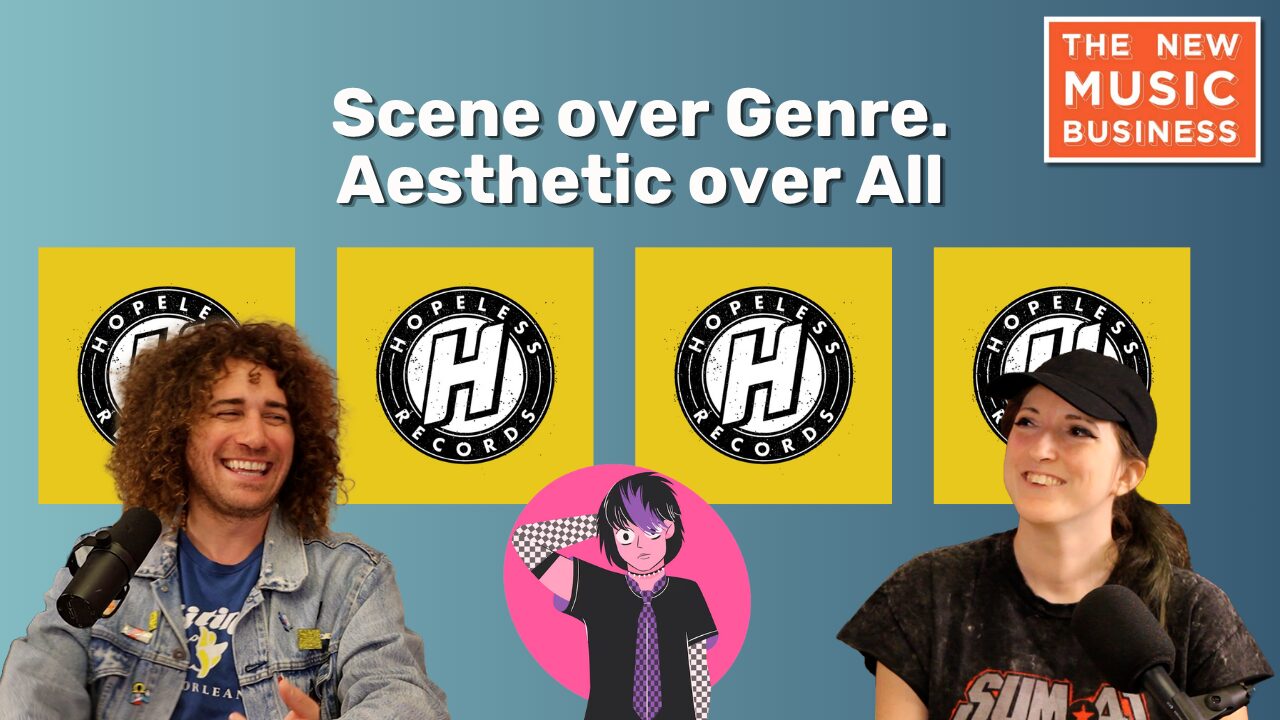
This trend highlights the importance for artists and labels to look beyond conventional music spaces when identifying potential audiences. Modern fandom is fluid, with individuals often participating in multiple online communities spanning diverse interests—gaming, fashion, art, specific subcultures, or even niche hobbies. The concept of "Scene Over Genre," which Abea also discussed, becomes particularly pertinent here. Audiences are increasingly connecting based on shared aesthetics, values, emotional resonance, or lifestyle rather than strict genre definitions. An indie artist’s song might resonate deeply with the BookTok community because its mood perfectly complements a popular fantasy novel, irrespective of the song’s specific genre. This necessitates a broader, more imaginative approach to audience research and community engagement, encouraging artists to understand the diverse contexts in which their music can find a home.
Engaging with Digital Service Providers (DSPs): What Spotify and Others Seek
Digital Service Providers (DSPs) like Spotify, Apple Music, and Amazon Music are the primary conduits through which most listeners consume music today. Securing placement on editorial playlists and gaining algorithmic support from these platforms is crucial for an artist’s visibility and growth. Nicole Abea’s insights into what DSPs want from artists are invaluable for navigating this critical aspect of the music business.
DSPs are ultimately businesses that thrive on engagement and user retention. They seek artists who can bring and keep listeners on their platforms. Therefore, when labels and artists pitch music to DSPs, they need to demonstrate more than just a good song. Key factors include:
- Early engagement data: Evidence of strong performance on social media (especially TikTok), pre-saves, and early streams can signal to DSPs that a track has momentum and a built-in audience.
- Compelling narrative: A well-crafted story about the artist, the song’s creation, or its cultural relevance.
- Marketing plan: A clear outline of how the artist and label plan to promote the song outside the DSPs, demonstrating a proactive approach to audience building.
- Artist profile completeness: Professional artist photos, bios, and consistent branding across all platforms.
- Audience growth potential: DSPs are interested in artists who are actively expanding their fanbase, indicating future revenue potential.
The relationship between artists/labels and DSPs is symbiotic: DSPs need a constant stream of engaging content to attract and retain subscribers, and artists need the platforms for distribution and discovery. Understanding and catering to the DSPs’ algorithmic and editorial priorities is a strategic imperative.
The Convergence of Influence and Artistry: Labels Signing Influencers
A burgeoning trend in the music industry, also discussed in the podcast, is the increasing propensity of record labels to sign influencers who transition into music careers. This phenomenon is a direct consequence of the shift in music discovery and audience building. Influencers, by definition, arrive with a pre-existing, often massive, and highly engaged audience—a dream scenario for any label looking to reduce the immense cost and time associated with artist development and audience acquisition.
The rationale is clear: an influencer who decides to release music already has a direct line to millions of potential fans. Their personal brand is established, their content style is familiar, and their followers often exhibit a high degree of loyalty. This significantly de-risks the investment for labels. While the artistic merit of such signings is sometimes debated, the commercial logic is undeniable. For example, a TikTok personality with 10 million followers releasing a song has an immediate promotional engine far more powerful than many traditional emerging artists. This trend highlights a fundamental change in how "talent" is perceived in the industry, expanding beyond purely musical ability to encompass digital charisma and audience command. However, it also presents challenges, as labels must develop strategies to ensure these influencer-artists are taken seriously as musicians and can sustain long-term careers beyond their initial viral fame.
Fandom Redefined: "Scene Over Genre" and the Virality of Nostalgia
The concept of "Scene Over Genre" represents a profound evolution in modern fandom. In the past, music communities were often strictly defined by genre—punk, metal, hip-hop, pop. Today, while genres still exist, audiences increasingly coalesce around shared aesthetics, values, cultural references, and lifestyle choices, transcending traditional genre boundaries. A fan might enjoy a pop-punk band, a hyperpop artist, and a lo-fi indie track if all three evoke a similar emotional response or align with their broader "scene" or identity. This shift empowers artists to build communities based on deeper connections than just musical style.
The viral resurgence of All Time Low’s "Dear Maria, Count Me In" years after its initial release perfectly illustrates this phenomenon and the power of TikTok. Released in 2007, the pop-punk anthem found a new lease on life on TikTok in the early 2020s, becoming a sound for countless videos ranging from nostalgic tributes to comedic skits. This virality was driven by:
- Nostalgia marketing: The song tapped into the collective memory of a generation who grew up with it, triggering powerful feelings of nostalgia.
- TikTok’s algorithmic power: The platform’s ability to resurface older content based on engagement ensured the song reached a vast new audience, including those too young to remember its original release.
- UGC adaptability: The song’s catchy chorus and energetic vibe made it highly adaptable for short-form video content, encouraging widespread user participation.
The "Dear Maria" phenomenon underscores that in the "Scene Over Genre" era, cultural relevance and emotional resonance can be more potent than strict genre adherence, and that a song’s lifecycle is no longer linear, but potentially infinite in the digital sphere.
Algorithms, "Rage Bait," and the Future of Music Marketing
The discussion concluded by touching upon the omnipresent influence of algorithms and the controversial concept of "rage bait" in shaping content discovery. Algorithms are the invisible architects of our digital experiences, dictating what content we see on social media feeds and streaming platforms. For music, this means artists and labels must understand how these algorithms prioritize and distribute content, often favoring high engagement.
"Rage bait" refers to content intentionally designed to provoke strong emotional responses—often anger, frustration, or disagreement—to maximize engagement (likes, comments, shares). While this tactic can lead to viral moments, its ethical implications are significant. The podcast likely explored the delicate balance artists and labels must strike: creating content that cuts through the noise and leverages algorithmic preferences without resorting to manipulative or inauthentic methods. The future of music marketing will undoubtedly continue to be shaped by technological advancements, including artificial intelligence in content creation and audience targeting, and the emergence of new platforms. The core challenge will remain: how to foster genuine artistic connection in an increasingly algorithmic and attention-driven digital world.
Conclusion
Nicole Abea’s insights from Hopeless Records, as presented on "The New Music Business" podcast, offer a comprehensive overview of the sophisticated and multifaceted approach required for music marketing today. Her journey and the label’s strategies underscore a fundamental shift from traditional, top-down promotion to an authentic, community-driven, and digital-first paradigm. For artists and labels alike, success hinges on a deep understanding of influencer dynamics, the power of user-generated content, the strategic deployment of micro-budgets, the exploration of cross-platform communities like BookTok, effective engagement with DSPs, and an adaptability to trends like "Scene Over Genre" and the signing of influencers. While the digital landscape presents democratizing opportunities for artists, it also demands continuous innovation, ethical navigation of algorithms, and an unwavering focus on building genuine connections that translate into lasting fandom. Hopeless Records stands as a compelling case study of a legacy label successfully evolving to meet these contemporary demands, demonstrating that adaptability and a forward-thinking approach are paramount in the ever-changing rhythm of the music business.