Melbourne Instruments Expands ROTO-CONTROL Native DAW Compatibility to Steinberg Cubase and Image-Line FL Studio

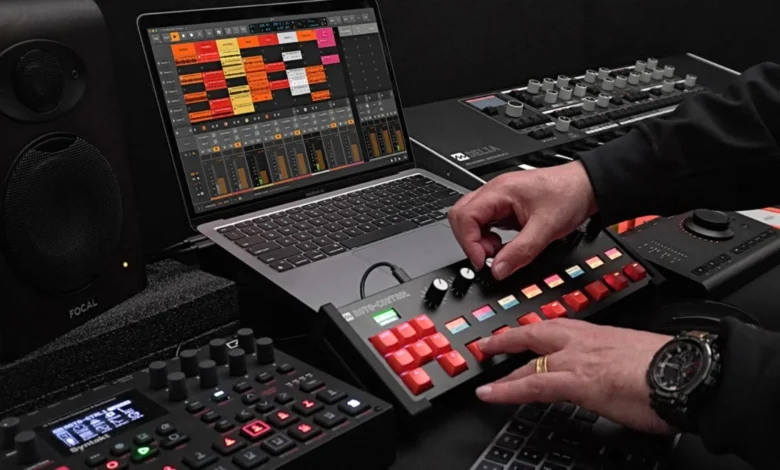
Melbourne Instruments has significantly broadened the ecosystem for its flagship ROTO-CONTROL motorized MIDI controller by introducing native integration scripts for two of the industry’s most prominent Digital Audio Workstations: Steinberg Cubase and Image-Line FL Studio. This latest update follows earlier native compatibility rollouts for Apple Logic Pro, Bitwig Studio, and Ableton Live, further cementing the hardware’s position as a versatile bridge between tactile studio gear and digital production environments.
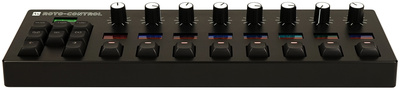
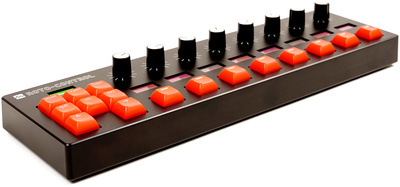
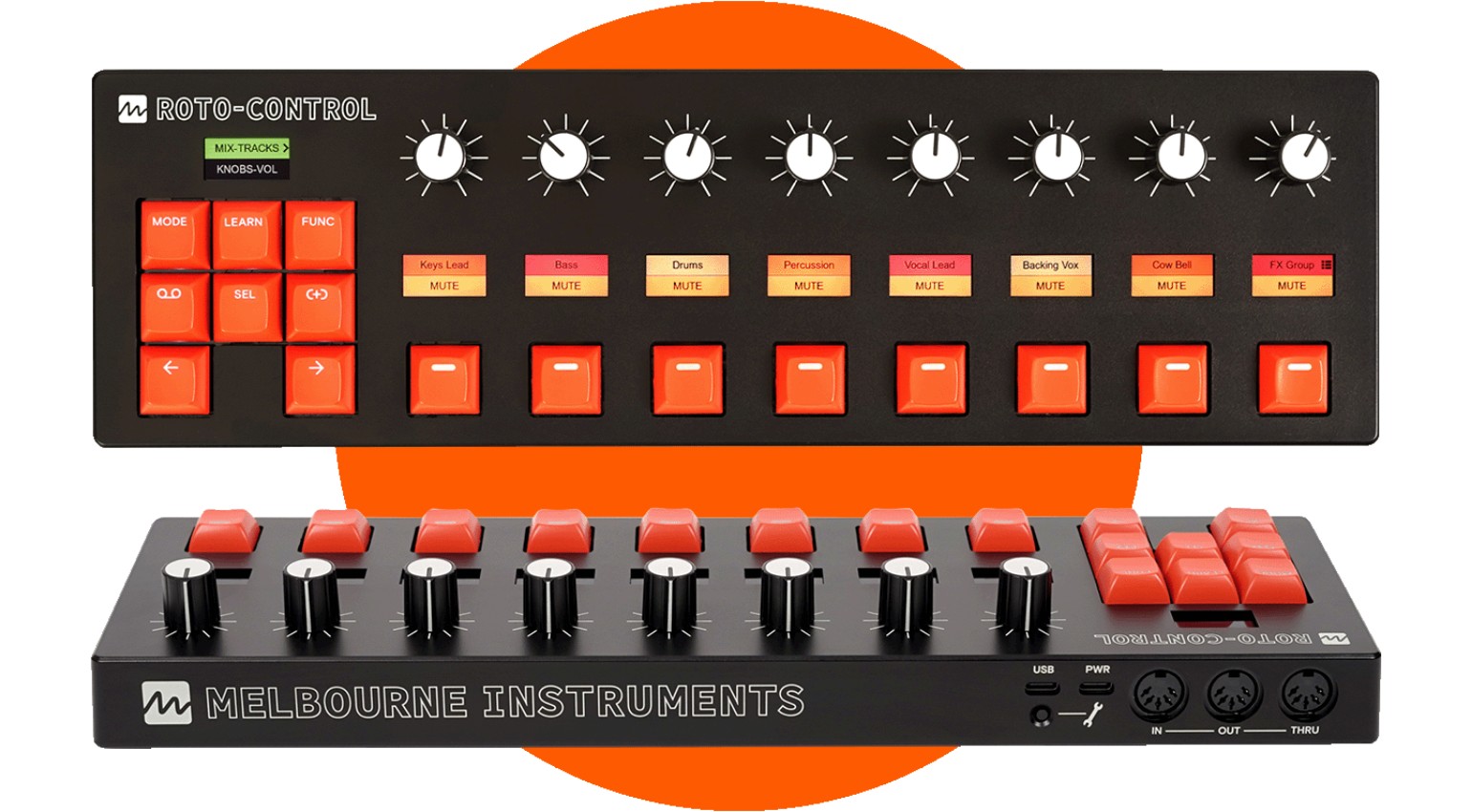
The ROTO-CONTROL hardware utilizes motorized, touch-sensitive encoders paired with high-resolution LCD screens, a concept originally derived from Melbourne Instruments’ acclaimed synthesizer lineup, including the NINA and DELIA models. By introducing direct script support for Cubase and FL Studio, the manufacturer addresses long-standing requests from its user base, enabling producers to interact with software parameters via physical controls that dynamically update their physical positions to match software states.
Detailed Workflow Integration for Cubase and FL Studio
The newly released integration scripts offer deep, context-aware functionality tailored specifically to the structural architecture of each DAW. According to Melbourne Instruments marketing representatives, the Cubase integration was among the most heavily requested features by system owners. When operating within Cubase, users can point their computer mouse at a software fader or plugin parameter, allowing the ROTO-CONTROL’s "AI Knob" functionality to instantly take over the control, with the motorized encoder spinning autonomously to match the exact parameter value set in the software session.
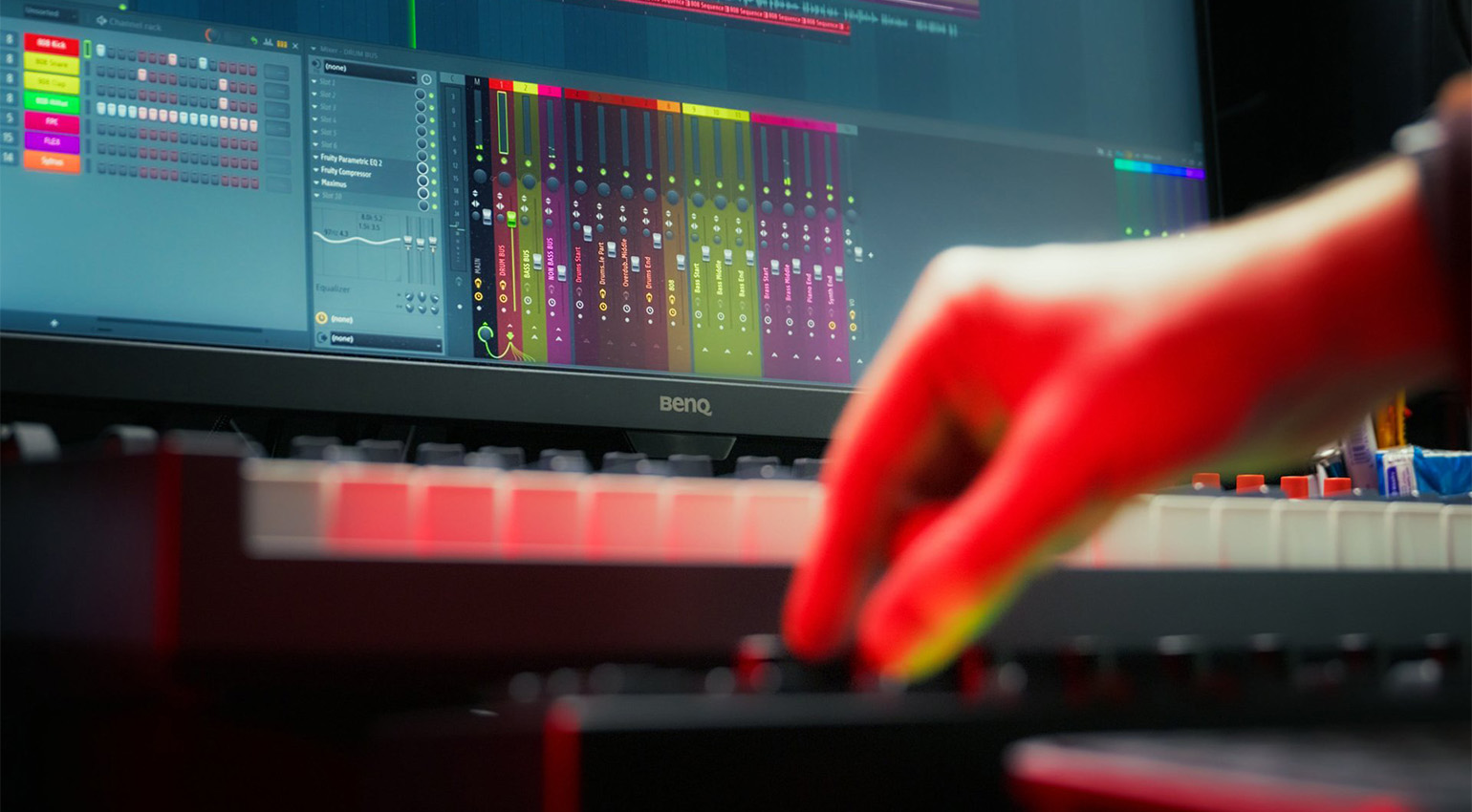
For Image-Line FL Studio users, the integration leverages the unique design of the DAW’s step-sequencing environment. Producers can construct beats directly within the FL Studio Channel Rack using the hardware controller. By holding a specific step on the controller and turning a motorized knob, users can alter note values or introduce ratcheting effects on the fly. This real-time tactile feedback loop minimizes reliance on computer screens and computer mice during critical phases of beat-making and arrangement.
Evolution of the Ecosystem: Melbourne Exchange and Open APIs
The expansion into Cubase and FL Studio compatibility arrives on the heels of several major milestones for the hardware platform. Melbourne Instruments previously launched "Melbourne Exchange," an open online community hub designed for ROTO-CONTROL owners to share custom setups, plugin mappings, and auxiliary software tools. At its launch, the platform hosted more than 60 free user-contributed configurations spanning vintage hardware emulations—such as Universal Audio 1176 and LA-2A compressor plugins—to specific templates for guitar pedals and hardware synthesizers from manufacturers like Moog, Elektron, and Korg.

Furthermore, Melbourne Instruments has made the controller’s underlying architecture accessible by publishing its complete open APIs. This includes a serial API for hardware configuration and a SysEx API enabling bidirectional live control. To facilitate community software development, the company also published the source code for its official Ableton Live, Bitwig Studio, and Logic Pro integrations on GitHub, alongside starter prompts tailored for AI coding assistants like Claude and Cursor to help developers write custom integration scripts.
Chronological Timeline of ROTO-CONTROL Development
The journey of the ROTO-CONTROL from its initial announcement to its current multi-DAW status reflects a structured, iterative rollout strategy by Melbourne Instruments:
- January 2025: Melbourne Instruments officially unveils the ROTO-CONTROL motorized MIDI controller at the NAMM Show, introducing its core three-mode architecture (MIX, PLUGIN, and MIDI with Motion Recorder) and initial compatibility with Ableton Live.
- May 2025: The company rolls out an open beta testing phase for deep Bitwig Studio integration, allowing track names, colors, and parameter assignments to sync automatically with the DAW.
- July 2025: Firmware update 2.0 is released, adding official Linux support for Bitwig users, group channel recognition in MIX mode, and enhanced MIDI note and program change capabilities.
- October 2025: The specialized "Bitwig Edition" of the hardware hits the market, bundled with a license for Bitwig Studio Producer to target workflow-oriented producers directly.
- January 2026: Marking a major milestone for Apple ecosystem users, native compatibility for Logic Pro is officially introduced, answering widespread community demand for session mirroring and Smart Controls integration.
- October 2026: Melbourne Exchange is established as a centralized community repository, accompanied by the publication of open APIs and developer toolkits.
- Late 2026: Native compatibility scripts for Steinberg Cubase and Image-Line FL Studio are officially released, expanding the controller’s software reach across major operating systems and DAW platforms.
Broader Industry Implications and Technical Impact
The proliferation of motorized control surfaces in modern music production signifies a shifting preference among producers who seek the physical ergonomics of traditional mixing consoles combined with the recall capabilities of modern in-the-box setups. Historically, motorized faders and encoders were largely restricted to high-end mixing consoles or expensive, large-format control surfaces tailored primarily for volume and panning automation.
By scaling this technology down into a compact, desktop-oriented MIDI controller priced at approximately €499 / $439, Melbourne Instruments has democratized haptic feedback for plugin parameter manipulation and intricate step sequencing. The ability of the encoders to constantly update their physical positions eliminates parameter jumps—a common workflow friction point when switching between different tracks, plugins, or automation lanes on static, non-motorized controllers.
Availability and Access
The new native integration scripts for Steinberg Cubase and Image-Line FL Studio are available as free updates for existing ROTO-CONTROL owners. Users can download the necessary system updates and access the setup configuration utilities directly through the official Melbourne Instruments web portal. The hardware itself remains widely available through major global audio retailers, including Thomann and Sweetwater, continuing to support an expanding user base across Windows, macOS, and Linux production environments.