Planetarium Sessions Redefines Orchestral Hip-Hop with "Say That (Orchestral Version)"

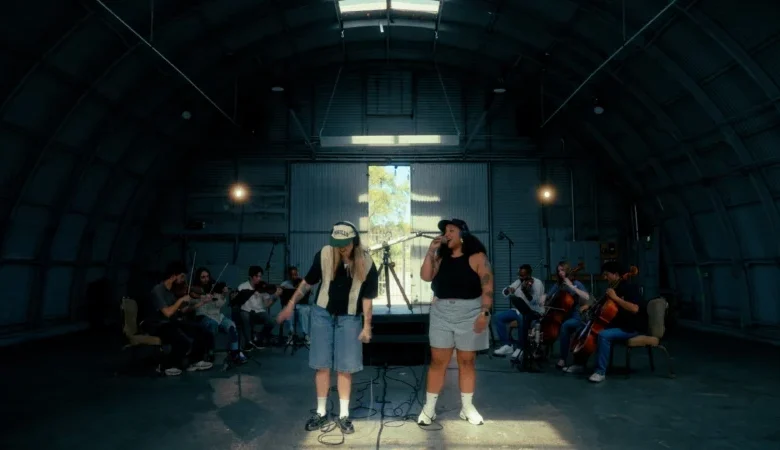
Planetarium Sessions embarks on a captivating new artistic trajectory with the release of "Say That (Orchestral Version)," a live performance that boldly reimagines a contemporary hip-hop composition through the expansive lens of a full orchestra. This ambitious undertaking moves beyond the familiar emotional landscapes of modern hip-hop and alternative music, instead selecting a well-established track and transforming it into a grand symphonic experience. The resulting performance emanates a timeless quality, serving as a potent reminder of the enduring power of orchestral hip-hop to engage and resonate with today’s diverse audiences.
The Genesis of a Vision: Planetarium Sessions’ Artistic Mission
Planetarium Sessions is carving out a distinctive niche within the live music landscape, drawing inspiration from the profound sense of wonder and vastness evoked by celestial observation. The series dedicates itself to unearthing and showcasing exceptional voices across the hip-hop, R&B, and alternative music genres. However, its mission extends beyond mere performance; it actively seeks to champion and revitalize a musical approach that, despite its inherent richness, has historically received less mainstream recognition. "Say That (Orchestral Version)" stands as a testament to this vision, embodying a confident fusion of modern songwriting sensibilities with lush, sweeping orchestral arrangements. These arrangements imbue the performance with a palpable warmth, introduce layers of dramatic tension, and lend a cinematic scale that elevates the original composition.
The deliberate layering of each instrumental element within the orchestral arrangement contributes to a more profound and immersive listening experience. This approach allows the performance to unfold organically, eschewing the tendency of some contemporary productions to rush towards immediate gratification. Instead, "Say That (Orchestral Version)" invites the listener to patiently absorb the intricate details and evolving dynamics of the music. At the helm of this innovative project is violinist, string arranger, and producer Shawn Law Yone Gilad, whose expertise has been instrumental in shaping the project’s distinctive sound.
A Symphony of Intimacy and Grandeur
What elevates "Say That (Orchestral Version)" beyond a standard musical rendition is its masterful interplay between intimacy and grandeur. The orchestral accompaniment serves not to overpower the original song’s emotional core, but rather to amplify it, creating moments that feel simultaneously personal and expansive. This is further enhanced by the choice of the live session format, which imbues the performance with an undeniable authenticity. The live setting offers viewers and listeners an immersive presentation where the sheer artistry and musicianship of the performers are placed squarely at the forefront. Planetarium Sessions, through this endeavor, celebrates the synergistic potential of live performance and orchestral composition, demonstrating how these two seemingly disparate elements can work in powerful concert. It signifies a vital creative resurgence, proving that revisiting and recontextualizing established musical ideas can indeed spark new and vibrant artistic energy.
Context and Significance of Orchestral Hip-Hop
The integration of orchestral elements into hip-hop music is not an entirely new phenomenon, but it has often existed on the fringes of mainstream attention. Early examples can be traced back to the late 1990s and early 2000s, where artists and producers experimented with incorporating string sections and classical instrumentation to add depth and sophistication to their beats. Groups like The Roots, known for their live instrumentation, have often featured orchestral arrangements in their performances. More recently, artists like Kanye West have explored symphonic sounds, most notably on albums like "Late Registration," which heavily utilized orchestral arrangements.
However, the consistent and dedicated exploration of this fusion, as undertaken by Planetarium Sessions, represents a significant artistic statement. In an era often dominated by electronic production and sample-based beats, the commitment to live orchestral arrangements demands a higher degree of musicality, arrangement skill, and a deeper engagement with musical history. This approach allows for a more nuanced emotional palette, enabling composers and arrangers to explore textures, dynamics, and harmonic complexities that are not always readily accessible through traditional hip-hop production techniques.
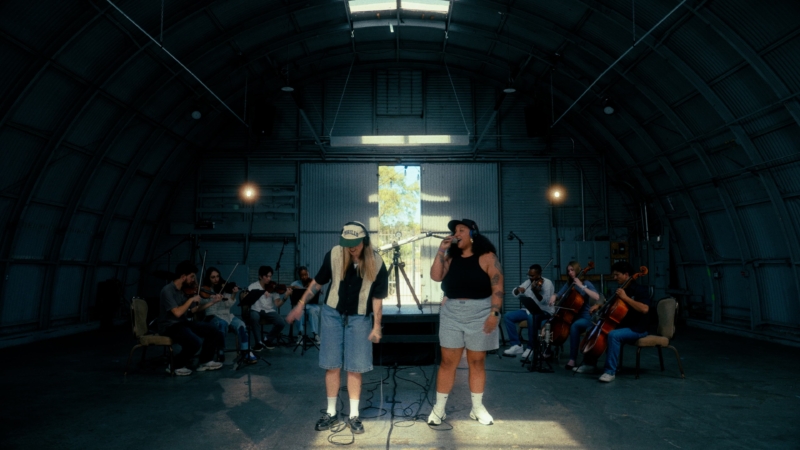
The "Say That" Legacy and Its Orchestral Transformation
While the original "Say That" track’s specific artists are not explicitly named in the provided content, the act of transforming a "well-known composition" into an orchestral piece suggests a foundation in popular hip-hop or R&B. The original song likely possesses a compelling lyrical narrative and a strong melodic or rhythmic structure that lends itself to reinterpretation. The choice to focus on the "emotional depth" of modern hip-hop indicates that the original piece carries significant lyrical weight or a profound emotional resonance.
The orchestral arrangement, therefore, serves to underscore and amplify these existing qualities. The strings can introduce a mournful or triumphant tone, the brass can inject power and drama, and the woodwinds can add delicate textures and poignant melodies. This layering creates a richer tapestry of sound, allowing listeners to perceive the original song in an entirely new light. The "timeless-feeling performance" is a direct result of this thoughtful re-orchestration, which taps into the universal language of classical music to enhance the contemporary relevance of the hip-hop track.
Behind the Scenes: The Craft of Orchestral Arrangement
The process of translating a hip-hop track into an orchestral arrangement is a complex and intricate undertaking. It requires a deep understanding of both genres, as well as a keen ear for how different instrumental families can interact and complement each other. Shawn Law Yone Gilad’s role as violinist, string arranger, and producer is crucial here.
- String Arrangement: This is perhaps the most direct link to classical music. Gilad would have meticulously transcribed the melodic lines, basslines, and rhythmic figures of the original track and assigned them to different sections of the string ensemble (violins, violas, cellos, double basses). He would have considered how to create harmonies, counter-melodies, and rhythmic textures that enhance the original song’s mood and message. For instance, a melancholic passage might be emphasized with sustained, somber cello lines, while an energetic chorus could be propelled by rapid, staccato violin bowing.
- Production: As a producer, Gilad would also be responsible for the overall sonic landscape. This includes decisions about microphone placement, equalization, and mixing to ensure that the orchestral elements blend seamlessly with any remaining vocal or percussive elements from the original track (if they are present in the live session). The goal is to create a cohesive and balanced sound that honors both the hip-hop roots and the orchestral expansion.
- Instrumentation Choices: Beyond strings, a full orchestral arrangement might also incorporate brass (trumpets, trombones, French horns), woodwinds (flutes, clarinets, oboes, bassoons), and percussion. The strategic use of these instruments can add further color, depth, and impact. For example, a powerful horn fanfare could introduce a climactic moment, while a delicate flute solo might offer a moment of introspection.
The "cinematic scale" mentioned in the article is a direct consequence of these arrangement choices. Orchestral music has a long-standing association with film scores, and its ability to evoke grand emotions and sweeping vistas makes it an ideal partner for narrative-driven music.
The Impact on Listeners and the Music Industry
The success of Planetarium Sessions’ "Say That (Orchestral Version)" has several potential implications for both listeners and the broader music industry.
- Broadening Musical Palates: For listeners who may not be deeply familiar with orchestral music or who primarily consume hip-hop, this fusion offers an accessible entry point into a richer musical world. It demonstrates that these genres are not mutually exclusive but can, in fact, enhance each other. This can lead to a greater appreciation for both orchestral arrangements and the artistic depth of hip-hop.
- Reviving Interest in Orchestral Hip-Hop: By consistently producing high-quality orchestral hip-hop content, Planetarium Sessions can contribute to a resurgence of interest in this subgenre. This could encourage other artists, producers, and venues to explore similar collaborations, leading to a more diverse and innovative music scene.
- Elevating Live Performance Standards: The emphasis on musicianship and the live session format highlights the value of authentic, skill-based performances. In an age of digital manipulation, the raw talent and precision required for a successful orchestral performance can serve as a powerful counterpoint, reminding audiences of the artistry involved in creating music.
- New Avenues for Artists: For emerging hip-hop, R&B, and alternative artists, platforms like Planetarium Sessions can provide a unique opportunity to present their music in a completely new and impactful way. This can lead to expanded creative possibilities and broader audience reach.
- Economic Opportunities: The creation of such elaborate productions also generates economic opportunities for musicians, arrangers, sound engineers, and production crews, fostering a more robust ecosystem within the music industry.
Future Trajectory and Potential for Growth
The success of "Say That (Orchestral Version)" positions Planetarium Sessions as a significant player in the contemporary music landscape. Their commitment to innovation and artistic integrity suggests a promising future. Future endeavors could include:
- Collaborations with a Wider Range of Artists: Expanding their artist roster to include diverse voices from various subgenres of hip-hop, R&B, and alternative music.
- Original Compositions: Moving beyond reinterpreting existing tracks to commissioning and producing original orchestral hip-hop pieces.
- Live Concerts and Tours: Translating these successful studio sessions into larger-scale live performances, potentially collaborating with established orchestras.
- Educational Outreach: Developing programs to educate aspiring musicians about the possibilities of orchestral hip-hop and the techniques involved in its creation.
The journey of Planetarium Sessions, as exemplified by "Say That (Orchestral Version)," is a compelling narrative of artistic vision, meticulous craftsmanship, and a profound belief in the power of musical fusion. By boldly bridging the worlds of hip-hop and orchestral music, they are not only creating captivating performances but also shaping the future of musical expression. Their work serves as a powerful reminder that innovation often lies at the intersection of established traditions and contemporary creativity, proving that even well-trodden musical paths can lead to breathtaking new vistas when approached with imagination and a commitment to excellence. The enduring appeal of their approach suggests that orchestral hip-hop, far from being a relic of the past, is a vibrant and evolving art form with a bright future.