Mark & Suzann Farmer’s 1978 Private-Press Version of Fleetwood Mac’s "Dreams" Offers Raw Intimacy

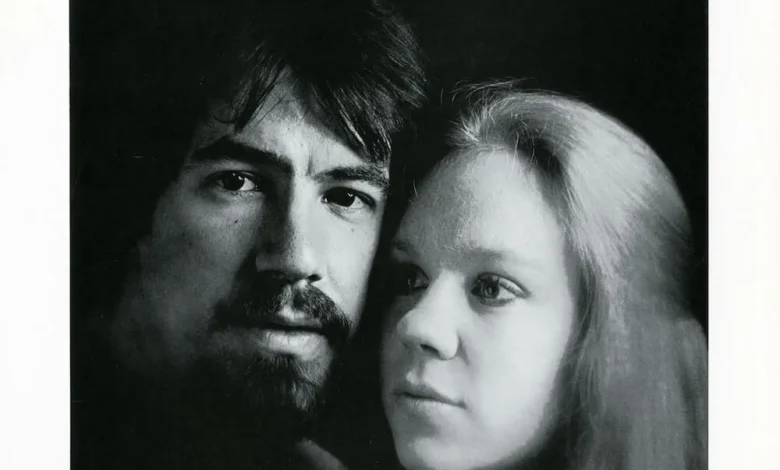
A singular, intensely personal rendition of Fleetwood Mac’s iconic 1977 hit "Dreams," recorded by Mark and Suzann Farmer on a rudimentary four-track machine in rural Washington just a year after the original’s seismic release, has resurfaced, offering a starkly different sonic landscape. This private-press version, a far cry from the polished grandeur of its multi-platinum predecessor, trades the California studio sheen for an intimate, almost spectral, after-hours feel. The recording, which has gained a cult following among collectors and enthusiasts of lo-fi and private press music, provides a compelling case study in artistic interpretation and the enduring power of a song across vastly different production environments.
The Genesis of an Unconventional Cover
The Mark & Suzann Farmer rendition of "Dreams" emerges from a period of prolific musical experimentation and a burgeoning independent music scene. While Fleetwood Mac’s "Rumours" was dominating global airwaves with its sophisticated production and star-studded lineup, the Farmers were operating in a vastly different sphere. Their decision to cover such a prominent contemporary hit on a limited, home-based setup speaks volumes about their artistic intent and their unique approach to music creation.
The original "Dreams," penned by Stevie Nicks, was a cornerstone of Fleetwood Mac’s "Rumours" album, released in February 1977. The album itself was a commercial juggernaut, achieving diamond status in the U.S. and selling over 40 million copies worldwide. Its success was fueled by a confluence of factors: the band’s complex interpersonal dynamics, which infused the lyrics with palpable emotional weight, and the meticulous production helmed by Fleetwood Mac themselves, alongside engineers Richard Dashut and Ken Caillat. The sound of "Rumours" was characterized by its rich vocal harmonies, intricate guitar work, and a polished, radio-friendly aesthetic that defined the era’s soft rock sound.
In contrast, the Mark & Suzann Farmer version, released in 1978, represents a deliberate departure from this sonic template. The choice of a four-track recorder, a common piece of equipment for aspiring musicians and home recordists at the time, immediately suggests a more intimate and less commercial approach. These machines, while capable of capturing sound, typically offered limited fidelity and fewer tracks for overdubbing compared to professional studio consoles. This technical constraint, however, often fostered a creative freedom and an unvarnished authenticity that professional studios could sometimes stifle. The "rural Washington" setting further conjures images of isolation and a focus on the creative process, away from the pressures and expectations of the music industry.
Sonic Dissection: A Four-Track Interpretation
The audible differences between the two versions are profound. Where the original "Dreams" glides with a smooth, almost ethereal quality, the Farmer’s rendition is grounded, immediate, and imbued with a palpable sense of raw emotion. The characteristic shuffling drum beat, a signature of Mick Fleetwood’s drumming on the original, is likely reimagined with a more rudimentary, perhaps even programmed or hand-percussion-driven, feel. The layered vocal harmonies, a hallmark of Fleetwood Mac, would have been significantly simplified, likely featuring Mark and Suzann’s voices in a more direct, unadorned interplay.
The instrumentation would also have undergone a radical transformation. The sophisticated Fender Rhodes piano and layered guitars that define the original are probably replaced by more direct, perhaps even acoustic, guitar strumming and a sparser keyboard presence. The "smoldering KOOL 100s" and "Chivas" in the original description paint a vivid picture of a late-night, personal listening experience. This suggests that the Farmers’ version may have captured a mood of introspection and perhaps a touch of melancholic contemplation, a stark contrast to the polished, often celebratory, feel of the original. The "after-hours intimacy" is not merely a descriptive phrase; it implies a recording session that felt less like a performance and more like a private communion with the song itself.
The Cult of Private Press and Independent Releases
The existence and eventual appreciation of the Mark & Suzann Farmer "Dreams" cover are deeply intertwined with the broader phenomenon of private press and independent music releases. In the pre-digital age, the ability to record and distribute music was largely democratized by advancements in recording technology and the availability of affordable pressing plants. This allowed countless musicians to bypass the traditional gatekeepers of the music industry – the major record labels – and release their work directly to the public.
The 1970s, in particular, saw a flourishing of this independent spirit. Artists often self-funded their recordings, pressing a limited number of vinyl LPs or cassette tapes, which they would then sell at local gigs, through mail order, or via independent record stores. These records, often characterized by their idiosyncratic artwork and raw sound quality, have since become highly sought-after by collectors and music historians. They represent a valuable archive of musical creativity that might otherwise have been lost.
The Mark & Suzann Farmer release fits squarely within this tradition. Their decision to press their version of "Dreams" on their own label, likely in very small quantities, underscores their commitment to controlling their artistic output. While the commercial success of Fleetwood Mac’s original was astronomical, the Farmers’ ambition was clearly different – to create a personal statement, a unique interpretation that resonated with them. The fact that their version is now being discussed and appreciated suggests a successful realization of that artistic goal, albeit on a far more niche scale.
The Role of Online Communities and Digital Archiving
The rediscovery and dissemination of such obscure recordings are often facilitated by the internet and online music communities. Websites and forums dedicated to private press, lo-fi, and rare vinyl have become vital hubs for enthusiasts to share information, trade records, and introduce forgotten gems to a wider audience. Platforms like Aquarium Drunkard, which initially highlighted the Farmers’ version, play a crucial role in this process. They act as digital archivists and curators, shining a light on music that might otherwise remain buried in obscurity.
The ability to digitally share these recordings, even if the original vinyl is scarce, allows for a new generation of listeners to discover and engage with them. This digital renaissance has transformed the landscape of music appreciation, moving beyond geographical limitations and the constraints of physical media. The re-emergence of the Mark & Suzann Farmer "Dreams" is a testament to this phenomenon, demonstrating that compelling music, regardless of its original production values or commercial trajectory, can still find its audience in the digital age.
Broader Implications: The Enduring Power of Interpretation
The Mark & Suzann Farmer’s "Dreams" cover serves as a powerful reminder of the multifaceted nature of musical interpretation. It highlights how a song’s essence can be translated and transformed through the lens of individual artistic vision and technological limitations. While the original "Rumours" version is celebrated for its polished perfection and commercial appeal, the Farmers’ rendition offers a different kind of value: raw honesty, personal expression, and a compelling alternative sonic experience.
This comparison also prompts reflection on the definition of "success" in the music industry. Fleetwood Mac achieved unparalleled commercial success with their "Dreams." However, the Mark & Suzann Farmers, by creating a deeply personal and unique interpretation, achieved a different kind of artistic success – one measured by its ability to evoke a specific mood, connect with listeners on an intimate level, and endure as a unique artifact of independent musical creation.
The continued interest in such private press recordings also underscores a growing appreciation for authenticity and the "human touch" in music. In an era often dominated by highly produced and algorithmically generated content, the unvarnished charm of a four-track recording can hold a unique appeal. It offers a glimpse into the creative process, the personal struggles and triumphs of the artist, and the sheer joy of making music for its own sake. The Mark & Suzann Farmer version of "Dreams" stands as a testament to this enduring spirit of independent artistry.
Related posts: