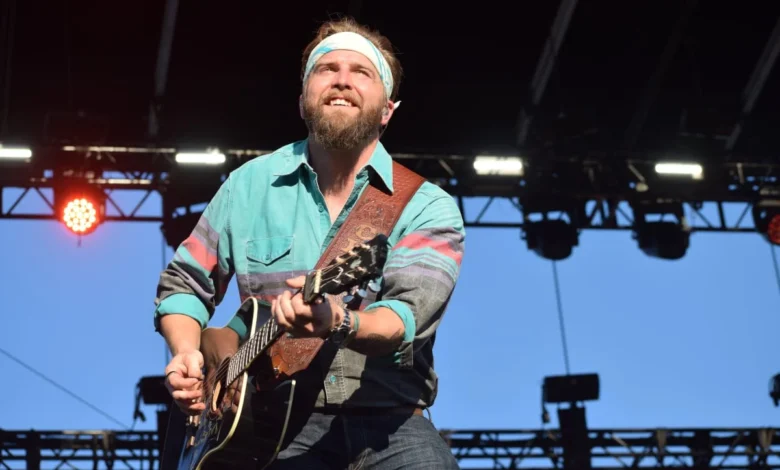
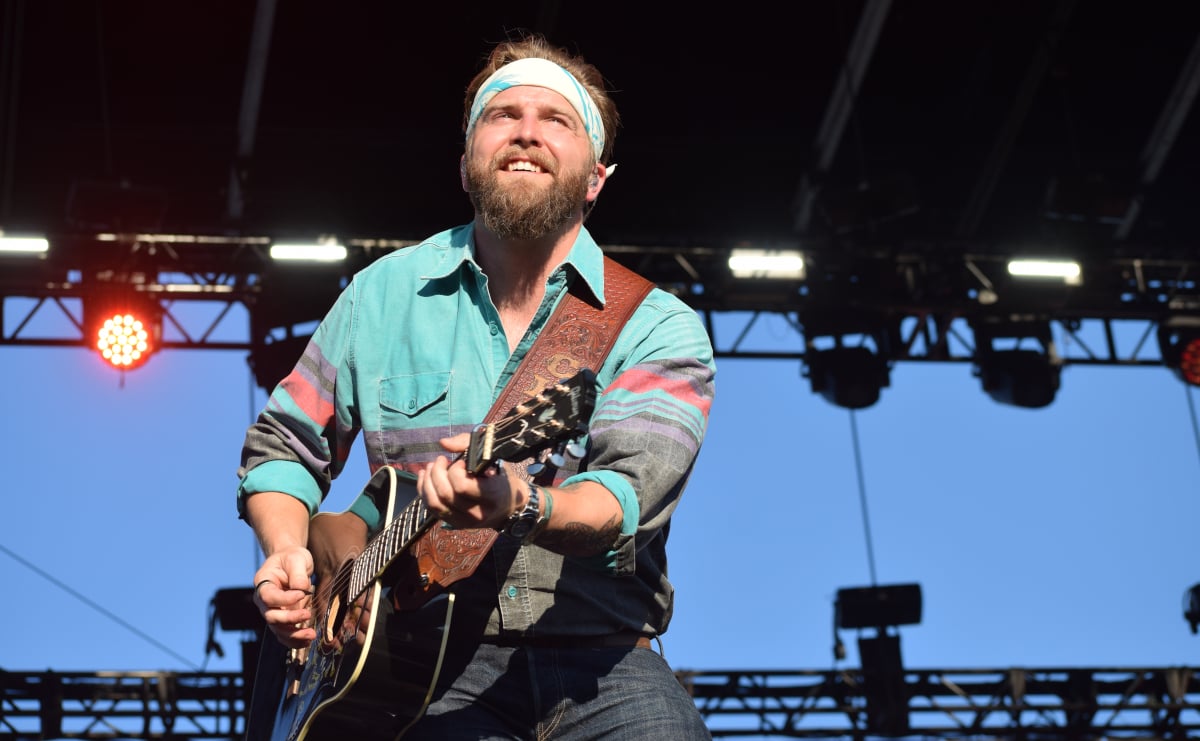
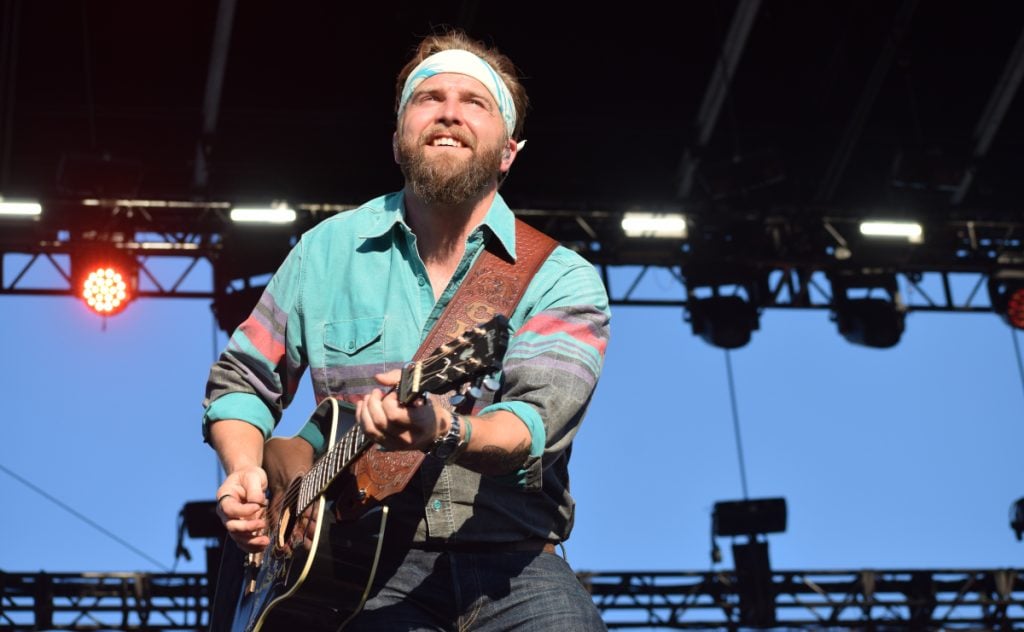
The landscape of contemporary country music is witnessing a significant shift toward thematic depth and spiritual introspection, a movement exemplified by the release of Charles Wesley Godwin’s fourth solo studio album, Christian Name. The project arrives as a profound exploration of personal faith, familial legacy, and the resilience of the human spirit following a period of intense personal tragedy. Godwin, a native of West Virginia whose career has been defined by his starkly honest portrayal of Appalachian life, utilizes this latest body of work to bridge the gap between traditional country narratives and a burgeoning subgenre often described as "Inspirational Country."
While the album is deeply rooted in Godwin’s Methodist upbringing and personal religiosity, industry analysts note that it avoids the traditional tropes of Contemporary Christian Music (CCM). Instead, Christian Name functions as a "lead by example" narrative, focusing on the application of faith through life’s most grueling trials rather than direct proselytization. The title itself serves as a dual homage: it references the traditional concept of a given name while specifically honoring Godwin’s grandfather, Charles Godwin, who served as a Methodist minister.
Biographical Context and the Catalyst of Grief
To understand the weight of Christian Name, one must look at the chronological events leading up to its production. Following the success of his 2023 album, Family Ties, which solidified his position as a premiere voice in the independent country scene, Godwin and his wife, Samantha, faced a devastating personal loss. The couple experienced the stillbirth of their third child, a son named Samuel.
In many artistic trajectories, such a profound loss might result in a work defined by skepticism or the abandonment of faith. However, for Godwin, the tragedy served as a steeled reinforcement of his spiritual convictions. This period of mourning and subsequent spiritual "re-dedication" forms the emotional spine of the record. Tracks such as "Hey There Son" and "Every Once In a While" are direct reflections of this experience, offering a window into the process of grieving through a lens of hope rather than despair.
A Shift in Collaborative Strategy
Historically, Godwin has been known for a more solitary approach to songwriting, often drawing from his own experiences in the hollers and hills of West Virginia. Christian Name marks a departure from this isolation, featuring a high-profile roster of co-writers that signals Godwin’s expanding influence within the Nashville and Americana circles.
The album includes contributions from some of the most respected pens in the industry, including:
- Lori McKenna: A multi-Grammy winner known for her work with Little Big Town and Tim McGraw.
- Liz Rose: A frequent collaborator of Taylor Swift and a Hall of Fame songwriter.
- Stephen Wilson Jr.: A rising star in the "Indie-Country" space known for his dark, cinematic lyricism.
- Travis Meadows and Tom Douglas: Veteran songwriters recognized for their ability to tackle heavy, redemptive themes.
This collaborative effort has resulted in a more polished, universal lyrical quality. While the songs remain tethered to Godwin’s specific life events, the broader perspectives provided by these seasoned writers allow the themes of fatherhood, ancestral duty, and spiritual awakening to resonate with a wider audience.
Musical Composition and Production Analysis
Produced by Godwin’s long-time collaborator and guitarist Al Torrence, Christian Name is a sonically diverse project that defies easy categorization. While it maintains the Appalachian grit that defined previous works like Seneca (2019) and How the Mighty Fall (2021), it incorporates elements of Americana, Heartland rock, and even experimental textures.
Torrence, who has been described by some critics as a "musical mad scientist" for his ability to blend traditional acoustic instrumentation with complex, almost Zappa-esque arrangements, pushes the boundaries of the genre in this release. The album is bookended by two powerful rock-oriented performances: "Try Again" and "Brand New." These tracks utilize country instrumentation—including mandolin, fiddle, and steel guitar—but arrange them with the driving energy of a stadium rock anthem.
Conversely, Godwin remains loyal to his roots with his backing band, the Allegheny High. Songs like "Place I Know" and "God’s Been Good to Me" feature the band in an acoustic-focused setting, highlighting the technical proficiency of the musicians and the raw, emotive power of Godwin’s vocal delivery. The juxtaposition of these high-energy rock compositions with stripped-back folk elements creates a dynamic listening experience that mirrors the highs and lows of the human condition.
The Luke Combs Collaboration and Market Implications
One of the most notable inclusions on the tracklist is the lead single, "Better That Way," which features country superstar Luke Combs. The partnership is a logical extension of the real-world friendship between the two artists; Combs has frequently praised Godwin’s work and invited him as a supporting act on major stadium tours.
From a strategic standpoint, "Better That Way" serves as the album’s primary bridge to mainstream radio and commercial playlists. While the rest of the album leans into the unconventional and the spiritual, this track adheres more closely to contemporary country structures. Analysts suggest that the inclusion of Combs provides Godwin with the necessary leverage to bring his more "inspirational" and independent-leaning material to a demographic that might otherwise overlook a record with such heavy religious undertones.
Defining "Inspirational Country"
The release of Christian Name has reignited discussions regarding the categorization of subgenres within the country music medium. On the "Country DDS" (Dewey Decimal System), a conceptual framework used by some music historians to classify the genre’s various branches, the album occupies a unique space between "Christian Country" (#530.5) and "Appalachian" (#519).
The distinction between "Inspirational Country" and "Gospel Music" is critical in this context. While Gospel is often intended for liturgical use or direct worship, Inspirational Country—as defined by Godwin’s latest work—focuses on the secular application of spiritual values. The album’s culminating track, "Brand New," serves as a prime example. The song depicts a moment of renewal that could be interpreted as a baptism, a spiritual awakening, or a rejuvenation through a romantic relationship. By maintaining this level of ambiguity, Godwin ensures that the music remains accessible to listeners across the spiritual spectrum, from the devout to the secular.
Chronology of Release and Public Reception
The rollout of Christian Name followed a carefully managed timeline designed to emphasize the album’s thematic depth:
- Announcement Phase: Godwin began hinting at a "faith-focused" project in early 2024, following his extensive tour schedule with Luke Combs and Zach Bryan.
- Lead Single Release: "Better That Way" (feat. Luke Combs) was released to digital platforms, quickly garnering millions of streams and introducing Godwin to a broader pop-country audience.
- Teaser Campaign: Godwin released short-form content detailing the influence of his grandfather and the significance of his West Virginia heritage.
- Full Album Launch: The album was released alongside a series of live performances characterized by their high-energy, "uplifting" atmosphere.
Initial reactions from critics have been largely positive, praising Godwin for his "unflinching honesty" and "compositional prowess." While some reviewers have noted that the religious focus may be polarizing in an increasingly secular market, many have countered that the album’s universal themes of family and resilience outweigh its specific denominational ties.
Broader Impact and Industry Implications
Charles Wesley Godwin’s Christian Name represents a growing trend of "authenticity" in country music, where artists are moving away from party-centric lyrics in favor of more substantial, often difficult, subject matter. Following in the footsteps of artists like Tyler Childers and The Red Clay Strays, Godwin is proving that there is a significant market for music that addresses the soul as much as the ears.
The album also highlights the continued relevance of the "Appalachian Sound"—a blend of bluegrass, folk, and country that emphasizes storytelling and regional identity. By centering his faith within this regional context, Godwin provides a modern update to the "Old-Time" music traditions where faith and daily life were inextricably linked.
Ultimately, Christian Name is a testament to Godwin’s standing in the industry. He has managed to produce a work that is both deeply personal and commercially viable, a feat that requires a delicate balance of artistic integrity and professional collaboration. Whether or not "Inspirational Country" becomes a formalized chart category, Godwin has established a high-water mark for the subgenre, demonstrating that faith-driven music can be as intellectually and musically rigorous as any other form of contemporary art.
As Godwin continues to tour in support of the album, the impact of his "lead by example" philosophy is expected to grow. In an era often defined by cynicism, the success of Christian Name suggests that audiences are increasingly hungry for music that offers a sense of purpose, a connection to ancestry, and a reason to believe in the possibility of being "Brand New."
Related posts: