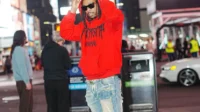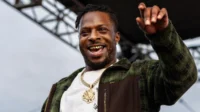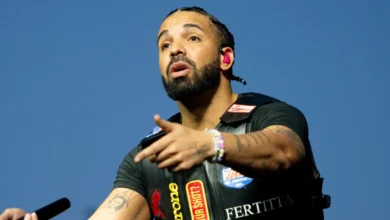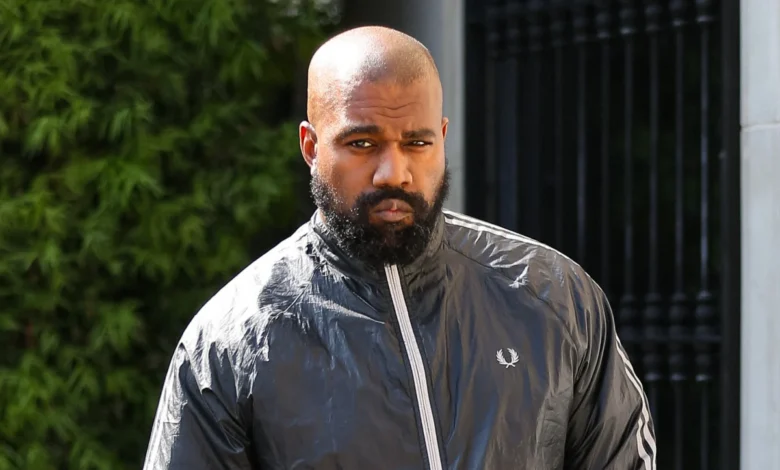
London’s prominent Wireless Festival has officially been canceled following a decision by the United Kingdom Home Office to deny entry to its sole headliner, American rapper and producer Kanye West. Organizers of the premier rap and R&B music festival released a formal statement confirming the cancellation, citing immigration restrictions that rendered the artist’s scheduled performances legally impossible. The development brings a swift and disruptive conclusion to weeks of mounting public controversy, corporate pullouts, and intense political debate regarding the controversial booking.
The announcement on Tuesday, April 7, sent shockwaves through the live entertainment industry, particularly given the advanced state of festival preparations. West had been slated to headline all three consecutive nights of the summer event, scheduled for July 10, 11, and 12. According to festival organizers, all ticket holders will receive an automatic, full refund processed through their original points of purchase.
Immigration Denial and Official Grounds
The immediate catalyst for the cancellation was the rejection of West’s travel application by the UK Home Office. Reports indicate that West submitted an application for entry on Monday, April 6, utilizing the Electronic Travel Authorisation (ETA) system. Following an expedited review, immigration authorities formally denied the request.
Under UK immigration law, the Home Office holds the authority to refuse entry to foreign nationals if their presence is deemed "not conducive to the public good." This discretionary power is frequently invoked in cases involving individuals whose past public statements, actions, or criminal records pose a risk to public order, community relations, or national security. In West’s case, immigration officials determined that his history of controversial commentary surpassed the threshold acceptable for entry, cementing the legal barrier that ultimately dismantled the festival schedule.
Corporate Boycotts and Political Pressure
The decision by the Home Office unfolded against a backdrop of escalating pressure from corporate sponsors, advocacy groups, and senior government figures. In the days leading up to the cancellation, the festival faced a mass exodus of major commercial backers. Prominent multinational brands, including Pepsi, PayPal, and Diageo, abruptly withdrew their financial sponsorship in protest of West’s inclusion on the lineup. The corporate retreat dealt a severe financial blow to the event’s viability.
Simultaneously, the booking drew direct condemnation from the highest levels of the British government. Prime Minister Sir Keir Starmer publicly addressed the situation, describing the decision to book West as "deeply concerning." Starmer’s remarks echoed the sentiments of numerous campaign groups, anti-hate organizations, and civil rights advocates who argued that providing a major platform to the artist—who has faced severe backlash for repeated antisemitic and pro-Nazi remarks in recent years—would embolden hate speech and cause psychological harm to marginalized communities within the UK.
Pre-Cancellation Defense and Public Appeals
Prior to the government’s intervention and the ultimate cancellation of the event, the festival’s management stood firmly behind the booking. Melvin Benn, managing director of Festival Republic, defended the decision to feature West as the exclusive headliner in a public statement.
Benn acknowledged the gravity of West’s past rhetoric, stating that what the artist had previously expressed regarding Jewish people and Adolf Hitler was "as abhorrent to me" as it was to the public. However, Benn argued a defense rooted in legal access and cultural consumption, noting that West’s music continued to be broadcast daily on commercial radio stations and streamed by millions across the UK without legal restriction. He asserted that the performance platform was intended strictly for the execution of commercially available music rather than the dissemination of personal ideologies.
Furthermore, Benn made an impassioned plea for cultural grace, suggesting that the modern landscape suffered from a deficit of forgiveness. "Forgiveness and giving people a second chance are becoming a lost virtue in this ever-increasing divisive world," Benn stated, urging critics to look past initial reactions of disgust and extend a measure of hope.
In an apparent eleventh-hour attempt to mitigate the backlash, West issued a personal statement addressing the controversy on Tuesday morning. The artist maintained that his sole objective was to "present a show of change" and utilize his platform to "bring unity, peace and love through my music." Additionally, West offered to engage directly with representatives of the British Jewish community, stating an intention to meet in person "to listen."
The Board of Deputies of British Jews issued a cautious response to the proposal. While expressing openness to dialogue as a component of personal accountability, the organization maintained a firm boundary regarding the concert itself, stating, "We are willing to meet Kanye West as part of his journey of healing, but only after he agrees not to play the Wireless Festival this year."
Contrasting Domestic Reception in the United States
The fierce regulatory and public backlash encountered in the United Kingdom contrasts sharply with West’s recent reception in his home country. In the United States, the rapper has continued to mount large-scale public appearances without facing comparable state-level bans or sponsor desertions of the same scale.
Most recently, West performed two back-to-back, sold-out concerts at SoFi Stadium in Los Angeles. The stadium performances were staged in support of his latest studio album, Bully, and featured an array of prominent guest artists, including Lauryn Hill, Travis Scott, and Don Toliver. While domestic audiences have similarly sparked intense debates and cultural criticism regarding his public conduct, regulatory authorities in the United States have not enacted travel or performance prohibitions akin to those enforced by the UK Home Office.
Broader Implications for International Touring and Live Music
The cancellation of Wireless Festival and the legal barring of Kanye West carry significant implications for the international touring industry, event promoters, and major artists alike. The episode establishes a high-profile precedent regarding the intersection of geopolitical borders, corporate social responsibility, and freedom of expression in live entertainment.
Event promoters globally are now forced to re-evaluate the risk profiles associated with booking polarizing artists whose public behavior can trigger immediate, large-scale sponsor defection and government intervention. For multinational corporations, the swift retreat from the festival demonstrates a hardening stance on brand safety, signaling that association with controversial figures carries unacceptable commercial liabilities. As governments increasingly utilize character-based immigration controls to regulate high-profile public figures, international touring schedules may face heightened scrutiny, fundamentally altering how global music events curate their headliners in an era of heightened socio-political awareness.