Amsterdam Dance Event terminates partnership with event organizers following controversial booking decision

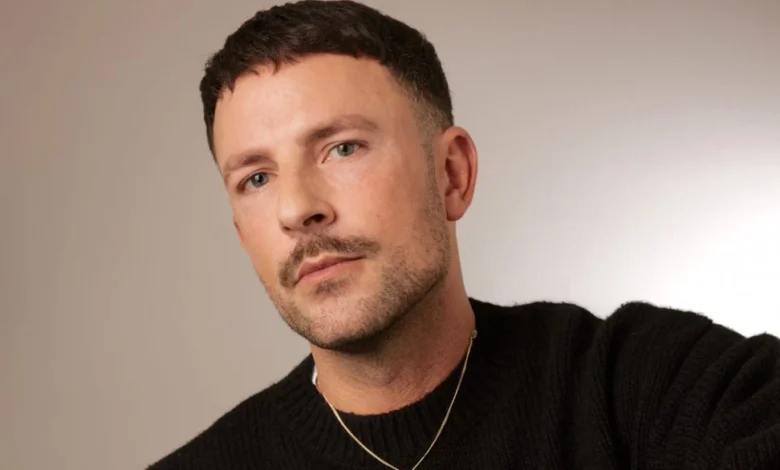
The Amsterdam Dance Event (ADE), widely considered the world’s most significant electronic music festival and conference, has formally terminated its partnership with event organizers Komplott and Overgave. This decision, announced in mid-October, follows a contentious sequence of events surrounding a scheduled performance by French hard-techno DJ Shlømo (Shaun Baron-Carvais) at the Amsterdam-based Club Panama. The fallout underscores the growing pressure on music industry stakeholders to navigate the complex intersection of artistic booking, legal accountability, and the safeguarding of community values.
The conflict reached a breaking point on October 21, when the ADE organization officially stripped the Komplott and Overgave-promoted party of its status as an official festival event. This move was preceded by a public outcry and the subsequent withdrawal of several prominent artists from the event’s lineup, reflecting a broader shift in how the electronic music community addresses allegations of misconduct against high-profile performers.
Chronology of the Controversy
The origins of this dispute trace back to February, when a significant wave of public allegations—known colloquially as the "Hardtechno Callout"—emerged across social media and independent industry platforms. These allegations targeted various figures within the hard-techno scene, with Shlømo being one of the most prominent names mentioned. At the time, the discourse remained largely within the digital sphere, creating a period of instability for bookings and festival appearances.
By June, the situation escalated from social media discourse to formal legal proceedings. A complainant, supported by the advocacy organization METOODJS, filed a criminal complaint with the Paris public prosecutor’s office. The allegations brought against Baron-Carvais are severe, including charges of rape, psychological violence, and the issuance of death threats. Following the filing, reports from the Dutch newspaper Het Parool confirmed that a criminal investigation into the matter had been initiated.
Despite these developments, the organizers Komplott and Overgave initially maintained their commitment to the booking of Shlømo for their ADE-affiliated event. This decision triggered an immediate backlash from the community, leading several scheduled acts—most notably Xamuel and Within—to publicly announce their withdrawal from the event. The organizers’ persistence in the face of these withdrawals created a misalignment between the event’s operational stance and the stated ethical framework of the Amsterdam Dance Event.
The Stance of the Amsterdam Dance Event
The Amsterdam Dance Event functions as an industry nexus, representing thousands of artists, promoters, and label executives annually. As an organization, it maintains a set of "Code of Conduct" guidelines that emphasize safety, inclusivity, and professional integrity. When the partnership was officially dissolved, the ADE organization issued a statement noting that the stance maintained by Komplott and Overgave regarding the booking was in direct conflict with the values the festival upholds.
The termination of the partnership meant that the event could no longer utilize the ADE brand, logo, or promotional infrastructure, effectively isolating the organizers from the festival’s massive global marketing reach. Shortly after the ADE withdrew its support, Komplott and Overgave announced the total cancellation of the October 21 event.
The Legal Framework and the Presumption of Innocence
It is a fundamental principle of international law, including the legal systems of France and the Netherlands, that an individual is presumed innocent until proven guilty in a court of law. Shaun Baron-Carvais has consistently denied all allegations brought against him, characterizing the accusations as a coordinated smear campaign intended to destroy his career.
In the context of the electronic music industry, this creates a profound dilemma for promoters and festival organizers. On one hand, there is the legal requirement to respect the presumption of innocence; on the other, there is a mounting industry-wide expectation that organizers must prioritize the safety and comfort of their audience and the artists they employ. The "Hardtechno Callout" represents a shift where the court of public opinion has begun to exert significant influence on booking decisions, even when legal proceedings are ongoing and have not yet reached a verdict.
Broader Implications for the Electronic Music Industry
The cancellation of the Panama event is part of a larger trend of accountability within the dance music sector. Historically, the industry has struggled with allegations of abuse, often sidelined by a culture of silence or the belief that "the music should come first." However, in recent years, the influence of organizations like METOODJS has shifted the paradigm.
Data suggests that festival organizers are becoming increasingly risk-averse regarding performers who are subject to serious criminal investigations. For a major event like ADE, which hosts over 2,500 artists and draws hundreds of thousands of visitors, the reputational risk of hosting a performer mired in sexual violence allegations is perceived as catastrophic. The event is a corporate entity that relies on government funding, sponsorships, and international partnerships; consequently, the organization must align its programming with contemporary social expectations regarding gender-based violence.
Furthermore, this incident highlights the precarious nature of international bookings. When a performer is booked in one jurisdiction (the Netherlands) while facing legal scrutiny in another (France), the logistics of navigating public relations and legal liability become exponentially more difficult. Promoters are now forced to conduct more rigorous "due diligence" processes, which go beyond checking a DJ’s ticket-selling capacity to investigating their ethical standing within the scene.
The Role of Advocacy and Community Policing
The role of groups like METOODJS in this timeline cannot be overstated. By providing legal and emotional support to complainants, these organizations have turned isolated incidents into collective movements. This collective pressure serves as a form of "community policing," where the participants in the scene—the fans, the other DJs, and the staff—demand higher standards of conduct.
The decision by artists like Xamuel and Within to pull out of the show acts as a powerful lever. When artists refuse to share a stage with someone under investigation, they force promoters into a binary choice: cancel the controversial act or lose the rest of the lineup. In this specific case, the promoters’ refusal to pivot led to the total loss of the event, demonstrating that in the current climate, artistic solidarity is becoming a major factor in the operational viability of electronic music shows.
Future Outlook and Industry Standards
The fallout from the Shlømo booking case will likely serve as a case study for festival organizers globally. As the industry moves forward, it is anticipated that standard booking contracts will be updated to include more robust clauses regarding misconduct, criminal investigations, and the right of promoters to terminate agreements if an artist’s presence is deemed detrimental to the event’s safety or reputation.
While the legal process in France continues to unfold, the industry’s reaction highlights a clear departure from the past. The electronic music community is no longer content to wait for the conclusion of lengthy, complex legal trials before addressing the presence of accused individuals at public events. Instead, organizers are increasingly choosing to mitigate risk by distancing themselves from individuals facing serious allegations, effectively prioritizing the collective safety of the scene over the individual artist’s right to perform at their event.
As the dust settles on the canceled Panama party, the questions raised by this incident remain: How can the industry balance the rights of the accused with the demands of an increasingly socially conscious audience? How can festivals create consistent, global standards for conduct? And, ultimately, how will these shifts impact the future of the hard-techno scene, which has been at the epicenter of this recent wave of accountability?
For now, the termination of the ADE partnership serves as a definitive signal that the industry is in a period of transition, where the values of the community are increasingly dictating the professional environment, and where the reputation of an event is inseparable from the character of those it chooses to platform.
Related posts: