Adam Wiltzie talks about his posthumous collaboration with Jóhann Jóhannsson

A Chronology of Collaboration
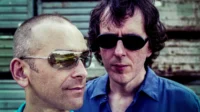
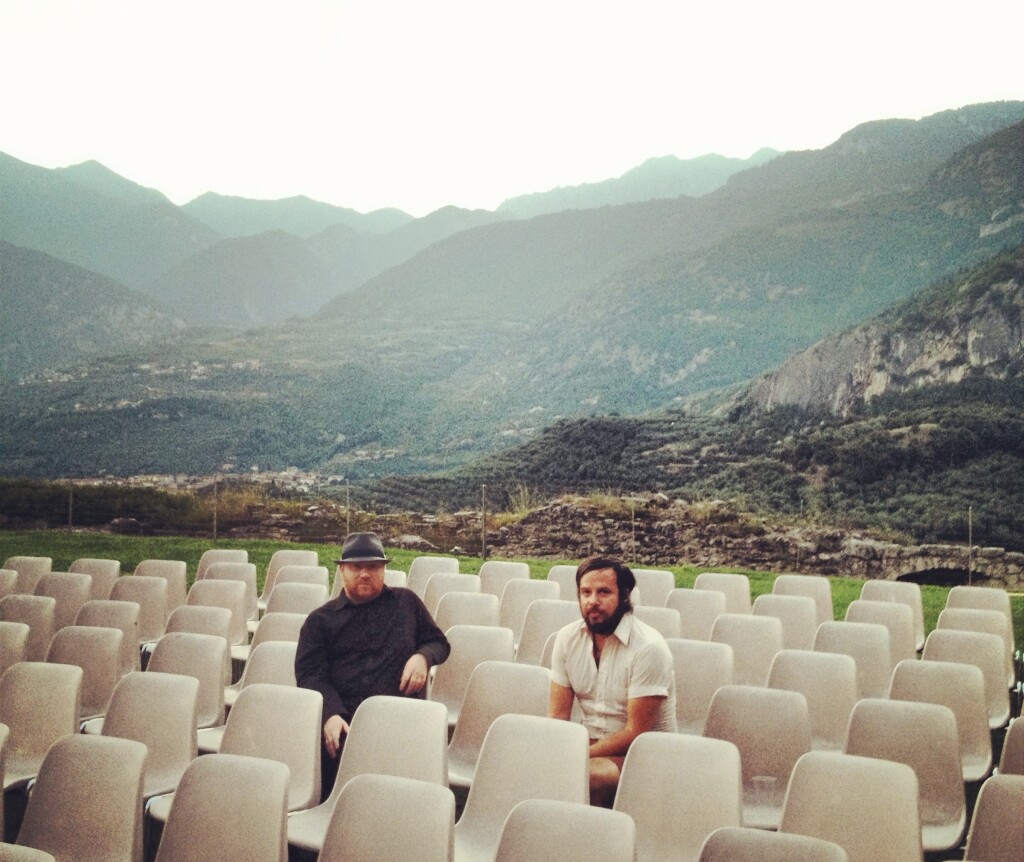
The genesis of Friendship Survival Guide traces back to the early 2010s, a period defined by the rapid rise of Jóhann Jóhannsson’s film scoring career and Adam Wiltzie’s established influence through Stars of the Lid and A Winged Victory for the Sullen. The two musicians met at a merchandise table during a Stars of the Lid performance, discovering a shared cultural lineage and creative sensibility despite their different backgrounds.
By 2013, this acquaintance had matured into a professional partnership. Wiltzie was brought on as a collaborator for the score of the Stephen Hawking biopic, The Theory of Everything, and subsequently worked on the soundscapes for Denis Villeneuve’s Arrival. During these sessions, the two began developing a private archive of material that existed outside the rigid requirements of film production. According to Wiltzie, these rejected cues and ambient "beds" formed the foundational DNA of the current album. Following Jóhannsson’s sudden passing in 2018, the responsibility of synthesizing these fragments fell to Wiltzie, who spent years curating and processing the material with engineer Francesco Donadello and the late, legendary producer Steve Albini.
Technical Architecture and the Physicality of Tape
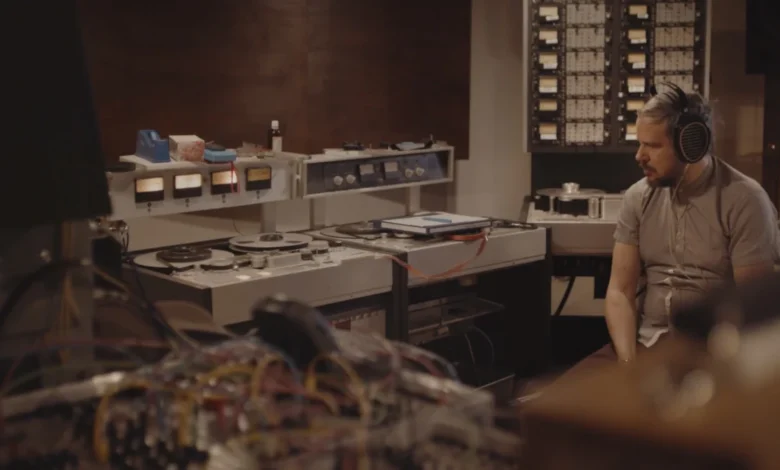
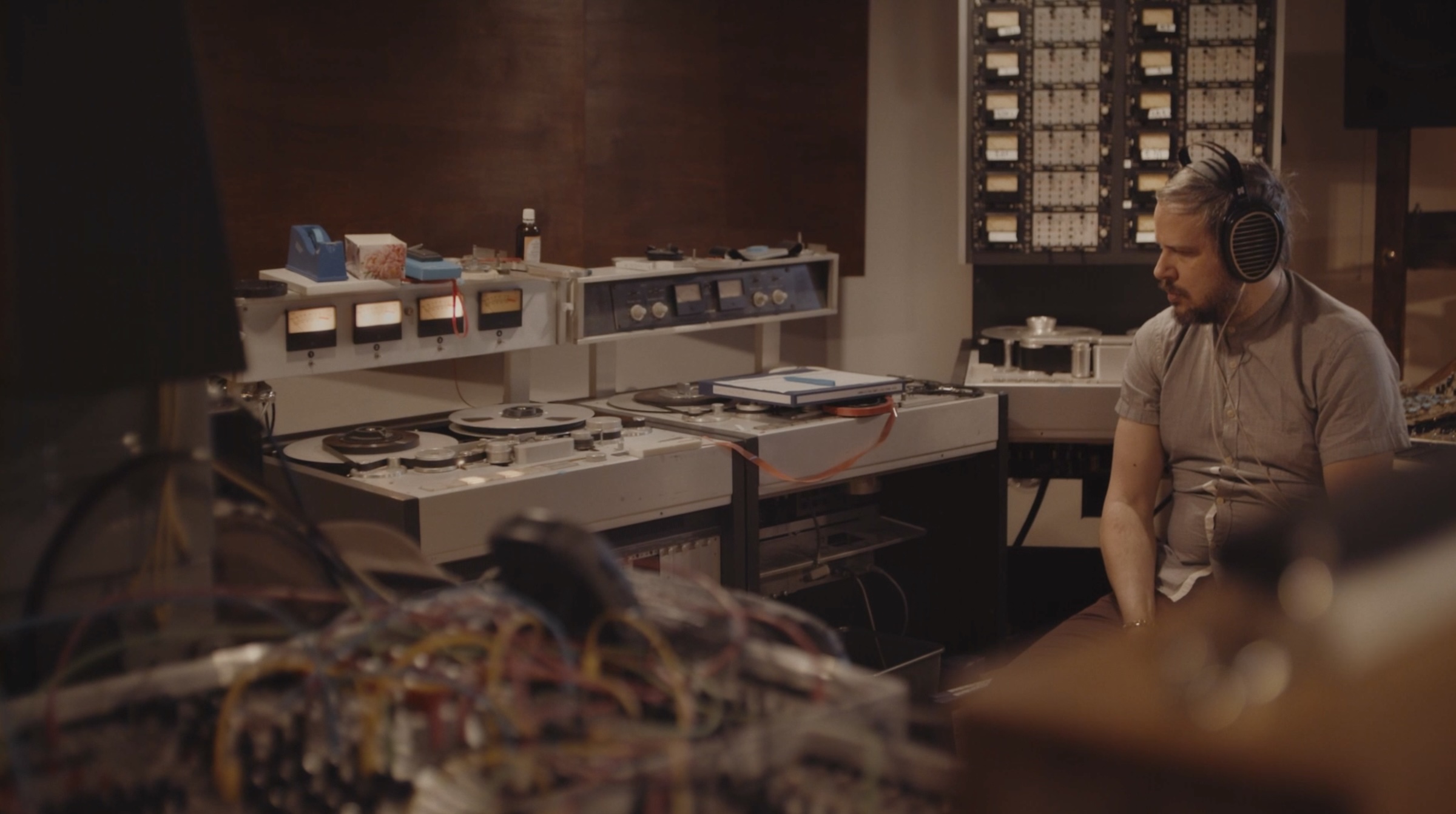
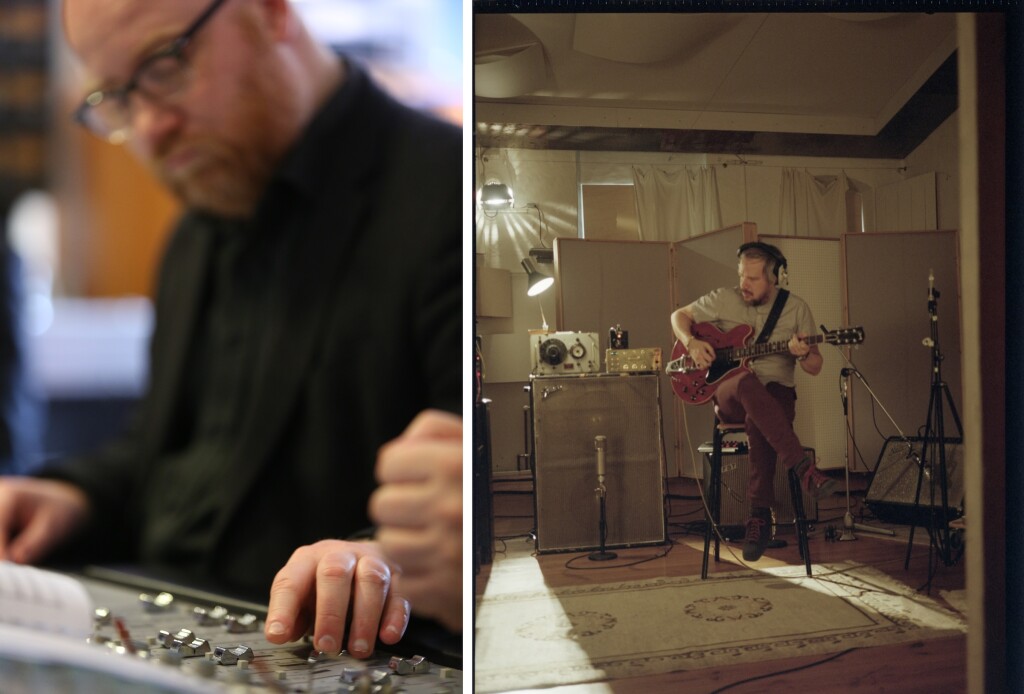
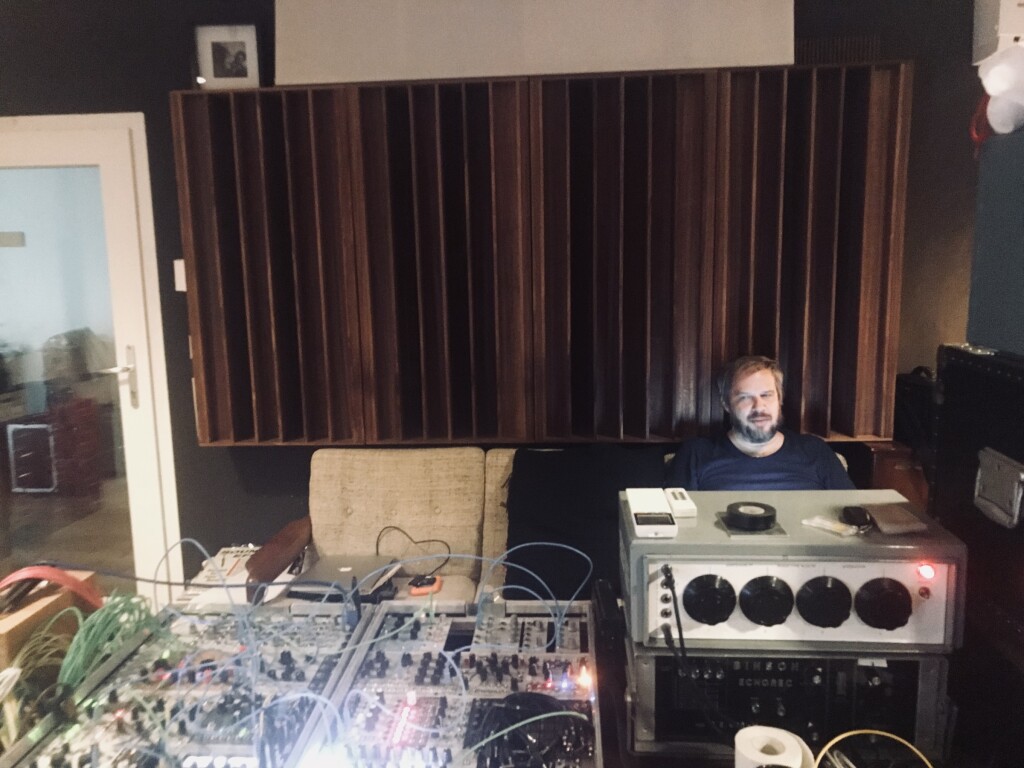
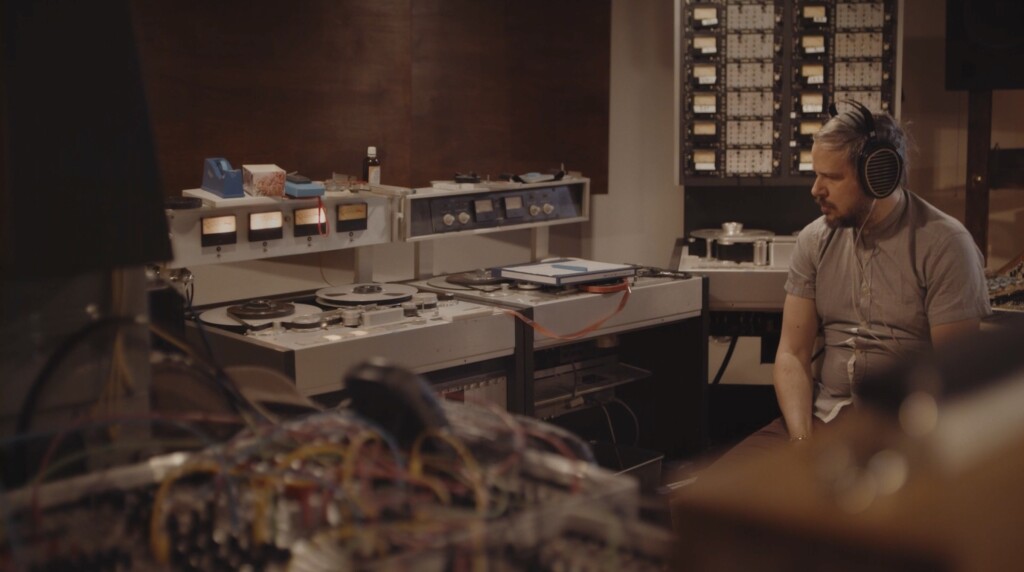
At the heart of the album’s sound is a rigorous commitment to analog methodology. The production process relied heavily on physical tape loops—a medium that demands a tactile, almost ritualistic engagement with sound. Wiltzie notes that the act of creating a loop is an exercise in managing physical mass, a process he likens to traveling backward in time.
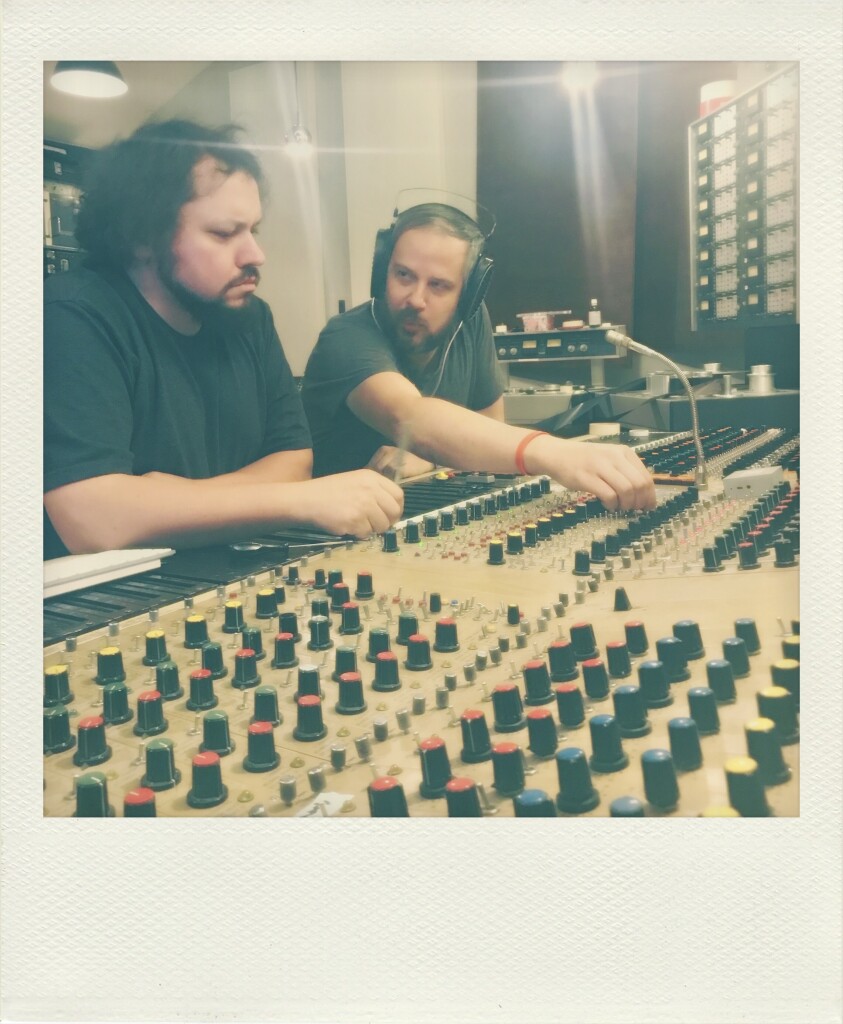
The technical workflow involved running recordings through Jóhannsson’s original Revox tape machines. These were then processed by Francesco Donadello using a 16-track, 2-inch tape system. The resulting sound objects were further subjected to the distinct sonic treatment of Steve Albini at his Chicago studio, Electrical Audio, shortly before the producer’s own passing. This multi-generational chain of hardware—from the initial magnetic tape to the final mastering—infuses the album with a warmth and sonic instability that digital production methods struggle to replicate. The result is an intentional ambiguity; listeners are often unable to distinguish between guitar, orchestral strings, or manipulated vocal samples, a hallmark of both artists’ dedication to mystery.
The Ecosystem of the Berlin Scene
The production of Friendship Survival Guide is inextricably linked to the geography of Berlin’s creative hub, Kreuzberg. In the mid-2010s, the Oranienstraße neighborhood became a nexus for contemporary composers. The studios occupied by Jóhannsson, Hildur Guðnadóttir, and Dustin O’Halloran fostered a collaborative environment where cross-pollination was the norm.
Hildur Guðnadóttir, an Academy Award-winning composer in her own right, contributed vocal textures to the project, which were slowed and manipulated to create the haunting, ethereal layers heard throughout the tracks. The inclusion of Tim Hecker on the piece "Exceptional Proportions" further highlights the communal nature of the project. By integrating Hecker’s distinct processing techniques with the original recordings, Wiltzie successfully transformed a standalone fragment into a cohesive, long-form composition. This approach demonstrates a shift from traditional archival work toward a form of "living composition," where the past is not merely preserved but actively expanded upon.
Thematic Significance and Personal Impact
While the album carries the weight of grief, it avoids the tropes of a traditional mourning record. Instead, it emphasizes the fragility of human connection and the "microcosmos" of creative intimacy. Wiltzie describes the process of returning to these tapes as a cathartic experience that allowed him to reconnect with his friend in a space where time feels suspended.
For the listener, this narrative is carried through track titles and the sonic arc of the album. The music possesses a narrative quality, moving between cosmic, expansive drones and intimate, fragile melodies. This is reinforced by the accompanying three-part short film directed by Belgian filmmaker Jonas Govaerts, which provides a visual counterpart to the album’s emotional landscape. The film stars Wiltzie alongside actor Jeroen Percevall, acting as a bridge between the private reality of the studio and the public reception of the work.
Implications for Posthumous Artistry
The release of Friendship Survival Guide raises important questions about the ethics and methodology of posthumous releases. In an era where digital archives often lead to the exploitation of an artist’s likeness or unfinished work, this project stands out for its transparency and personal oversight. By involving a close circle of collaborators who understood the composer’s intent, the project avoids the commercialized "AI-reconstruction" trend, opting instead for a human-led restoration of legacy.
Industry analysts note that such projects occupy a critical space in contemporary music, providing closure for the artist’s inner circle while offering fans a final, authentic chapter in the creator’s narrative. The success of this release hinges on the fact that the material was always intended to be a collaborative record, rather than a collection of B-sides or demos.
Future Trajectory for Wiltzie
For Adam Wiltzie, the conclusion of this project marks a period of transition. Having relocated to the rural forests of Flanders during the global lockdowns, he has adopted a more isolated, deliberate approach to his own composition. The technical proficiency he gained through the years of work on this album has allowed him to streamline his creative process, moving away from the "squalor" of his early, resource-scarce recording days toward a more integrated, high-fidelity studio environment.
As he prepares for upcoming touring commitments in North America and the completion of new work for A Winged Victory for the Sullen, the impact of his time with Jóhannsson remains a central, driving force. The album, which is now available via Deutsche Grammophon, represents a rare instance where the "survival guide" is not found in the music itself, but in the enduring act of creation that persists even after the silence sets in. By treating the archive as a partner rather than a relic, Wiltzie has ensured that the creative conversation with Jóhann Jóhannsson remains, for at least forty minutes at a time, very much alive.