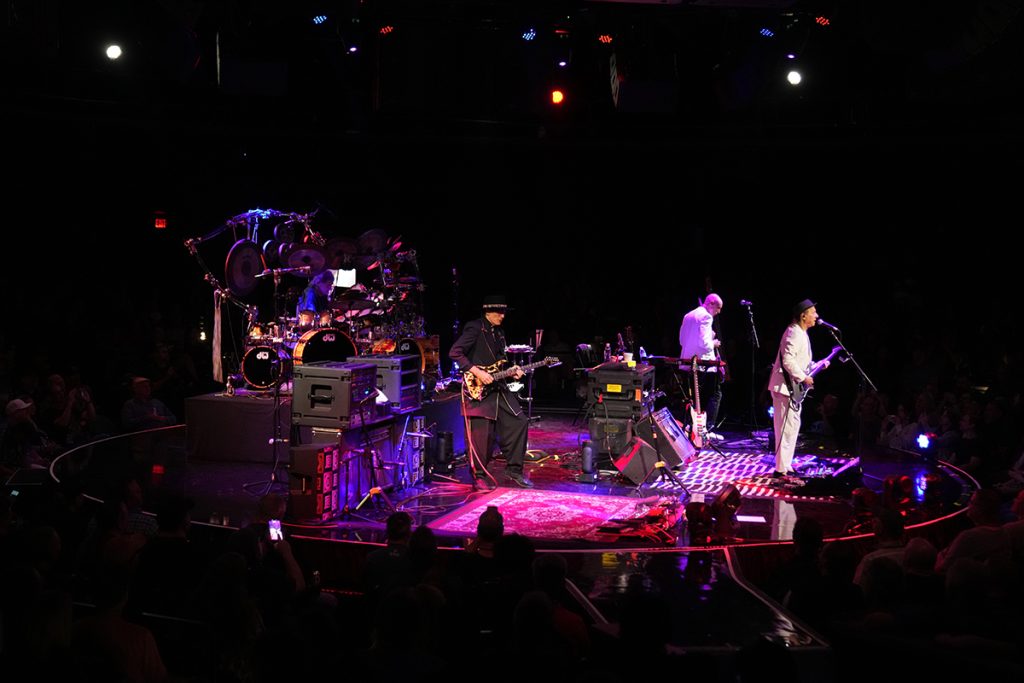
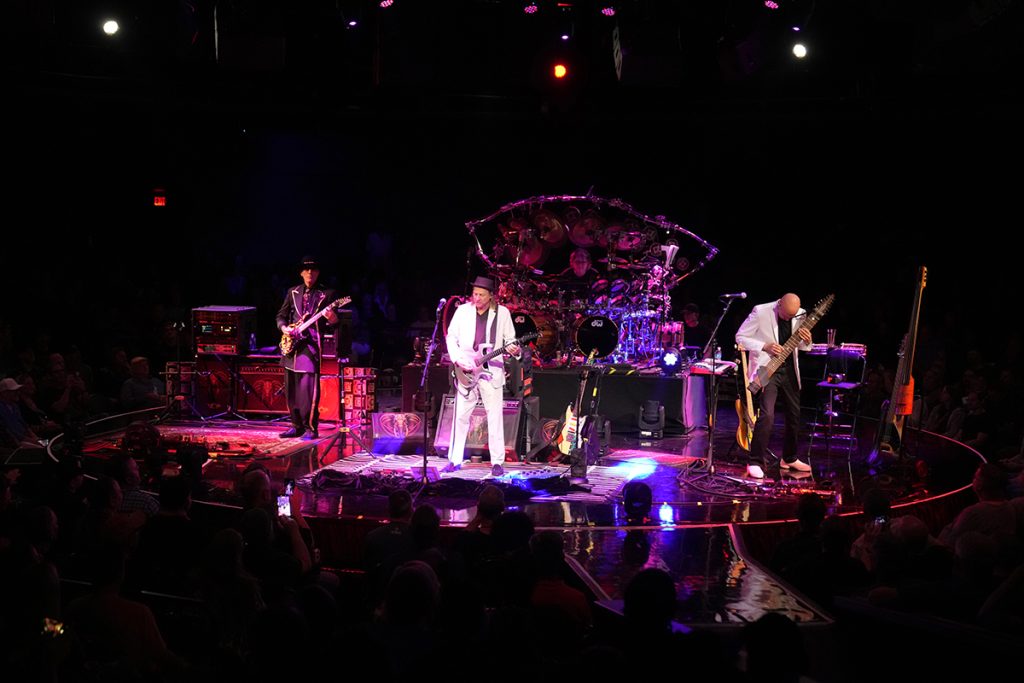
The musical landscape of progressive rock witnessed a significant revival this week as the ensemble known as BEAT brought their highly anticipated tour to the iconic circle-in-the-round stage of the Celebrity Theatre in Phoenix, Arizona. Comprising former King Crimson members Adrian Belew and Tony Levin, alongside guitar virtuoso Steve Vai and percussion legend Terry Bozzio, the quartet delivered a meticulously curated performance that breathed new life into the storied catalog of 1980s-era King Crimson. The sold-out engagement served as both a testament to the enduring complexity of the source material and a demonstration of the technical prowess possessed by its current interpreters.
The Genesis of a Supergroup
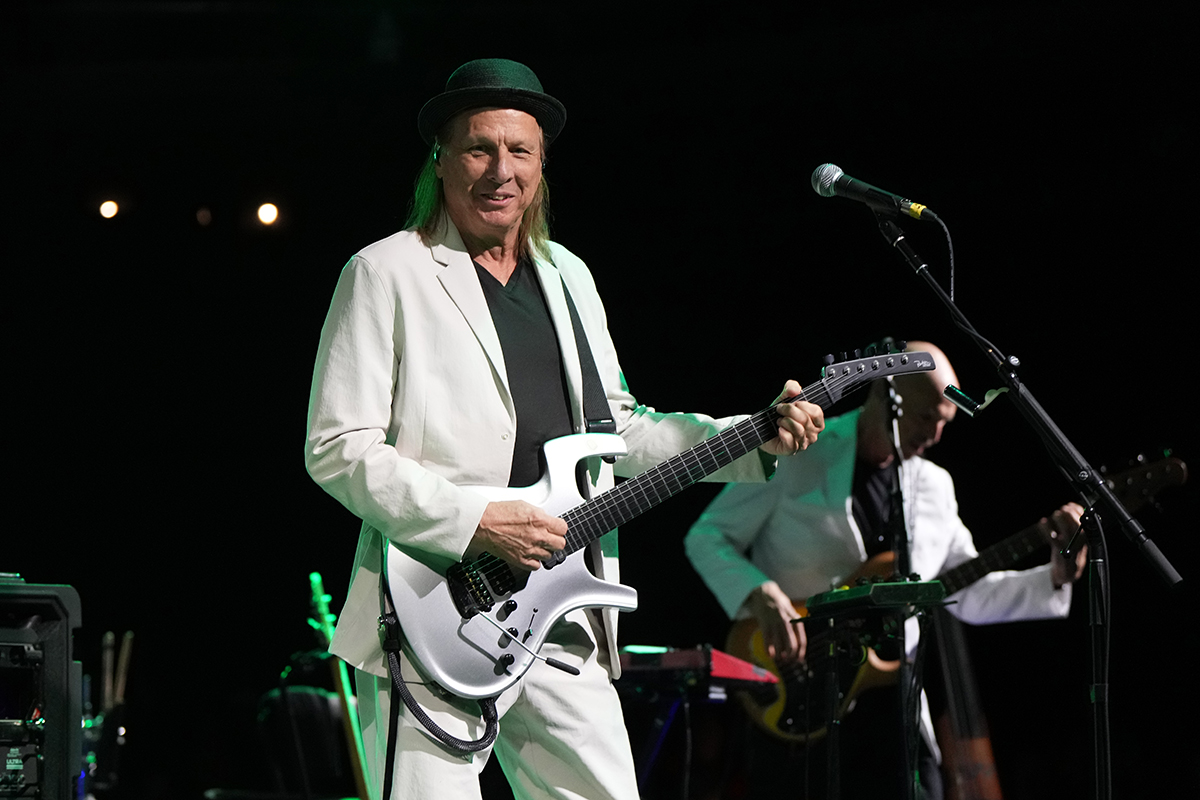
The formation of BEAT marks a pivotal moment in the lineage of progressive rock. Adrian Belew, who served as the frontman and primary songwriter for King Crimson during their influential "new wave" period in the early 1980s, initiated the project with a desire to revisit and contemporize the material from the albums Discipline, Beat, and Three of a Perfect Pair. By recruiting Tony Levin—the bassist who defined the rhythmic foundation of that era with his use of the Chapman Stick and upright bass—Belew ensured a direct lineage to the original recordings.
The addition of Steve Vai and Terry Bozzio elevated the project from a mere tribute to a sophisticated reimagining. Vai, renowned for his technical virtuosity and tenure with Frank Zappa, brings a fresh harmonic sensibility to Belew’s intricate guitar arrangements. Bozzio, perhaps best known for his work with Zappa and Missing Persons, provides a percussive architecture that is both physically imposing and rhythmically precise. This confluence of talent has allowed BEAT to navigate the challenging time signatures and polyrhythmic textures that are synonymous with the King Crimson discography.
Chronology of the Performance
The evening at the Celebrity Theatre was structured into two distinct sets, totaling approximately two and a half hours of performance. The concert began with "Dinosaur," a track that established the group’s intention to balance aggressive, distorted textures with the melodic nuance inherent in Belew’s compositions. The first set progressed through pivotal tracks such as "Neurotica" and "Neal and Jack and Me," highlighting the band’s ability to maintain tight, interlocking guitar patterns that are notoriously difficult to execute.
As the performance moved into "Larks’ Tongues in Aspic," the ensemble demonstrated the breadth of their technical capacity. The second set featured a transition into more atmospheric pieces, including "The Sheltering Sky" and "Matte Kudasai," before building toward the frenetic energy of "Elephant Talk" and "Indiscipline." The inclusion of the Frank Zappa cover, "City of Tiny Lites," provided a nod to the shared history of the musicians, many of whom cut their teeth in the orbit of Zappa’s experimental rock laboratory. The show concluded with "Thela Hun Ginjeet," leaving the audience in a sustained ovation that underscored the cultural relevance of this material four decades after its inception.
Technical Analysis and Instrumental Craft
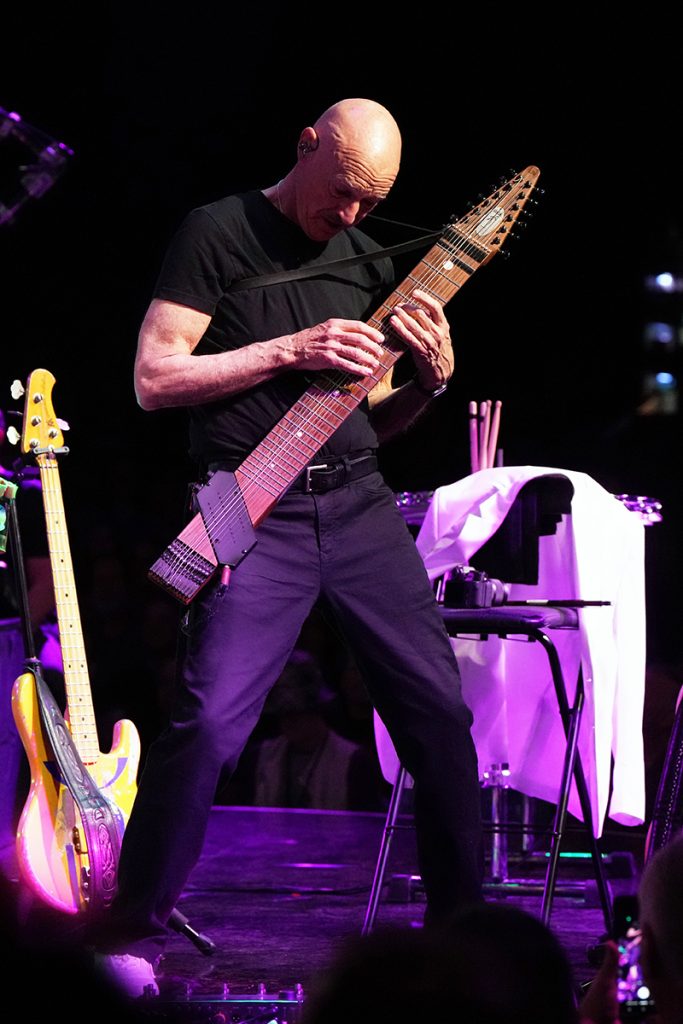
For the discerning listener, the technical aspects of the BEAT performance were as noteworthy as the compositions themselves. Tony Levin’s use of the Chapman Stick—a ten-or-twelve-stringed instrument that combines bass and melody—remains a focal point of the band’s sonic identity. His ability to oscillate between deep, driving bass lines and high-register leads provides the necessary glue for the guitarists’ experimentation.
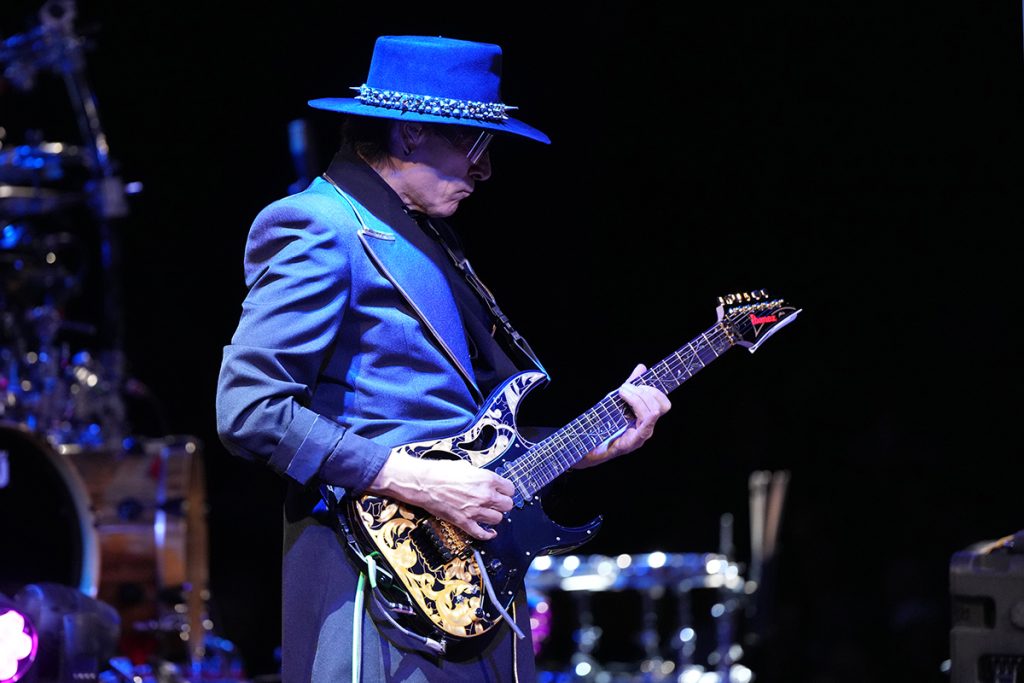
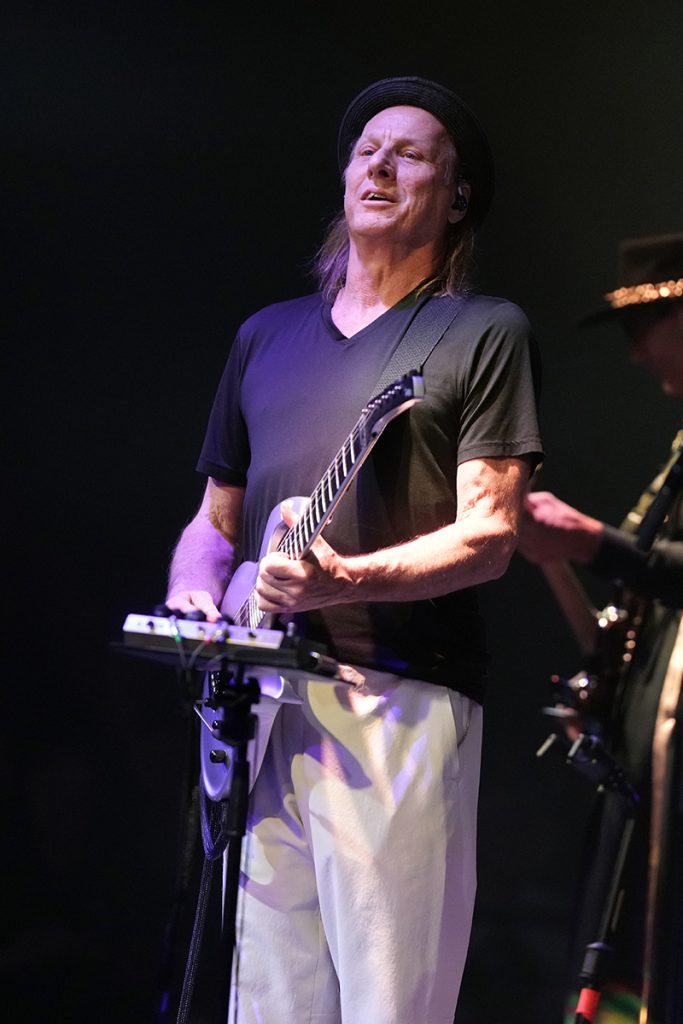
Steve Vai’s integration into the band’s sound was seamless. Eschewing the urge to simply mimic the original guitar parts, Vai utilized his signature tonal palette to enhance the existing structures, particularly during the more experimental improvisational segments. His synergy with Belew’s synth-guitar work created a layered, orchestral effect that felt both vintage and contemporary.
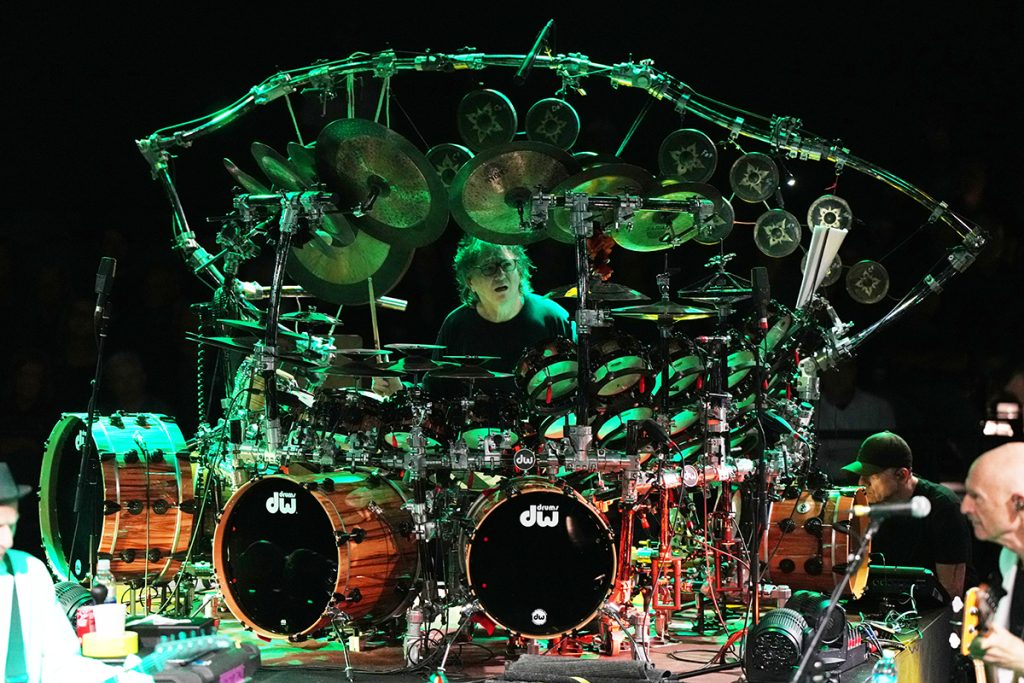
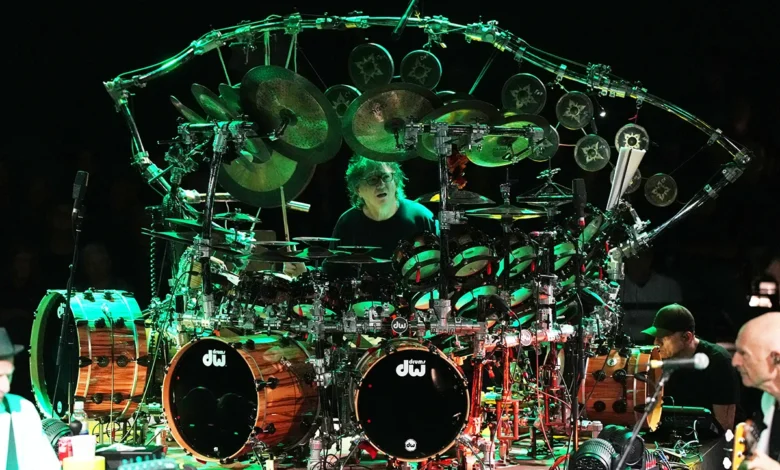
Terry Bozzio’s drum kit, a massive arrangement of custom cymbals, toms, and electronic triggers, acted as a laboratory of rhythm. Unlike traditional rock drumming, which often serves a purely time-keeping function, Bozzio’s approach is melodic and dense, treating each percussion piece as a distinct voice within the song’s broader narrative. The result was a soundscape that felt expansive, despite the stripped-back nature of a four-piece ensemble.
Broader Implications for Progressive Rock
The success of the current BEAT tour serves as a broader indicator of the market viability of progressive rock in the 21st century. Historically, the genre has struggled with the tension between preservation and evolution. By branding themselves as an active, reinterpretive entity rather than a "tribute" act, BEAT has successfully bypassed the typical pitfalls of legacy bands.
Industry analysts suggest that the demand for these shows highlights a generational shift. While the core demographic for King Crimson remains the audience that matured during the 1970s and 1980s, the presence of musicians like Steve Vai has attracted a new cohort of younger instrumentalists and music students interested in the technical rigor of the genre. This cross-generational appeal ensures that the complex compositions of the 1980s continue to influence contemporary music production and guitar pedagogy.
Furthermore, the tour acts as a cultural bridge. By keeping the music of King Crimson in the public sphere, BEAT prevents the dilution of a specific, high-water mark in rock history. The band’s commitment to the material’s original intent, while allowing for modern sonic upgrades, provides a model for how legacy artists can maintain artistic agency while engaging with their historical catalog.
Future Outlook and Industry Impact
As BEAT moves through its current tour cycle, the logistical success of their performances—characterized by high attendance and positive critical reception—may encourage other seminal bands to re-evaluate their own catalogs. The ability to assemble world-class musicians for the purpose of focused, era-specific performance is an increasingly viable business model in an era where traditional album sales have diminished in favor of live performance revenue.
The production value of the show, which included an elaborate lighting design that responded dynamically to the polyrhythmic shifts in the music, suggests that BEAT is positioning itself as a premium live act. The integration of visual and auditory elements has become a standard requirement for major touring acts, yet BEAT distinguishes itself by grounding these effects in highly demanding musical performances.
For fans of the genre, the persistence of these musicians is a point of significant appreciation. The fact that this is the second major tour by a version of this project in four years indicates a sustained, long-term commitment from the artists. It is a rare occurrence for musicians of this caliber to dedicate such a significant portion of their professional careers to the music of a single, albeit influential, band.
As the band continues its trek across North America, the discourse surrounding their performances remains focused on the "genius" of the arrangements and the technical mastery of the performers. The Phoenix show at the Celebrity Theatre serves as a definitive case study in how to honor a complex musical legacy without stagnation. With future dates already confirmed, the momentum generated by this tour suggests that the impact of BEAT will be felt in the progressive rock community well beyond the conclusion of their final performance. The enduring nature of the music, coupled with the virtuosity of its current stewards, confirms that the experimental spirit of the 1980s is not only alive but thriving.