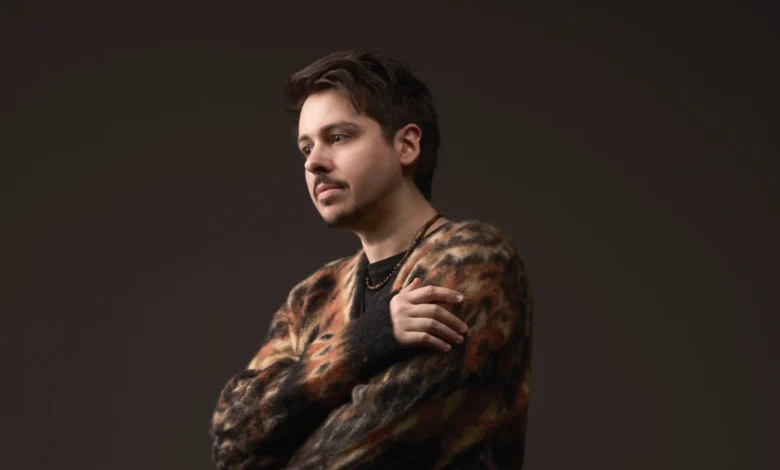
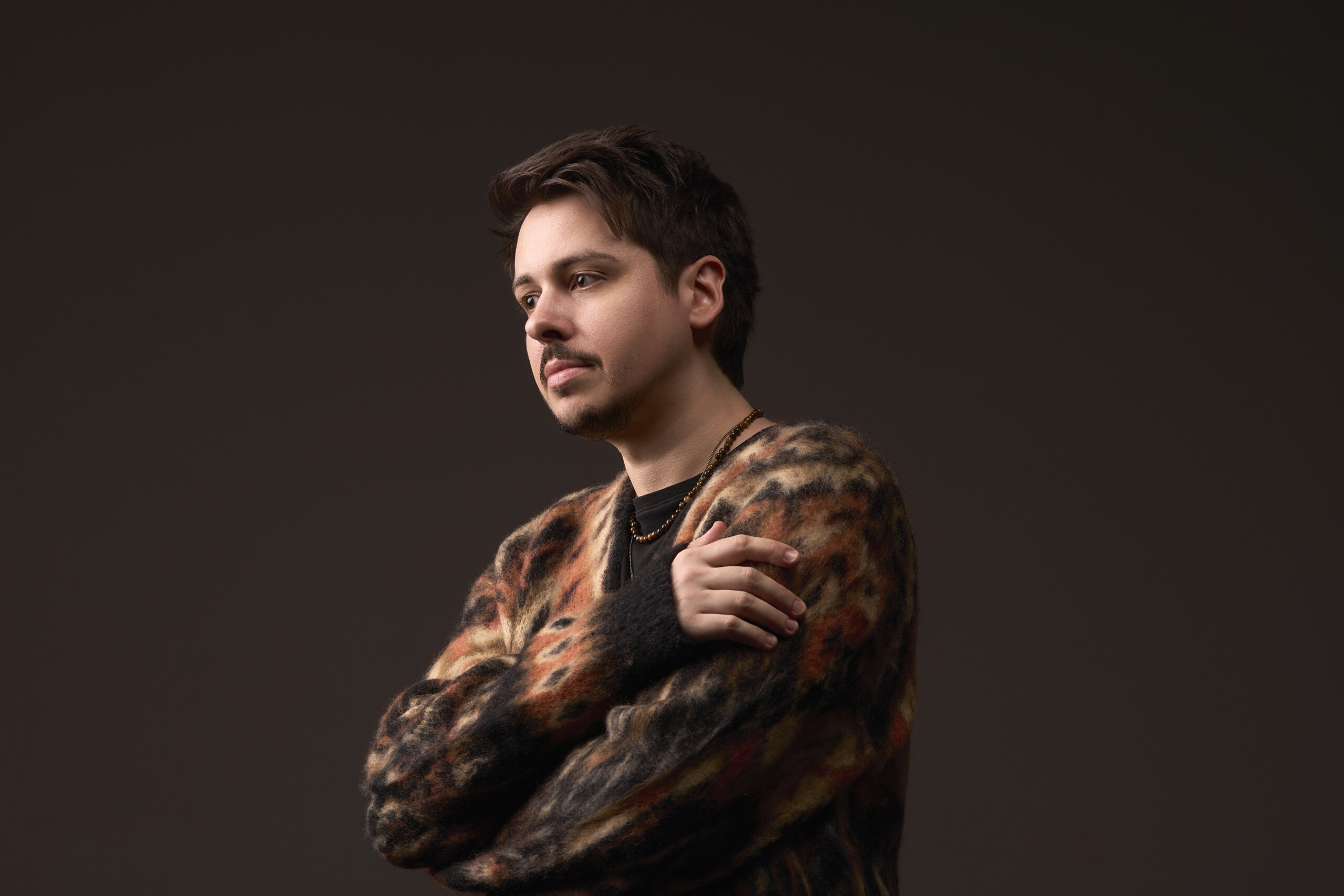
The transition of musician, producer, and composer Dan Webb from the cultural landscape of Melbourne, Australia, to the vibrant urban center of Singapore in 2023 serves as the primary catalyst for his latest musical endeavor, Lion Dance. This relocation was not merely a change in geography; it was an intersection of creative evolution and profound personal loss. As Webb settled into his new environment, he found himself deeply influenced by Taoist and Buddhist philosophies regarding the cycles of existence, specifically the concepts of death and rebirth. This thematic preoccupation was brought to the forefront of his creative process as he navigated the consecutive deaths of three family members while finalizing the production of his fifth studio album.
The Genesis of a Creative Vision
The creative direction of Lion Dance finds its roots in a specific, transformative moment in Da Nang, Vietnam. During his travels, Webb witnessed a traditional lion dance performance—a centuries-old cultural practice characterized by vigorous, rhythmic movement, percussive musical accompaniment, and high-energy visual pageantry. For Webb, the experience served as a spiritual touchstone, bridging the gap between his personal grief and the creative expression he sought to capture on record.
This inspiration is most palpable in the album’s tracks, which lean heavily into psychedelic fusion, a genre characterized by its willingness to blend traditional structures with experimental, often distorted sonic textures. The album functions as a follow-up to his 2023 project, Sunshine/Dialogue, which saw the artist exploring a more documentary-style approach by composing intricate musical landscapes to accompany interviews with various professional musicians. In contrast, Lion Dance represents a shift toward a more abstract, internal, and cathartic musical language.
Musical Architecture and Collaborations
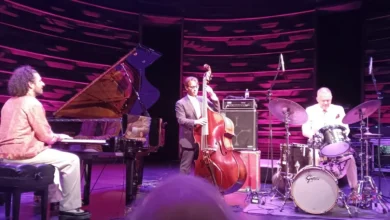
To realize the complex sonic palette of Lion Dance, Webb assembled an ensemble of world-class musicians. His approach to production involved the integration of diverse instrumental backgrounds, pulling from players who have recorded and toured with legendary acts including David Bowie, Snarky Puppy, and The Rolling Stones.
Among the standout tracks is "Hungry Ghosts," a composition that embodies the album’s central tension between vitality and absence. The track features the percussive expertise of Clive Deamer, whose history with artists such as Radiohead and Portishead lends a distinctive, funky rhythmic foundation to the piece. Keyboardist and synthesist Dennis Hamm contributes a dense layer of sonic architecture, creating an immersive, ethereal atmosphere that serves as a canvas for the instrumentalists. Bob Lanzetti, known for his work with Snarky Puppy, provides the guitar work, utilizing distorted, acid-etched lines that push the composition into experimental territory.
The track is notable for its unconventional structure; it reaches a point of high intensity before arriving at an abrupt, jarring conclusion. This finish, described as reminiscent of an accidental disconnection of power, serves as a deliberate aesthetic choice. It leaves the listener in a state of suspended animation, mirroring the titular "hungry ghosts"—spirits in Buddhist cosmology who are trapped in a cycle of craving and dissatisfaction.
Chronology of Development and Release
The timeline of Lion Dance reflects a period of intense activity and significant life events:
- Early 2023: Dan Webb relocates from Melbourne to Singapore, initiating a period of cultural immersion and personal reflection.
- Mid-2023: Release of Sunshine/Dialogue, a project focused on collaborative interviews and musical backdrops.
- Late 2023: Webb experiences the passing of three family members, a period that deeply informs the emotional subtext of his forthcoming work.
- 2024–2025: Sessions for Lion Dance are conducted, utilizing remote and in-person collaborations with international session musicians.
- 2026: Finalization and release of Lion Dance, marking the artist’s fifth major studio project.
Thematic Significance: Death and Rebirth
The influence of Taoist and Buddhist teachings on Webb’s creative process provides a lens through which the album can be analyzed. In many Eastern philosophical traditions, death is not considered a termination but a transition. This perspective allowed Webb to channel his personal bereavement into a process of rebirth—both for his own identity as a composer and for the music itself.
By integrating these philosophical tenets, the album moves beyond standard genre conventions. It addresses the universal experience of loss, not through somber or minimalist composition, but through a vibrant, sometimes chaotic exploration of sound. The "lion dance" is, after all, a ritual meant to bring good fortune and drive away evil spirits, making it an apt metaphor for an artist attempting to navigate the darkness of loss while seeking a new beginning.
Industry Context and Collaborative Dynamics
The decision to enlist high-profile musicians for a project of this nature highlights a growing trend in independent music production. By leveraging the expertise of session players with global pedigrees, independent artists are increasingly able to achieve a level of production polish and stylistic depth previously reserved for major-label releases.
The involvement of artists associated with groups like The Rolling Stones or Snarky Puppy provides a degree of credibility and technical assurance. For a project like Lion Dance, which requires a balance between precise rhythmic structure and loose, psychedelic improvisation, the experience of these players is essential. These musicians bring not only their technical facility but also a "language" of improvisation that allows Webb’s compositions to evolve dynamically during the recording process.
Broader Impact and Future Trajectory
While Lion Dance is a personal statement, it also serves as a case study in the globalization of musical influences. Webb’s relocation to Singapore and his inspiration from Vietnam demonstrate how contemporary composers are increasingly looking toward Southeast Asian cultural motifs to inform their work. This is not mere appropriation, but rather a reflection of the interconnected nature of the modern creative class.
The reception of the album within the jazz and fusion communities will likely be influenced by its willingness to subvert expectations. The abrupt endings, the fusion of Eastern cultural imagery with Western electronic and rock textures, and the high-caliber performances all suggest an artist who is comfortable operating on the fringes of genre definitions.
As for the future, the trajectory established by Sunshine/Dialogue and now confirmed by Lion Dance suggests that Webb is not an artist content with remaining within a single stylistic lane. His work is characterized by a "seek and find" methodology—he finds a narrative or a concept, such as the lion dance or the interview format, and builds a comprehensive sonic world around it. Whether his next project involves orchestral elements, further exploration of electronic fusion, or a return to documentary-style composition, it remains a point of interest for listeners who prioritize conceptual depth in their music.
Analytical Summary
The success of Lion Dance rests on its ability to weave together disparate threads: the grief of personal loss, the philosophy of rebirth, the traditions of East Asian performance, and the technical mastery of international session musicians. By grounding these high-concept ideas in the visceral reality of his own life, Webb has created a work that is both introspective and expansive.
From a production standpoint, the record stands out for its effective use of contrast. The vibrant, percussive energy of the title track’s inspiration is pitted against the darker, more melancholic undertones of the album’s thematic heart. This push-pull dynamic keeps the listener engaged, ensuring that the thematic weight of the album never becomes heavy-handed. Instead, the music invites the audience to participate in the journey of the "hungry ghosts"—a journey that, like the album itself, is defined by a constant desire for resolution and a lingering, haunting beauty.
As Webb continues his career in Singapore, his work will likely continue to reflect the complexities of living at the intersection of cultures and philosophies. Lion Dance is, if nothing else, a testament to the idea that artistic creation can be one of the most effective tools for navigating the human experience, transforming even the most difficult periods of life into something that can be shared, heard, and ultimately, celebrated.