Mutek Global Tour Brings Canadian Electronic Innovation to International Stages Following 27th Montreal Edition

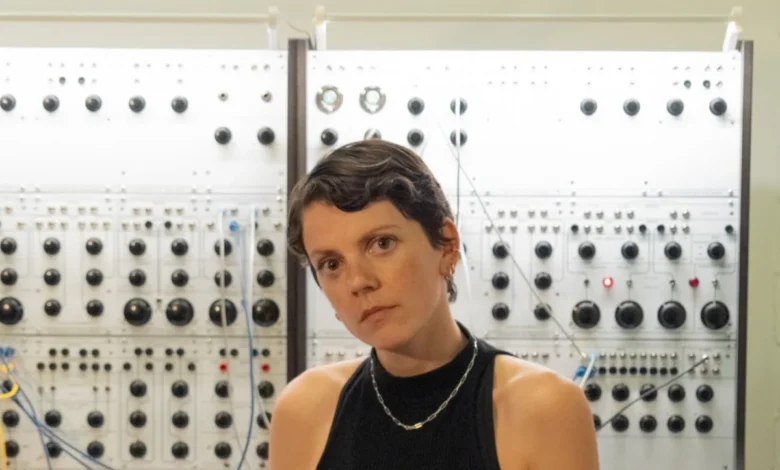
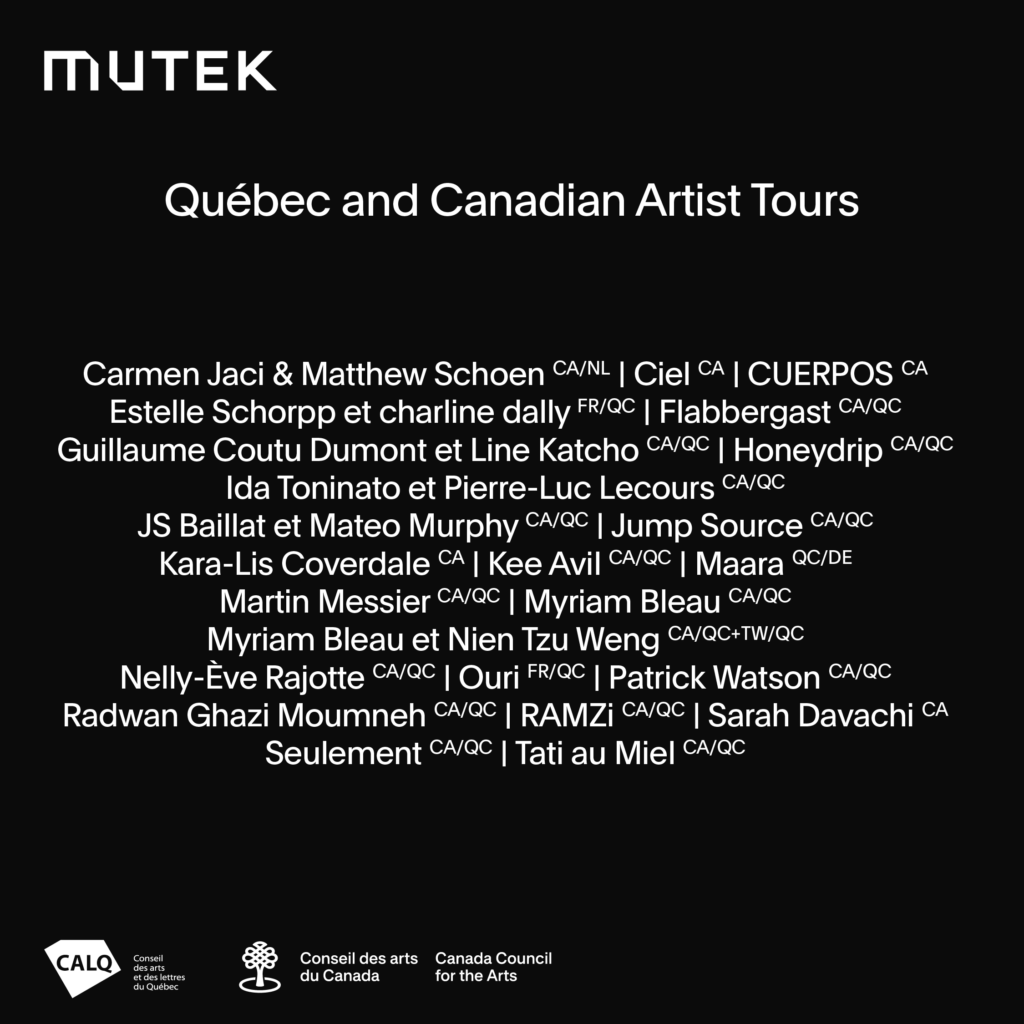
Following the conclusion of its milestone 27th annual festival in Montreal, the renowned electronic arts and digital creativity organization Mutek has launched an expansive international touring initiative. This ambitious project marks a strategic pivot for the collective, moving beyond the confines of its traditional festival calendar to facilitate a sustained, year-long exchange of artistic talent. The tour comprises more than 80 distinct engagements, showcasing the work of 32 Canadian artists across diverse cultural landscapes in Europe, North America, South America, and Japan. This initiative represents one of the most significant exports of Canadian electronic and digital art in recent years, supported by major institutional funding from the Conseil des arts et des lettres du Québec and the Canada Council for the Arts.
Strategic Objectives and Institutional Support
The primary impetus behind this global tour is the promotion of artistic mobility and the formalization of cross-border creative ecosystems. According to Marie-Laure Saidani, the program director at Mutek, the tour is designed to address the logistical and financial barriers that often prevent experimental electronic musicians and digital installation artists from reaching international audiences. By centralizing the booking and promotional efforts, Mutek seeks to foster deep-rooted connections between independent creative scenes that would otherwise remain isolated.
"Independent scenes flourish through the persistent threads they weave across geographical borders," Saidani noted. "By facilitating this mobility, we are not merely sending artists abroad for a single performance; we are improving the fundamental conditions for long-term international collaboration, technological knowledge sharing, and the development of new creative networks."
The logistical scale of this undertaking is significant. The tour is not a singular event but a modular framework that allows artists to integrate their work into existing, high-profile festival programming. By leveraging existing infrastructure in host cities, Mutek minimizes the environmental and economic footprint of the tour while maximizing the visibility of the participating Canadian contingent.
Chronology of the 2026 International Circuit
The tour commenced earlier this month and is scheduled to continue through November 2026. The itinerary is strategically aligned with a series of established international festivals, ensuring that the Canadian artists are positioned in front of engaged, specialized audiences.
In Europe, the tour features prominently at several of the continent’s most influential gatherings for digital art and experimental music. The schedule includes:
- Sonica (Glasgow, UK): A hub for audio-visual innovation.
- Unsound (Kraków, Poland): Widely regarded as one of the world’s premier festivals for avant-garde electronic music.
- Biennale (Venice, Italy): Providing a high-art context for digital installations.
- KIKK (Namur, Belgium): Focusing on the intersection of digital culture and technology.
- Mesh (Basel, Switzerland): A key venue for contemporary sound design.
- Fifty Lab (Brussels, Belgium): A curated platform for emerging musical talent.
- MEM (Bilbao, Spain): A center for experimental music and video art.
In addition to these festival appearances, Mutek has organized specialized club nights. In France, the organization has partnered with the Gaîté Lyrique in Paris and Le Sucre in Lyon for exclusive "Nightclubbing x Mutek" events. These showcases are curated by the esteemed producer and DJ Jennifer Cardini, whose involvement serves to bridge the gap between the experimental, gallery-oriented side of the Mutek program and the more kinetic, club-focused electronic scene.
Focus on German Market Integration
Germany, a long-standing partner in the global Mutek network, remains a focal point for this tour. The program includes a series of performances that highlight the breadth of Canadian innovation, ranging from ambient composition to rhythm-driven performance art.
The German itinerary is as follows:

- October 22, 2026: Sarah Davachi, a composer recognized for her deep explorations of acoustic and electronic minimalism, will perform at the CTM Festival.
- October 30, 2026: Nelly-Ève Rajotte, known for her intricate visual and auditory landscapes, will be featured at the SILBERSALZ Festival in Halle.
- November 4, 2026: Myriam Bleau, an artist celebrated for her innovative use of hardware interfaces, will take the stage at HELLERAU in Dresden.
- November 6, 2026: A collaborative showcase featuring Estelle Schorpp and Charline Dally will conclude the German leg at HELLERAU.
Artistic Profiles and Creative Scope
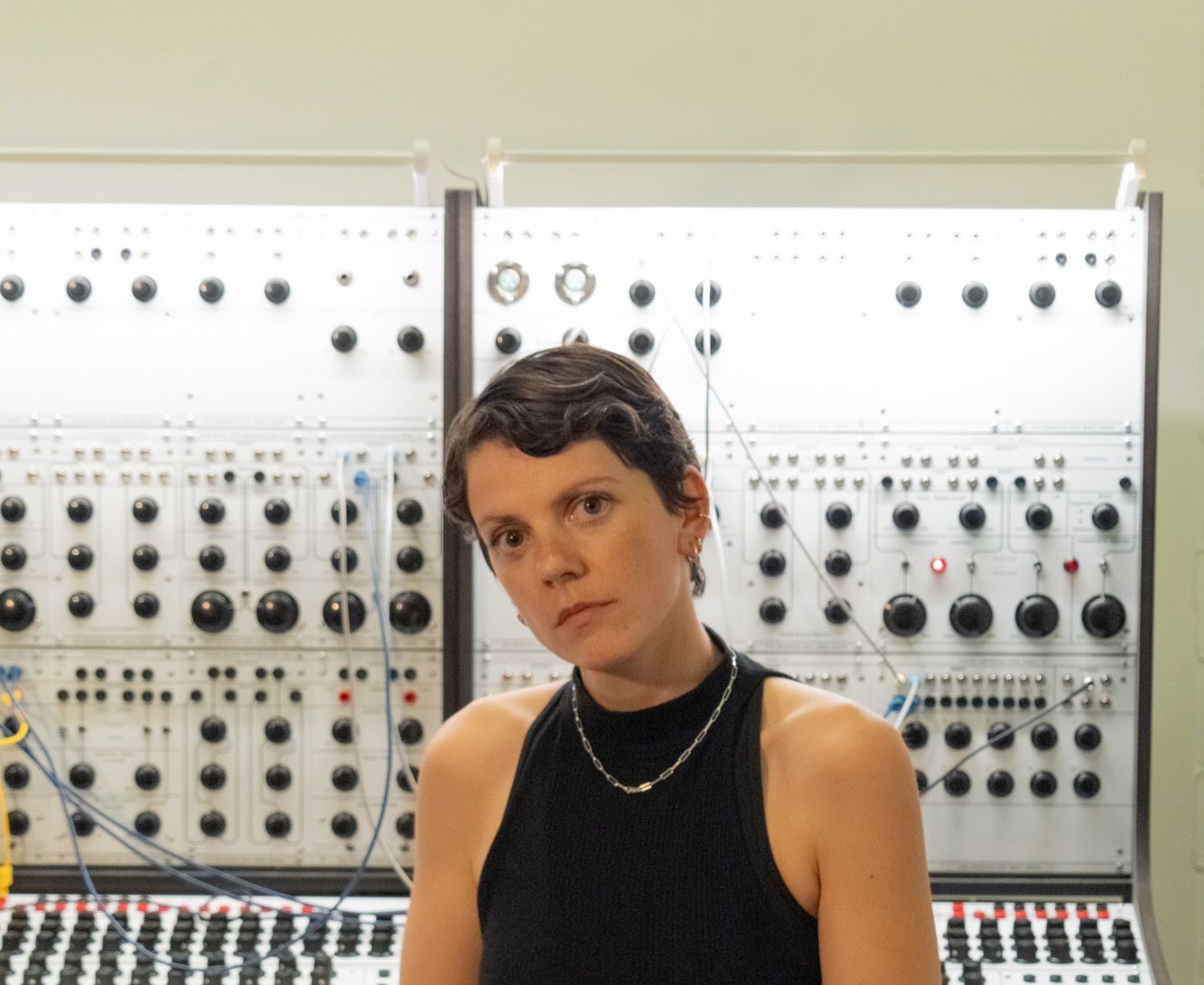
The roster of artists participating in the tour reflects the diversity and technical sophistication of the Canadian electronic scene. Among the notable participants are Kara-Lis Coverdale, whose work often explores the tension between human performance and algorithmic generation; Sarah Davachi, who utilizes historical instruments and modular synthesizers to create expansive soundscapes; and Myriam Bleau, whose performances frequently involve custom-built objects that act as both instruments and light controllers.
Other artists on the tour include Martin Messier, Honeydrip, Maara, RAMZi, and Ouri. These artists bring a variety of methodologies to the tour, encompassing live performance, immersive installations, educational workshops, and public panels. This multi-modal approach is intentional, allowing the Mutek team to engage with both professional communities—through knowledge sharing—and the general public.
Economic and Cultural Implications
From an analytical perspective, the Mutek tour serves as a case study in how cultural institutions can act as intermediaries in a globalized digital arts economy. By subsidizing international travel and residency periods, the Canada Council for the Arts and the Conseil des arts et des lettres du Québec are effectively investing in "cultural diplomacy."
The impact of this tour can be analyzed through three primary lenses:
- Cultural Export: The tour provides a high-level platform for Canadian creators, effectively branding Canada as a hub for advanced digital and electronic art. This elevates the international profile of the artists involved, potentially leading to long-term booking opportunities outside of the Mutek umbrella.
- Infrastructure Strengthening: By partnering with established festivals like Unsound and the Venice Biennale, Mutek is reinforcing the existing infrastructure of the international electronic music scene. This creates a more resilient circuit for independent artists, who often operate on thin margins.
- Cross-Pollination: The inclusion of workshops and panels suggests a commitment to legacy-building. By exchanging methodologies and technical insights with European and Asian counterparts, the Canadian artists are participating in a global conversation about the future of digital art, influencing the development of new tools and performance techniques in the process.
Challenges and Future Outlook
While the tour is a significant success for Canadian arts, it does face the ongoing challenges associated with large-scale international cultural travel in the mid-2020s. These include the necessity of balancing high-impact international touring with the growing demand for sustainable cultural practices. Mutek has addressed this in part by utilizing existing festival structures, which limits the need for bespoke venue creation and reduces the overall energy consumption of the tour.
Furthermore, the logistical complexity of managing 80+ events across multiple continents requires a high degree of administrative coordination. The successful execution of this tour could provide a blueprint for other national arts councils looking to replicate the "export model" of cultural promotion.
As the tour moves toward its conclusion in November, the focus will shift from performance to evaluation. The success of these collaborations will likely be measured not only in ticket sales or audience numbers but in the number of subsequent, independent collaborations that arise from these initial connections. For the 32 participating artists, the Mutek tour is more than a series of performances; it is an entry point into a global professional network that will define the trajectory of their careers for years to come. The initiative underscores the ongoing relevance of physical, face-to-face artistic exchange in an increasingly digitized world, proving that even in the realm of electronic and digital art, the human element of shared experience remains the most vital component.