Paris Opera Cancels November 27 Performances of La Clemenza di Tito and Turandot Following Last-Minute Staff Strike

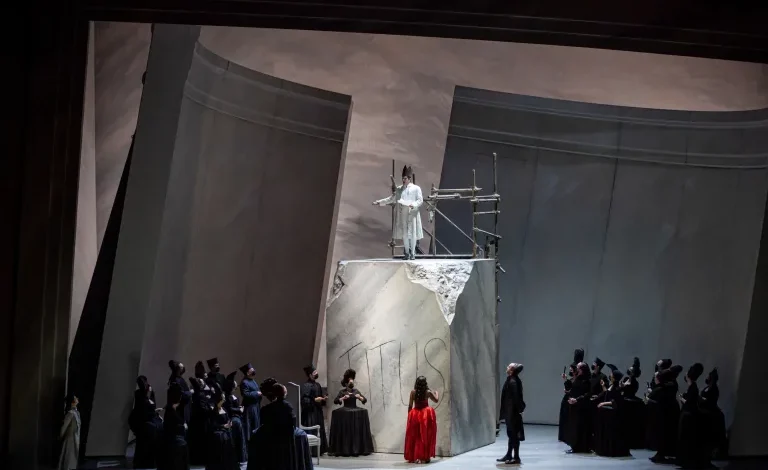
The Paris Opera has officially announced the cancellation of all scheduled performances for November 27, 2026, following a sudden strike initiated by a segment of the company’s internal workforce. The industrial action has brought operations to an abrupt halt at both of the institution’s primary venues, forcing the cancellation of Mozart’s classic opera La Clemenza di Tito at the Palais Garnier and Puccini’s monumental Turandot at the Opéra Bastille.
The decision, communicated by theater administration late in the operational window, underscores the delicate logistical balance required to maintain daily performances at one of the world’s premier performing arts institutions. Company representatives explained that the precise number of participating striking personnel could only be verified at the eleventh hour, making it impossible to issue a formal public advisory any earlier. Consequently, patrons arriving for the evening’s performances, as well as those traveling from afar, were met with sudden closures.
Despite the disruption, administration officials have confirmed that normal operations are anticipated to resume shortly. Both productions are slated to return to their respective stages on November 30, 2026, assuming labor conditions stabilize over the weekend. In the interim, the institution has scrambled to implement emergency protocols regarding ticket refunds, customer communications, and financial reimbursements for thousands of affected theatergoers.
Chronology of the Dispute and Cancellation
The events leading up to the November 27 closures developed rapidly, reflecting ongoing tensions regarding labor relations within French cultural institutions. While the Paris Opera houses some of the most highly skilled administrative, technical, and artistic support staff in Europe, structural debates over wages, working hours, and pension adjustments have historically served as flashpoints for industrial action.
In the days preceding the strike, informal discussions between union representatives and management failed to yield a comprehensive preventative agreement. By the morning of November 27, it became apparent that a critical mass of stagehands, front-of-house personnel, or technical directors—groups whose presence is legally and operationally mandatory to safely open a house—intended to walk off the job.
Because the final headcount of striking workers was not finalized until immediately before the curtain-up window, management was left with no viable alternative. Operating a historic theater of the scale of the Palais Garnier or the modern technical marvel of the Opéra Bastille requires strict adherence to safety codes and stagecraft protocols. Without a full complement of certified technicians, safety inspectors, and operational staff, holding performances of complex grand opera is strictly prohibited by French labor and safety regulations.
By midday on November 27, the administration made the definitive call to cancel both productions. Immediate notifications were dispatched via email and SMS to ticket holders, while operational teams began the arduous task of preparing the refund infrastructure.
Financial and Logistical Refund Procedures
The sudden nature of the cancellation has triggered a massive administrative effort to process refunds for patrons holding tickets for the suspended performances of La Clemenza di Tito and Turandot. To mitigate customer frustration, the Paris Opera has structured a multifaceted reimbursement process tailored to the original method of payment.
For patrons who purchased their tickets entirely via bank card—excluding purchases made physically at the box office—the process will be handled automatically. These individuals will see the funds credited back to their accounts without requiring formal submission of additional documentation, though processing times may vary depending on interbank clearing speeds.
However, a different protocol applies to tickets acquired through alternative channels. For purchases made via check, cash, gift vouchers, ticket exchanges, or directly at the physical box office, refunds will not be automated. Instead, funds will be issued once the Opera reconciles the transaction amounts and credits them to the ticket holder’s account balance over the course of several weeks. Alternatively, patrons can expedite this process by logging into their official Paris Opera user accounts and securely inputting their International Bank Account Number (IBAN) and Bank Identifier Code (BIC) into the designated "My bank details" portal.
Theater administrators have urged patience among patrons, noting that the sheer volume of transactions stemming from the simultaneous cancellation of two major operatic productions will temporarily strain the box office’s accounting infrastructure.
The Impacted Productions: Repertoire Overview
The cancellation dealt a significant blow to the Paris Opera’s autumn season, affecting two distinct pillars of the operatic repertoire currently running concurrently in the French capital.
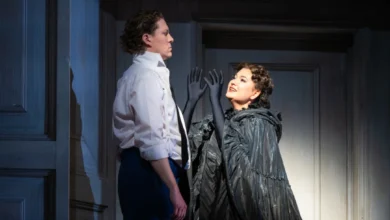
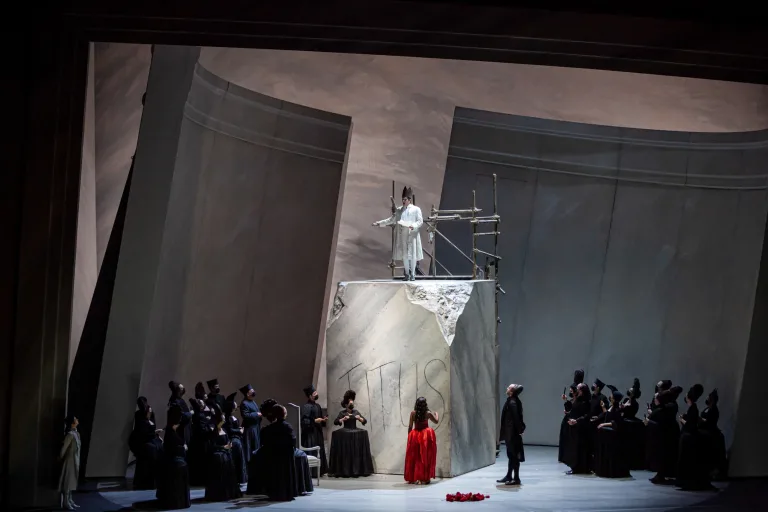
At the ornate Palais Garnier, Wolfgang Amadeus Mozart’s late masterpiece La Clemenza di Tito has been drawing critical praise for its psychological depth and sublime vocal writing. Composed in 1791 for the coronation of Leopold II as King of Bohemia, the opera seria explores themes of mercy, loyalty, and political intrigue through the lens of Roman history. The production at the Palais Garnier is renowned for its elegant staging, highlighting the intimate yet grandiose acoustics of the 19th-century auditorium.
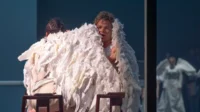
Simultaneously, across the city at the contemporary Opéra Bastille, Giacomo Puccini’s unfinished epic Turandot has been dazzling audiences with its massive choral forces, opulent orchestrations, and dramatic vocal demands. Featuring the iconic tenor aria "Nessun dorma," the production represents one of the season’s major blockbusters, drawing international opera tourists to Paris. The loss of a performance date for Turandot represents a notable box office deficit, given the high production costs and high-demand seating associated with the run.
Both productions represent significant financial and artistic investments for the institution. The simultaneous suspension of these works highlights the disproportionate impact that localized labor actions can have on large-scale cultural enterprises.
Broader Context of Labor Relations in French Performing Arts
The disruption at the Paris Opera is reflective of a broader socio-political climate in France, where labor strikes within the public sector and state-subsidized cultural institutions remain a frequent instrument of negotiation. The Paris Opera, operating as a public industrial and commercial establishment (EPIC) under the oversight of the French Ministry of Culture, employs thousands of permanent and intermittent workers (known in France as intermittents du spectacle).
Historically, the performing arts sector in France has enjoyed robust state protections and subsidies compared to its counterparts in North America or the United Kingdom. However, rising living costs in Paris, coupled with ongoing debates over pension reforms and institutional restructuring, have kept labor relations tense. Strikes within French opera houses and ballet companies—ranging from the Opéra National de Paris to the Comédie-Française—frequently make international headlines, occasionally disrupting the cultural calendar during peak tourist and subscription seasons.
Industry analysts note that while management and unions generally manage to reach compromises before performances are lost, last-minute communication breakdowns continue to occur. These incidents often place cultural institutions in a difficult public relations position, as they must balance the legitimate grievances of their workforce against the expectations of ticket holders who have traveled significant distances to experience world-class art.
Institutional Implications and Future Outlook
Looking ahead, the successful resumption of performances on November 30, 2026, will be critical for restoring institutional momentum. Theater administrators are currently engaged in intensive back-channel negotiations with union representatives to ensure that the grievances prompting the November 27 walkout are addressed sufficiently to prevent further disruptions during the remainder of the autumn calendar.
The financial fallout from a single day of canceled performances—comprising lost box office revenue, potential overtime compensation, and administrative refund overhead—can be substantial for an opera house operating on a tightly balanced budget. Furthermore, international patrons caught in the disruption may experience lingering dissatisfaction, emphasizing the importance of transparent and timely communication during labor disputes.
Despite these hurdles, the resilient infrastructure of the Paris Opera is expected to absorb the shock. As technical crews, administrative personnel, and artistic ensembles prepare to return to the Palais Garnier and Opéra Bastille, focus will pivot entirely toward delivering a seamless resumption of La Clemenza di Tito and Turandot, closing out November on a stable artistic note.