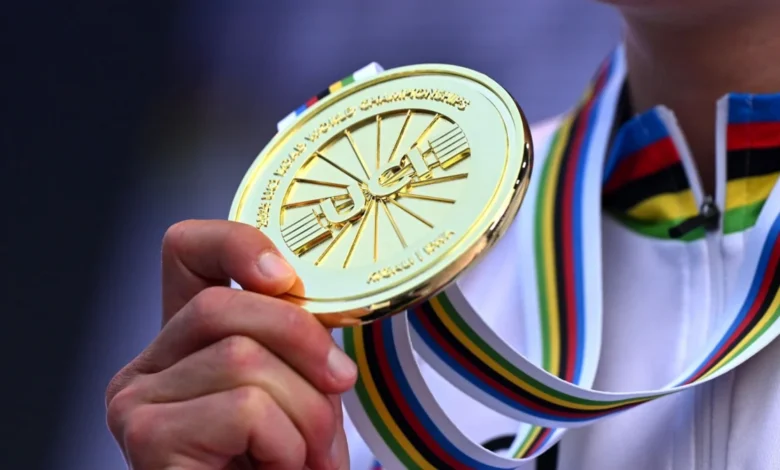
The 2026 UCI Road World Championships are set to transform the historic streets of Montreal, Canada, into a global theater of endurance, tactics, and high-speed competition. Running from September 20 to September 27, this year’s edition of the premier road cycling event carries significant historical weight, returning to a North American host city and promising a grueling test of physical limits. With Tadej Pogačar officially sidelined due to a season-ending injury, the narrative of the men’s road race has shifted from a presumed coronation to a wide-open tactical battle, while the women’s field remains defined by the unpredictable brilliance of rising stars like Quebec’s own Magdeleine Vallières and the relentless consistency of veterans like Demi Vollering.
The event features a rigorous technical challenge. The Individual Time Trial (ITT) courses for both men and women span 39.2km, incorporating 220m of elevation gain that will test the riders’ ability to maintain aerodynamic efficiency under fatigue. The road races are even more demanding, with the women’s circuit covering 180.1km and 2,570m of climbing, while the men’s peloton faces a daunting 273.4km route with 3,803m of vertical gain. Both road races will culminate in multiple technical loops around the iconic Mount Royal, a terrain profile that historically favors punchy climbers and tactical masterminds over pure sprinters.
The Changing Landscape of the Men’s Peloton
The absence of Tadej Pogačar, arguably the sport’s most dominant force in 2026, is the defining subplot of the championships. In his wake, the race for the rainbow jersey has become a multifaceted chess match. Remco Evenepoel arrives in Montreal as the triple-reigning ITT champion, looking to extend his dominance against the formidable Filippo Ganna. While Evenepoel remains the heavy favorite for the clock-based disciplines, his road race aspirations are tempered by the complex dynamics of the Belgian national team.
Analysts have highlighted the potential for a Belgian masterclass, provided that Evenepoel and Wout van Aert can effectively navigate their shared leadership. Should they struggle to find common ground, the door swings wide for emerging talents such as Isaac del Toro. Del Toro’s recent victory on these very streets has marked him as a rider with an intimate understanding of the Montreal course’s nuances. Furthermore, the versatile Tom Pidcock enters the conversation with the weight of history on his shoulders; he stands on the cusp of becoming the first athlete to secure world titles in mountain biking, cyclo-cross, and road racing—a feat that would cement his status as the most complete cyclist of the modern era.
Women’s Cycling: The Battle for Supremacy
The women’s race presents a similarly complex puzzle. Demi Vollering, while undoubtedly one of the world’s most talented riders, has struggled with consistency at the World Championship level, failing to podium in five of her last six appearances. However, her recent form suggests she is peaking at the right moment. She faces stiff competition from the reigning world champion, Marlen Reusser, and the U23 champion, Zoe Backstedt. The rivalry between Vollering and Reusser, characterized by high-stakes battles during the Tour de France Femmes, has elevated the standard of women’s time trialing to unprecedented levels.
Magdeleine Vallières serves as the wildcard of the competition. Her breakout success last year, which saw her capitalize on the absence of Lotte Kopecky, signaled a shift in the balance of power. With Kopecky returning to the fold, the dynamics will be significantly different. The pressure on Vallières to perform on home soil will be immense, but her familiarity with the local geography and the specific demands of the Mount Royal circuit may provide the necessary edge to challenge the established favorites.
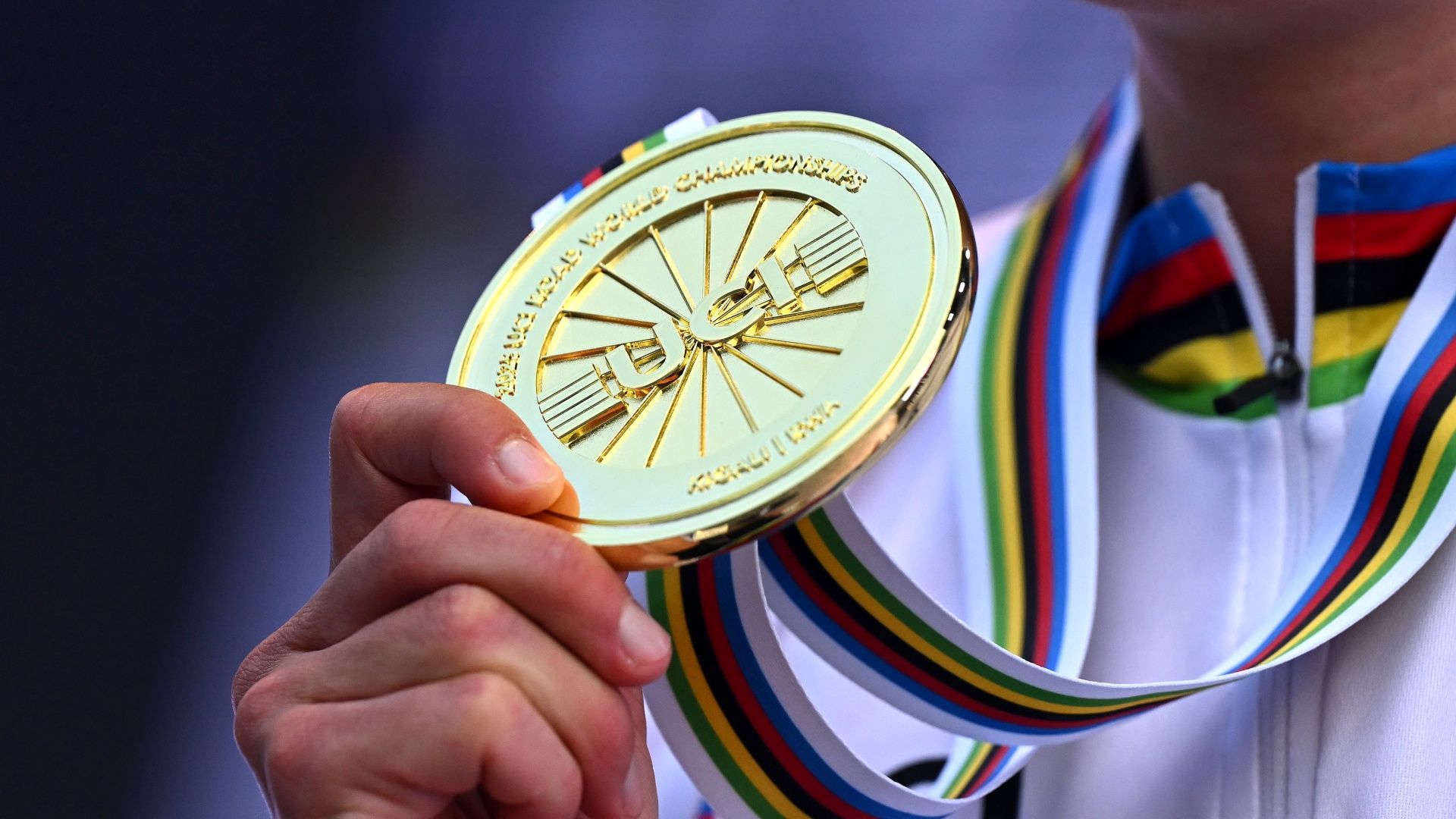
The Full Schedule: A Week of Global Cycling
The intensity of the 2026 UCI Road World Championships is reflected in its packed, high-stakes schedule. Fans across the globe will be tracking these events closely:
- Sunday, 20 September: Women’s Elite ITT (2:00 PM BST) and Men’s Elite ITT (5:45 PM BST)
- Monday, 21 September: Women’s U23 ITT (2:00 PM BST) and Men’s U23 ITT (5:00 PM BST)
- Tuesday, 22 September: Mixed Relay (1:30 PM BST), Men’s Junior ITT (5:45 PM BST), and Women’s Junior ITT (8:15 PM BST)
- Thursday, 24 September: Women’s U23 Road Race (2:00 PM BST) and Men’s Junior Road Race (6:30 PM BST)
- Friday, 25 September: Men’s U23 Road Race (2:00 PM BST) and Women’s Junior Road Race (7:15 PM BST)
- Saturday, 26 September: Women’s Elite Road Race (2:00 PM BST)
- Sunday, 27 September: Men’s Elite Road Race (2:00 PM BST)
Accessing Global Coverage
For cycling enthusiasts, ensuring access to reliable live streams is paramount. In the United Kingdom, the BBC provides extensive coverage via BBC Two, BBC Three, and the iPlayer platform, focusing primarily on the elite time trials and the men’s road race. For those requiring more comprehensive analysis and additional coverage of the U23 and junior categories, TNT Sports offers a premium alternative, with streaming available through HBO Max.
Viewers in the United States must rely on FloBikes, which holds the primary broadcast rights and offers subscriptions at $39.99 per month or $155.88 annually. Australian fans can access the event through Stan Sport, which requires a subscription on top of the standard base plan. For fans in regions without dedicated broadcasters, the official UCI YouTube channel remains a vital, free-to-access resource, often providing live streams of the major races.
The Role of VPNs in Modern Sports Broadcasting
The fragmented nature of global sports broadcasting often means that viewers traveling outside their home countries face geographical restrictions. Virtual Private Networks (VPNs) have become an essential tool for fans, allowing them to bypass regional blocks by routing their internet connection through a server in their home nation. For instance, a UK citizen traveling abroad can utilize a service like NordVPN to access BBC iPlayer’s free coverage as if they were back in the UK.
It is important to note that the use of VPNs must align with the terms and conditions of the respective streaming services. The primary benefit of this technology remains the ability to protect digital privacy while ensuring that loyal fans do not miss out on the action due to travel constraints.
The Broader Impact and Future Implications
The 2026 World Championships in Montreal are not merely a week of racing; they serve as a barometer for the sport’s health. The event highlights the growing depth of the talent pool, particularly in the U23 categories, where riders are transitioning to the professional ranks with greater tactical maturity than ever before. Furthermore, the inclusion of the mixed relay and the continued emphasis on parity between men’s and women’s event production underscore the UCI’s ongoing efforts to modernize the sport.
As the peloton descends upon Montreal, the focus will be on the intersection of individual ambition and national pride. The challenges posed by the Mount Royal circuit—a blend of rapid descents, technical corners, and lung-busting climbs—are designed to reward the most complete athletes. Regardless of who dons the rainbow jersey at the end of the week, the 2026 edition of the Road World Championships is poised to be a defining moment in contemporary cycling, offering a showcase of athletic excellence that will resonate throughout the professional circuit for years to come. With the uncertainty surrounding the favorites, one thing remains clear: the roads of Montreal will reveal who has the tactical acumen and physical resilience to stand atop the podium in one of the most prestigious events in the sporting calendar.