Electronic Music Monthly Review: September 2026 New Releases and Significant Reissues


The global electronic music landscape continues to evolve through a synthesis of archival recovery and contemporary innovation, as evidenced by this month’s most significant releases from labels like Magazine, Mutual Rytm, and RAWAX. This report examines the technical developments, artistic trajectories, and industry implications of five notable projects released in September 2026, ranging from the long-awaited reissue of Barnt’s seminal work to new, high-tempo explorations by established producers like Cosmin TRG and FJAAK.
The Archival Resurgence: Barnt and the Reissue of Geffen
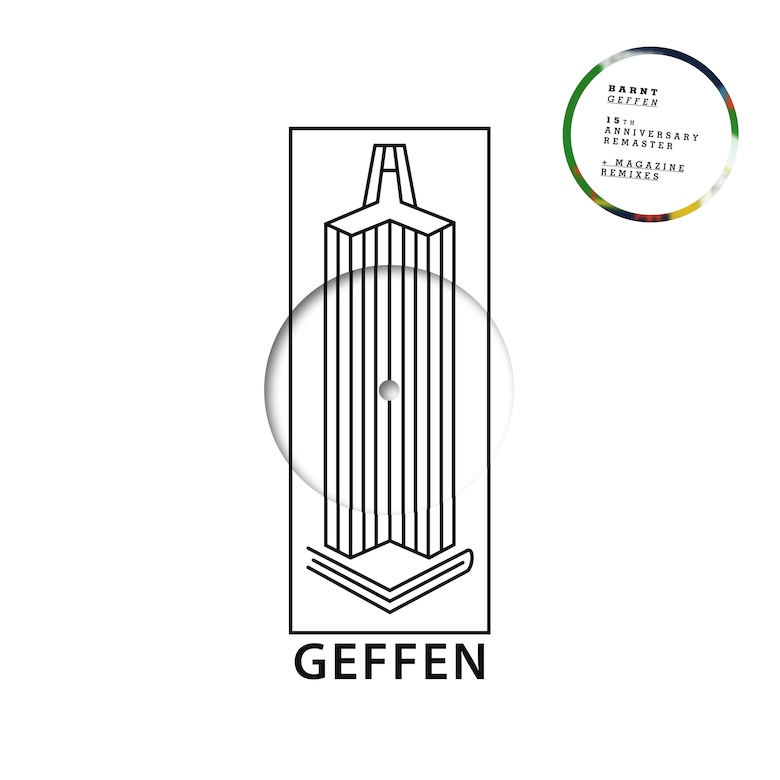
Fifteen years after its initial release, Daniel Ansorge, professionally known as Barnt, has seen his acclaimed track Geffen receive a comprehensive reissue via the Cologne-based label Magazine. Originally released in 2011, the track remains a masterclass in tension and release, characterized by its distinct, crisp snare hits and a slow-building, hypnotic arrangement that challenges traditional pop-techno structures.
The reissue is not merely a digital restoration; it includes new mastering by Jörg Burger, alongside a reimagined "Kraut-Electro" interpretation and a "Mutation" mix by Jens-Uwe Beyer and Crato. The cultural context of the track—its title referencing the major label that facilitated Nirvana’s transition from the independent sphere to global stardom—highlights Magazine’s ongoing commitment to bridging the gap between underground electronic music and broader pop sensibilities. By deconstructing the original composition, the reissue serves as a case study in how electronic compositions can retain relevance across different generations of club culture, transforming the nocturnal dance floor experience into a meditative morning transition.
High-Velocity Evolution: Cosmin TRG’s In Your Body
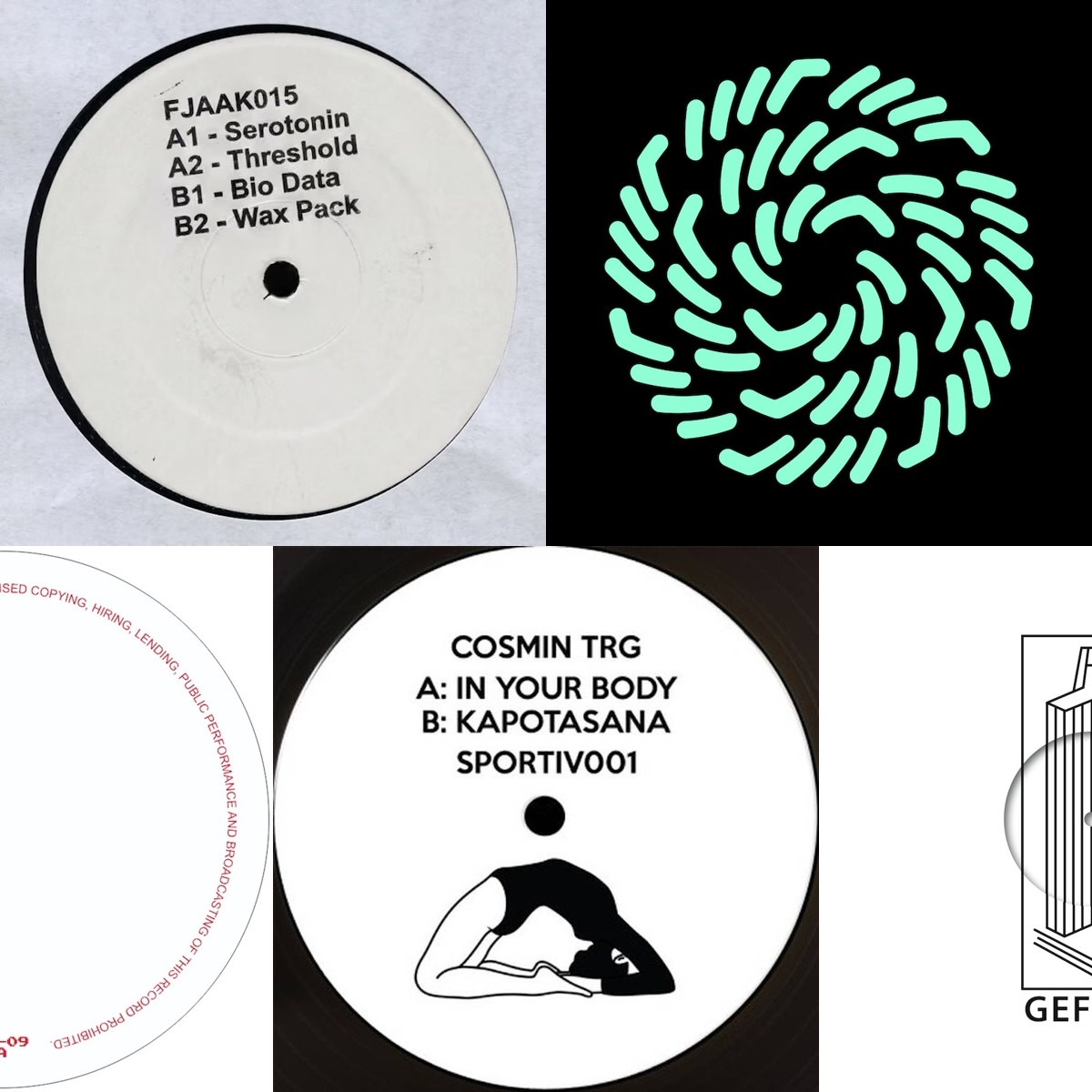
Cosmin TRG has revisited his 2016 club staple, In Your Body, with a "Twentysix Mix" that marks a departure from the original’s 128 BPM tempo to a more aggressive 135 BPM. This shift is reflective of a broader industry trend toward higher-tempo techno, which has dominated European dance floors throughout 2026.
The updated EP, which includes two B-side tracks titled "Iradiat" and "Erodat," demonstrates a sophisticated approach to sound design. By integrating ambient synth chords with deep, octavated basslines and intricate percussion, Cosmin TRG bridges the gap between atmospheric soundscapes and high-energy club utility. Notably, the EP features a collaborative remix by the duo TRYL, which deconstructs the source material into a claustrophobic, dubstep-influenced aesthetic. This project illustrates the current trend of producers re-examining their own back catalogs to adapt to the faster, more technically demanding sonic requirements of the post-2025 club environment.

The FJAAK 015 EP: Consistency as an Artistic Statement
The Berlin-based trio FJAAK has released their latest EP, FJAAK 015, reinforcing their status as architects of modern, rhythm-driven techno. Rather than seeking to reinvent their established sound, the group has focused on refining the interplay between industrial textures and dance floor functionality.
The four-track EP serves as a testament to the efficacy of minimalism. "Serotonin" utilizes a heavy low-end foundation and percussive claps to drive momentum, while "Threshold" opts for a more spatial, dub-influenced approach that creates a hypnotic, rather than purely physical, experience. The transition into "Bio Data" introduces industrial, machine-like textures, which briefly collapse into a lighter, euphoric state before returning to a mechanical rhythm. The final track, "Wax Pack," provides a six-minute culmination of these themes. The release underscores a growing sentiment among major techno artists that subtle, incremental changes to sound design are more effective in maintaining audience engagement than radical, often alienating, stylistic pivots.
Ricardo Villalobos: A Return to the Minimalist Avant-Garde
After a three-year hiatus from original solo material, Ricardo Villalobos has released "Wings" via the RAWAX label. Comprising two tracks, each exceeding 12 minutes in length, the release represents a continuation of his idiosyncratic approach to house music.
Villalobos’s work is characterized by its complex polyrhythms and unconventional EQ treatments, elements that remain central to the "Wings" project. By utilizing chirping synth melodies and a signature, organic-sounding kick drum, the release provides a counterpoint to the high-pressure, industrial trends currently permeating the techno scene. The decision to release such long-form, avant-garde tracks in the current market signals a continued demand for "transcendental" club music—tracks that favor depth and long-form development over the immediate gratification of shorter, high-intensity loops.
Sciahri and the Big-Room Aesthetic: Moonwake
The Iranian-Italian producer Sciahri has pivoted toward a more streamlined, big-room techno aesthetic with his new EP, Moonwake, released on the South German label Mutual Rytm. Sciahri, known for his work with the experimental label Ilian Tape, here adopts a colder, more precise sound palette that prioritizes momentum over complex, broken rhythms.
The seven-track EP is built upon a foundation of dark, atmospheric textures and metallic synthesis. Tracks like "Liminal" and "Night Sentinel" demonstrate a focus on paranoia and tension, utilizing repetitive, driving motifs to manipulate the listener’s focus. The inclusion of digital bonus tracks, "Silent Frontier" and "Louisiana," maintains this aesthetic continuity. Moonwake is a significant indicator of how producers with experimental backgrounds are successfully migrating into more commercial, high-impact techno environments, effectively balancing artistic integrity with the demands of large-scale, modern club venues.

Industry Implications and Future Outlook
The collective release cycle of September 2026 highlights several critical trends in the global electronic music industry. First, the success of the Barnt reissue suggests a growing market for high-quality, remastered archives of electronic music from the 2010s, a decade currently undergoing a period of historical reassessment.
Second, the divergence between the high-speed, aggressive techno of FJAAK and the long-form, cerebral house of Ricardo Villalobos illustrates a healthy fragmentation within the scene. Rather than a singular dominant sound, the market is currently sustaining multiple, distinct sub-genres that cater to different club experiences—ranging from the high-octane "industrial" dance floor to the immersive, extended-set environments favored by artists like Villalobos.
Finally, the technical evolution seen in the works of Cosmin TRG and Sciahri demonstrates that sound design in 2026 is increasingly focused on the "physicality" of sound. Producers are utilizing digital processing tools to create "sharper" and "crustier" textures, designed specifically to cut through the high-fidelity sound systems of contemporary clubs. As these artists move forward, the challenge will remain in balancing this technical proficiency with the emotional resonance required to sustain long-term relevance in an increasingly saturated digital market. The industry appears to be moving toward a phase where the "classic" status of a track is determined not just by its initial impact, but by its capacity to be reinterpreted and recontextualized years, or even decades, after its initial conception.