
The 1958 Hammer Horror classic Dracula returns to cinemas and 4K Blu-ray with restored footage


The landscape of cinematic horror is punctuated by iconic portrayals of the undead, ranging from the silent, expressionist terror of Max Schreck’s Count Orlok in 1922’s Nosferatu to the modern, deadpan wit of Matt Berry’s Laszlo in the television series What We Do in the Shadows. Yet, among the pantheon of screen monsters, the 1958 production of Dracula, directed by Terence Fisher and starring Christopher Lee, remains a foundational pillar. It was this film that transitioned the vampire from a cryptic, decaying shadow into a sophisticated, predatory, and undeniably suave figure of menace. Decades after its initial release, the film is undergoing a comprehensive technical renaissance, with a new 4K restoration set to bring the Hammer Films masterpiece back to the big screen and into home media collections.
The Restoration Project: Bringing the Undead into 4K
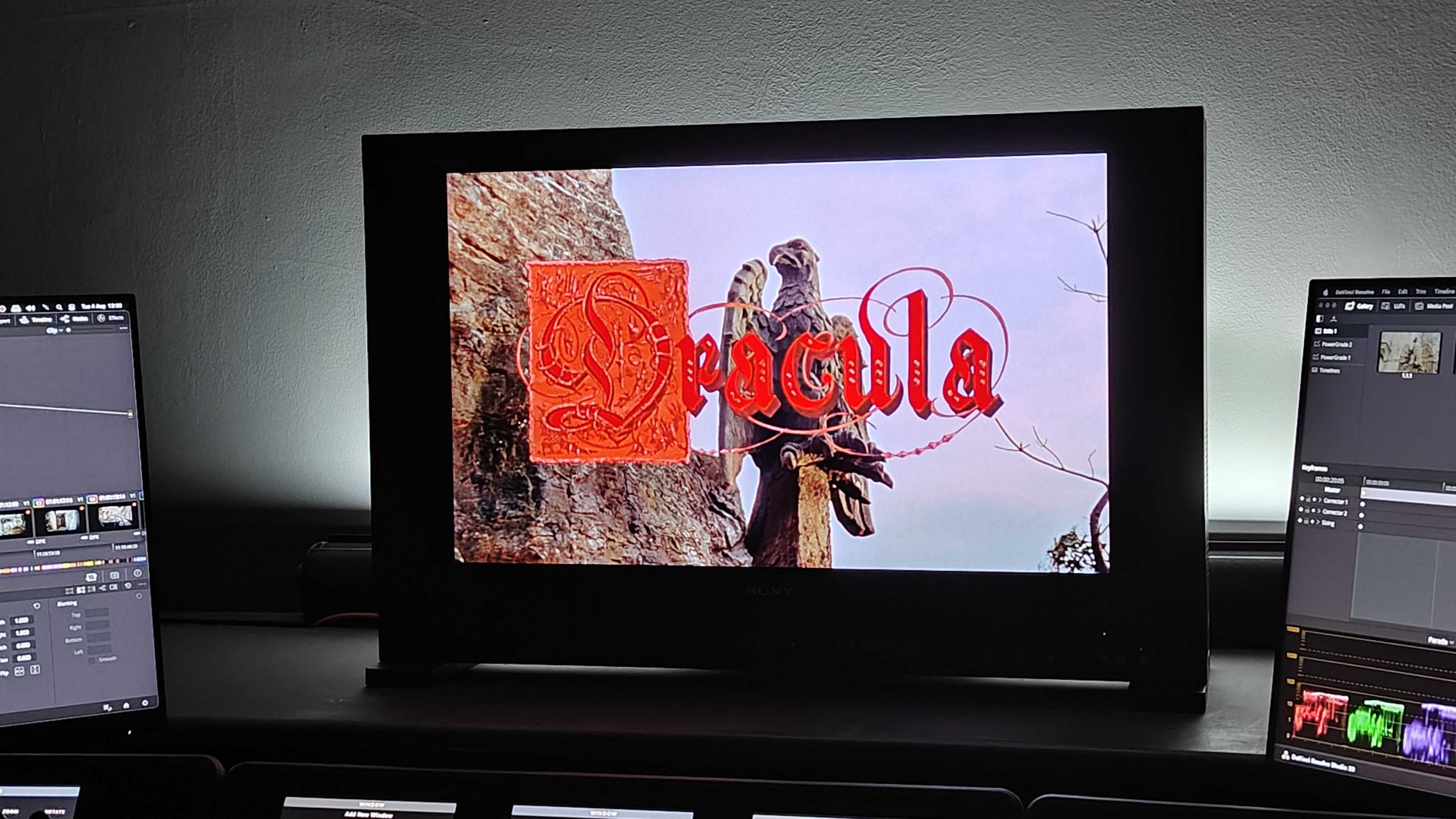
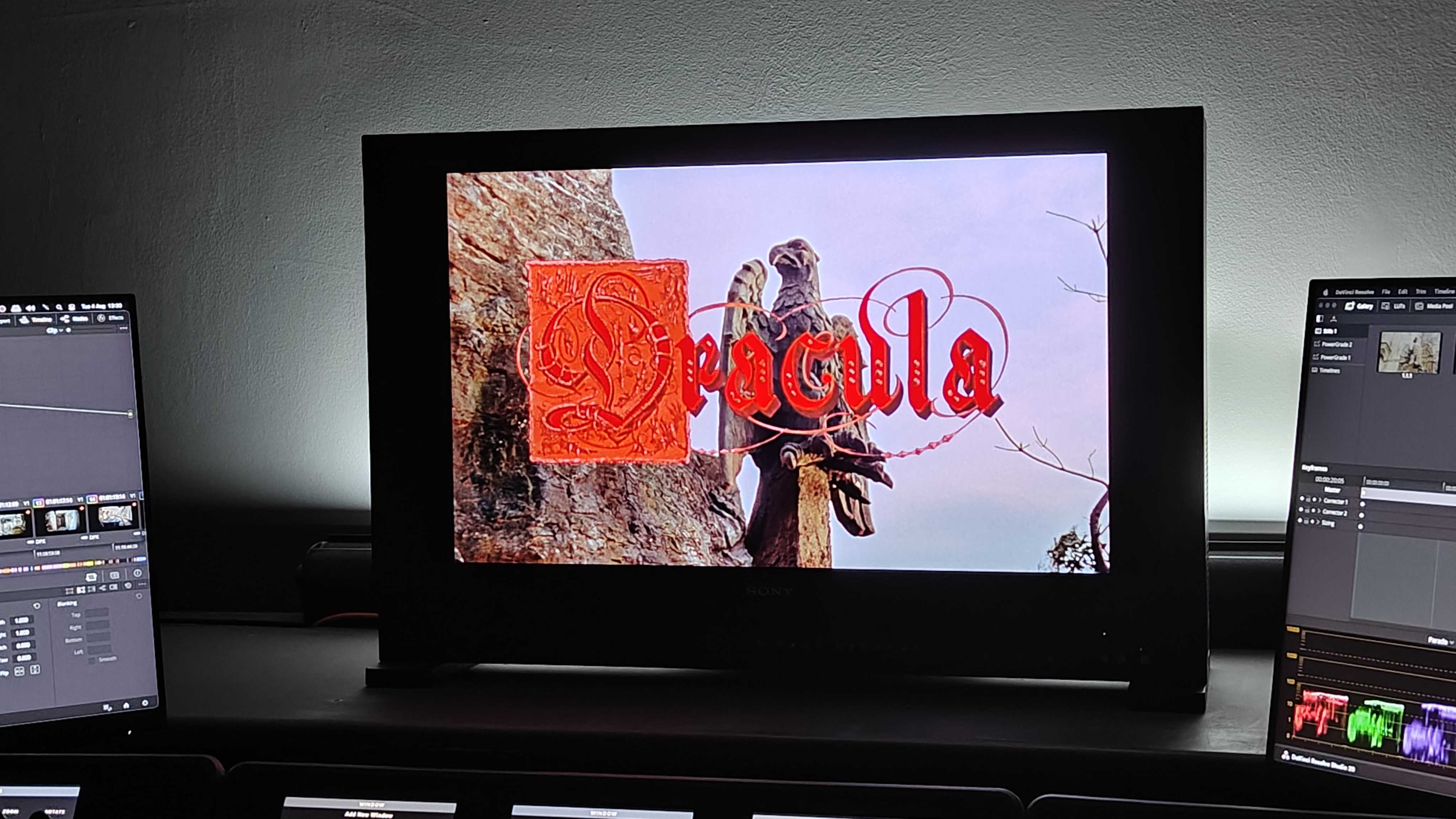
The technical undertaking is being spearheaded by Silver Salt Restoration, a firm specializing in the preservation and digital reconstruction of archival motion pictures. The most significant feature of this release is the integration of approximately three minutes of missing footage that had been absent from the film’s domestic prints for generations. These segments were discovered in a Japanese print of the film, providing a more complete version of the narrative than has been seen in Western markets for over sixty years.
The restoration process, however, was far from straightforward. Anthony Badger, Head of Restoration at Silver Salt, notes that working with archival film stock—particularly elements that have been spliced from various international sources—presents significant chromatic and structural challenges. The primary difficulty, he explains, involves the recombination of color channels from older, monochromatic film negatives. When these channels are merged, they frequently suffer from misalignment, resulting in color fringing or erratic shifts in hue throughout the scene.
To achieve the final 4K master, the team had to stabilize the colors even within the original negatives, which had suffered from decades of age-related degradation and fading. By meticulously locking the color grade frame-by-frame, the restoration team has managed to salvage material that was previously considered too degraded for high-definition presentation. The result, according to Mark Stanborough, Head of Restoration at Hammer Films, is a visual fidelity that makes the 1958 production appear as though it were captured with modern equipment.
A Chronology of the Hammer Dracula
To understand the cultural impact of this restoration, one must look at the timeline of Hammer Films’ trajectory. The 1958 Dracula served as a critical pivot point for the British studio, which had previously found success with The Curse of Frankenstein in 1957. While the latter proved that there was a robust market for stylized, color-saturated horror, Dracula cemented Hammer’s reputation as the global leader in the genre.
- 1957: The success of The Curse of Frankenstein sets the stage for a new era of Hammer horror.
- 1958: Dracula is released, introducing Christopher Lee as the definitive Count and Peter Cushing as his nemesis, Dr. Van Helsing.
- 1960s-70s: The "Hammer Dracula" series expands, eventually resulting in nine films featuring Christopher Lee as the titular vampire.
- 1990s-2000s: The films undergo various television and VHS releases, often suffering from poor, low-resolution transfers that obscured the original cinematography.
- 2024: The announcement of the 4K restoration marks the first time the film will be presented in its most complete, restored form for modern home theater systems.
The State of Physical Media and the Collector’s Market
The decision to invest heavily in a 4K restoration for a 66-year-old film arrives at a time when the broader market for physical media is undergoing a structural transition. While high-street retailers have largely moved away from stocking physical discs in favor of streaming services, there remains a resilient and affluent niche for high-fidelity physical media.
Anthony Badger argues that the shift in the market is not a decline, but a refinement. "It’s certainly the end of the day of buying a film on DVD at a grocery store," he says, acknowledging the dominance of digital platforms. "But I think there will always be a place for physical media. There is an inherent value in the tangibility of the product—the disc itself, the packaging, and the archival quality that streaming bitrates often fail to match."
Market data suggests that collectors are increasingly drawn to "boutique" releases of obscure or classic titles that have been neglected by major streaming aggregators. Hammer Films has observed that even their non-horror library titles have performed exceptionally well in these premium formats. This suggests that the audience for classic cinema is willing to pay a premium for high-quality restoration, provided the product offers an experience superior to the "horrific" transfers of the past, which were often plagued by low audio fidelity and blurry, artifact-heavy imagery.
The Return to the Cinema
Beyond the home market, the restoration is slated for a theatrical run in the United Kingdom this October. This move is designed to reintroduce the film to audiences who have only ever experienced it via television broadcasts or home video. The decision is informed by the success of the recent theatrical re-release of The Curse of Frankenstein, which played in over 150 venues and demonstrated that there is still a significant appetite for legacy horror on the big screen.
The experience of watching the 1958 Dracula in a cinema is historically distinct. Upon its original release, critics and audiences were noted for their shock at the graphic nature of the film’s violence—specifically the crimson blood and the visceral intensity of the death sequences, which were unprecedented for the era. Even by modern standards, the film maintains a high level of tension, largely due to the performances of Lee and Cushing, whose interplay provides the narrative backbone of the production.
Broader Implications for Film Preservation
The restoration of Dracula serves as a case study for the importance of global archival cooperation. The discovery of the "Japanese footage" highlights the fact that many classic films exist in disparate states across the globe. When international distributors edited films for their local markets—whether for censorship, pacing, or formatting—they inadvertently created unique versions of history. Modern digital restoration allows these fragmented pieces to be reassembled, effectively creating a "director’s cut" that may never have existed in a single location previously.
Furthermore, the shift toward 4K as the standard for archival restoration has profound implications for how future generations will interact with film history. As Badger points out, the quality of previous transfers acted as a "barrier to enjoyment." When a film is presented with muddy sound and distorted visuals, it is inherently difficult for a modern viewer to appreciate the pacing, the art direction, and the nuanced performances of the actors. By stripping away these digital layers of decay, the current restoration team is effectively bridging the gap between the mid-20th century and the modern viewer.
As the pre-orders for the limited collector’s edition open, the industry is watching closely. The success of this release will likely dictate the scope of future restorations for other titles within the Hammer catalog. For the film enthusiast, this is a significant moment: a transition from treating these classics as faded memories to treating them as contemporary works of art, capable of holding their own against any modern production on a 4K display.
Ultimately, the 1958 Dracula is more than just a horror movie; it is a cultural artifact that defined the visual language of the vampire for decades. Through the efforts of Silver Salt and Hammer Films, that artifact is being polished for a new century, ensuring that the legend of the Count remains as sharp, and as dangerous, as it was on the day of its premiere.
Related posts: